Follow the river between the Louvre, the islands and Saint-Germain-des-Prés. Give one great interior the time it deserves, then let bridges, gardens and a well-chosen table shape the rest of the day.
This guide covers the Louvre–Tuileries area, Île de la Cité, Île Saint-Louis and Saint-Germain-des-Prés, with the nearby Maubert and Luxembourg edges where they make a coherent walk. It is a central riverside sector, not a checklist of every major Paris sight.
Setting
Historic central ParisTwo banks of the Seine, with separate museum and island circuits.
Allow
2–3 unhurried daysOr choose one focused half-day or full-day route.
Walking + public transportChoose an arrival station near the first visit; leave the car parked.
On foot
Mostly urban walkingLong distances, stone paving, steps to lower quays and busy crossings.
Main constraint
Timed-entry visitsBook the least flexible visit first, and allow for security and queues.
Visit lengths, suggested combinations and travel styles are FWP editorial advice. Practical sources checked 2026-10-02.
Why Visit Central Paris & the Seine?
The river makes the geography easy to understand. On the Right Bank, royal architecture and the Louvre lead west towards the Tuileries. On Île de la Cité, the cathedral and former royal palace tell a different story. Across the water, Saint-Germain offers a more intimate scale of streets, galleries and places to pause.
The best days here alternate intensity and breathing room: a museum followed by a garden, stained glass followed by an island walk, or a neighbourhood morning followed by a reserved lunch. Walking between famous sights is part of the visit, not empty time to compress.
Where to Go & What to See
Choose one major booked interior per half-day. The time ranges below are FWP planning advice, excluding queues and travel; walking outside a monument is a different experience from visiting it.
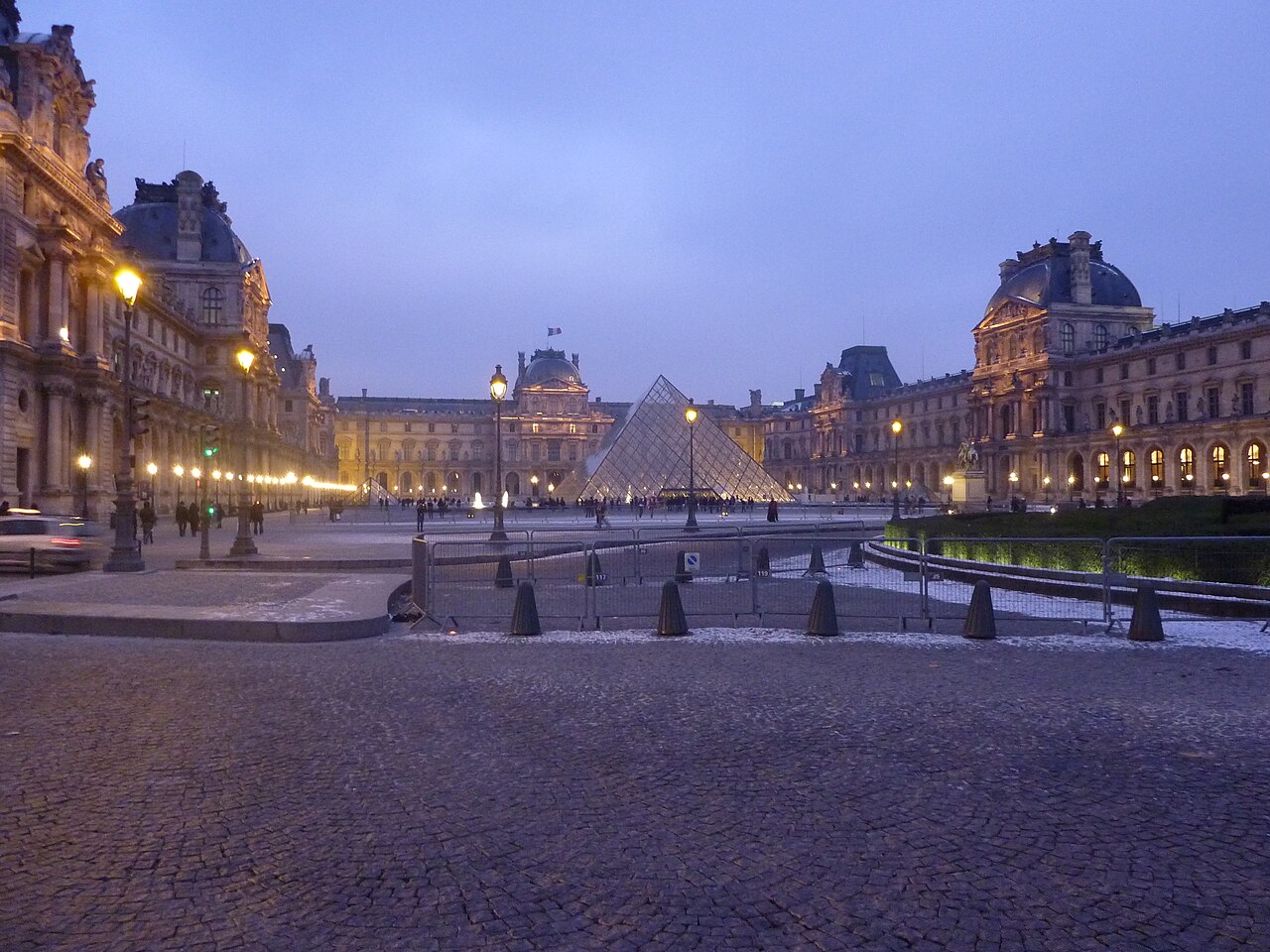
Choose a limited set of galleries rather than attempting the whole museum. A focused visit works especially well with a later walk in the Tuileries.
Allow: 2½–4 hours Best for: Art lovers and first-time visitors
Plan for: Normally 9am–6pm on Monday, Thursday, Saturday and Sunday; until 9pm Wednesday and Friday; closed Tuesday. Last admission one hour before closing. Reserve a time slot and check dated notices.
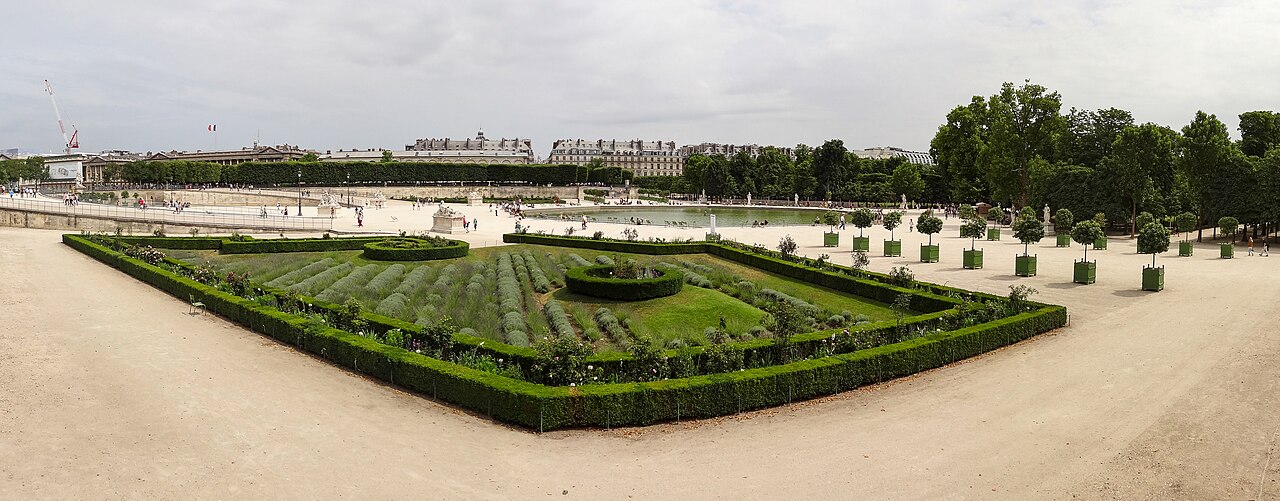
Let the broad garden paths and palace façades balance an indoor visit. This is a worthwhile architectural walk even when you are not entering the museum.
Allow: 45–90 minutes Best for: A quieter interval, families and photography
Plan for: The garden is free but has seasonal gates: generally 7am–9pm in April, May, September and October; 7.30am–7.30pm in winter; 7am–11pm June–August. Clearing begins before closing.
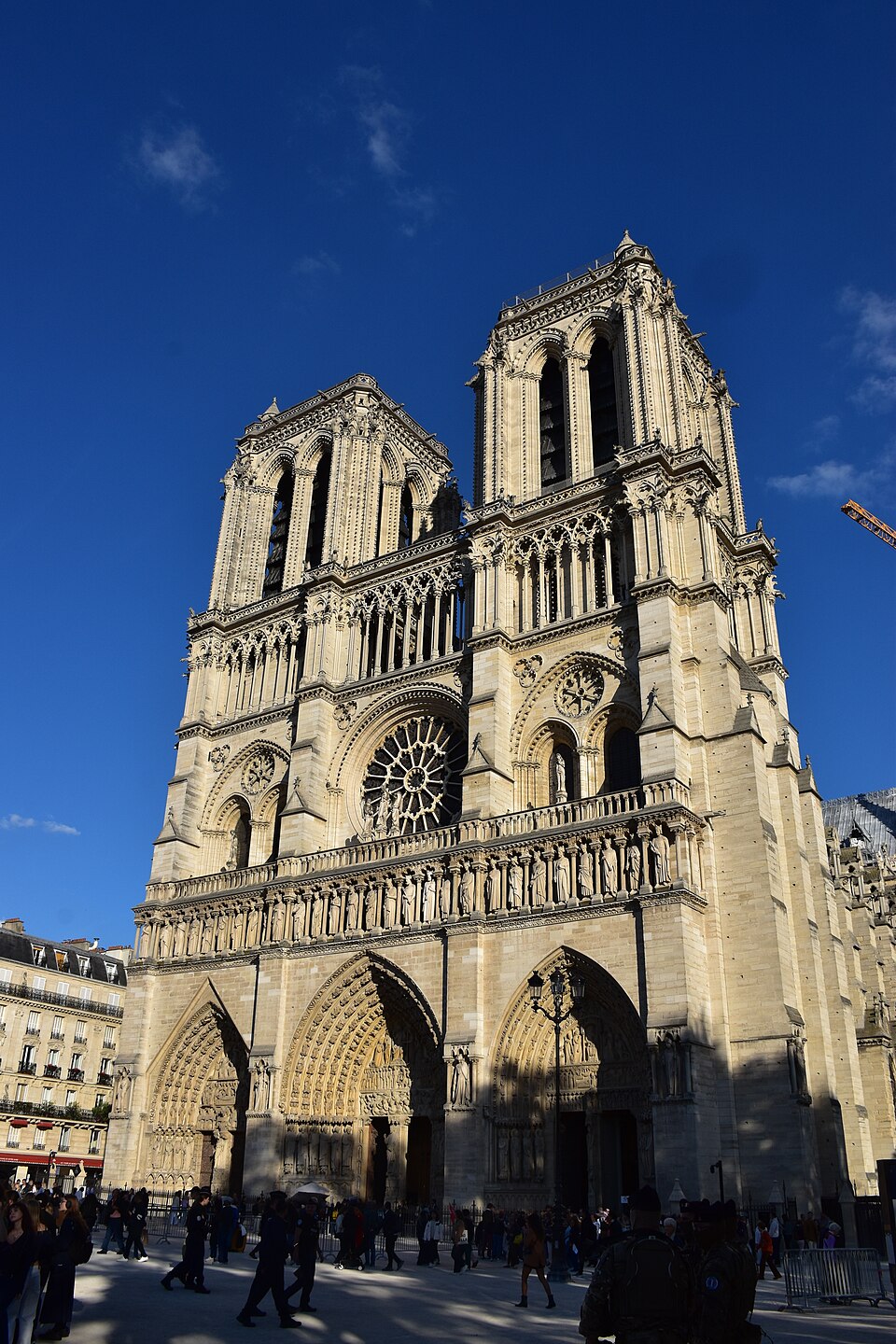
Visit the cathedral for its restored interior and spiritual setting, with time afterwards to look at the building from the river crossings.
Allow: 45–75 minutes inside, plus waiting Best for: Architecture, heritage and reflection
Plan for: Cathedral admission is free. A free official reservation is optional and released close to the visit. Services affect the visiting rhythm. Towers and other separately managed visits are not included in this advice.
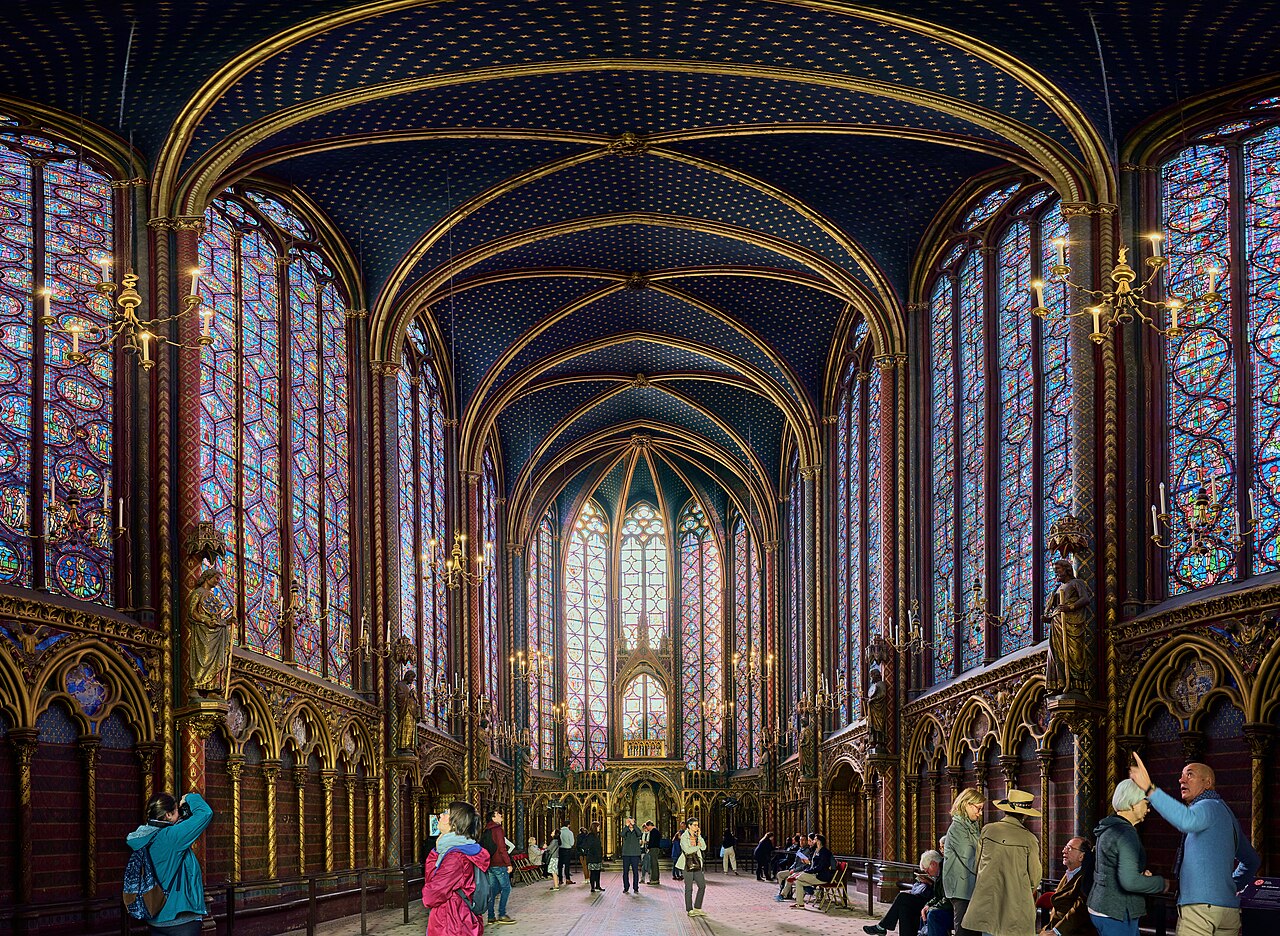
The upper chapel’s stained glass rewards time to look rather than a rushed photograph. Give it its own admission slot on an island-focused day.
Allow: 45–60 minutes, plus security Best for: Stained glass and medieval architecture
Plan for: Normally 9am–7pm April–September, 9am–5pm October–March; final access 30 minutes before closing. Closed 1 January, 1 May and 25 December. Book the required slot and allow for courthouse security.
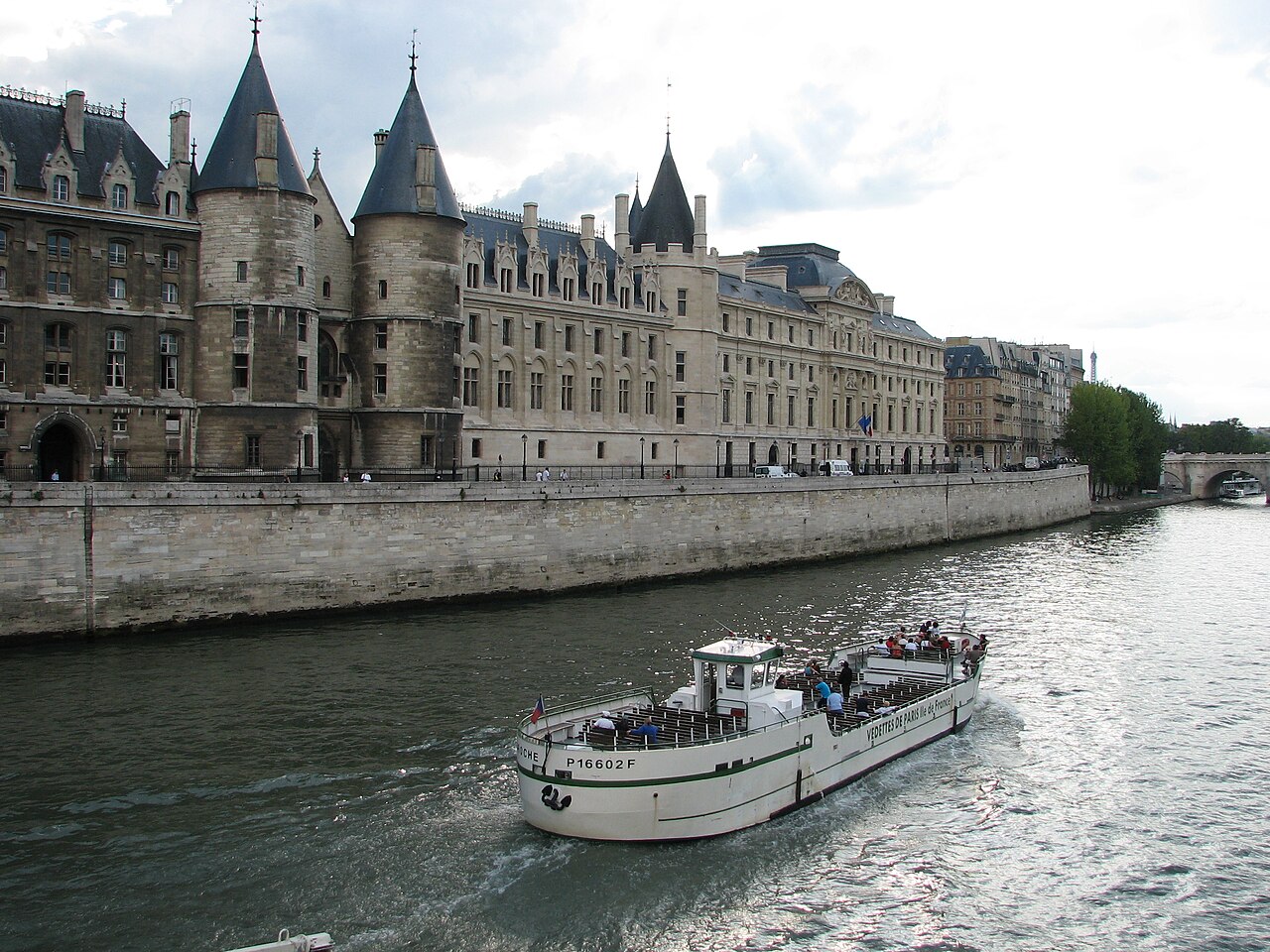
Explore the former royal palace and its later Revolutionary history. It is a substantial additional visit, not just a corridor on the way to Sainte-Chapelle.
Allow: 60–90 minutes Best for: History-focused visitors
Plan for: Normal published hours are 9.30am–6pm, final admission 5.30pm; dated exceptions can override them. Check the current notice and the separate time-slot conditions for any combined ticket.
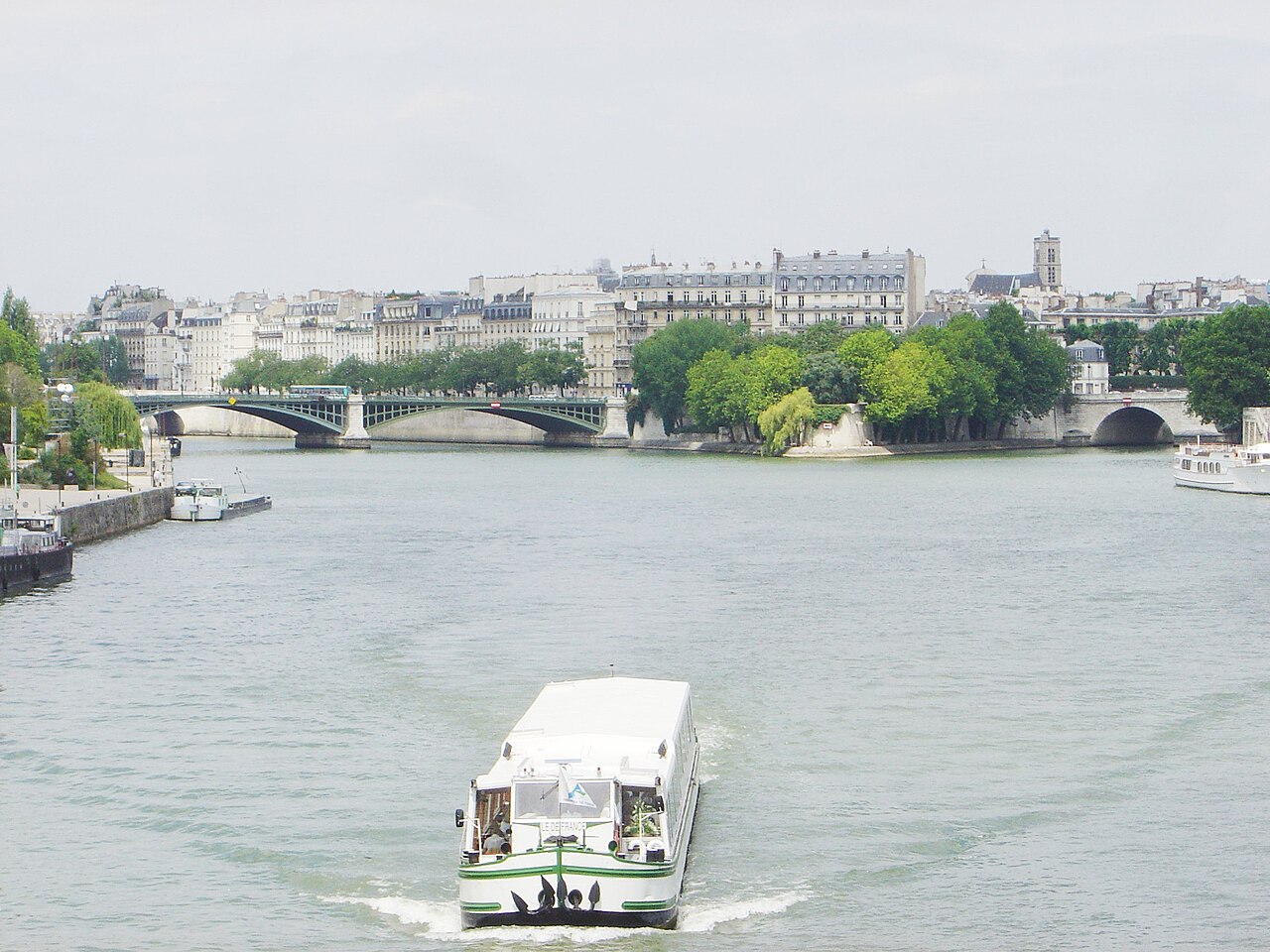
Cross from the cathedral side for a slower circuit along the quays and rue Saint-Louis-en-l’Île. Enjoy the setting without treating every stop as another booked attraction.
Allow: 45–75 minutes Best for: An unhurried walk and river views
Plan for: Use upper pavements for the simpler route. Lower waterside access can involve steps or closures. Add a seated pause before retracing the route.
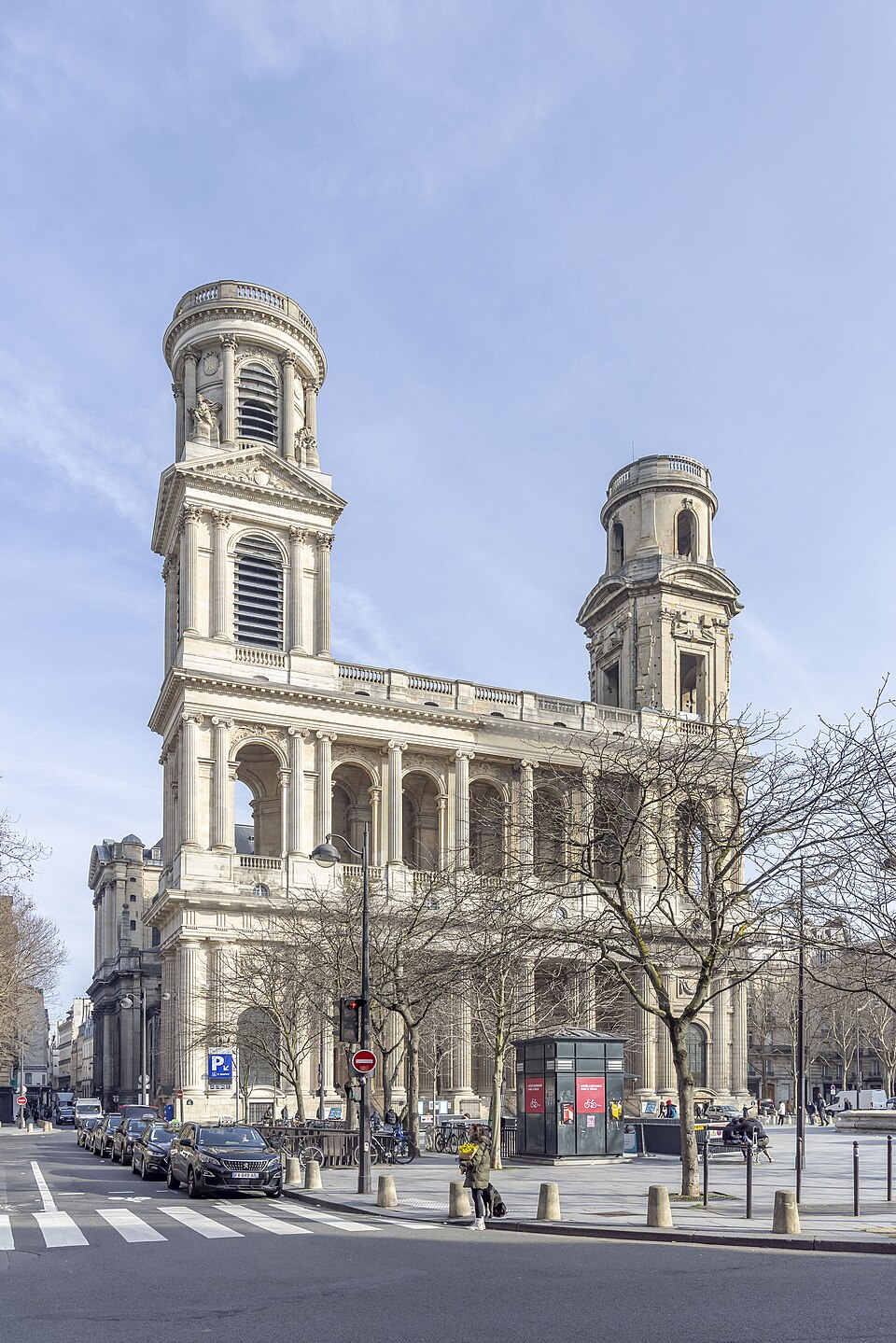
Move from the church square through rue de Seine and rue de Buci, then towards Saint-Sulpice. Galleries, cafés and small streets make this a neighbourhood visit rather than a single attraction.
Allow: 2–3 hours with a pause Best for: Couples, local atmosphere and independent exploring
Plan for: Shops, churches and galleries keep their own hours. Worship may limit church visits. The neighbourhood is distinct from Saint-Germain-en-Laye, the town west of Paris.
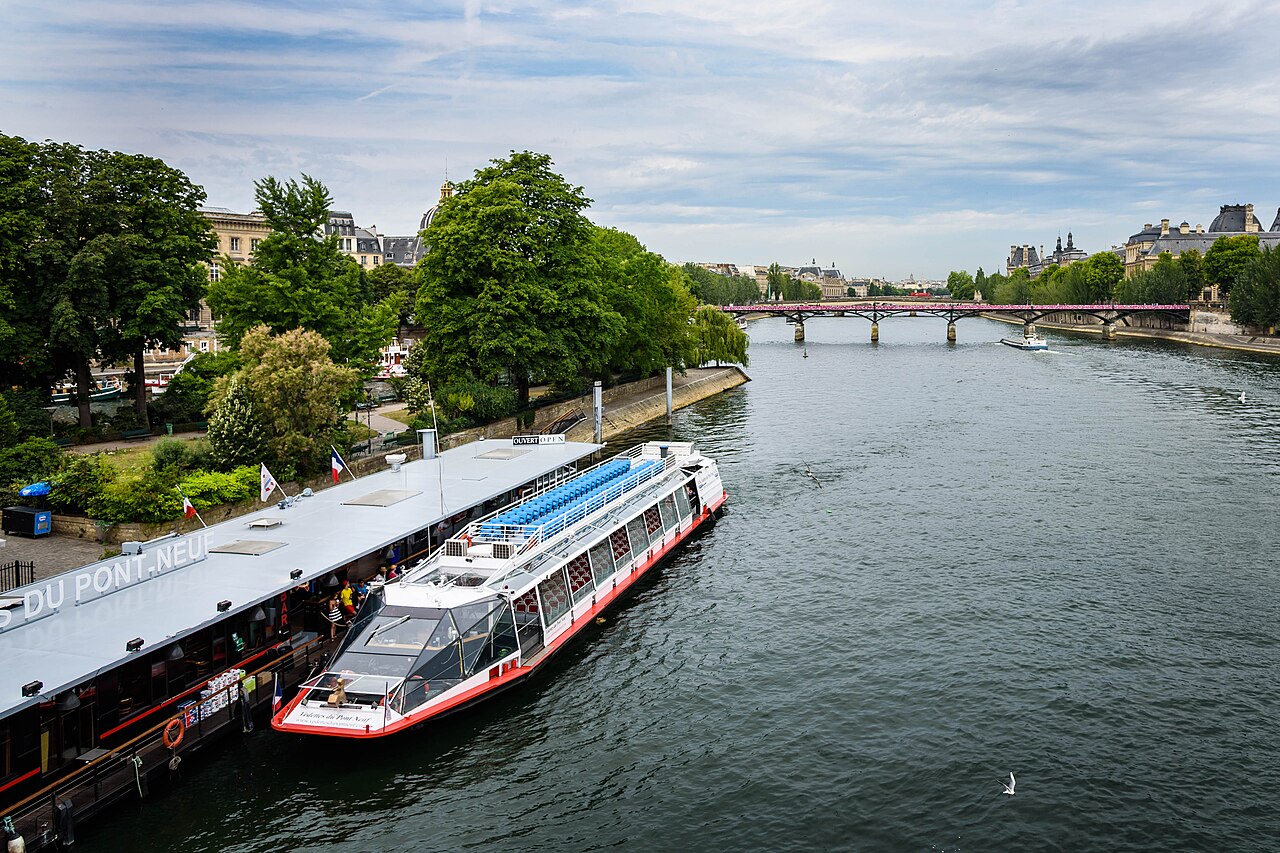
A seated river perspective can work after a walking day. The standard sightseeing cruise returns to the same central embarkation point.
Allow: About 1 hour on board; add boarding time Best for: Visitors wanting a change of pace
Plan for: Vedettes du Pont Neuf departs from 1 Square du Vert-Galant. Reserve a chosen departure; check steps, boarding assistance and operating conditions for the exact boat.
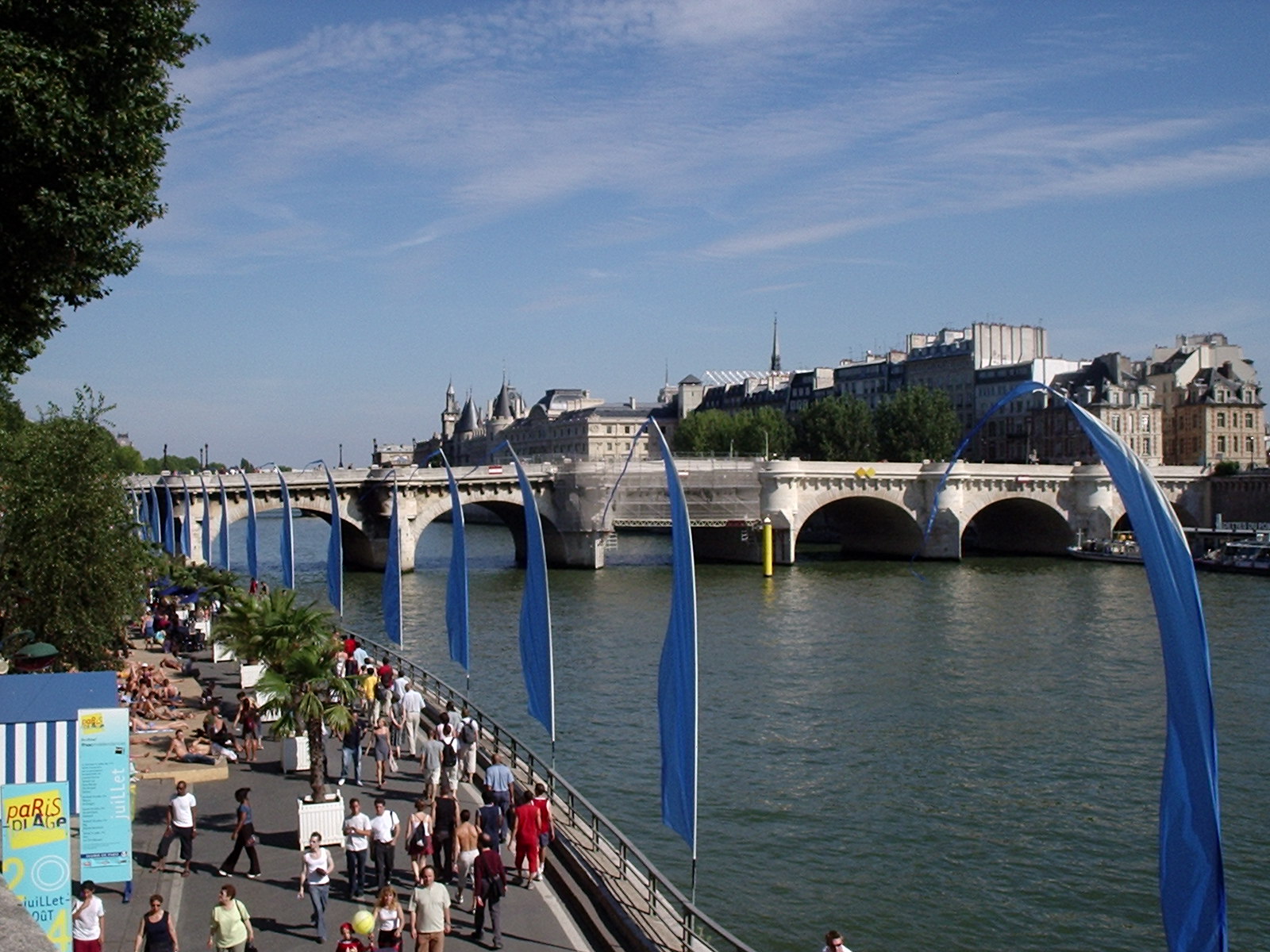
Walk from the Louvre towards Pont Neuf and cross deliberately, stopping to look back at the façades. A few well-chosen bridges are more rewarding than repeatedly criss-crossing the river.
Choose a museum collection or a smaller cultural visit that matches your interests. Keep enough time afterwards to absorb it over a meal rather than racing to another queue.
Return to Saint-Germain for a booked dinner and a short walk. Leave the final river stroll flexible for weather, energy and the journey back to your hotel.
A useful start to an island or Left Bank morning. Go before lunch; this is a market with set days, not the same as permanent food shops nearby. Official market details ↗
Marché couvert Saint-Germain 4–6 rue Lobineau · 6th arrondissement
A compact food-shopping stop within the Saint-Germain walk. The city lists reduced-mobility access. Individual stalls may operate more limited service hours. Official market details ↗
These are regular markets unless marked seasonal. Dates cover the published calendar; holidays, weather and local events may affect stalls and access. Recheck before travelling.
Where to Eat
Three seated restaurants with different roles in the itinerary. Reserve your chosen service through the official site; current menus and dietary arrangements matter more than a label or an assumed budget.
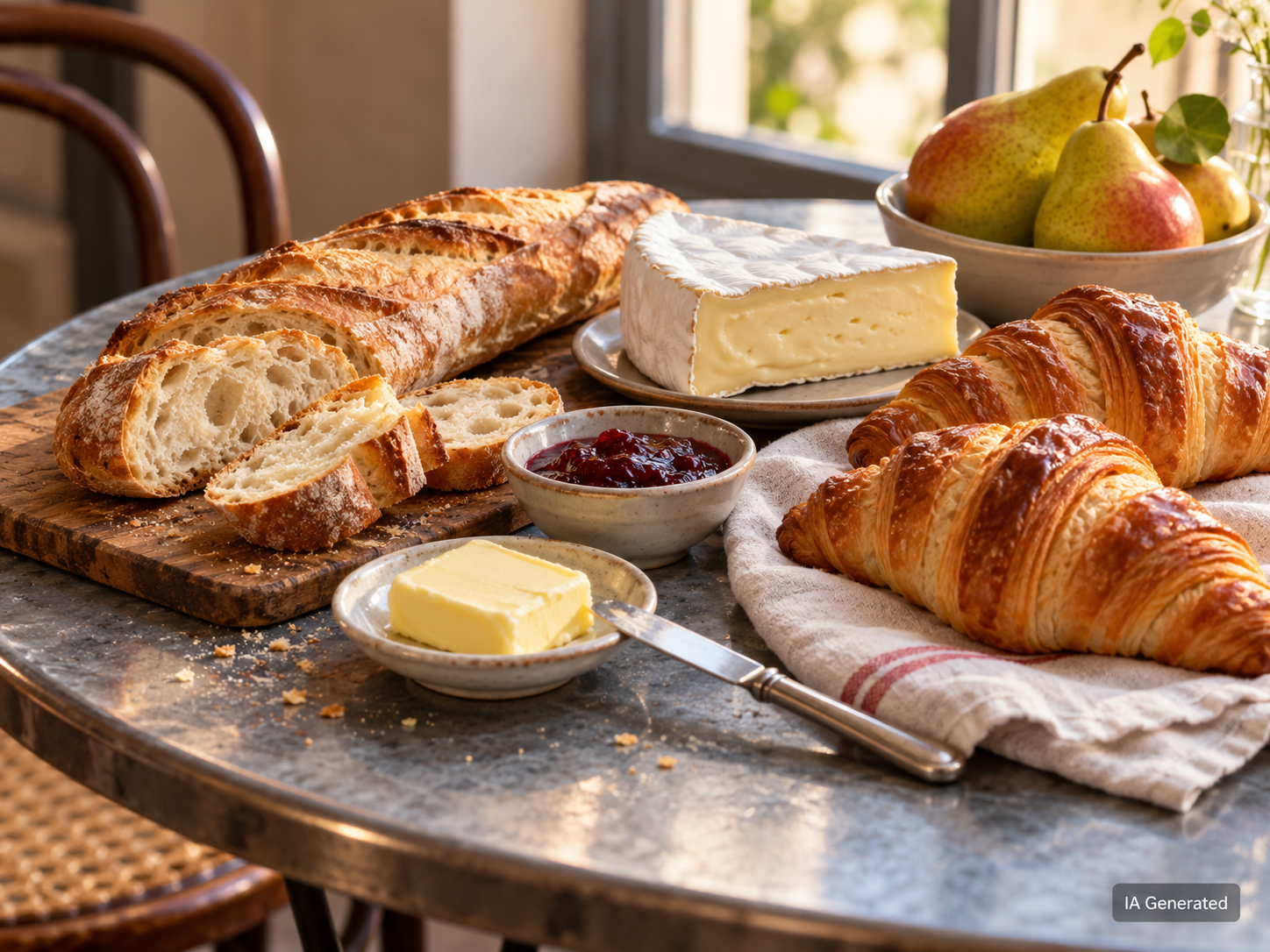
IA Generated — regional food illustration; not a photograph of a named restaurant, dish or market.
BISTRO & LOCAL CUISINE
Les Éditeurs · Odéon · Paris 6th
A literary café-restaurant serving French dishes and daily suggestions, useful for a proper lunch or dinner during a Saint-Germain day. Its central Odéon setting makes it easy to return to the walk afterwards.
Reserve: Use the official reservation contact and specify your meal time; ask about seating and any dietary requirements. Official restaurant & reservations ↗
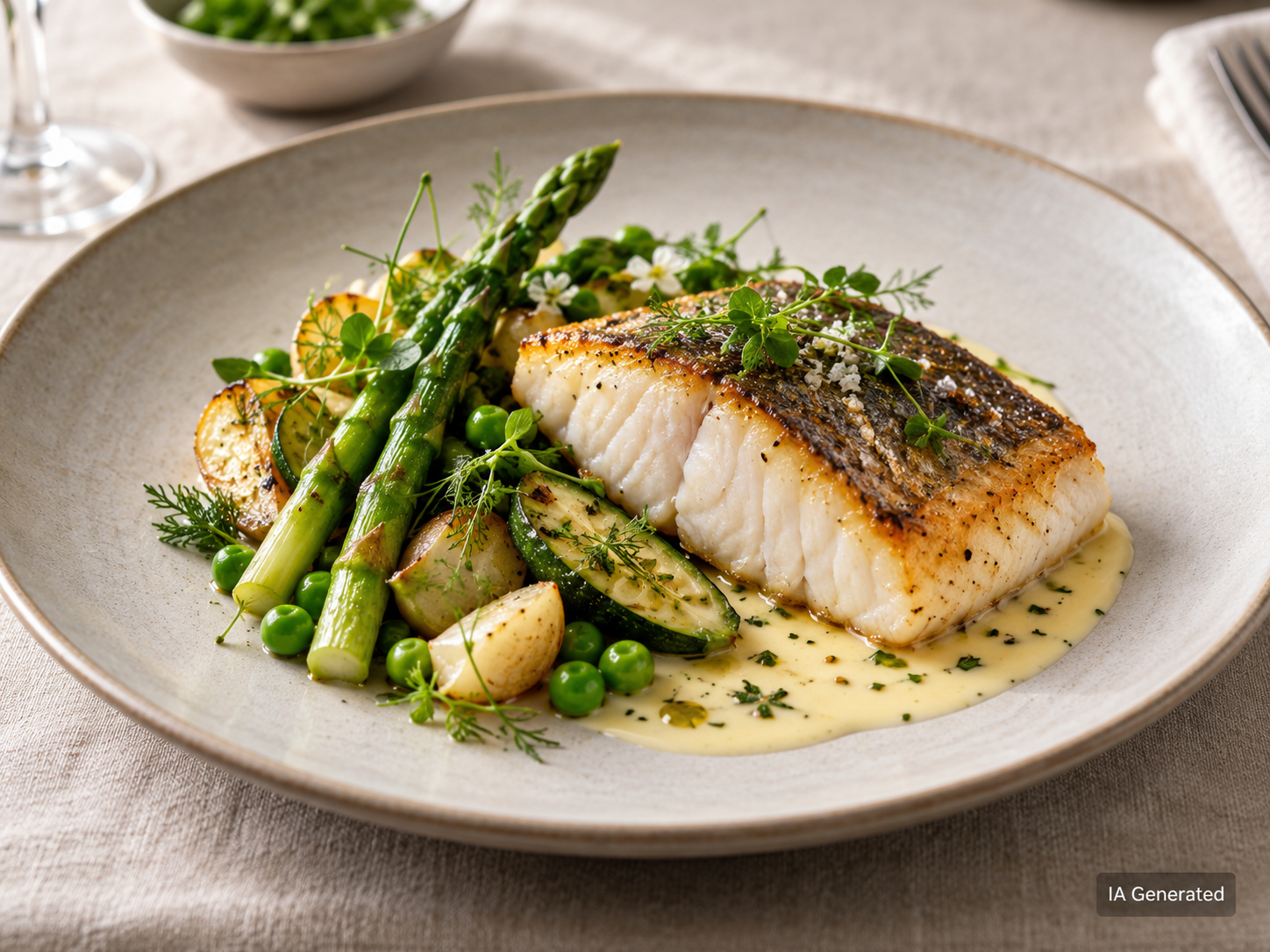
IA Generated — illustrative image; not a photograph of this venue or its products.
REFINED DINING
Baieta · Rue de Pontoise · Paris 5th
Julia Sedefdjian’s restaurant offers a more focused gastronomic stop on the eastern edge of this guide. Choose it for a meal-led visit near Maubert and the islands, with enough time for the menu.
Reserve: Use the restaurant’s booking page. Check the current menu format and service date before fixing another timed visit afterwards. Official restaurant & reservations ↗
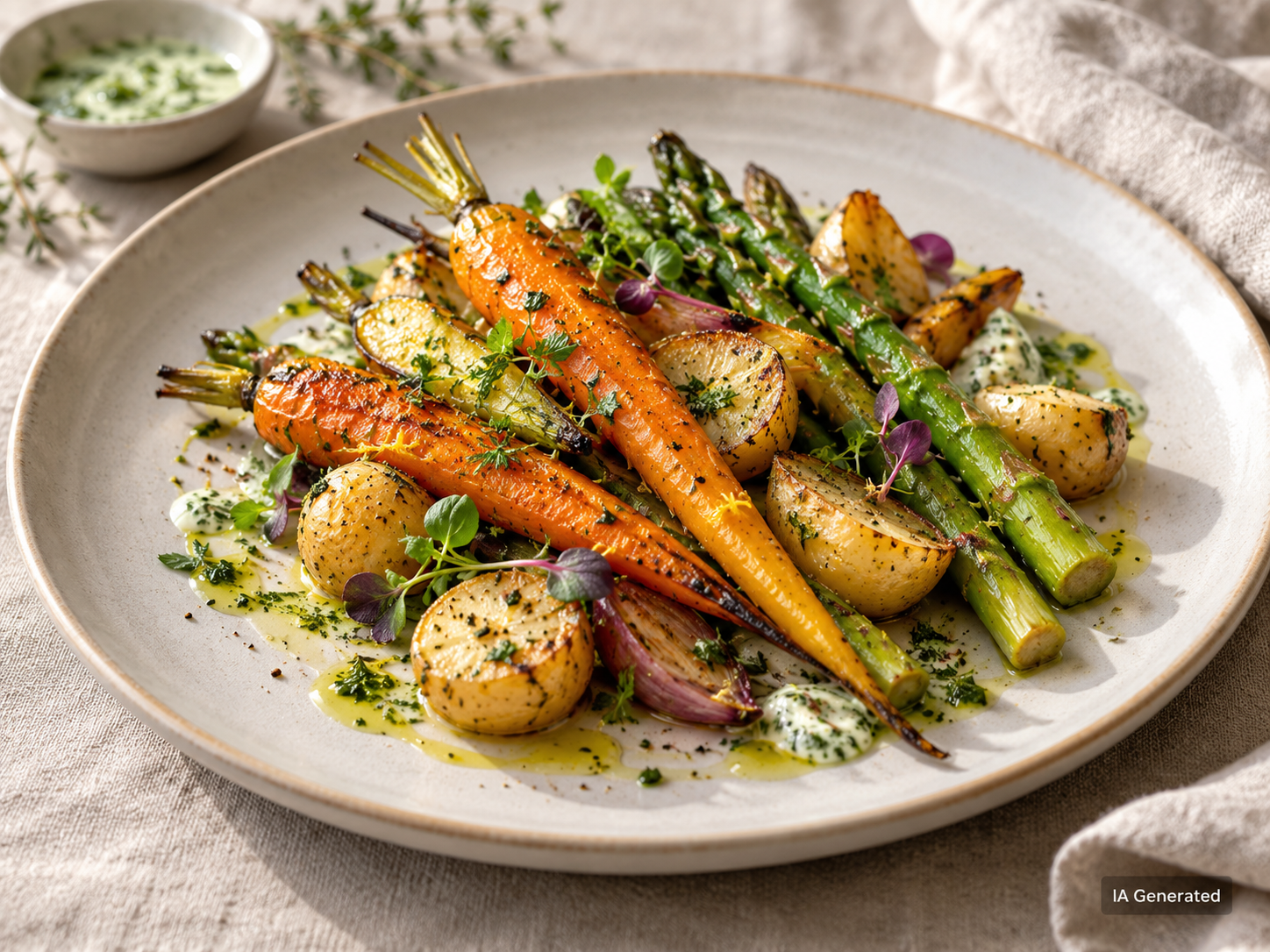
IA Generated — illustrative image; not a photograph of this venue or its menu.
SPECIAL-OCCASION DINING
Lapérouse · Quai des Grands-Augustins · Paris 6th
Historic salons and French fine dining beside the Seine give this address a distinct occasion-led character. Choose it for atmosphere and an evening meal with time to linger.
Reserve: Reserve through the official site; discuss salon or main-room seating and any minimum-spend or menu conditions directly. Official restaurant & reservations ↗
Confirm the current menu, service dates, dietary needs and step-free access directly before booking. Selections are based on published information, not a claim of a personal FWP visit or partnership.
Where to Stay
Choose a Paris base for the whole stay, then visit neighbourhoods and day-trip destinations from it. These addresses sit within this guide’s central area or its Saint-Germain edge. A museum ticket and a hotel reservation are separate arrangements.
4-star hotels
Saint-Sulpice · 6th arrondissement
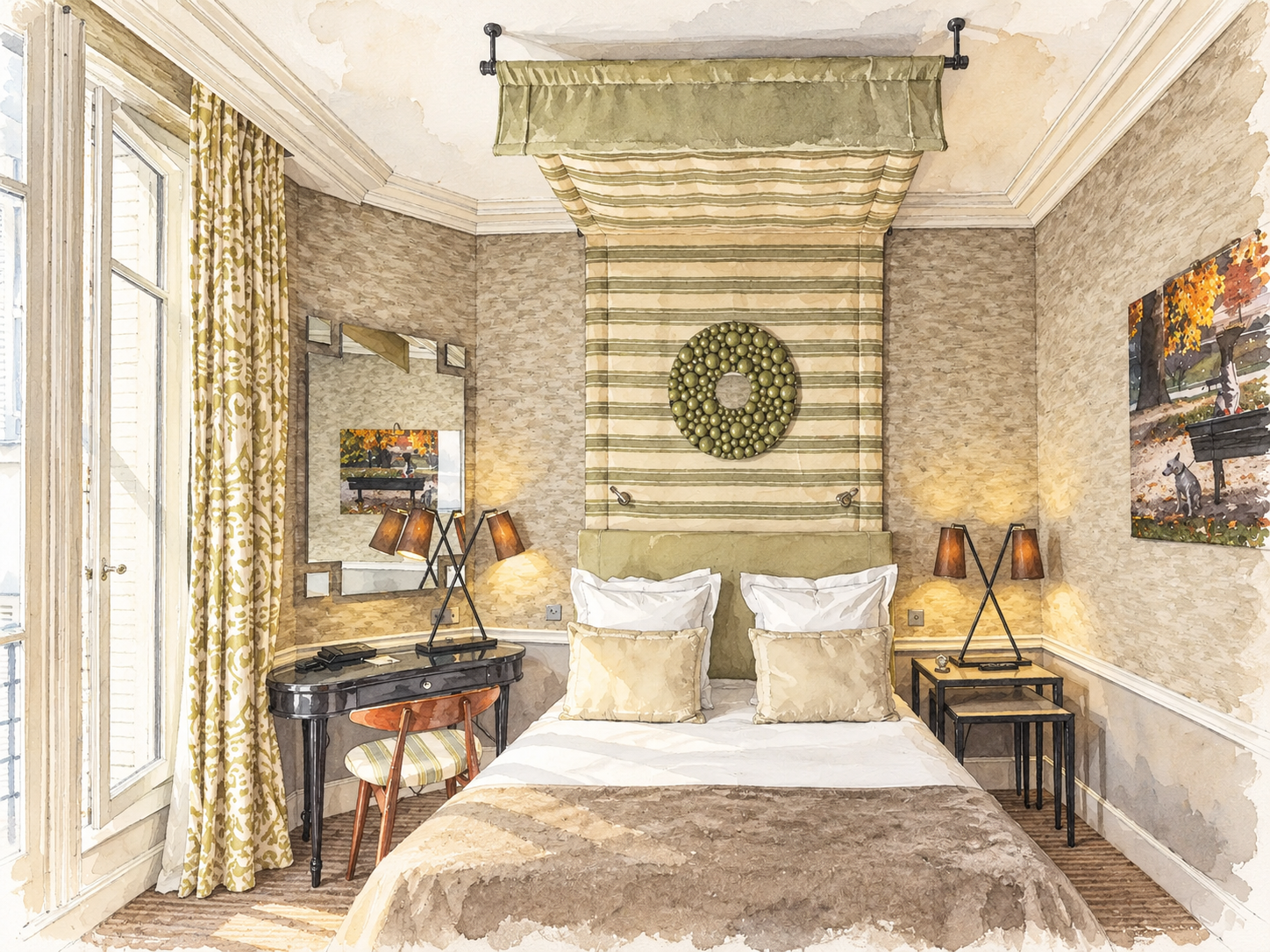
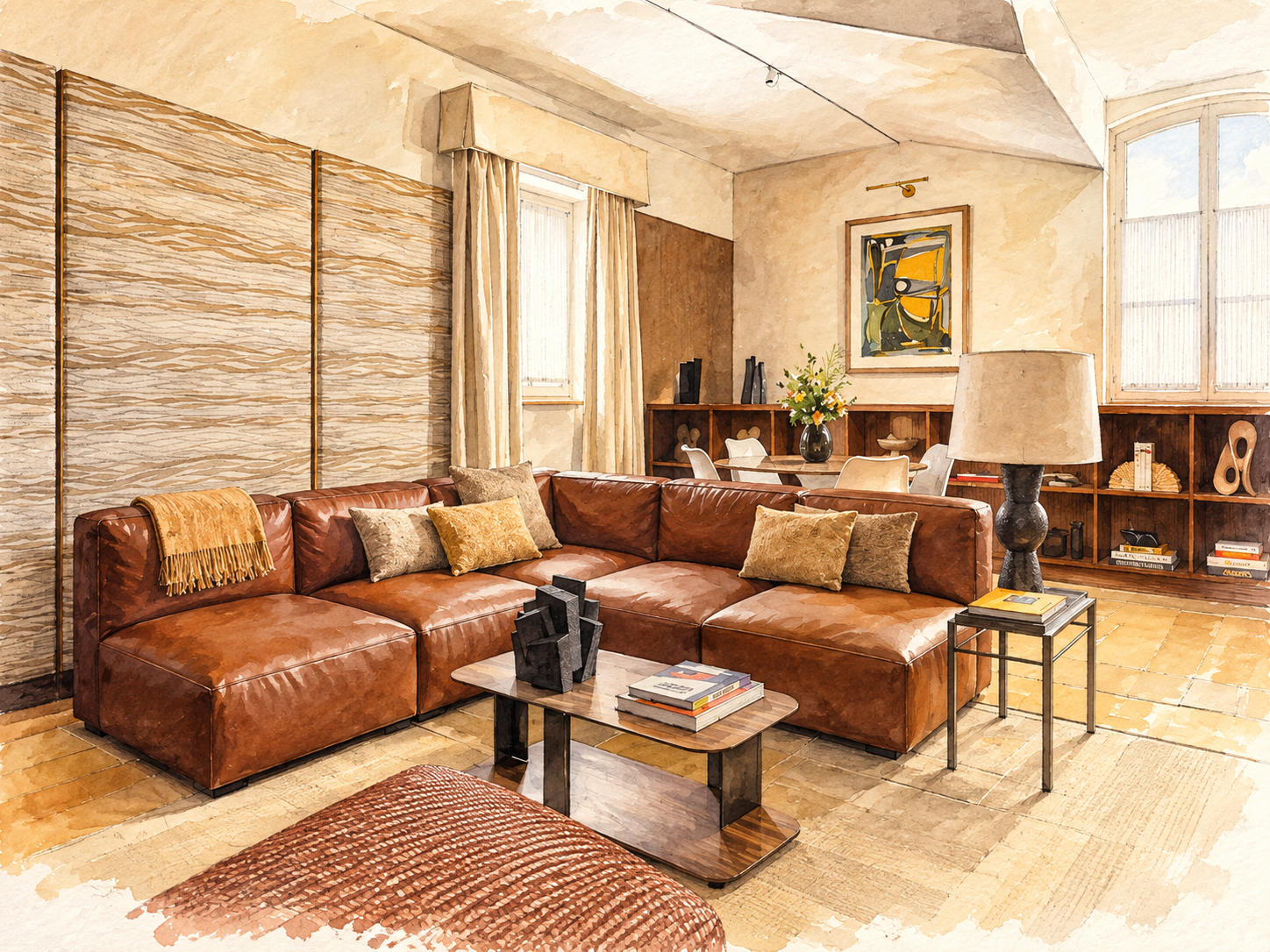
AI-generated illustration based on reference photographs of the hotel. Not a photograph.
Hôtel Récamier
Intimate, classically decorated boutique hotel. A compact Left Bank base beside Saint-Sulpice, with the neighbourhood cafés and Luxembourg Gardens forming a natural daily circuit.
Best for: Couples; travellers who value a small hotel and local walks. Verified features: Air conditioning, Complimentary in-room Wi-Fi, Bar, Breakfast service.
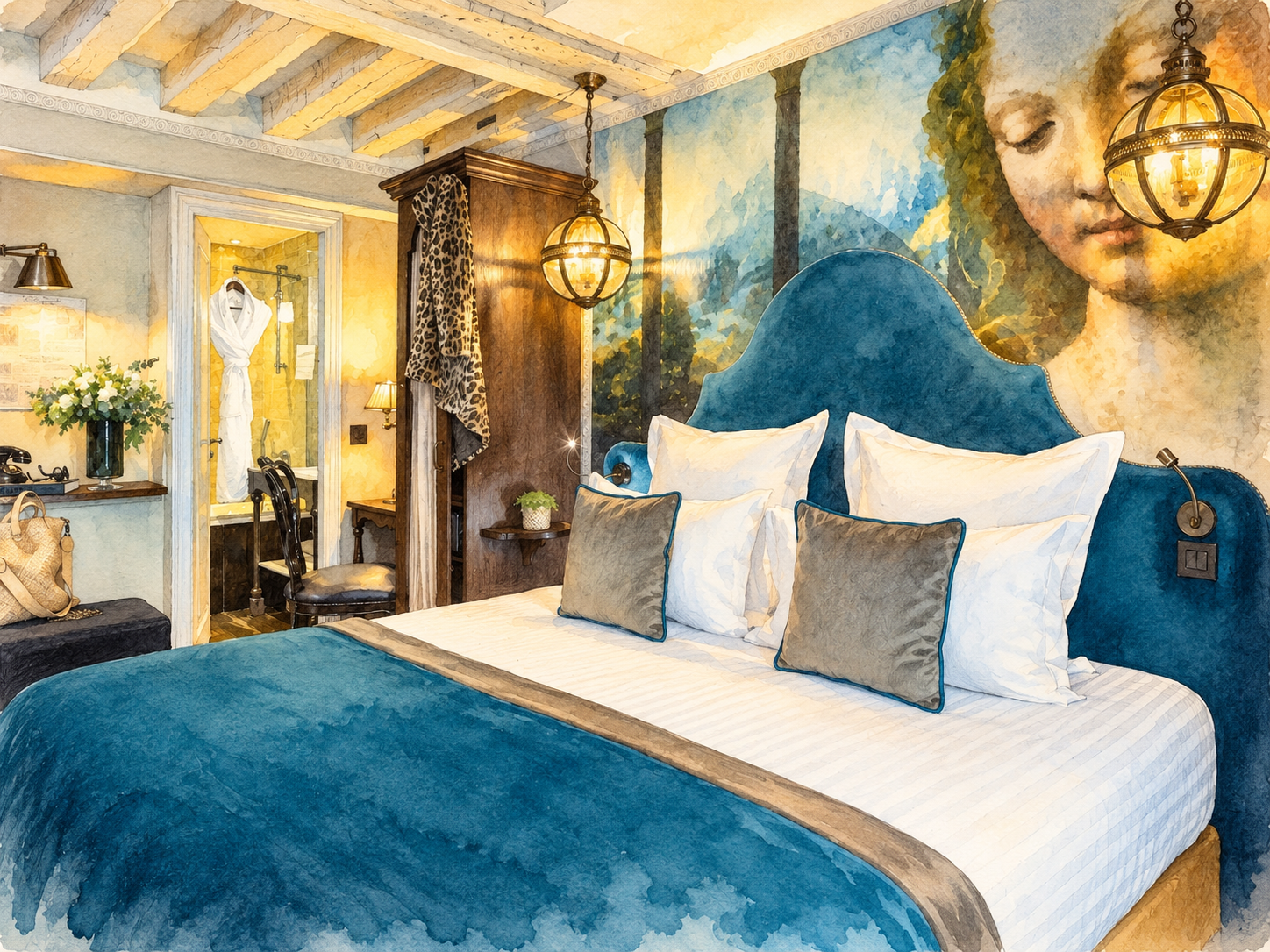
AI-generated illustration based on reference photographs of the hotel. Not a photograph.
Hôtel Da Vinci
Renaissance-inspired boutique retreat. A useful position for crossing to the Louvre while keeping a Saint-Germain address, with a private spa session as a break from walking.
Best for: Couples; art-focused stays. Verified features: Spa pool available for private 45-minute sessions by advance reservation.
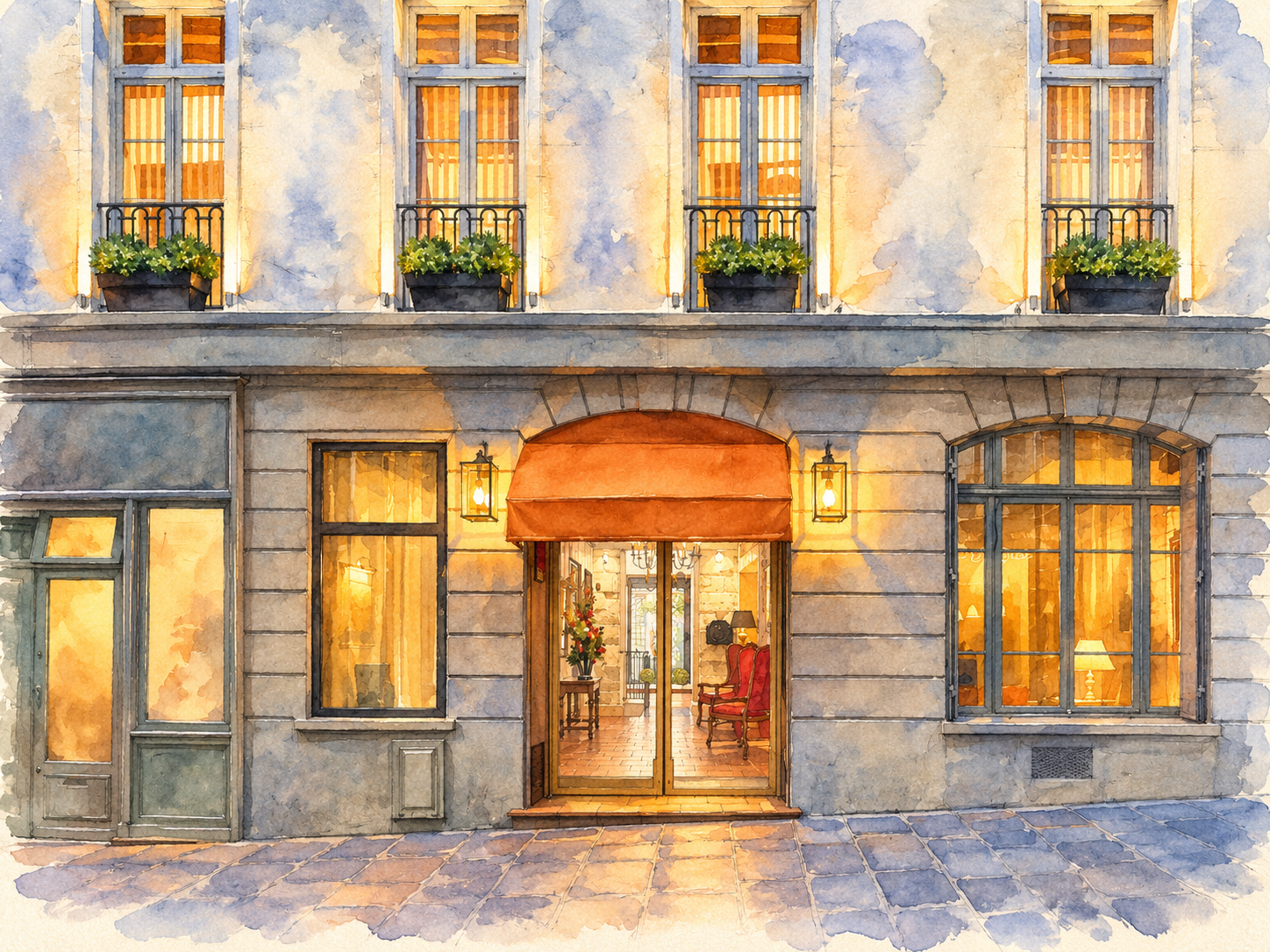
AI-generated illustration based on reference photographs of the hotel. Not a photograph.
Hôtel Saint-Paul Rive Gauche
Traditional Parisian townhouse atmosphere. A southern edge to the central walking area, convenient for combining Saint-Germain with the Luxembourg side of the Latin Quarter.
Best for: Couples; independent city explorers. Verified features: Individual air conditioning, Complimentary Wi-Fi, Tea and coffee facilities, Minibar.
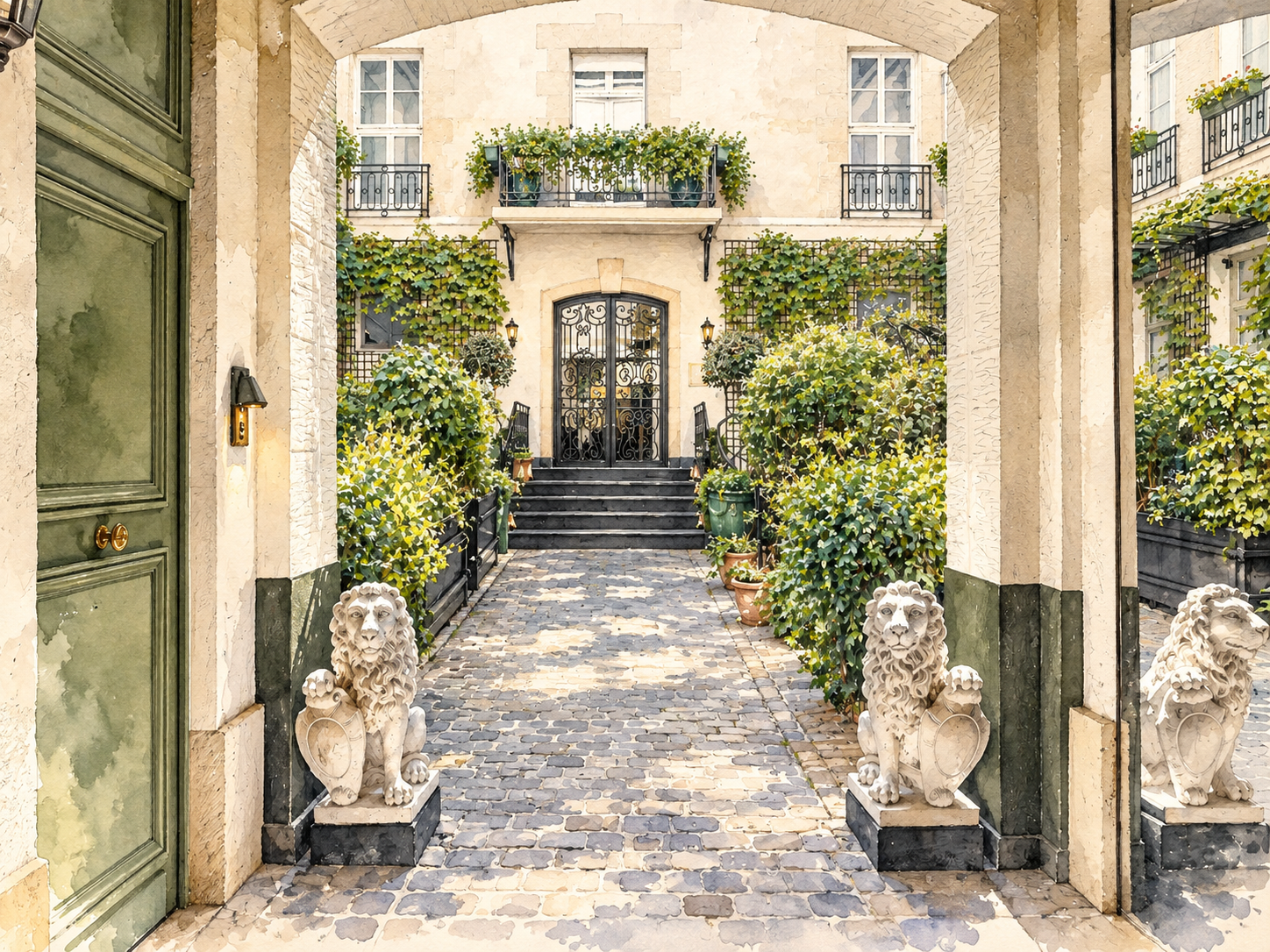
AI-generated illustration based on reference photographs of the hotel. Not a photograph.
Relais Christine
Secluded Left Bank house with garden character. Set back from a small street between Saint-Germain and the Seine, it suits a stay built around quieter returns between cultural visits.
Best for: Couples; travellers seeking a discreet retreat. Verified features: Guerlain spa, Sauna, Hot tub, Fitness room.
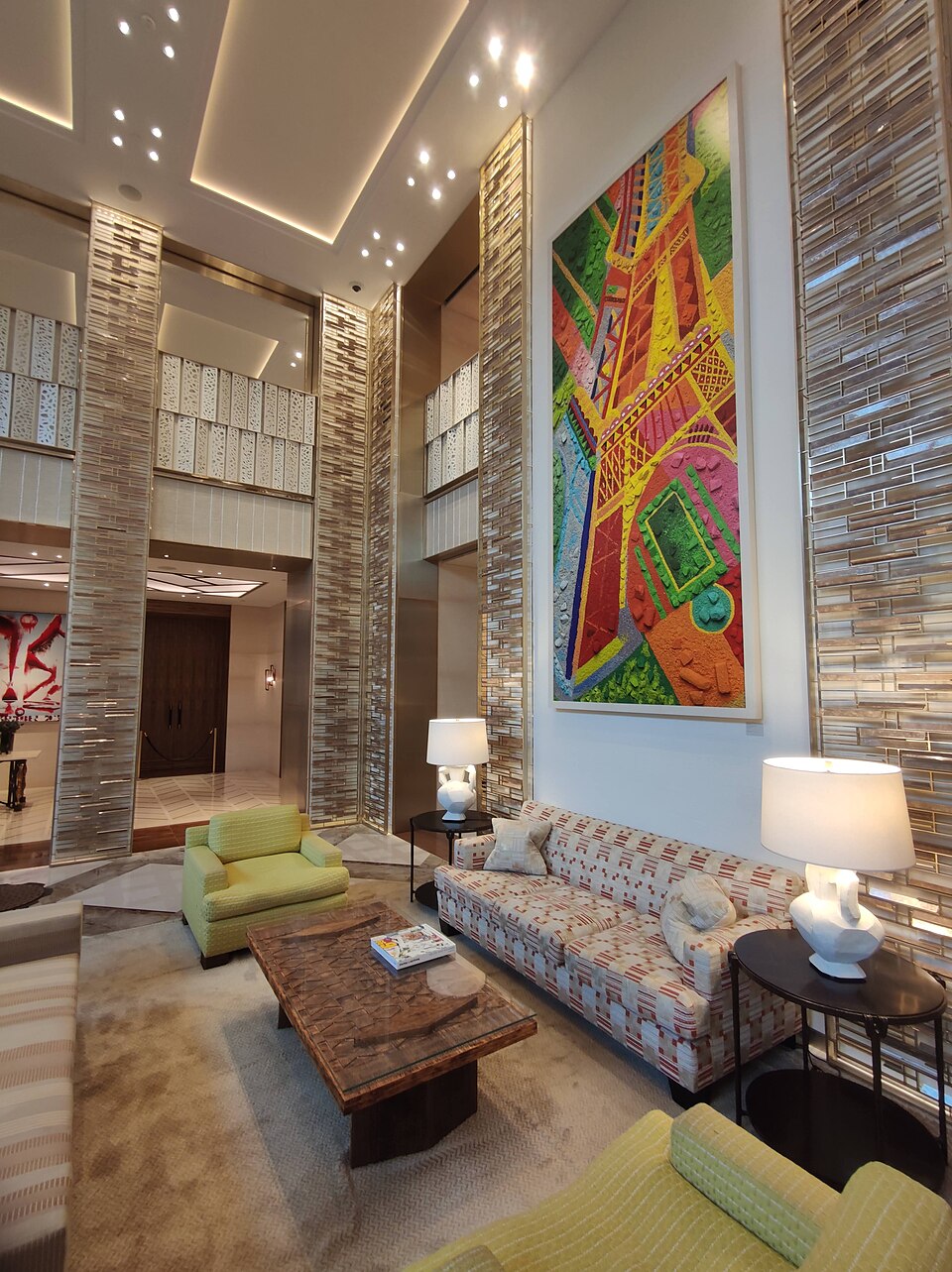
AI-generated illustration based on reference photographs of the hotel. Not a photograph.
Hôtel d’Aubusson
Historic house with a substantial wellness area. A central Left Bank location with a 20-metre pool gives museum-focused visitors a practical place to unwind between outings.
Best for: Couples; swimmers; families after confirming the room category. Verified features: 20-metre indoor pool, Sauna and steam room, Fitness room, Air conditioning.
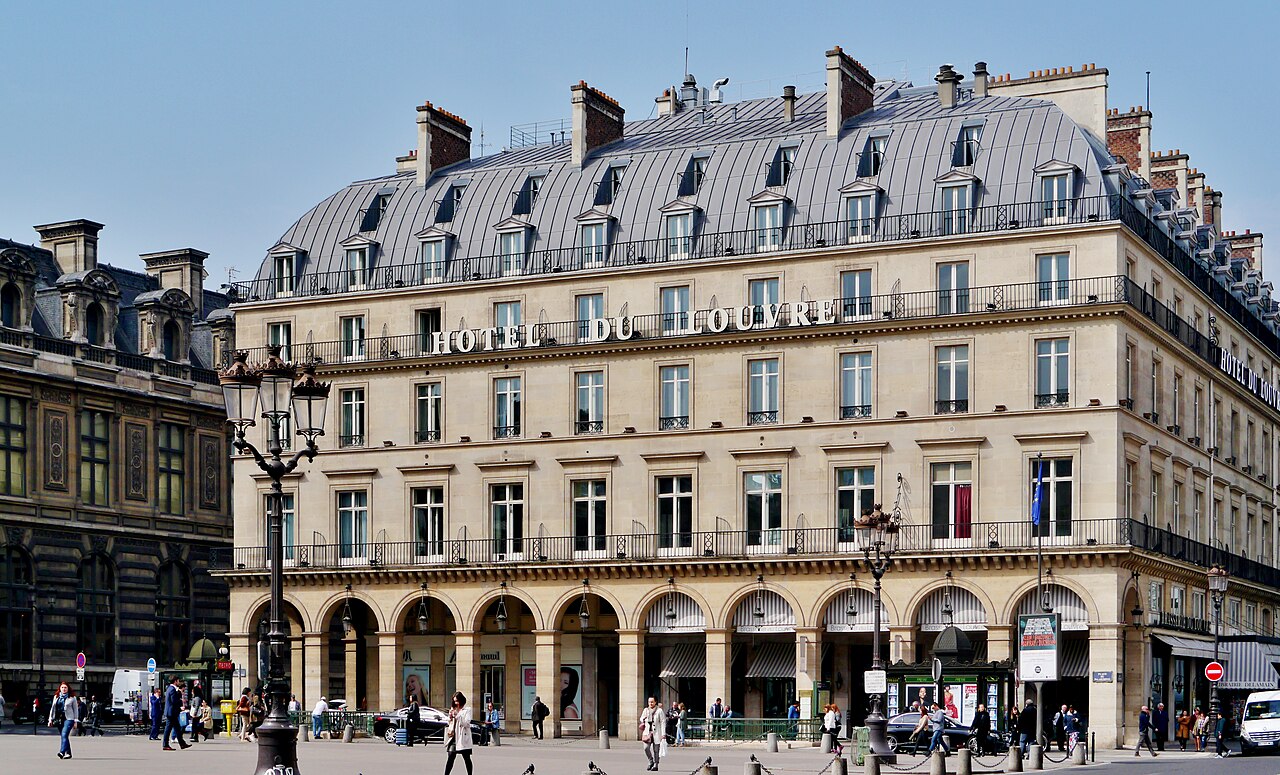
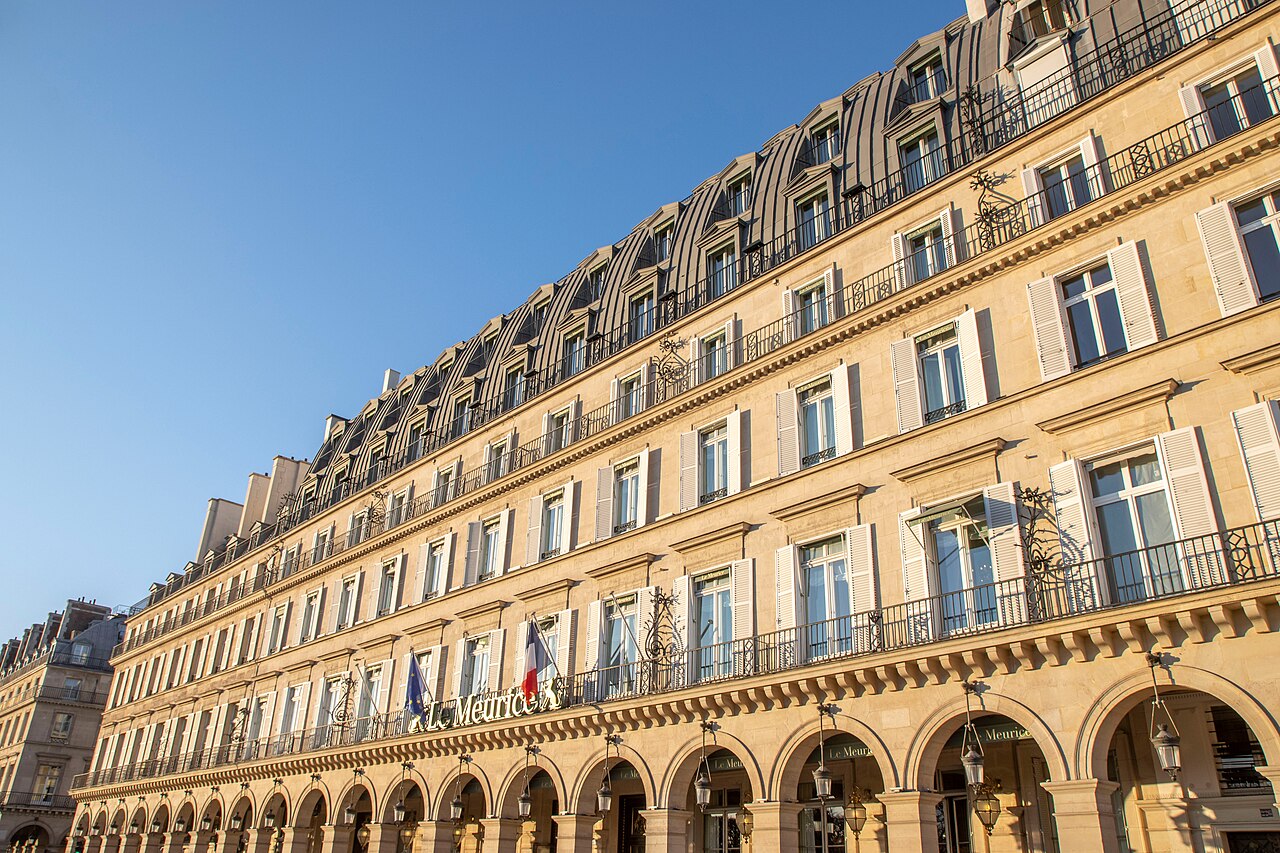
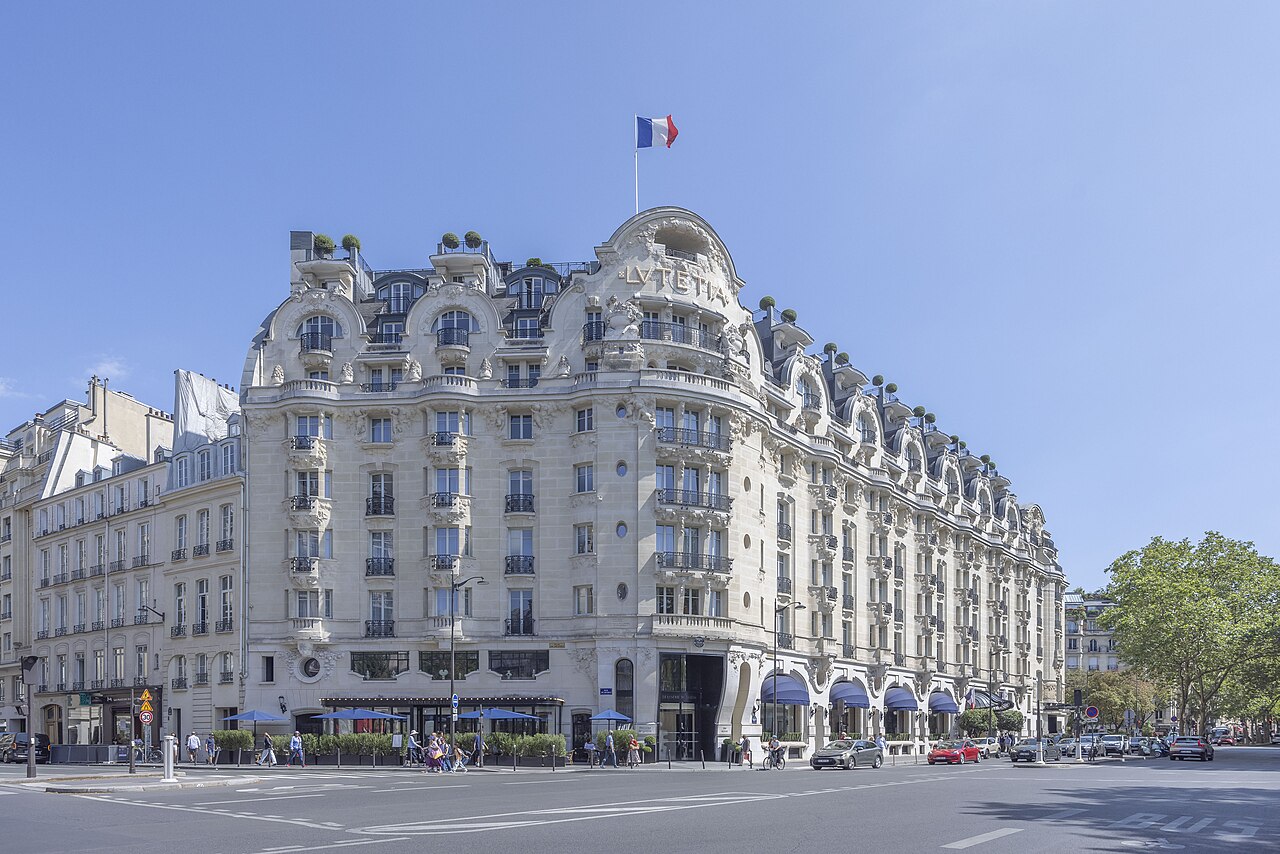
Grand city hotel facing a major cultural quarter. The strongest fit here for travellers making the Louvre and Palais-Royal the centre of their stay, with less daily crossing between banks.
Best for: Museum lovers; couples; families choosing a suitable category. Verified features: Brasserie, Fitness facilities, Room service.
Contemporary riverfront luxury. A river-centred address directly by Pont Neuf, selected for a high-service stay linking the two banks and the islands.
Best for: Special occasions; spa-focused stays; travellers prioritising the Seine. Verified features: Dior Spa, 30-metre pool, Sauna and hammam, Fitness facilities.
Historic Palace with classical interiors. Choose this Tuileries-facing address when the Louvre, garden walks and an elaborate restaurant evening define the trip.
Best for: Special occasions; art lovers; travellers seeking traditional Palace service. Verified features: Valmont spa, Sauna and hammams, Restaurants.
Landmark Left Bank Palace. A good fit for a longer Saint-Germain stay combining neighbourhood life with a full spa, rather than being directly beside the Louvre entrance.
Best for: Couples; families considering connecting rooms; wellness-focused stays. Verified features: 17-metre pool, Sauna, Hammam, Gym.
Official stars checked against the Atout France register on 2026-10-02; Palace distinction checked separately against its official list. Palace hotels appear once only. Editorial selections are independent; no FWP stay, partnership or benefit is implied. Confirm room layout, access requirements and facility conditions for your dates. No prices or availability are asserted.
A good balance for gardens and walking, with an indoor alternative for showers. School holidays and popular exhibitions still need advance reservations.
JUNE–AUGUST
Summer
Use the earlier part of the day for long outdoor walks and carry water. Keep exposed quays optional in strong heat; reserve popular evening meals and cruises.
SEPTEMBER–FEBRUARY
Fall & winter
Build shorter outdoor circuits around a museum or monument. Wet paving and short daylight change the rhythm; garden gates and boat schedules need checking.
Weekends, major holidays and special events can be busy in any season. A reserved entry time does not remove security checks. Check the operator’s notices shortly before the visit; river conditions can alter waterside access and cruises.
How Long to Spend
ONE CLEAR FOCUS
Half a day
Choose the islands with one interior, or Saint-Germain with a market and a meal. Do not include a full Louvre visit in the same short window.
A BALANCED DAY
One full day
Pair a Louvre morning with Tuileries and a modest river walk, or devote the day to the islands and Saint-Germain. Include a real lunch break.
ROOM FOR DEPTH
Two or three days
Separate the museum day, the island day and a slower Left Bank day. This leaves room for a second cultural visit, a cruise or changes in weather.
FWP planning recommendations. Allow separately for your arrival journey and accommodation transfers.
Getting There
Choose the station for your first stop. Palais-Royal–Musée du Louvre serves the museum side; Saint-Michel–Notre-Dame serves the islands and eastern Left Bank; Odéon suits Saint-Germain. Châtelet–Les Halles is a useful regional interchange, but its long internal passages add time.
Use Aéroport CDG 1 for terminals 1/3 and CDG 2–TGV for the Terminal 2 complex. Add the terminal transfer, waiting, station exit and hotel journey. Plan roughly 70–100 minutes from the terminal area to a central hotel, excluding border control and baggage; this is an FWP allowance, not a timetable.
Aéroport d’Orly station → Châtelet
Direct métro 14; around 25 minutes on board. IDFM guidance ↗
Add terminal-to-station walking and the final surface journey. Allow roughly 50–75 minutes from the terminal area to a central hotel, excluding baggage; confirm the route for your terminal and address.
The airport rail and métro legs are not door-to-door transfers. Check current works, your complete itinerary and the ticket that covers the airport journey. No historic fare or general Paris ticket is assumed valid. Official airport access ↗
Getting Around & Parking
Within this compact sector, a car generally adds parking and approach time. Leave it at your accommodation or a confirmed garage, then use walking and appropriate public transport. For reduced mobility, plan the exact accessible entrance and vehicle meeting point rather than relying on the nearest station name.
Mode or facility
Reference point
Practical use
Walking
Upper quays and city streets
Follow crossings and current signs. Lower quays may have stairs and temporary closures; keep an upper-street alternative.
Public transport
RATP / Île-de-France Mobilités
Check the full route, lifts and service works. Métro 14 is accessible, but this does not make all connecting métro lines step-free. Accessible-station guidance ↗
Louvre public car park
1 avenue du Général Lemonnier, Paris 1st
Indigo identifies this vehicle entrance and a roughly five-minute walk to the museum. Check height, opening, accessible spaces and current tariff before arrival. Operator details ↗
Taxi or private driver
Your exact hotel or agreed pickup point
Prearrange a lawful meeting point and allow for congestion. No unrestricted monument-side drop-off is promised.
For a car arrival, obtain a date-specific route to the hotel or garage. Airport driving time varies too much with the terminal, time and street access to present one universal transfer estimate.
Walking Routes & Suggested Itineraries
These are FWP walking plans, not surveyed accessible routes. Distances and moving times are approximate editorial allowances; add crossings, photographs, queues and breaks. Choose one circuit rather than linking all three.
Walk
Moving time & distance
How to use it
Louvre pyramid → Tuileries → Pont des Arts
About 2–2.5 km; 35–50 minutes walking
Allow 2–3 hours with garden pauses, or a full day when adding a substantial museum visit and lunch. Stay on upper streets if lower-quay access is unsuitable.
Allow 4–6 hours with one or two interiors, security and a seated break. The Conciergerie is an additional visit, not an automatic extra.
Saint-Germain-des-Prés → rue de Buci → rue de Seine → Pont Neuf → Saint-Sulpice
About 2.5–3 km; 45–60 minutes walking
Allow a half-day with gallery browsing, a market stop on the right day and lunch. The circuit can be shortened before the river section.
FULL DAY
Art & a river afternoon
Reserve a Louvre morning and choose your galleries. Have lunch nearby, walk through part of the Tuileries, then make one river crossing. Stop there or add a short evening stroll if energy allows.
FULL DAY
The islands without rushing
Start with a booked Sainte-Chapelle visit, pause for lunch, then visit Notre-Dame subject to its conditions. Continue to Île Saint-Louis. Choose the Conciergerie instead of another interior if Revolutionary history is the priority.
THREE DAYS
A slower Left Bank stay
Use a market morning and neighbourhood walk for day one. Give day two to the islands, and day three to the Louvre. Keep the same hotel and move the order to match the museum closure and reservations.
Good Combinations
SAME AREA
Louvre + Tuileries
A coherent museum-and-garden pairing with little transport overhead. Palais-Royal can replace part of the garden walk when you want more architecture.
SHORT WALK
Islands + Maubert
The market and a Left Bank lunch can anchor an island day. Match the morning to the actual market calendar.
ACROSS THE STAY
Central Paris + a later Montmartre day
A useful contrast over separate days. Versailles, Fontainebleau, Saint-Germain-en-Laye and Provins each deserve their own excursion window; keep a Paris hotel unless a local stay serves your plans.
Accessibility & Practical Advice
Mostly level streets do not guarantee a step-free visit. Paving, kerbs, gradients at bridges and the route from a station exit all matter. Lower quays and boat embarkation points can involve stairs. For a wheelchair or stroller, plan the upper-street route first and add waterside sections only when the access is confirmed.
Sainte-Chapelle publishes a reduced-mobility route; contact the monument about the exact entry and assistance arrangements. The Louvre provides visitor assistance and adapted routes: identify the entrance and lifts needed for your chosen galleries. A general accessibility statement is not a guarantee that every room or temporary route will suit your needs.
Carry water, choose shoes with grip and use regular seated breaks. Do not build a day around several long standing queues. For a cruise, confirm the boat, boarding method, wheelchair dimensions and toilet access before purchasing. Hotels require the same room-specific approach: ask about door widths, shower layout, lift access and the route to breakfast or spa facilities.
FWP Insider Advice
Choose the interior before the walking route. The booked visit determines the day’s fixed point. Gardens, bridges and neighbourhood streets are easier to move around it.
Use the river for orientation, not a race. The Louvre, both islands and Saint-Germain cover more ground than a small map suggests. Leave room for crossings and a proper lunch.
Keep your hotel as a base. Changing neighbourhoods or taking a day trip does not require changing hotels. Consider a move only when it improves a longer itinerary.
Separate the free visit from the paid extra. Notre-Dame cathedral access, a tower visit, Sainte-Chapelle and a cruise have different rules. Check the official operator for each experience.
Central Paris & the Seine FAQ
Can I see the Louvre, Notre-Dame and Sainte-Chapelle in one day?
You can pass their exteriors in a long day, but full interior visits create a rushed schedule with several queues. Choose one main museum or an island-focused day.
Is Notre-Dame free to enter?
The cathedral itself is free, with an optional free reservation through its official channel. Separately managed experiences such as tower visits have their own conditions.
Which day should I avoid for the Louvre?
The Louvre is normally closed on Tuesdays. Check holiday closures and dated notices as well, then reserve the visit that fits your itinerary.
Are the Tuileries open all night?
No. The garden has seasonal opening and closing times, with clearing before the gates close. Use the official Louvre calendar for your date.
Can I explore this area without booking anything?
Yes: neighbourhood streets, bridges and outdoor views make a rewarding walk. Book major interiors, special meals and a chosen cruise departure separately.
Is a Palace a separate star category?
No. An officially distinguished Palace is also a five-star hotel. The distinction is shown separately here, and each hotel appears only once.
Should I change hotels for a Versailles or Fontainebleau day trip?
Usually there is no need. Keep a Paris base for a day excursion. A local overnight stay becomes useful when you want a slower visit or onward travel beyond Paris.
Is this route accessible for a wheelchair?
There is no single universal route. Upper pavements, station exits, monument entrances and boat boarding must be checked together for the traveller’s needs; the lower quays should never be assumed step-free.
Plan Your Central Paris & the Seine Journey
France. Well Planned.
A central Paris stay with a natural rhythm
Build your days around the art, neighbourhoods and tables you care about, with practical routes and enough time to enjoy them.
Photograph: Pont Neuf, Paris — Paul Louis, CC BY-SA 3.0. Archival photograph, uploaded to Commons in 2006; responsive display crop. It illustrates the bridge and river, not current temporary installations. Credits and licence links for the added photographs appear beneath each image. Image sources and licences checked on 3 October 2026. Official monument, municipal market, transport and hotel sources are linked alongside the relevant content. Accommodation classifications use the Atout France export retrieved on 2 October 2026; Palace status uses the list updated 2 June 2026.
Practical information checked 2026-10-02. Follow the source links beside each item for current information. Travel advice and suggested visit lengths are editorial estimates.