Red brick, remarkable art and hill towns above the vineyards.
Explore Albi’s cathedral and Toulouse-Lautrec collection, slow down beside the Tarn, then spend a separate day in Cordes-sur-Ciel or Gaillac. Build a stay with time for the places, meals and countryside that draw you here.
Best forArt & heritageCathedral interiors, medieval streets and vineyard landscapes.
Stay2–3 nightsA day in Albi and a separate countryside outing.
City rhythmWalk the centreUse rail, bus or a car for regional excursions.
Good seasonsSpring & autumnComfortable walking; check seasonal opening calendars.
Albi offers an unusually coherent historic centre. The cathedral, the Palais de la Berbie and the streets around Saint-Salvi are close enough to explore slowly, with time to return to a favourite square or settle into a long lunch. The Episcopal City was inscribed on UNESCO’s World Heritage List in 2010. Its significance becomes clearer when you see the buildings together, rather than treating each as an isolated stop.
The Tarn beyond Albi changes the scale of the visit. Cordes-sur-Ciel climbs above its surrounding countryside, while Gaillac links a riverside town with the vineyards that carry its name. They are appealing extensions, but each needs travel time and a plan of its own. Resist squeezing both into the afternoon of a full cathedral-and-museum day.
This guide suits a couple’s cultural break, a first visit to the Tarn or a few nights added to a wider Occitanie journey. Stay in the centre for walking and restaurants, on the north bank for river views, or outside town for a hotel with grounds and a pool. Match your base to how you want to spend the evenings, especially if you prefer to leave the car parked.
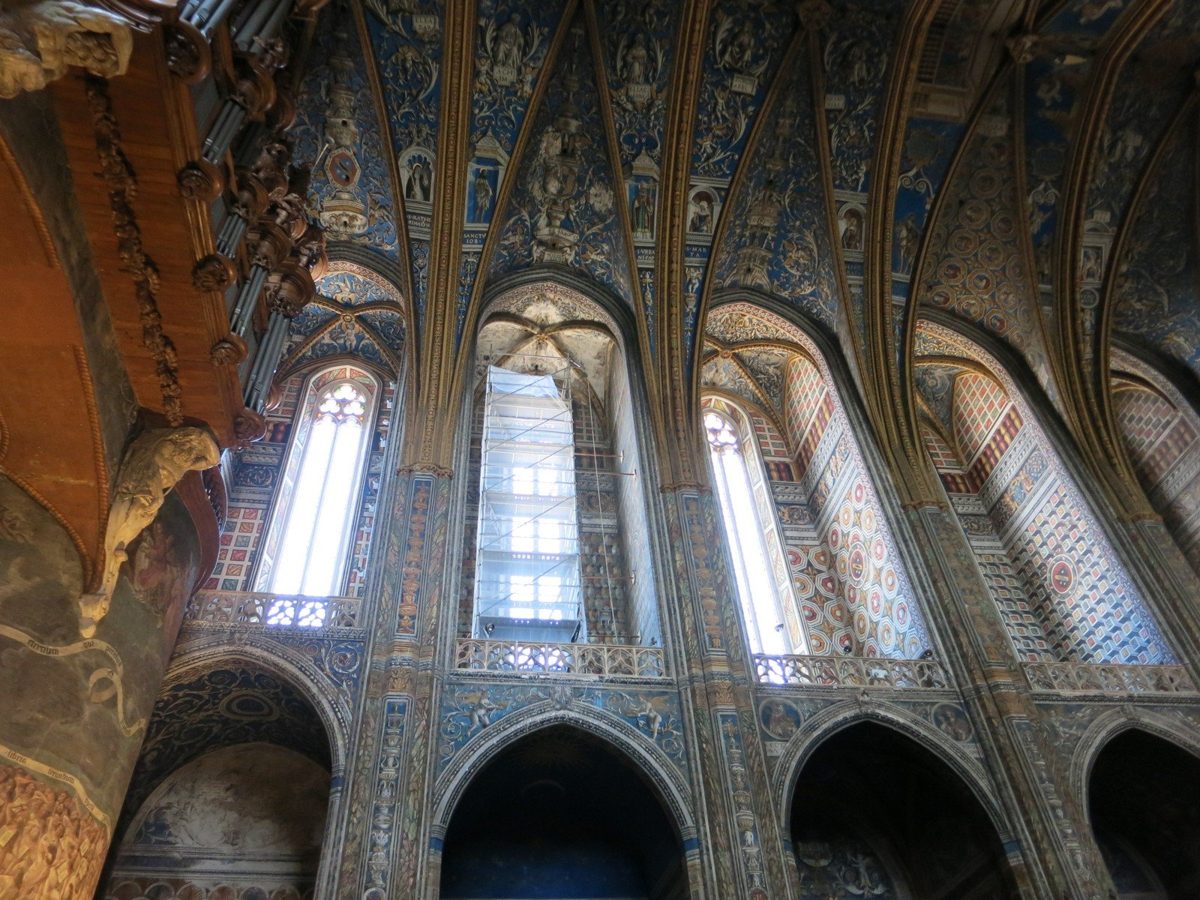
The cathedral’s substantial brick exterior prepares you for a building with a powerful presence. The interior offers another experience: painted surfaces, intricate details and a scale that rewards pausing. Make it the main morning visit rather than the last item you rush through before lunch.
Allow about 60–90 minutes as a planning estimate, depending on the areas you choose to enter and whether you take a guided visit. Check which spaces need a ticket and which are affected by services. Respectful dress and quiet behaviour are appropriate in this active place of worship. A guide or visitor resource can help connect the decoration with the building’s history.
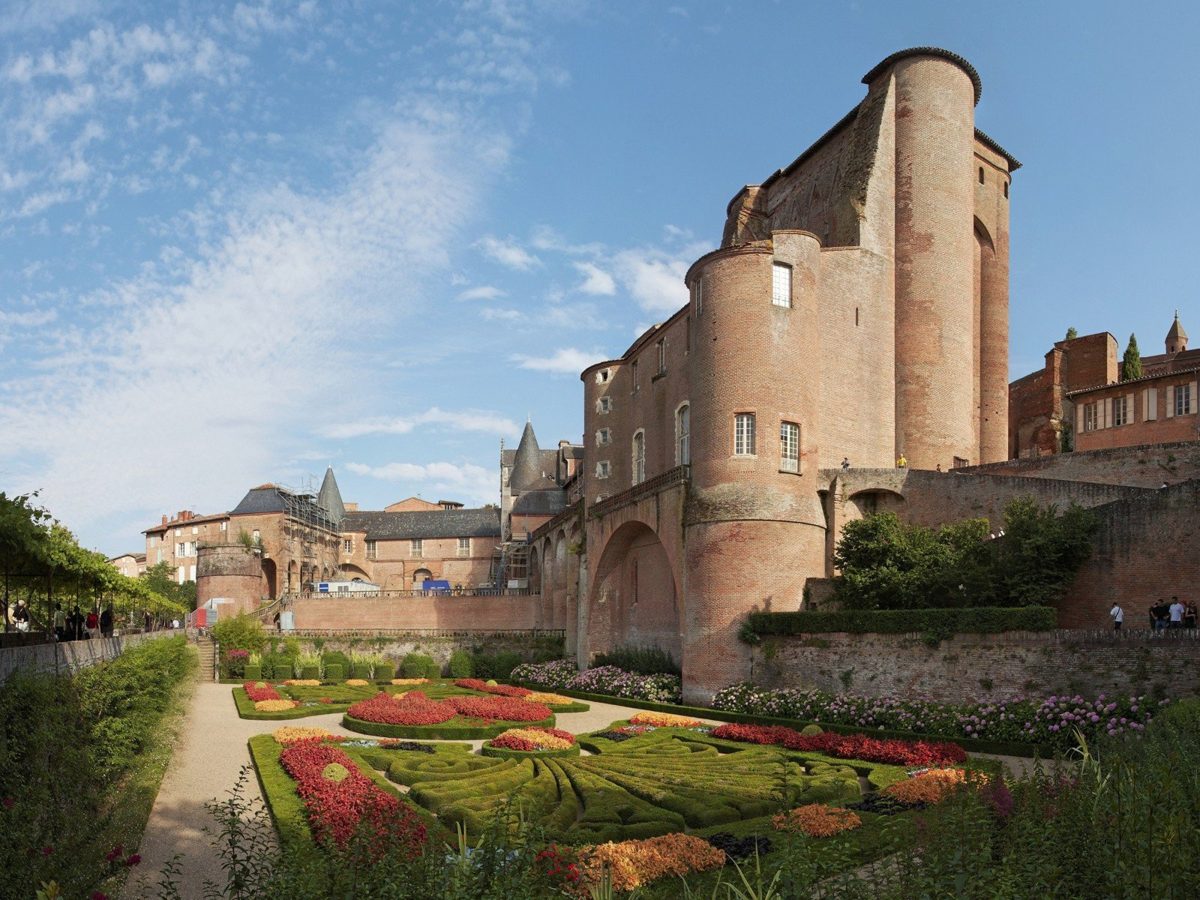
The Musée Toulouse-Lautrec occupies the Palais de la Berbie, making the building and collection part of the same visit. The museum follows the artist through paintings, drawings and printed work, including the posters that helped shape his enduring visual identity. Leave enough time to look beyond the familiar images.
Plan roughly 90 minutes to two hours for the museum, with a separate pause in the gardens overlooking the river. Palace interiors are visited through the museum rather than a separate palace-only tour. The gardens are free, while museum admission has its own conditions. The museum normally closes on Mondays from October to May; check your dates before making it the centrepiece of a short stay.
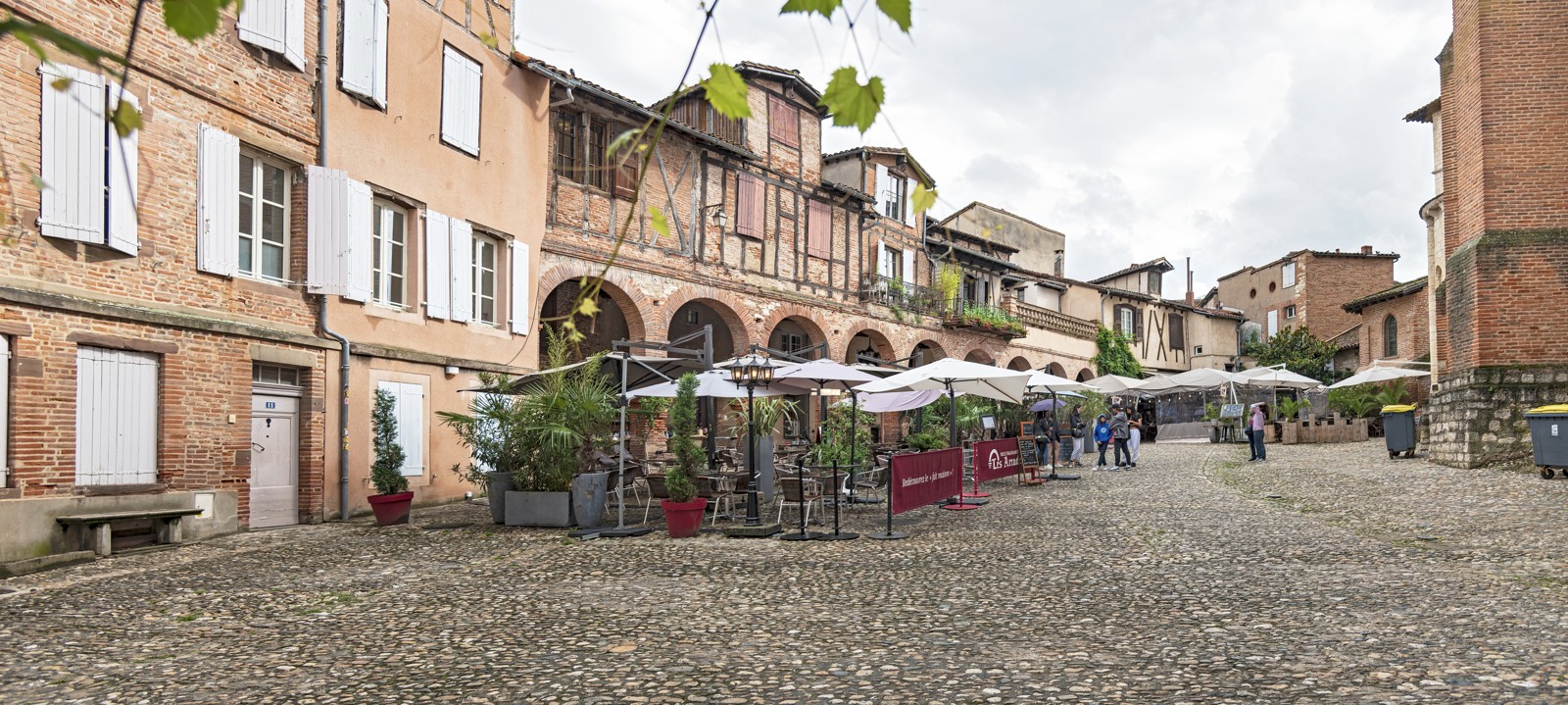
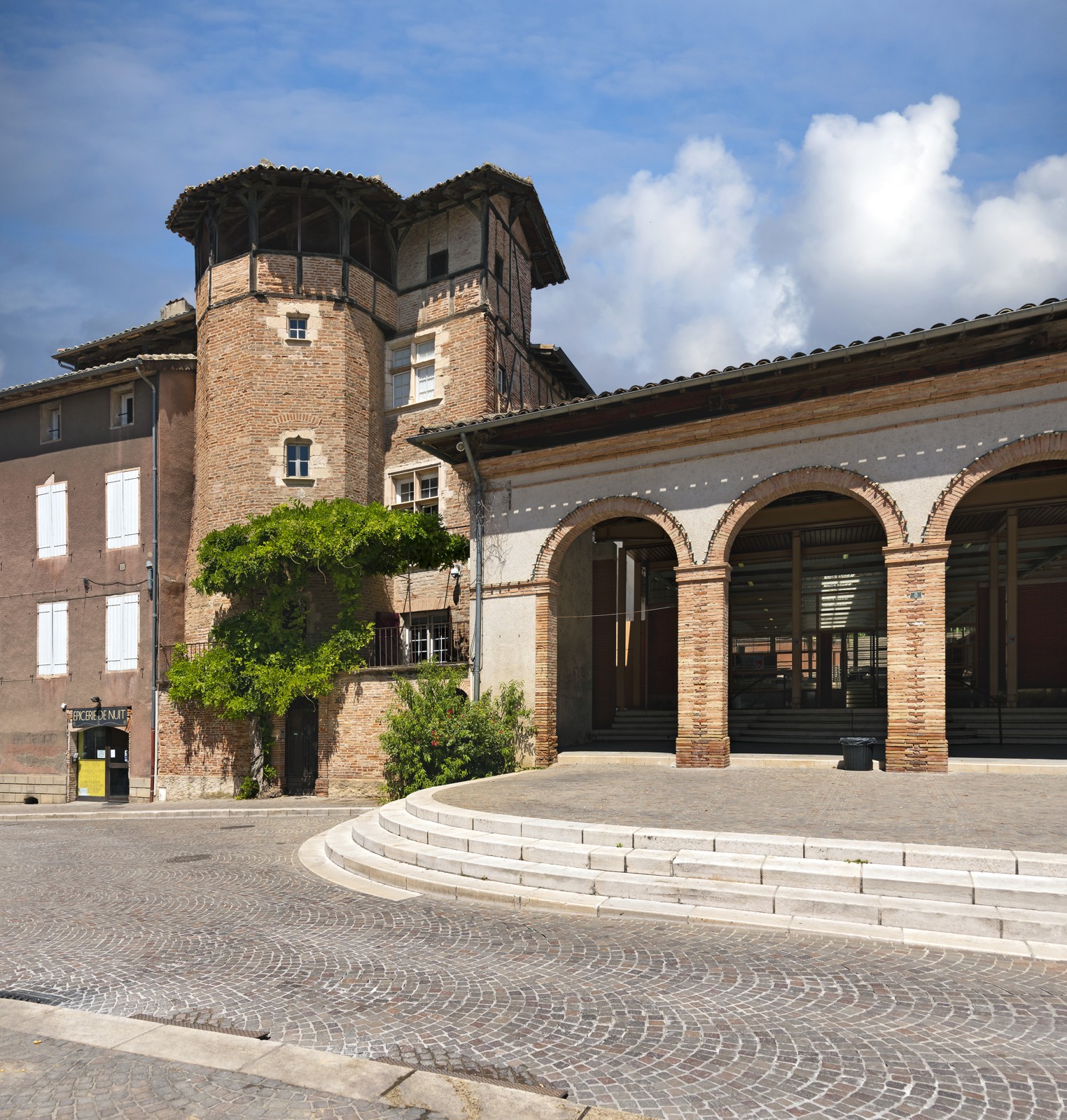
The collegiate church of Saint-Salvi and its cloister introduce a quieter rhythm after the cathedral. Look at the contrast of architectural periods, then take the surrounding streets slowly. The photograph shows the square outside the cloister, rather than its interior, and helps place this stop within the everyday town.
Allow 45–75 minutes for the church, cloister and nearby lanes, adjusting for the day’s access. Church opening can include a midday break, and worship takes priority. Add the Place Savène or the heritage streets of Castelnau if you want a longer loop. This is a good place to leave the main sightseeing schedule behind for a while, without travelling far from the central landmarks.
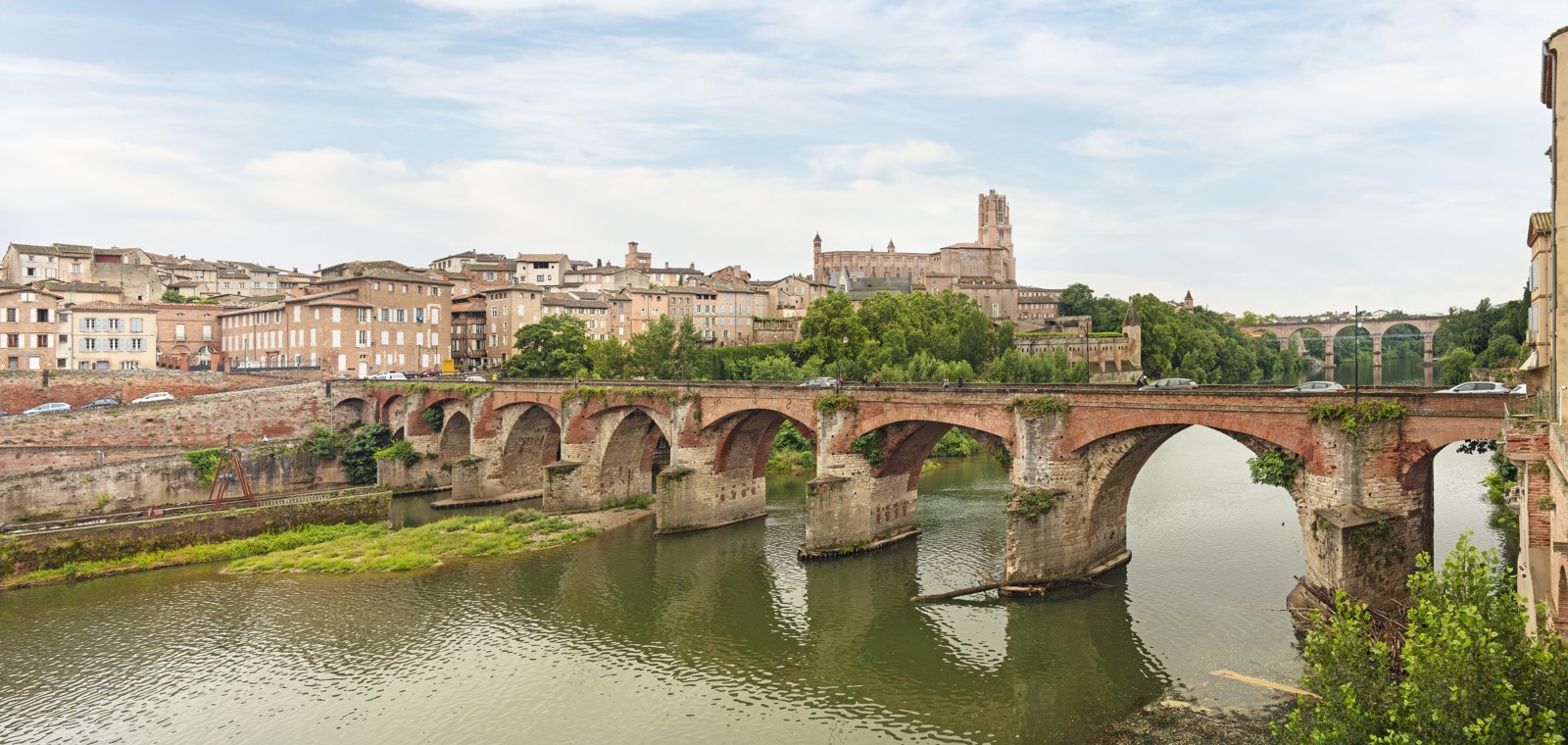
A river walk changes the perspective on Albi. From the north bank, the cathedral and the Berbie rise together above the water; from the centre, the bridge provides a natural way to extend a heritage afternoon. Choose a street-level route if lower paths or steps would be difficult for your party.
Pont Vieux reopened in June 2025 following restoration. It remains part of the working town, so follow the current pedestrian arrangements and traffic signs rather than treating the whole bridge as a pedestrian-only viewing platform. Allow about an hour for an unhurried circuit and photographs. Avoid riverbank paths if flood conditions or local closures make them unsuitable.
Cordes-sur-Ciel is a perched medieval town with fortified entrances, Gothic houses and streets that invite you to look upward. Its setting is part of the appeal, but so is the climb. Start from the lower town and explore at a pace that leaves room for craft workshops, façades and the view back across the countryside.
Allow at least half a day including travel from Albi; a full day gives more time for lunch and the surrounding landscape. Wear shoes with grip for steep paving, and check access arrangements if hills or steps present difficulties. Do not assume Cordes-Vindrac railway station is in the historic town: it lies several kilometres away, so the onward connection matters.
Gaillac offers a different day from Cordes: a town beside the Tarn, squares and historic houses, with the vineyards close enough for a planned producer visit. Begin around the Place du Griffoul, then explore the abbey complex and the river. The Maison des Vins in the abbey buildings provides a useful introduction to the local range.
The Saint-Michel abbey church is currently closed for interior restoration, with reopening indicated for 2028. This does not mean the whole abbey complex is closed; verify the museum and Maison des Vins separately. Allow a half-day for the town or a full day with an arranged vineyard visit. Confirm winery appointments and transport before setting out.
Give the morning to the cathedral and the afternoon to the museum, with lunch and the gardens between them. Alternatively, choose one major interior and use the rest of the day for a wider walk through Castelviel, Castelnau and the streets around Saint-Salvi. The tourist office’s heritage circuit provides a useful framework.
A guided walk is especially rewarding if you want to understand how the Episcopal City fits together. Reserve through the tourist office and check the language and exact starting point. Independently, keep the circuit flexible: the view from the gardens and a quiet square can be as memorable as another scheduled stop.
Make the ascent part of the experience instead of measuring the visit only by the arrival at the top. Stop to observe carved façades, browse a workshop when open and enjoy the way the streets reveal the setting. An early start can make the climb more comfortable in warmer months, without promising an empty town.
Check current workshop and museum opening days before building a route around a particular maker. For a short excursion, one longer conversation or visit is often more satisfying than entering every shop. Leave time for the descent and the return bus or drive, and choose a lunch location that fits your route.
Begin with the Maison des Vins at the abbey complex if you want context before choosing producers to visit. An organised tasting can help explain the different styles and local grape varieties. Confirm whether you need an appointment and ask what the session includes, particularly if you are travelling as a small group.
For a vineyard outing, book one or two appointments with enough space for travel and conversation. A driver or suitable arranged transport is the practical choice when tasting; everyone can enjoy the visit without relying on an unplanned rural bus connection. If you prefer not to drink, build the day around Gaillac’s streets, the Foucaud park and a confirmed museum visit.
Caroline Léna Becker · Wikimedia Commons ↗ · CC BY 3.0 ↗. Resized; display crops may apply. Share-alike terms apply where stated.
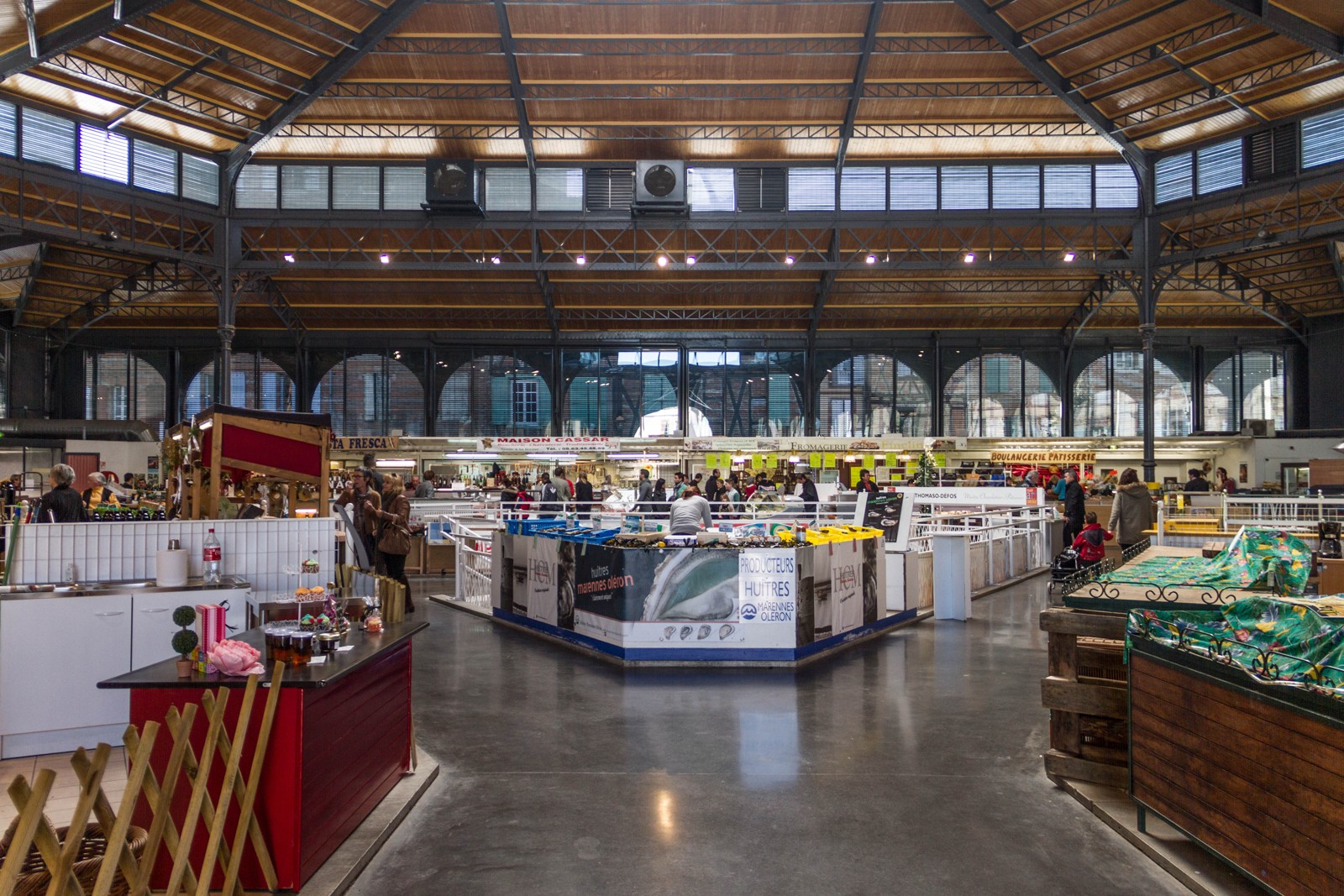
The covered market near the cathedral makes a good first stop on an Albi morning. Browse the produce and food counters, ask what is in season and choose a few items for a simple lunch if that suits your day. It works best as a pause in the city’s daily rhythm rather than another attraction to complete quickly.
The city lists regular opening from Tuesday to Sunday, usually 7am–2pm, with a 6am start on Saturday. Visit in the morning and check holiday arrangements before relying on a specific counter. Saturday can offer a livelier market atmosphere; leave more time for browsing if food is a priority.
Ask before photographing people or individual stalls, and bring a small bag for purchases. If you plan a museum visit afterwards, keep shopping modest or return to your accommodation first. A market browse, cathedral visit and lunch make a coherent morning without adding a drive out of town.
Choose a central brasserie, a dedicated meal at La Réserve or creative cooking at L’Épicurien. Check menus, opening dates and dietary arrangements directly; reservations are recommended when a particular meal matters to your trip.
AI-generated illustration based on the establishment’s official visual references. Representative view; confirm the current room or dining space directly.
Central brasserie
Alchimy
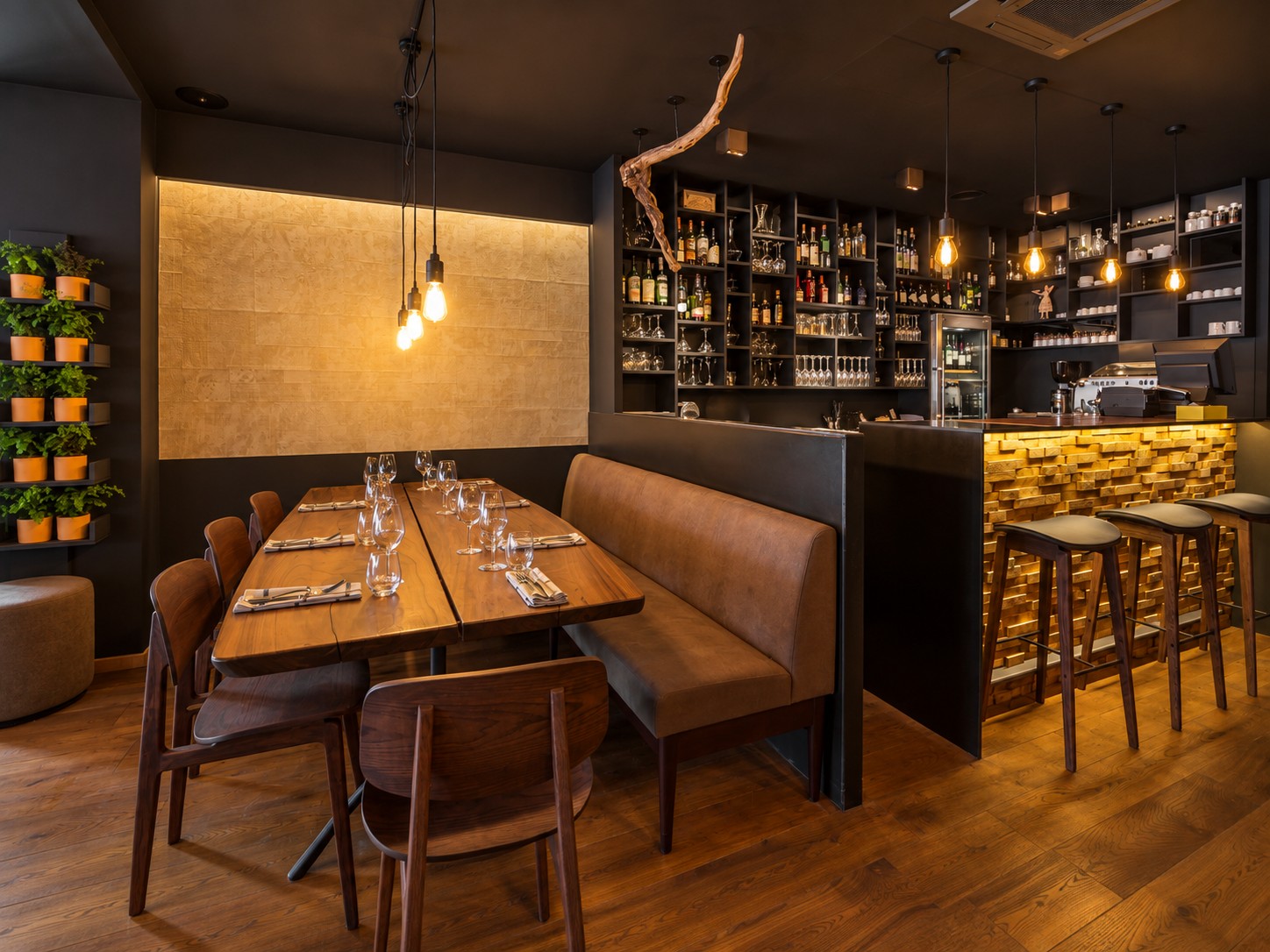
Alchimy is a useful central choice when you want a brasserie meal close to the cathedral and old streets. Its setting gives lunch or dinner a clear place in the day, with an indoor dining room and terrace arrangements to confirm when booking. Choose it for a relaxed restaurant stop alongside sightseeing.
Check the current menu and service times directly rather than expecting the same dishes throughout the year. Tell the team about dietary requirements when reserving, and ask which dining area your booking covers if the setting matters to you. Staying elsewhere does not prevent you from considering the restaurant. The representative illustration is based on an official visual reference.
AI-generated illustration based on the establishment’s official visual references. Representative view; confirm the current room or dining space directly.
A meal outside the centre
La Table de La Réserve
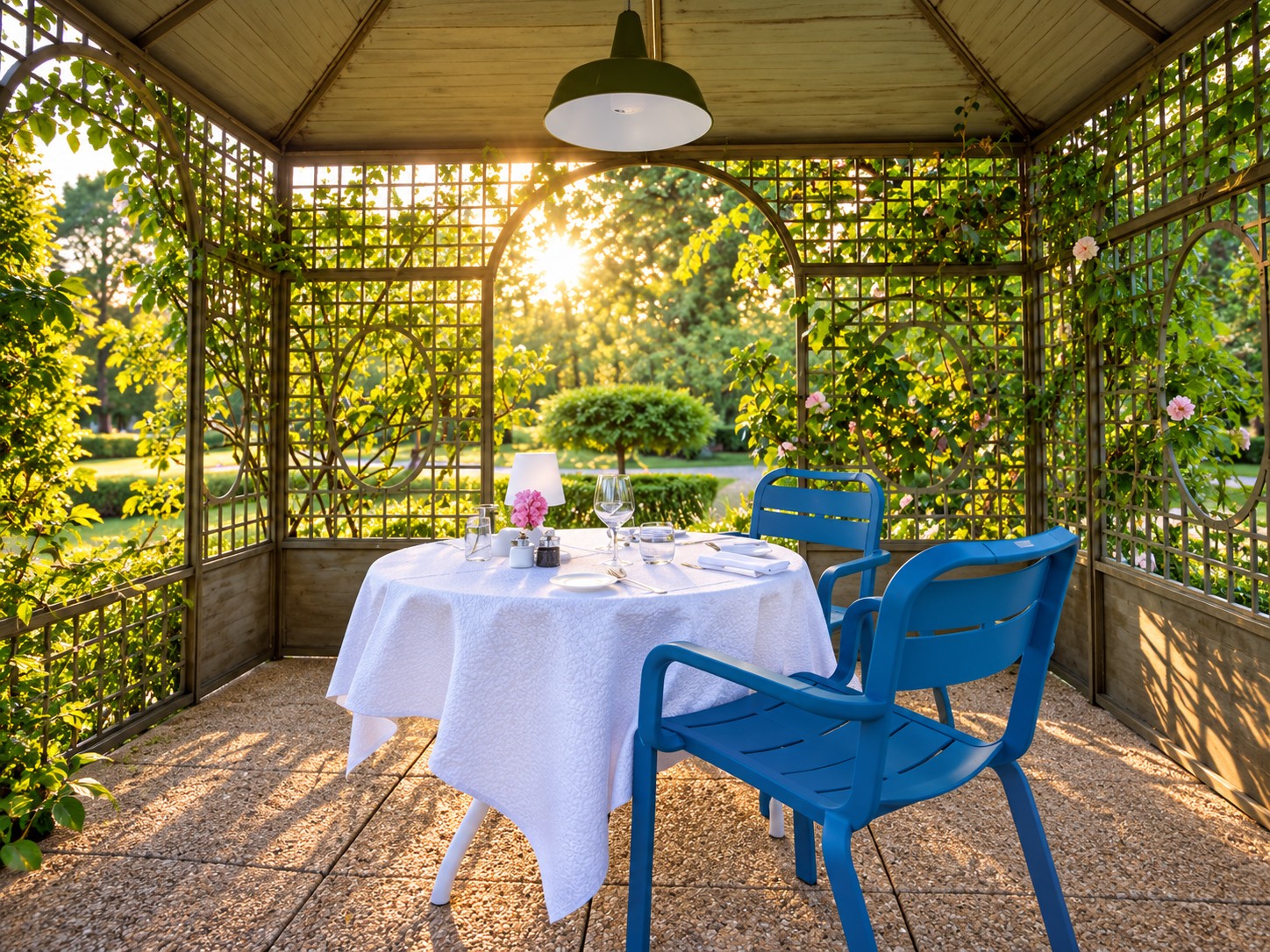
The restaurant at La Réserve suits an occasion when the surroundings are part of the plan. The hotel lies outside central Albi, with landscaped grounds beside the Tarn, so this is a deliberate outing rather than a restaurant you happen to pass between the cathedral and museum. Allow travel time both ways.
Reserve ahead and confirm the seasonal menu, service dates and exact table setting. A pavilion or terrace shown in promotional imagery does not guarantee that every booking uses that space. Ask about weather alternatives and transport back to your hotel. This choice works particularly well when you want one substantial dinner with a slower evening around it.
AI-generated illustration based on the establishment’s official visual references. Representative view; confirm the current room or dining space directly.
Creative cooking & wine
L’Épicurien
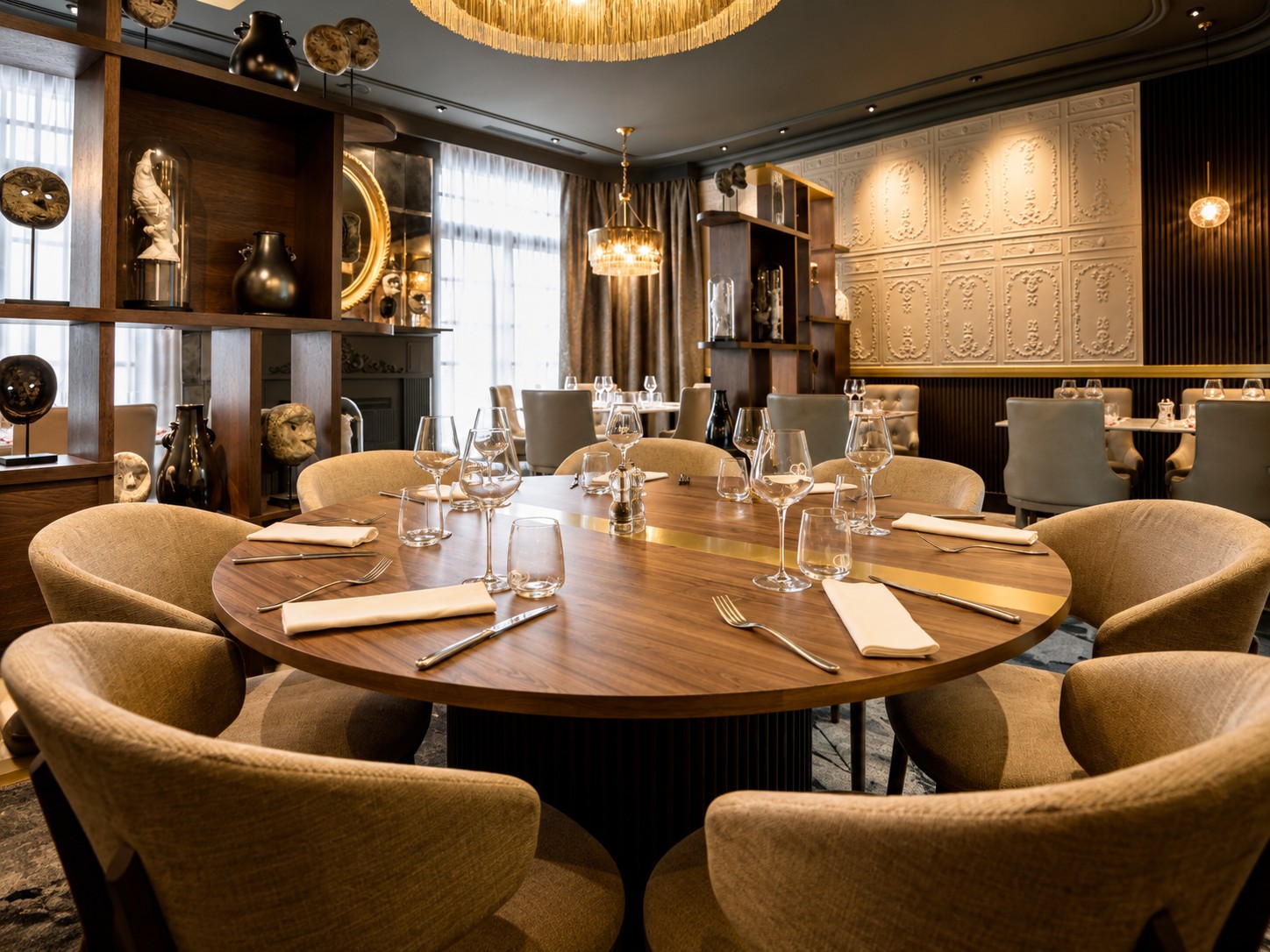
L’Épicurien, on Place Jean-Jaurès, is a central address for creative cooking and a wine-focused meal. Chef Rikard Hult’s approach makes it a useful contrast to a traditional brasserie. It fits a visit where the restaurant is one of the reasons for coming, with the remainder of the evening left unhurried.
Menus and available services change, so use the restaurant’s own reservation information to choose your date. Discuss vegetarian or other dietary requirements before arrival rather than assuming every menu can be adapted immediately. Ask for wine advice if you want a guided choice. Book directly and confirm the table; the illustration conveys the referenced interior without promising today’s exact arrangement.
Central convenience, a hotel with grounds outside town and a north-bank river setting offer three distinct bases. Select your room using current official photographs and booking details. The establishment illustrations are representative and clearly labelled.
AI-generated illustration based on the establishment’s official visual references. Representative view; confirm the current room or dining space directly.
Four-star · historic centre
Alchimy
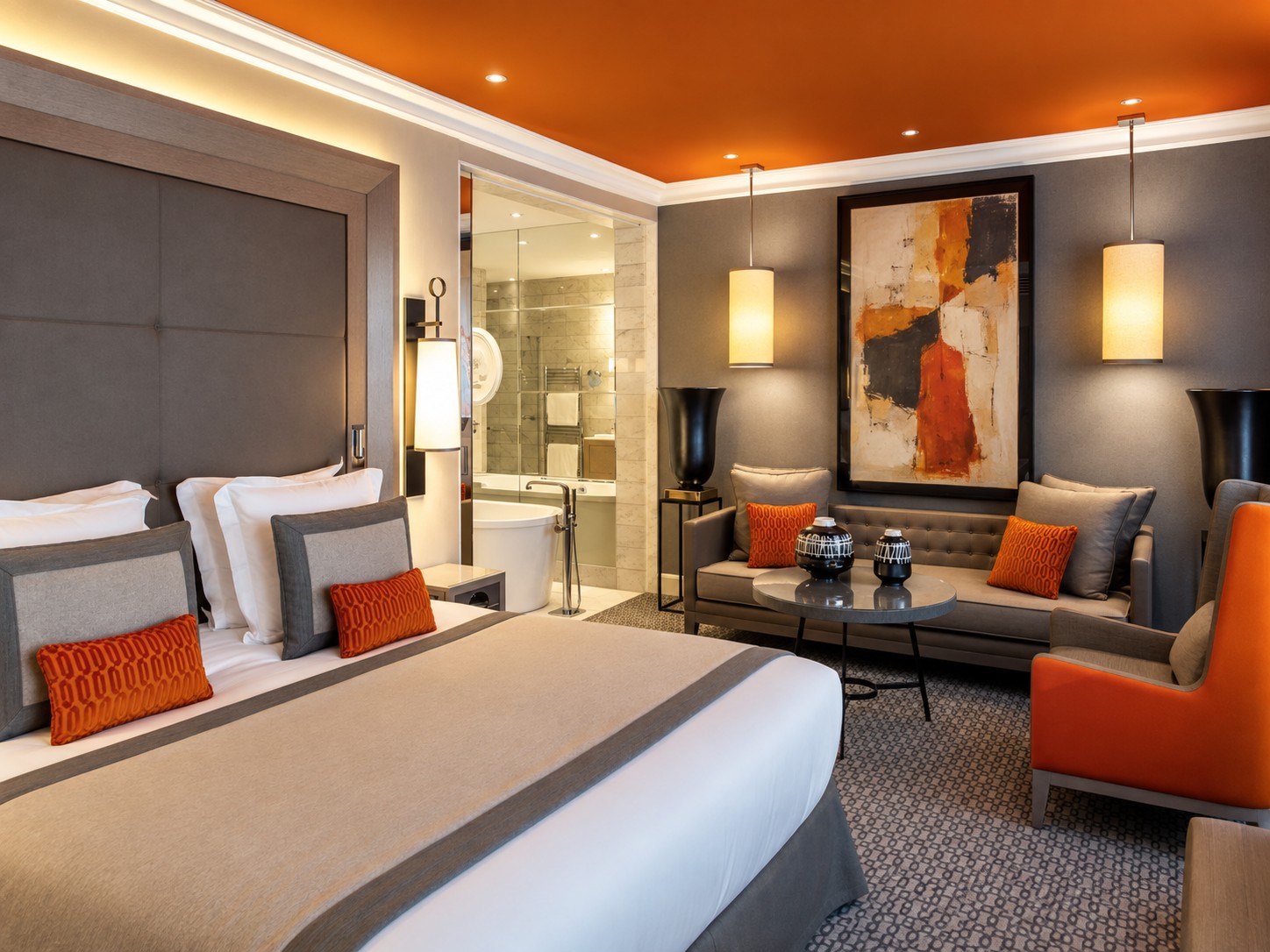
Alchimy is an appealing base if your priorities are central walking and a smaller hotel with an individual setting. Its Place du Palais address puts the cathedral and heritage streets close at hand, with the hotel’s restaurant available as a convenient meal option. It suits travellers who like returning to their room between visits.
Confirm the exact room category, lift and bathroom arrangements before booking. The hotel advertises private garage parking; ask about availability, cost and the entrance before driving into the centre. A representative bedroom illustration cannot stand in for the actual room assigned to you. Compare current official photographs and ask about street noise or specific access needs.
AI-generated illustration based on the establishment’s official visual references. Representative view; confirm the current room or dining space directly.
Five-star · riverside grounds
La Réserve
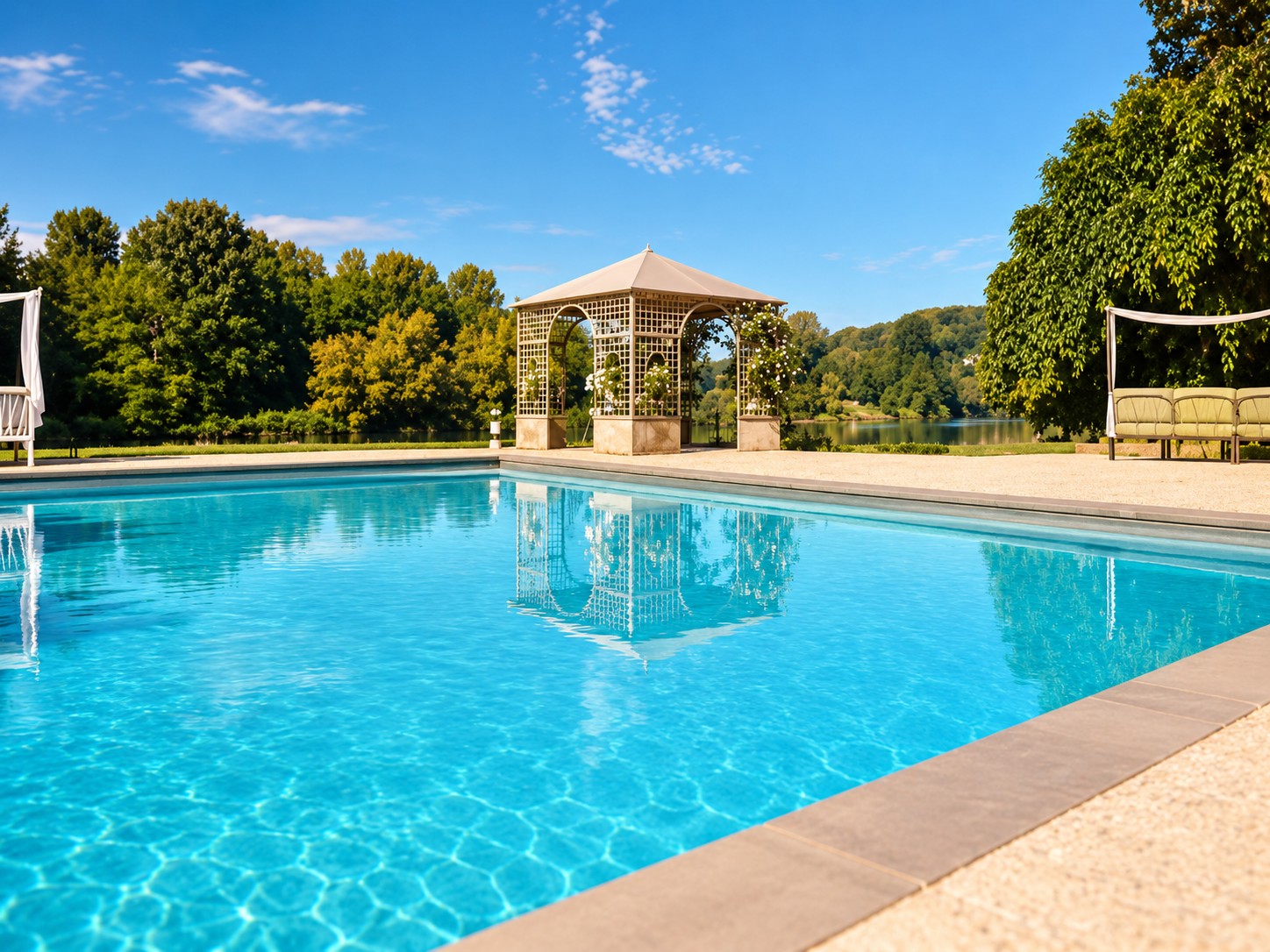
La Réserve offers a different stay: a five-star hotel roughly three kilometres from central Albi, with extensive grounds and an outdoor pool. Choose it when time at the hotel, garden surroundings and a quieter base are priorities. It can work well with a car and regional outings, while central evenings need a transport plan.
Check the season and conditions for pool use, room categories and restaurant opening before booking. Ask about the hotel’s parking options and any arrangements for journeys into town. Rooms and suites differ, and a pool illustration does not guarantee the view from your accommodation. For a short city visit, weigh the setting against the convenience of walking out directly into the centre.
AI-generated illustration based on the establishment’s official visual references. Representative view; confirm the current room or dining space directly.
Four-star · north-bank setting
Mercure Albi Rives du Tarn
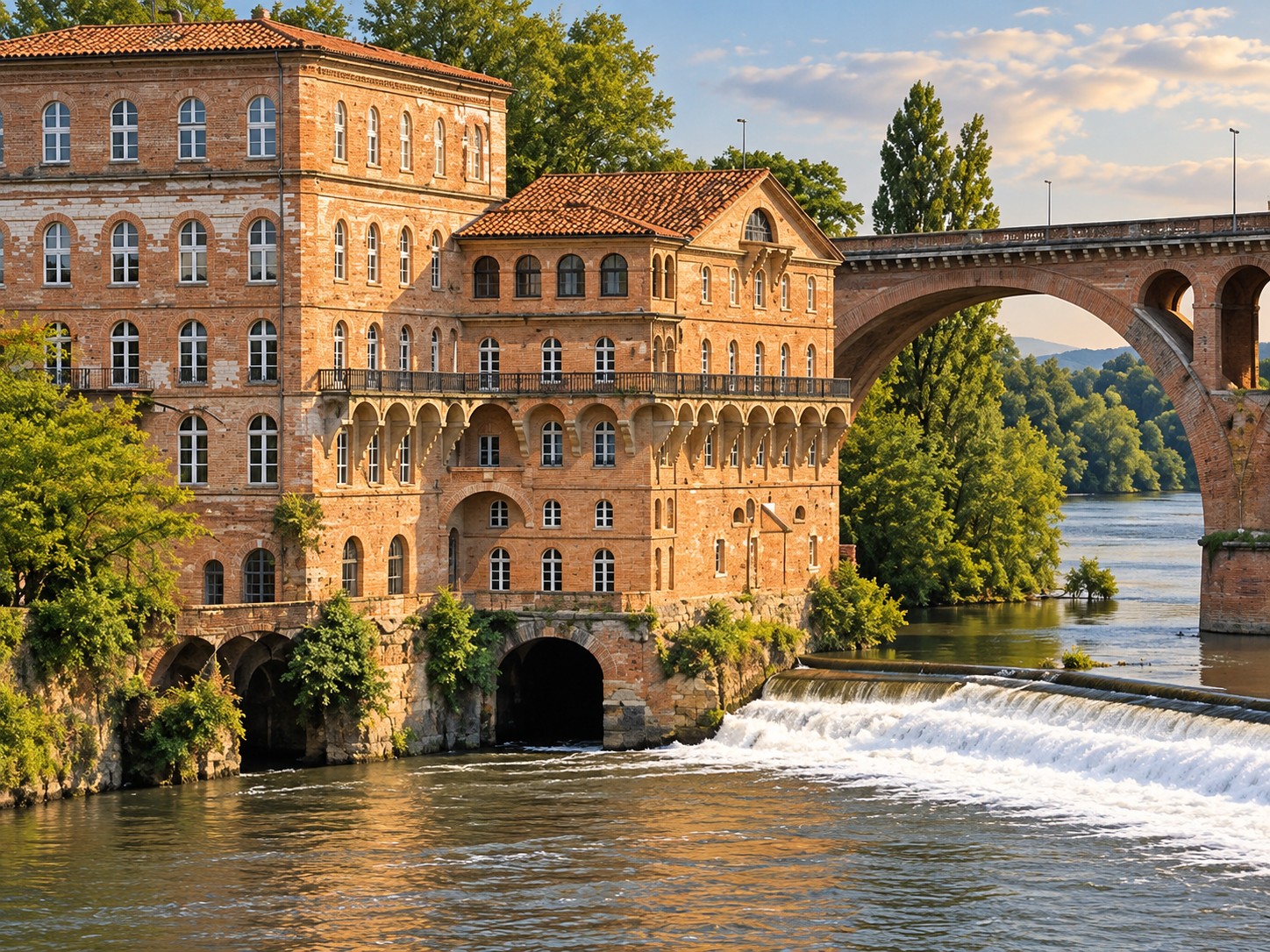
The Mercure Albi Rives du Tarn occupies a historic mill on the north bank, with the river separating it from the Episcopal City. It is a practical option for travellers who want a recognised hotel brand and the opportunity to see Albi from across the water. The current official name replaces the older Les Bastides name found in some references.
Compare river-facing and other room categories carefully; the façade view does not imply that every room has the same outlook. Confirm parking, accessibility and the walking route to the centre, particularly with luggage or limited mobility. Ask the hotel about its current restaurant and terrace arrangements if you plan to eat on site.
A good period for combining heritage with countryside walks. Keep a light layer and an indoor alternative for wet days. Verify museum opening days and producer availability before arranging a full regional itinerary.
June–August
Summer
Start the climb in Cordes early and make room for shade, water and a midday rest. Book the meals and rooms you most want in advance. Vineyard appointments and town visits need realistic travel time in warm weather.
September–November
Autumn
An appealing season for art, food and vineyard landscapes. Harvest activity can affect producer availability, so arrange visits directly. Museum hours shift with the season, including the normal Monday closure in Albi from October.
December–February
Winter
Build a shorter stay around the cathedral, a confirmed museum opening and good meals. Allow for reduced daylight and quieter workshop schedules in Cordes. Check seasonal hotel and restaurant operations before reserving a countryside base.
How long to stay
One full day
Stay within Albi. Choose the cathedral and museum as the two main visits, with lunch, the gardens and a river view between them. If you prefer more walking, replace one interior with Saint-Salvi and a wider heritage loop.
Two to three nights
Give Albi a full day and choose Cordes or Gaillac for the next. A third sightseeing day allows the other excursion without shortening the central visits. Arrival and departure times determine how much you can comfortably fit.
Four nights or more
Leave room for both regional outings, a producer visit and a slower day at your chosen base. Add further Tarn stops only after checking distances and opening dates; a longer stay is also a chance to revisit Albi at different times of day.
Getting there & getting around
Arrival in Albi
Regional trains connect Toulouse-Matabiau with Albi Ville; journey times are often around an hour, depending on the service. Look up your exact date and arrival station before booking. Choose the transfer from the station to your hotel according to luggage, walking comfort and the precise address.
For a city-focused stay, a car is usually unnecessary once you are based centrally. If arriving by road, organise parking before entering the heritage streets. Travellers arriving through Toulouse should allow for the whole airport-to-railway connection, rather than considering only the Albi train journey.
Gaillac is accessible by regional train, making a town visit possible without a car. Rural wineries require a separate transport plan. Cordes-sur-Ciel is served from Albi by liO bus 707; consult the dated timetable for operating days and the return service. Do not assume buses run with the same frequency every day.
Cordes-Vindrac station lies about four kilometres from the historic hill town. Check an onward connection rather than arriving there expecting a short walk into the upper streets. A car gives more flexibility for the countryside, but the steep final approach in Cordes remains part of the visit. Arrange a driver when vineyard tastings are central to your day.
Use one parking base for your Albi sightseeing day. Check hotel instructions and the exact garage entrance before arrival, then explore the compact heritage centre on foot.
Central Albi
The tourist office lists central options including Marché Couvert, Vigan, Les Lices and Jean-Jaurès. Choose by your actual route and vehicle dimensions, then verify prices, opening and access directly. Do not expect to park immediately outside every historic building.
Hotel arrangements
Ask Alchimy about its private garage, La Réserve about parking within the grounds and the Mercure about its current on-site arrangements. Confirm whether a space is reserved with your room and how luggage drop-off works; availability should not be inferred from a general parking mention.
Cordes & access needs
Most visitors park below the historic town and continue uphill. Check the current visitor parking and seasonal transport options before arriving. For Albi garages, accessibility differs: Jean-Jaurès does not have a lift, so compare the full route if stairs are a concern.
Start with the cathedral, then take a proper lunch break. Visit the Toulouse-Lautrec museum and pause in the Berbie gardens. Finish with a river view if energy and weather allow. Check museum opening before choosing the day.
Market & old streets
A slower city day
On a market opening morning, browse the covered hall before exploring Saint-Salvi and the nearby lanes. Choose one smaller visit or a guided heritage walk, then leave time for a café and a booked dinner. Keep the car parked.
Hill town & workshops
A Cordes day
Travel out with the return journey already planned. Climb slowly, explore the upper streets and have lunch. Add a workshop or museum that is confirmed open. Leave a comfortable margin for the descent before your bus or onward drive.
Town & wine country
A Gaillac day
Begin in the old town and around the abbey complex, remembering that the church interior is closed for restoration. Choose a booked wine introduction or museum visit. Add a vineyard appointment only with transport and enough time arranged.
Practical details that make the stay easier
Before you arrive
Match the museum calendar to your stay, especially for Mondays in the cooler months. Book the restaurant that matters most and confirm any vineyard appointment directly. Keep hotel parking instructions with your arrival details so the final drive does not become an improvised tour of narrow streets.
If you need step-free access, ask about the complete experience: historic entrances, internal stairs, toilets, room access and the walk between sights. Cordes requires particular care because its slopes are part of the town’s character. A short adapted route can be a better choice than committing to the full climb without information.
During the visit
Wear comfortable shoes for paving and carry water in warm weather. Leave time between the cathedral and museum so lunch or a garden pause does not become rushed. Respect church services and any photography restrictions in interiors. Ask before photographing market traders or workshop activity.
Check lunch and dinner service rather than assuming a restaurant serves continuously. On a bus excursion, note the exact return stop and allow time to reach it. Keep lower river paths flexible when weather changes. Before leaving Albi, confirm the route to your station or car instead of adding one last distant stop.
Find the Tarn’s own pace
See the skyline from both banks. The north-bank view helps connect the cathedral, palace and bridge after you have visited them at close range.
Choose one major interior per half-day. The cathedral and the Toulouse-Lautrec collection both reward attention. A pause between them keeps the day enjoyable.
Let Cordes set the walking pace. Its steep streets call for shorter stages and time to stop. Leave room for a workshop rather than treating the summit as the only goal.
Book the wine day before travelling. A confirmed appointment and return transport make Gaillac’s vineyards far easier to enjoy than a series of unannounced stops.
Frequently asked questions
Can I visit Albi without a car?
Yes. Albi works well as a walking stay reached by regional train. Gaillac can also be visited by train, while Cordes requires checking bus 707 or another onward connection. Rural wineries need more planning.
Is Albi possible as a day trip from Toulouse?
Yes, with the rail timetable checked for your date. Focus on the centre and choose the cathedral plus one substantial museum visit. An overnight stay gives more time for restaurants and the river at a quieter pace.
How much time should I allow for Cordes-sur-Ciel?
Allow at least half a day including travel from Albi. A full day leaves room for lunch, workshops and a slower climb. Check the return connection and suitability of the steep streets for your party.
Can I visit Saint-Michel abbey in Gaillac?
The abbey church interior is closed for restoration, with reopening currently indicated for 2028. Other parts of the abbey complex, including the Maison des Vins and museum, have separate access arrangements to verify.
Is the Toulouse-Lautrec museum open on Mondays?
The normal calendar closes the museum on Mondays from October to May, with daily opening in the summer period. Confirm the current calendar and any holiday exceptions before travelling.
Which hotel location should I choose?
Alchimy suits central walking, the Mercure offers a north-bank setting, and La Réserve provides grounds outside town. Compare the precise room, access and evening transport rather than choosing only by star rating.
Are the hotel and restaurant images booking photographs?
The six establishment visuals are labelled AI-generated illustrations based on official references. They convey the setting but do not guarantee a current room, table or décor. Use official booking photographs for your final selection.
Make the Tarn part of your France trip
France. Well Planned.
A cultural stay with room for the countryside.
Combine Albi with the Occitanie places that interest you, then shape the trip around comfortable travel days, a well-chosen base and the visits and meals you most want to enjoy.
Information reviewed on 4 October 2026. Visit durations are editorial planning estimates. Opening calendars, transport, menus and hotel arrangements can change; confirm directly before travel. No fixed room or meal price is promised.
Real monument and market photographs carry their individual author and licence credits below the images. They have been resized and may be cropped for display; share-alike obligations apply where stated. Hotel and restaurant illustrations were generated from inspected official references and are clearly labelled. Confirm the present-day décor, room category and dining arrangements using each establishment’s official website.