A thoughtful journey through the landing beaches, memorials and landscapes of Normandy
Explore the D-Day coast with time to understand what happened here. Choose a coherent sector, combine outdoor sites with a well-chosen museum, and leave space for remembrance rather than rushing between every name on the map.
Best stay2–4 nightsBayeux or the Bessin coast for a central base
First visitOne sector per dayDepth matters more than the number of stops
Getting aroundCar or guided tourArrange transport before leaving the railway station
Current worksCheck before travelPointe du Hoc and Pegasus access is affected
The D-Day beaches are not a single attraction. Utah, Omaha, Gold, Juno and Sword form a wide coastal landscape of beaches, villages, museums, cemeteries and inland sites. Each tells a different part of the Allied landings of 6 June 1944 and the subsequent Battle of Normandy. A satisfying visit connects those places into a story rather than treating them as interchangeable photo stops.
Start with your interests. A family connection, a particular national experience, the airborne operations or the logistics of the artificial harbour can all provide a clear thread. For a first visit, one carefully selected museum, a beach and a memorial often make a stronger day than several museums in succession.
Bayeux is a useful base for many central and western coastal visits, with restaurants and an attractive town to return to. Port-en-Bessin and the surrounding countryside offer a different atmosphere. Utah and the eastern Sword sector deserve their own time; allow for the distance and avoid repeatedly crossing the whole coast.
Where to Go & What to See
AI-generated photorealistic view.
Landscape and remembrance
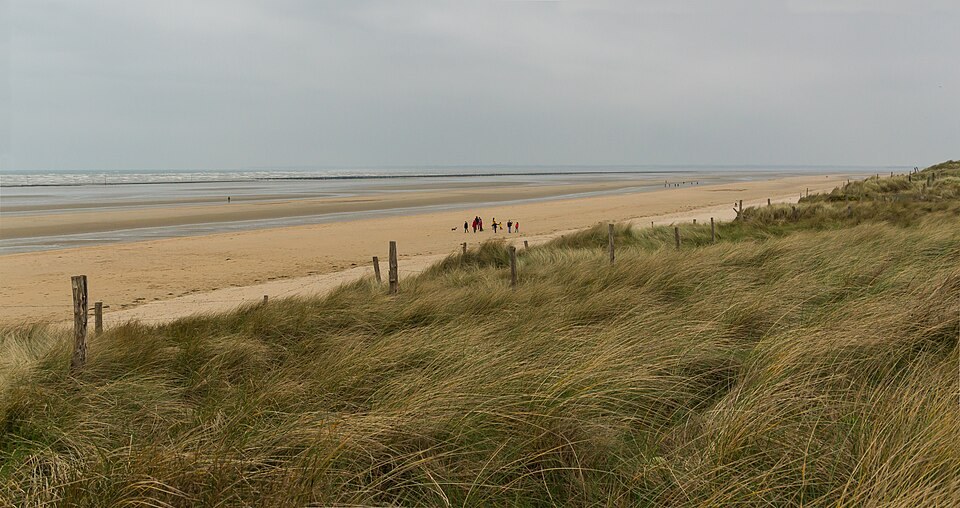
Omaha Beach and the American Cemetery
Spend time at Omaha Beach before or after the Normandy American Cemetery at Colleville-sur-Mer. Seeing the shoreline and the higher ground helps make sense of the landscape, while the cemetery and visitor centre place individual lives at the centre of the visit.
The cemetery is free to visit. Check the current ABMC entry conditions and closing time; the pathway directly from the cemetery to the beach is closed, so use a separate public beach access. Arrange return transport in advance if visiting without a car.
The Utah Beach Landing Museum and the Airborne Museum at Sainte-Mère-Église make a coherent pairing for a full day focused on the American landing and airborne operations. Both merit a substantial visit, with time outdoors between them.
Utah’s operator suggests around one-and-a-half to two hours in the museum; the Airborne Museum also recommends roughly two hours. Add travel, lunch and a beach pause, and this is already a complete day. Check seasonal opening and last admission at each.
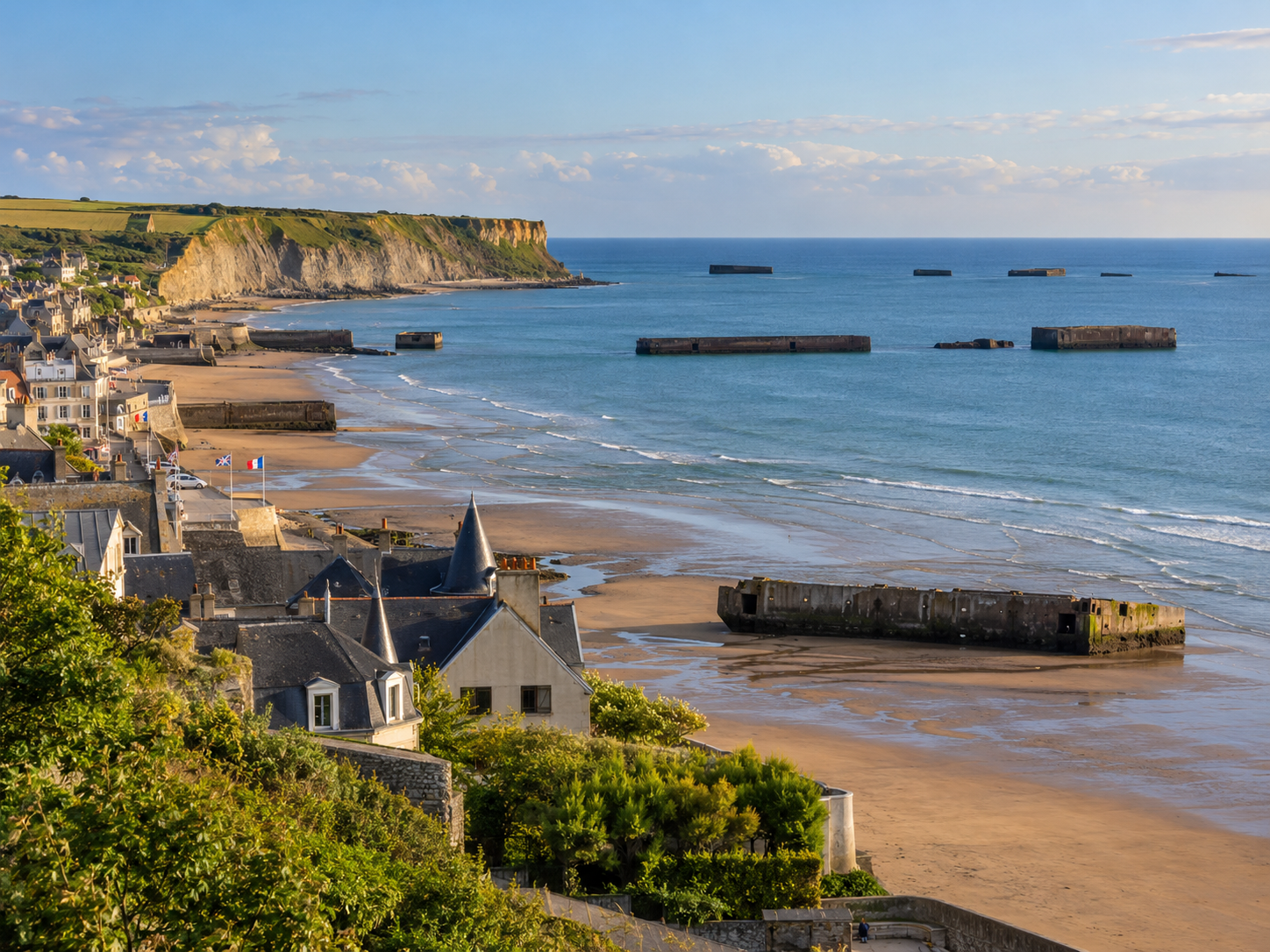
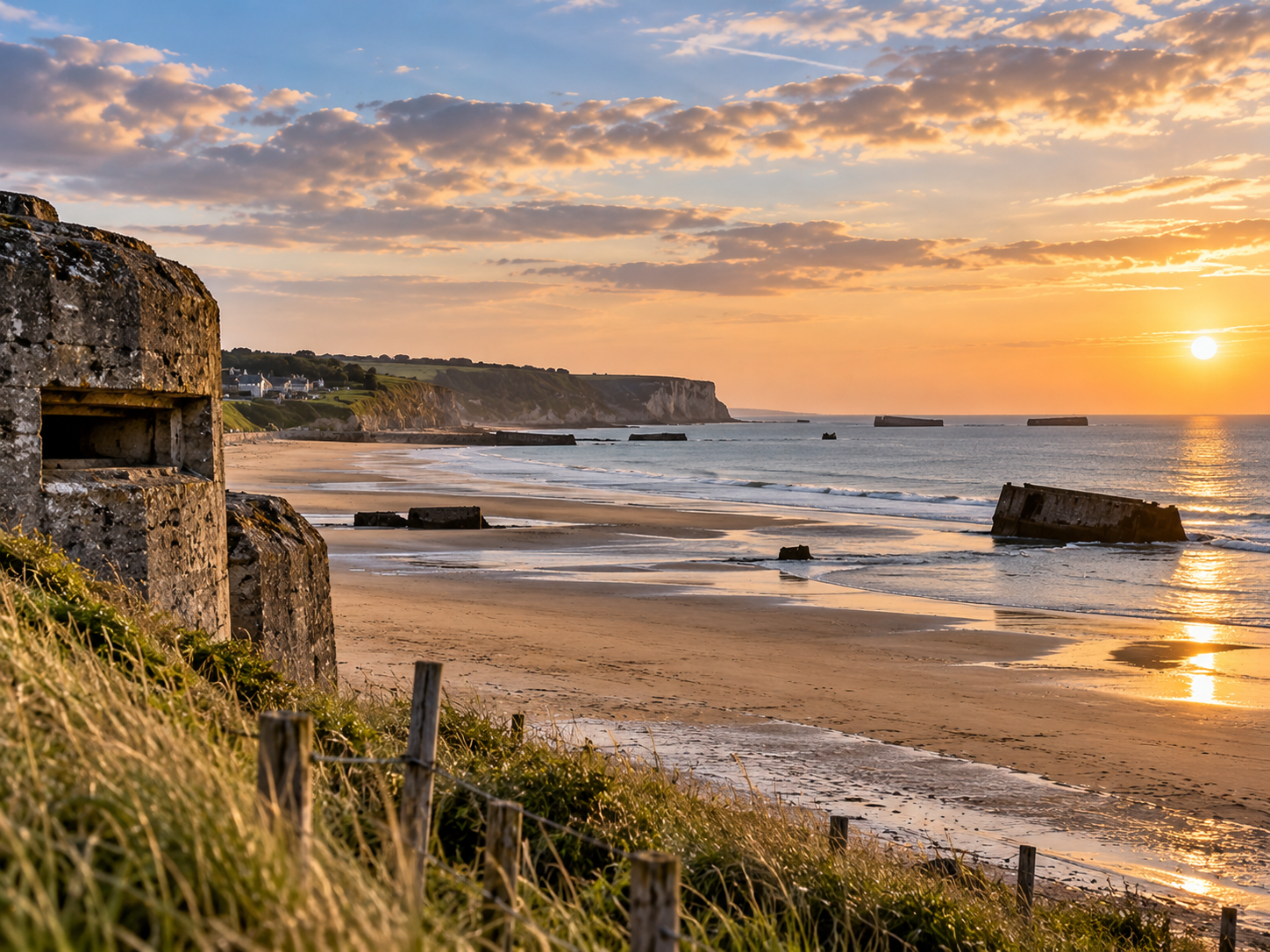
At Arromanches, the remains of the artificial harbour and the Musée du Débarquement help explain the immense logistical effort after the landings. Start with the museum or the shore according to the weather, then connect what you have learned with the visible bay.
Allow about ninety minutes for the museum and additional time for the seafront. The current operator sells individual tickets at the museum; check its latest arrangements. The water level changes what you can see, but do not climb on historic remains.
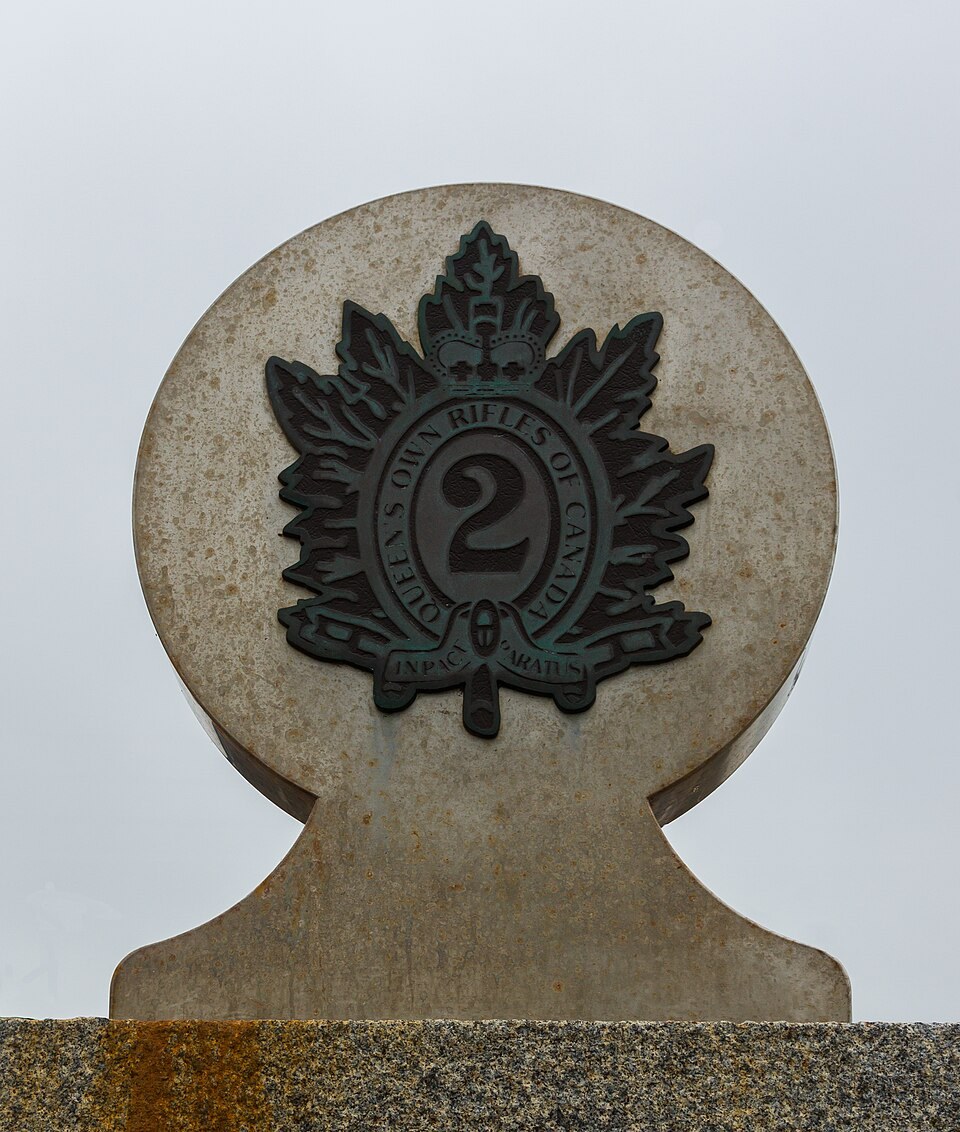
The Juno Beach Centre at Courseulles-sur-Mer offers the Canadian perspective. Its guided Juno Park visits provide access to the observation bunker and command post; those interiors are not independently accessible. Reserve or check available guided places for your date.
At Ver-sur-Mer, allow quiet time at the British Normandy Memorial overlooking Gold Beach. It is free to visit, with paid parking and a walk from the car park. Check current road access and seasonal visitor-centre services before setting out.
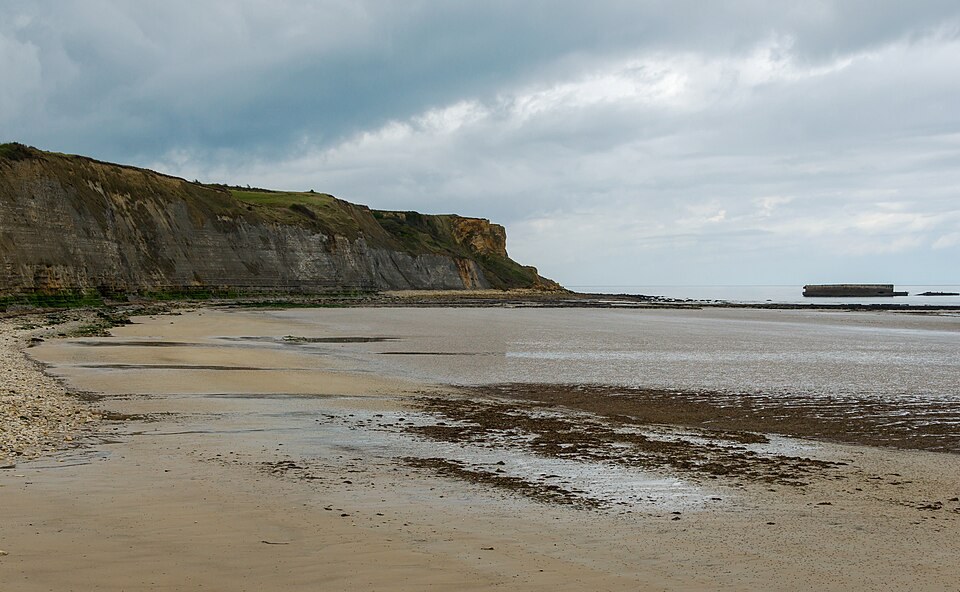
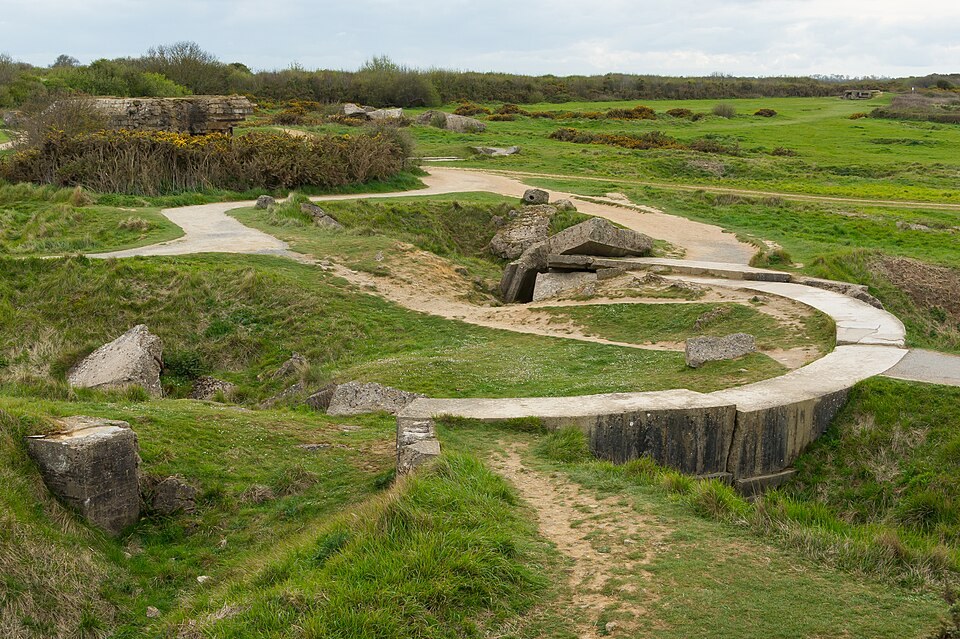
Pointe du Hoc helps visitors understand the dramatic cliff setting associated with the Rangers. Stay on marked public routes and give yourself time to read the interpretation rather than treating the terrain as a playground.
Current planning note, reviewed October 2026: ABMC’s restoration project is expected to continue into mid-2027. The visitor centre is closed, parking is disrupted and parts of the historic site are inaccessible. Check the project page for the route actually open on your date.
The eastern sector adds another perspective on the landings and the British airborne operations inland. It is best approached as a separate day or as part of a route based nearer Caen, rather than a rushed final stop after Utah.
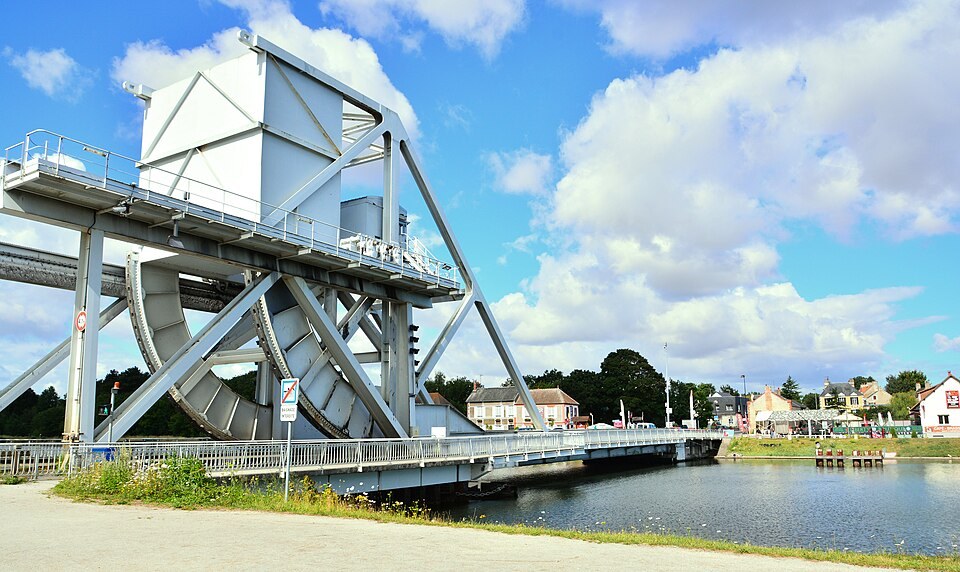
Current planning note: the Mémorial Pegasus is closed for works from September 2026, with the regional tourism office announcing a closure through May 2027. Verify reopening before including the museum in a booked itinerary. Nearby public areas do not substitute for access to its collections.
A knowledgeable guide can connect the topography, military decisions and personal stories in ways that separate museum visits cannot. Tell the operator your interests in advance and ask which stops are genuinely included, how much walking is involved and whether museum admissions are extra.
Choose a route that leaves time to listen and reflect. Confirm collection and return points, particularly if arriving by train. A tour described as covering all five beaches may offer much less time at each than a focused sector visit.
AI-generated photorealistic view.
Short, deliberate walks
Read the landscape on foot
A short walk along an open beach or a designated site path can clarify distance and exposure better than another hour in the car. Pair it with reliable interpretation so the landscape has meaning.
Stay on permitted paths, respect fences and signs, and avoid cliff edges or unstable remains. Wind and tide change the practical conditions. Never collect objects or disturb memorials, ruins or ground that may contain historic material.
AI-generated photorealistic view.
Space to absorb the visit
Balance the day with Bayeux or the harbour
After an emotionally demanding day, a simple town walk or an unhurried meal can be the right conclusion. Bayeux’s historic centre or the harbour at Port-en-Bessin offers a change of pace without needing another major attraction.
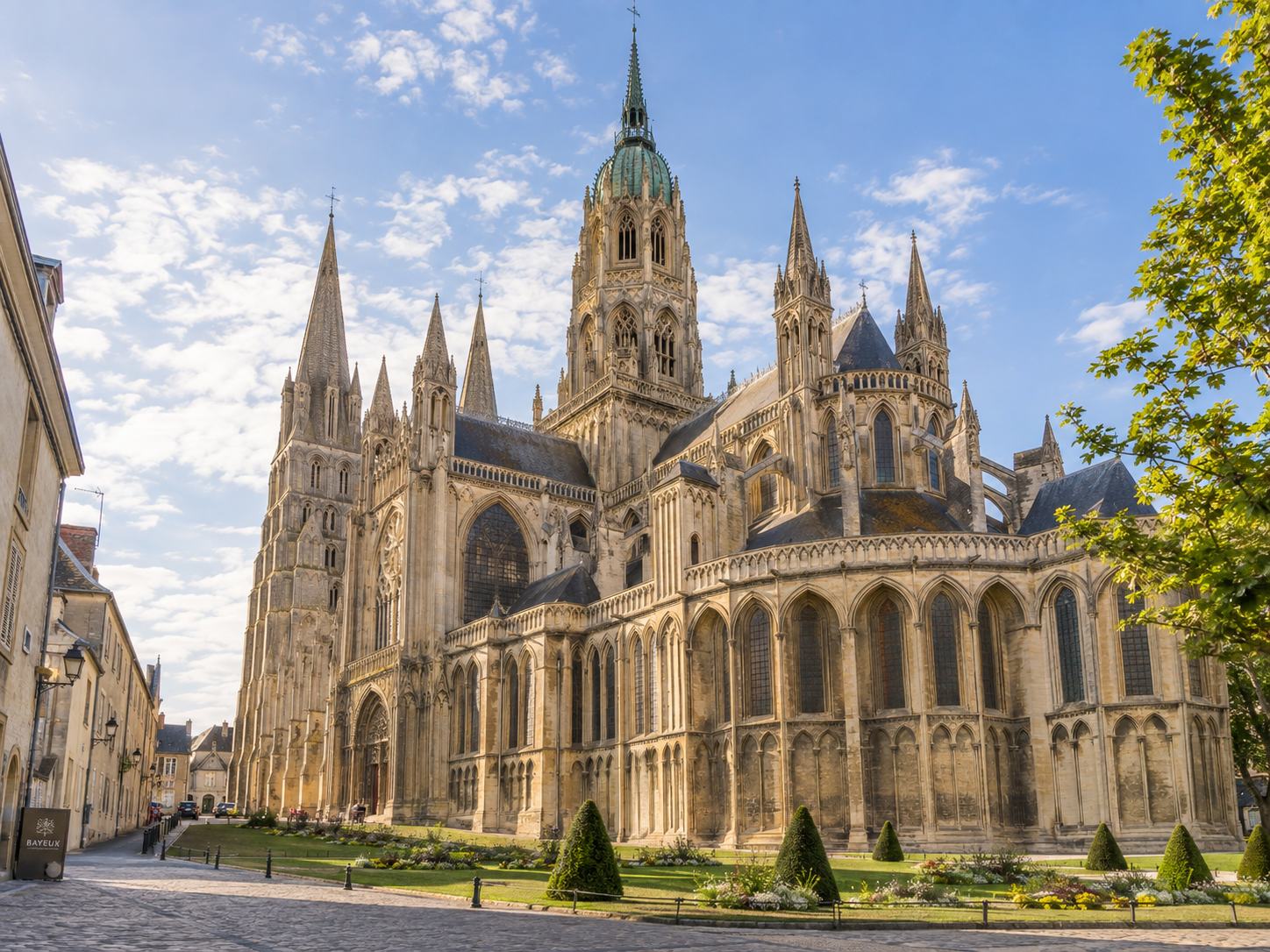
Important: the Bayeux Tapestry Museum is closed for renovation until autumn 2027 according to Bayeux Museum. Do not book a 2026 stay on the assumption that the tapestry is available to visit. The town remains a worthwhile base in its own right.
IA Generated — illustrative image; not a photograph of this venue or its products.
An easy addition to a town morning
Bayeux on Wednesday and Saturday
Bayeux’s municipal market is held on Wednesday morning in Rue Saint-Jean and Saturday morning at Place Saint-Patrice. Use a market day for a relaxed browse before a shorter coastal outing, or on the morning you move on.
Check holiday arrangements locally and keep the market separate from a tightly timed guided tour. A market morning works best when you can walk from your hotel and leave purchases behind before departing.
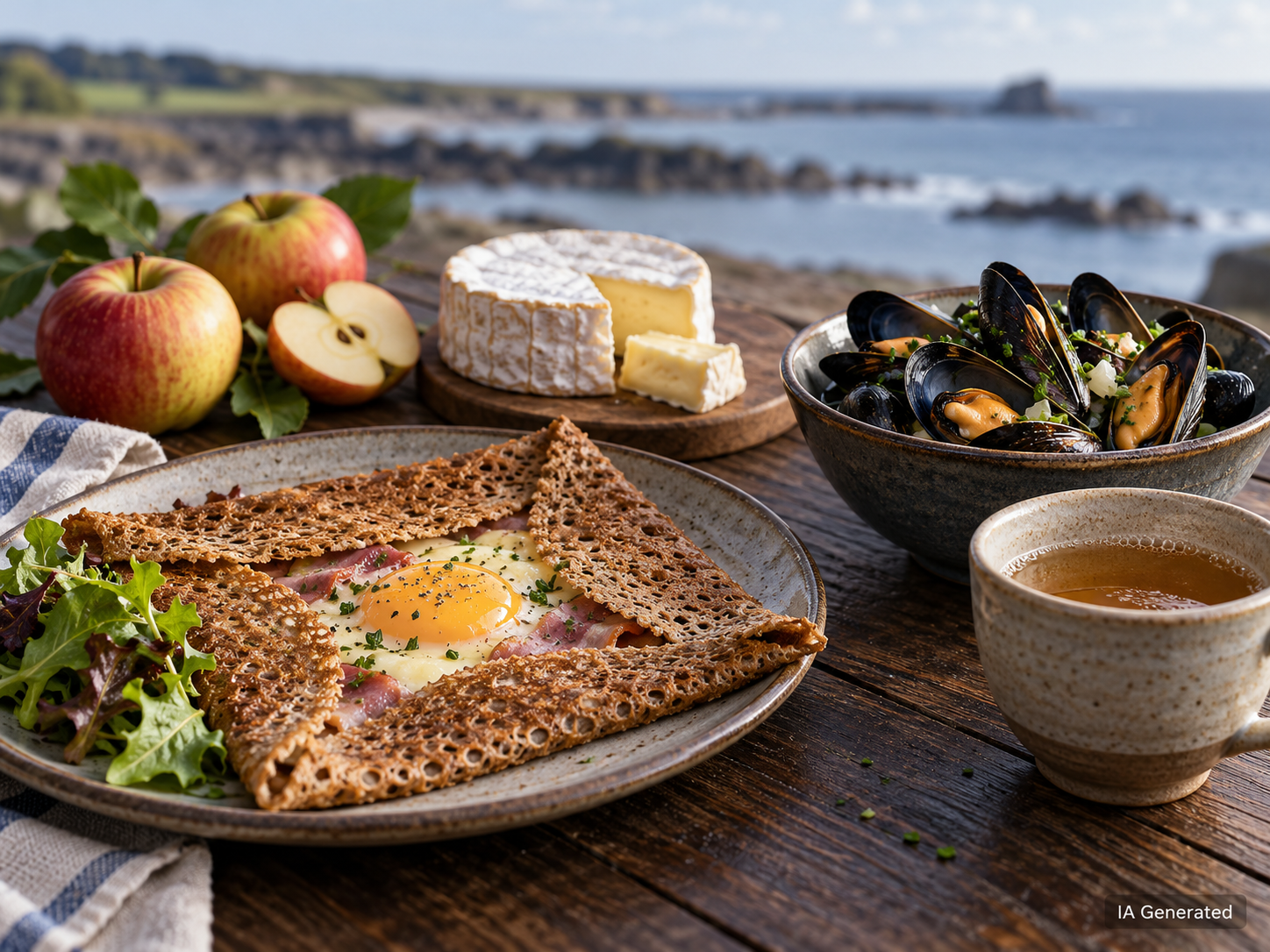
IA Generated — regional food illustration; not a photograph of a named restaurant, dish or market.
Harbour life beyond the historic sites
Port-en-Bessin on Sunday
The tourism office lists a Sunday morning market at Port-en-Bessin, alongside the port’s separate fish-market activity. This is a good opportunity to connect the region’s living maritime identity with a stay focused on its history.
Fish-market opening differs from the weekly general market and varies seasonally. Confirm current hours if seafood shopping is a specific aim, and leave time for parking on a busy morning.
IA Generated — regional food illustration; not a photograph of a named restaurant, dish or market.
A considered dinner in Bayeux
La Rapière
A central Bayeux address for a dinner after a day on the coast, with a menu built around fresh produce in a historic setting. It suits travellers who want to return to town, leave the car and make the evening part of the stay.
Book ahead and check the actual service days, which vary with the season. Explain dietary requirements when reserving rather than relying on an old menu online.
IA Generated — illustrative image; not a photograph of this venue or its menu.
Near Bayeux Cathedral
Le Pommier
A useful town-centre choice for regional cooking near the cathedral. It can fit either a Bayeux lunch or an evening back from the beaches, depending on current opening.
Check the weekly closing days before building the itinerary around it. A relaxed reservation in town is often easier to manage than a distant dinner after the final coastal stop.
IA Generated — illustrative image; not a photograph of this venue or its products.
At Château La Chenevière
Le Botaniste or Le Petit Jardin
La Chenevière offers two different dining settings: Le Botaniste for a gastronomic dinner and Le Petit Jardin in the former orangery for a more informal garden-oriented meal. Choose according to the occasion and the current service programme.
The estate is outside central Bayeux. Arrange transport, reserve the chosen restaurant explicitly and confirm seasonal opening. Do not assume both restaurants operate at every meal throughout the year.
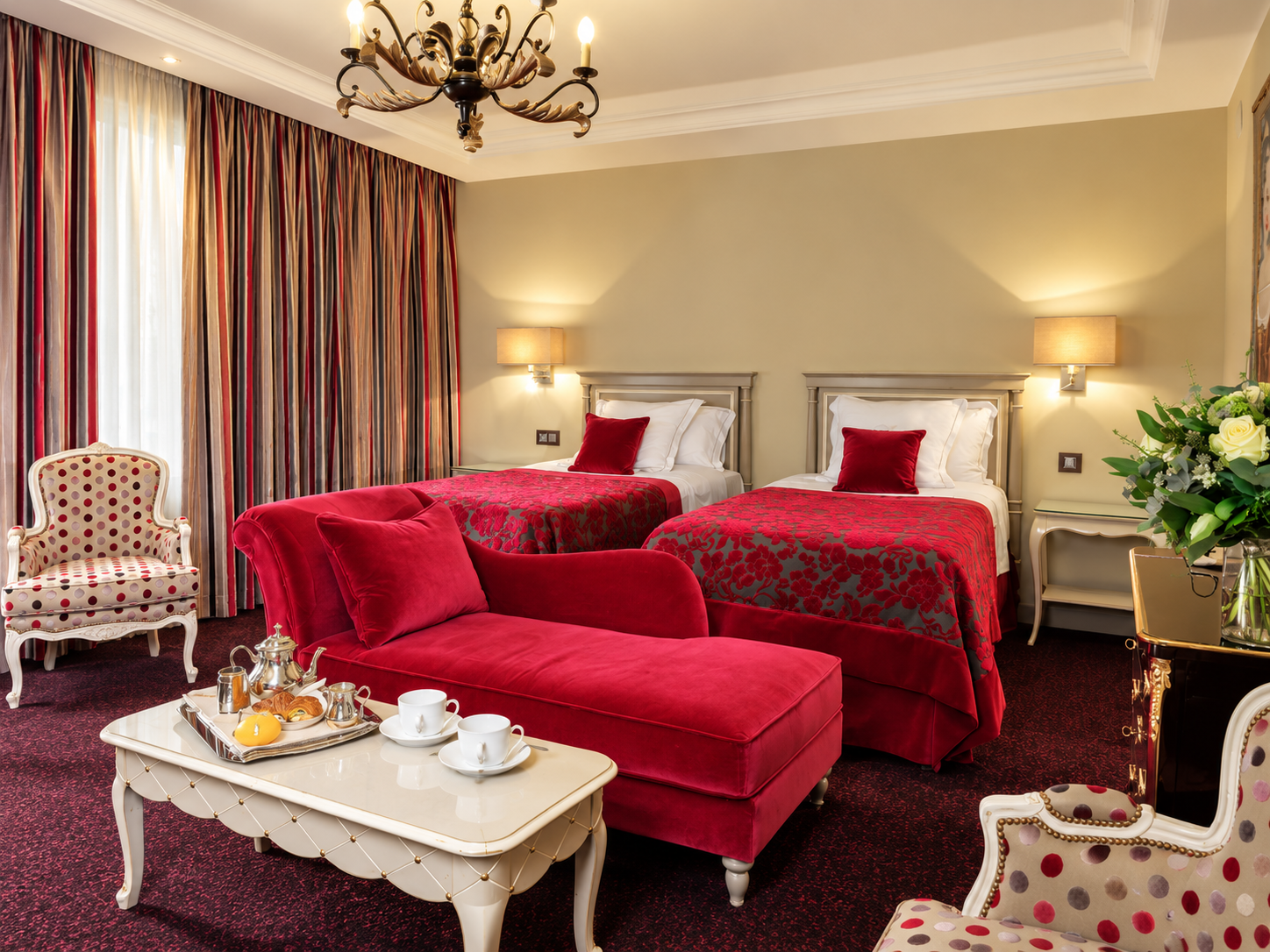
This selection combines two classified hotels in Bayeux with a country estate near Port-en-Bessin. These are bases for exploring the coast, not hotels on every landing beach. Match the location to your route and confirm parking, room access and seasonal facilities directly.
AI-generated photorealistic view.
5-star hotel · Historic Bayeux
Villa Lara
A refined central Bayeux base facing the cathedral area, with the adjacent Villa Augustine forming part of the same hotel. The location is particularly useful for travellers who want to return from coastal visits and walk to dinner.
Best for: A comfortable town stay with walkable evenings and arranged excursions.
Facilities: Classic rooms and suites, bar and private parking arrangements. Confirm the building, room category and services included.
Check seasonal opening. Proximity to the Tapestry Museum does not imply that the museum is currently open.
5-star château hotel · Commes · near Port-en-Bessin
Château La Chenevière
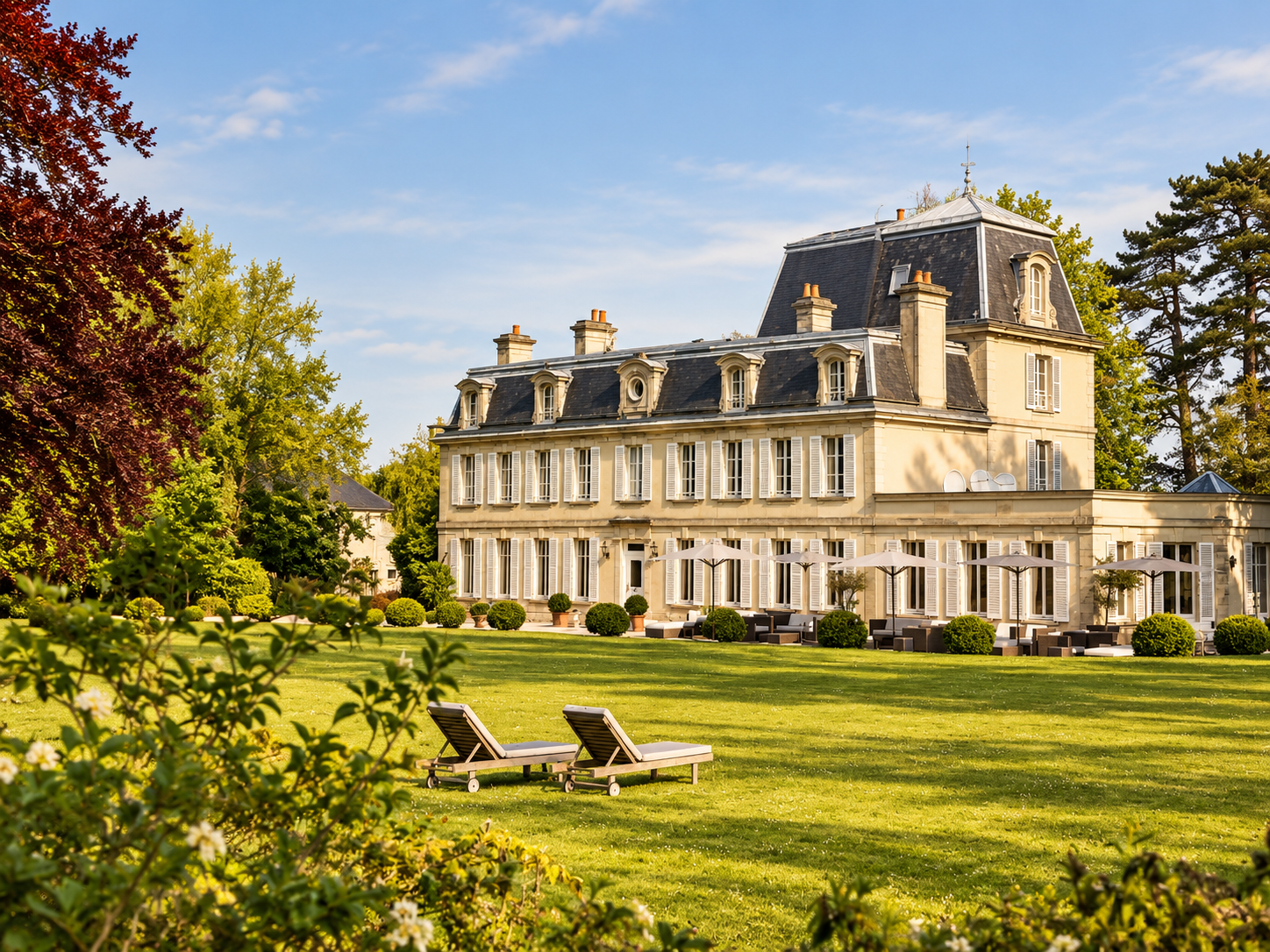
A country-house setting in landscaped grounds between Bayeux and the coast. It works well when the hotel itself is part of the holiday and you want quiet time after days visiting memorials and museums.
Best for: A slower stay with a car, gardens and a planned restaurant evening.
Facilities: Two restaurant concepts, park, private parking, tennis and a seasonal heated outdoor pool. Confirm current operating dates and room facilities.
The pool is seasonal, and the hotel has winter closure periods. This is a countryside base rather than a walkable Bayeux address.
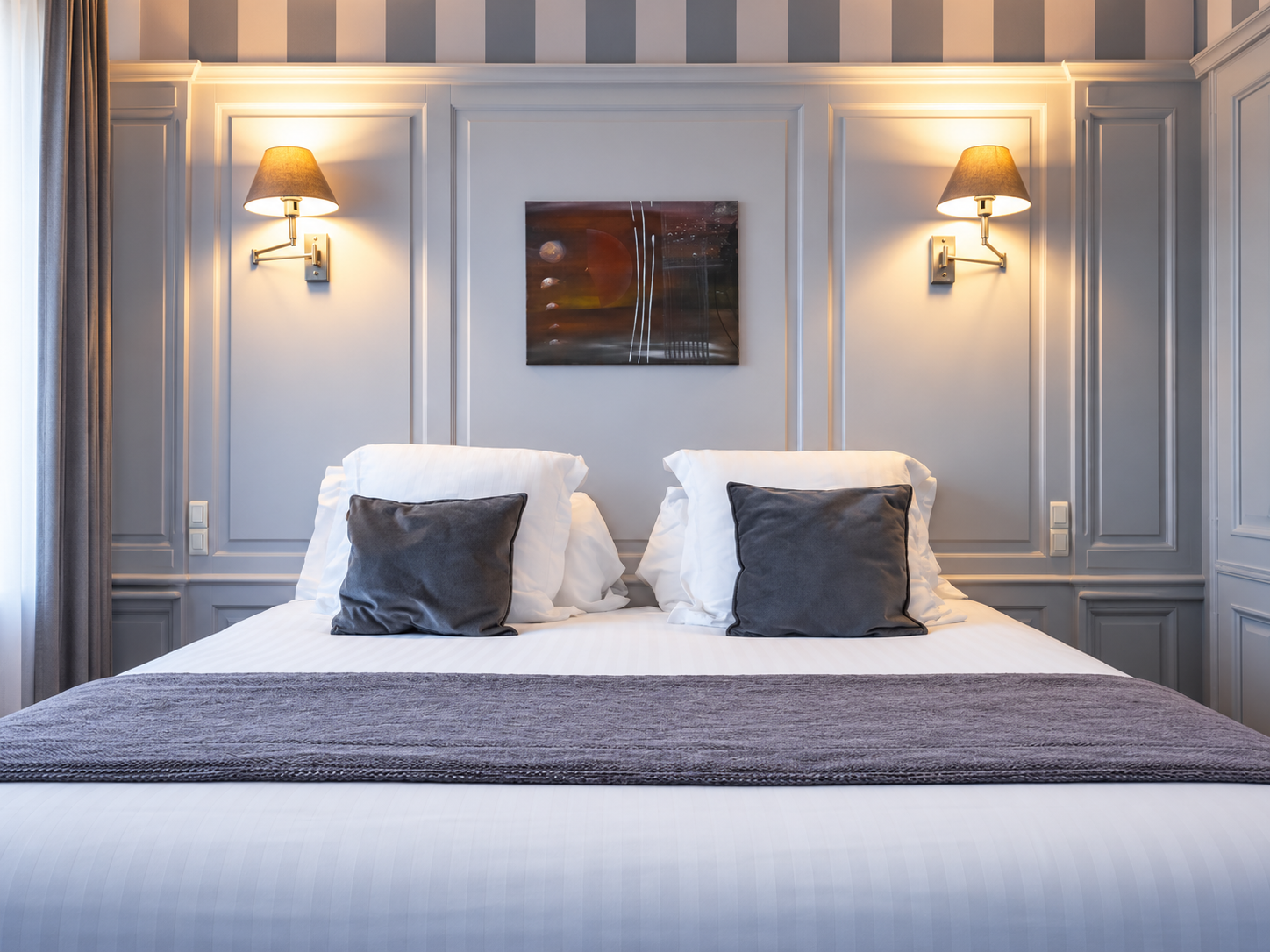
A historic town-centre hotel suited to a practical Bayeux base with time for the hotel’s relaxation facilities. The setting makes it easy to alternate coastal touring with a market or town walk.
Best for: Travellers wanting central accommodation and a wellness option.
Facilities: Heated outdoor pool and jacuzzi, spa services and parking arrangements. Confirm facility access, reservation requirements and seasonal conditions.
Some rooms are in an adjoining building without a lift; request and confirm lift access if needed. Do not assume every room has air conditioning.
Longer days support a museum visit and time outdoors without forcing every stop into the same short window. Prepare for rain and coastal wind. Around public holidays, book hotels and guided visits early.
Commemoration takes priority
June and the anniversary period
The days around 6 June bring ceremonies, visitors and possible restrictions. Check official event information before fixing driving routes or access to a particular memorial. Book accommodation well ahead and leave generous buffers.
More daylight, more visitors
Summer
Long days allow a relaxed rhythm, but they do not make every museum or cemetery open late. Plan from the operators’ hours and keep the final meaningful stop within its admission window. Carry water and sun protection as well as a windproof layer.
Check each operator separately
Autumn and winter
Quieter periods can suit reflective visits, but museum calendars and hotel openings vary. Short daylight makes a focused route especially valuable. Avoid assuming an outdoor site has unrestricted access after its staffed hours or during maintenance.
How Long to Spend
One day gives a meaningful introduction to one sector. For example, Omaha, the American Cemetery and one nearby site make a strong first visit when travel and lunch are included.
Two full days let you add another perspective, such as Arromanches and the British Normandy Memorial or Utah and Sainte-Mère-Église. Three or four days are better for travellers seeking the wider Allied story, with time for Juno, the eastern sector and inland sites.
Two to four nights in one base usually creates a calmer experience than moving hotels every day. Choose the base after deciding which sectors matter most, and keep a lighter interval between the most demanding historical visits.
Getting There
Then arrange the coast
Arrive by rail in Bayeux or Caen
Bayeux has rail connections with Paris Saint-Lazare, and Caen is another useful arrival point. Verify the current timetable and whether your chosen train is direct. The railway journey only gets you to the regional base.
Local transport between individual beaches and memorials can be limited. Book a guided excursion, rental car or pre-arranged round-trip transfer before setting out. Do not assume a taxi will be waiting when you finish at a rural site.
A car gives flexibility for smaller sites and country hotels. Group visits by sector and include parking, walking from the car and meal time when judging how much fits. A list of short driving distances can still produce an exhausting day.
Check work zones and official site notices, especially at Pointe du Hoc. Use signed parking and respect village restrictions rather than stopping on narrow roads for photographs.
Useful for context and logistics
Visit with a guide or driver
Confirm whether the service provides historical guiding, driving only or both. Ask about group size, time at the cemetery, museum entry and the precise meeting point. A private day can be shaped around a family connection if arranged in advance.
Give the operator your mobility needs and arrival details before booking. A short walk on paper may include gravel, slopes, steps or exposure to wind.
Getting Around & Parking
Parking arrangements differ at each beach, museum and memorial; there is no single coast-wide parking ticket. Read the signs at every stop and allow time to reach the entrance on foot. Keep valuables out of sight and avoid leaving luggage visible in a parked car.
Bayeux uses a mix of free areas, time-limited blue zones and paid central parking. Choose parking that suits the duration of your visit, and use the municipal map rather than assuming an empty space is unrestricted.
At Pointe du Hoc, works affect parking and pedestrian routes through the restoration period. The British Normandy Memorial has a separate parking charge even though the memorial itself is free. Follow current on-site instructions and check access notices before travel.
Leave time for the cathedral surroundings, old streets and a market morning. The town is a welcome counterpoint to intensive historical touring, even while the Tapestry Museum is closed. Choose current open attractions from the local tourism office.
A working harbour
Port-en-Bessin
A natural coastal pause between Bayeux and the central landing sites. Come for a harbour walk or a meal, keeping working areas clear and following local access signs. Sunday market activity can make it a particularly lively stop.
Continue west with enough time
The Cotentin
After a Utah-focused day, a longer trip can continue toward Cherbourg and the wider Cotentin. Treat this as an onward stage rather than adding a distant excursion to the end of an already full D-Day itinerary.
Walking Routes & Suggested Itineraries
A focused first visit
One day: Omaha and remembrance
Start with Omaha Beach and reliable interpretation, then give the American Cemetery an unhurried visit. Allow a proper lunch break. Add one nearby historical stop only if its current access and your energy make it sensible.
Return to Bayeux or your country hotel in time to rest before dinner. If Pointe du Hoc is included, plan from the current construction arrangements and reduce other stops accordingly.
A balanced central-coast stay
Two days: add Gold and the British perspective
Use day one for the Omaha sector. On day two, visit Arromanches and its museum, then continue to the British Normandy Memorial with time for the walk from the car park and quiet reflection.
If Juno is a personal priority, substitute it for another major stop or add a third day. Trying to attach the full Juno museum and bunker visit to an already busy afternoon risks turning a considered route into a timetable.
A wider view of the campaign
Three days: add Utah and the airborne story
Dedicate another full day to the Utah Beach Museum and Sainte-Mère-Église’s Airborne Museum. Include time at the beach and a meal rather than racing directly from one exhibition to the next.
For a Canadian or British family connection, adapt the third day toward Juno or the eastern sector instead. The best route follows your interests and the sites actually open during your stay.
Accessibility & Practical Advice
Memorials and cemeteries are places of remembrance. Keep voices low, respect ceremonies and staff instructions, and avoid staged photographs that intrude on others. Explain the purpose of the visit to children before arriving.
Accessibility varies substantially between modern museums, cemetery paths, beaches and wartime remains. Ask each operator about the full route, including parking distance, surfaces, toilets and stairs. An accessible museum does not imply that its bunker or beach route is step-free.
Choose footwear for uneven ground and keep layers available. Do not enter closed bunkers, climb barriers or approach eroding cliff edges. Respect all restrictions around restoration work.
For a family visit, select a museum with suitable interpretation and alternate it with a short outdoor pause. Some displays and personal stories can be emotionally difficult; plan the day according to the youngest visitor rather than the maximum number of sites.
FWP Insider Advice
Decide what you want to understand before deciding how many places to visit. A coherent route with a good guide or one strong museum gives the beaches meaning. More stops are not automatically a richer experience.
Place the most important cemetery or memorial early enough that you are not watching the clock. Leave a flexible final stop that can be omitted if the earlier visit deserves more time.
Use the hotel as part of the plan. Walkable Bayeux evenings suit days of driving; a countryside property suits travellers who want to return earlier for gardens and dinner. Book the location that supports your pace.
Frequently Asked Questions
Can I visit all five beaches in one day?
You can drive across the coast, but a meaningful visit needs more time. Choose one sector for a first day and add further days for other perspectives.
What is a useful first-time base?
Bayeux works well for many central and western visits, while the coast or a country hotel suits a different evening atmosphere. Choose according to your main sites.
Is a car essential?
No, if you arrange a suitable guided tour or transfers. Independent public transport between all the rural sites is limited, so book the complete return journey.
Is the American Cemetery free?
Yes. Check ABMC’s current entry conditions and opening times before visiting, and allow time for the visitor centre and grounds.
Can I walk from the cemetery directly to Omaha Beach?
The direct cemetery-to-beach path is closed. Use a separate public beach access nearby.
Are Pointe du Hoc and Pegasus fully open?
No. Pointe du Hoc has restoration restrictions expected into mid-2027. Mémorial Pegasus is closed for works from September 2026; verify its reopening before planning a museum visit.
Can I see the Bayeux Tapestry in 2026?
The Bayeux Tapestry Museum is closed for renovation until autumn 2027 according to the museum’s current information.
How many nights should I stay?
Two to four nights allow a more thoughtful visit, depending on how many sectors you want to explore and whether you add Bayeux or the wider coast.
Plan Your Stay
France. Well Planned.
Build a Normandy visit with time to understand.
We plan. You choose. You book.
We help you choose the right sectors, a comfortable base and a realistic sequence of museums, memorials and coastal pauses.
Last reviewed: 3 October 2026. Practical information, schedules and services may change. Use the linked operators to confirm your dates. Travel times in this guide are planning estimates, not timetables.
Destination views reuse the site’s AI-generated regional illustrations and are not archival evidence. Hotel illustrations were generated from real official hotel or tourism-office references and are clearly labelled. They do not guarantee a particular room or facility. Hotel classifications were checked against Atout France.