Royal history, Leonardo’s world and unhurried days beside the Loire
Amboise brings the Loire Valley into an appealing human scale: a château above the town, the river below, and gardens, restaurants and Leonardo da Vinci’s final home within a manageable local itinerary. Stay long enough to enjoy the town between the major visits, rather than using it only as a château checklist.
This guide focuses on Amboise, Clos Lucé and Château Gaillard, with nearby Chargé as an alternative hotel base. Suggestions for Chenonceau, Tours and cycling are optional extensions. All itineraries are FWP editorial suggestions: adapt them to your interests, mobility and the opening dates of individual sites.
Suggested stay2–4 nightsA town day, a garden day and one optional wider excursion
Best baseOld town or riversideConvenient for walking; countryside hotels need transport
Signature visitsThree distinct estatesRoyal Château, Clos Lucé and Château Gaillard
Getting aroundWalk locallyRail for arrival; a car or arranged transfer for wider touring
Why Visit Amboise?
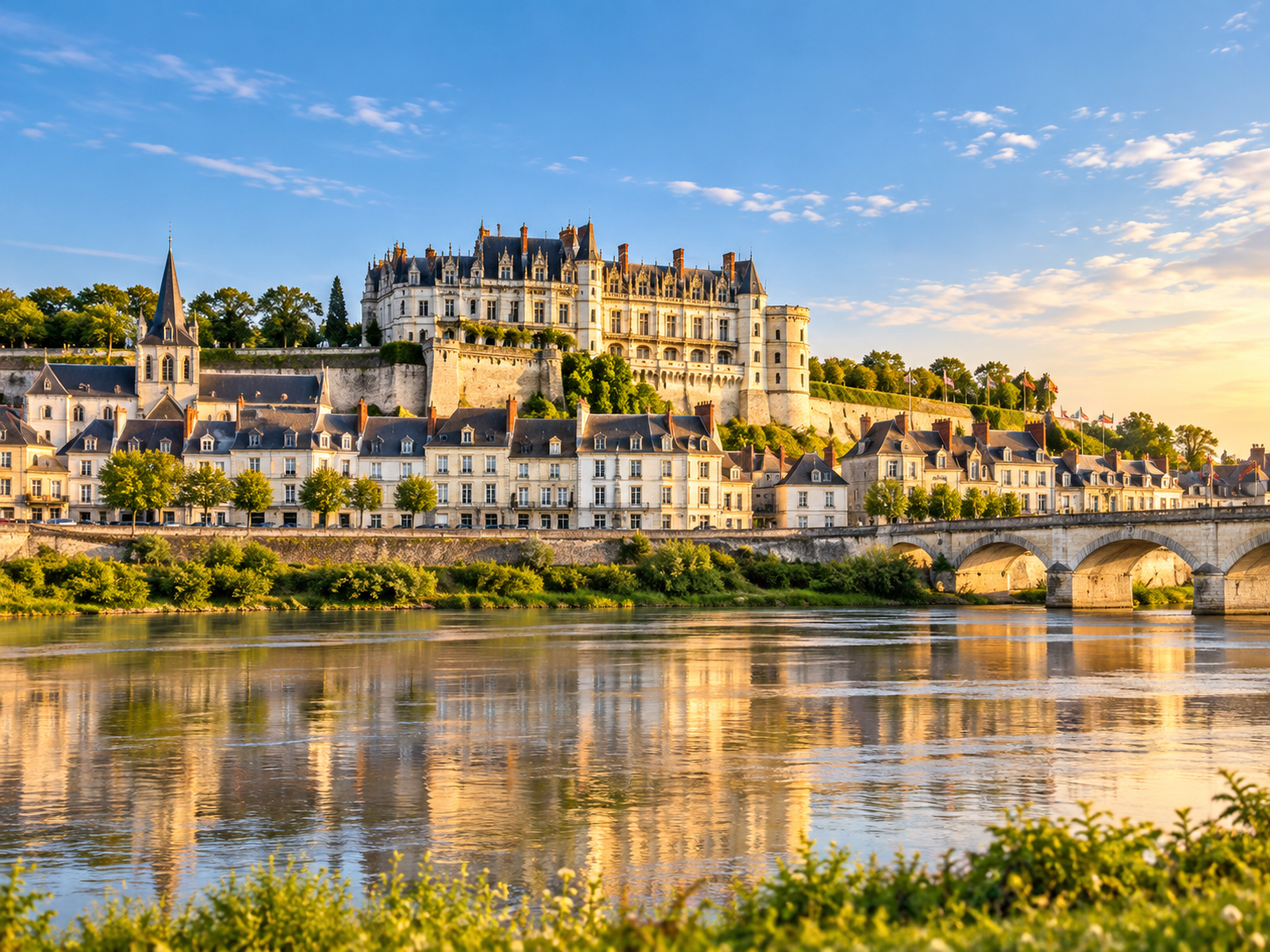
The appeal of Amboise is the relationship between the town and its landscape. You can begin with a market beside the Loire, spend part of the day inside a royal residence, and return to the river in the evening. That variety makes a short stay feel more complete than a succession of long drives between monuments.
Its three major local visits have different strengths. The Royal Château gives the broad historical and landscape perspective. Clos Lucé encourages curiosity about Leonardo’s work. Château Gaillard adds a more intimate garden setting. Choose the one that matters most to you first, then give the others their own time rather than trying to treat them as interchangeable stops.
Amboise also works for travellers who want comfortable hospitality without spending every evening in a car. A central hotel makes restaurants and an after-dinner stroll easy; a property outside the town offers more separation from the busiest visitor streets. Make that choice before planning your dinners and transport.
Where to Go & What to See
Existing FWP destination image.
The Royal Château & old town
Start with the château for a sense of how Amboise fits together: the royal buildings and terraces sit above the river and the streets below. Afterwards, explore around Place Michel Debré and the old town at your own pace. A café stop helps separate the monument visit from an afternoon elsewhere.
The main visitor entrance climbs from Place Michel Debré via Montée de l’Emir Abd El Kader. Check seasonal hours and available visit formats. Travellers who need adapted access should consult the château’s specific arrangements before arrival rather than follow the ordinary pedestrian entrance.
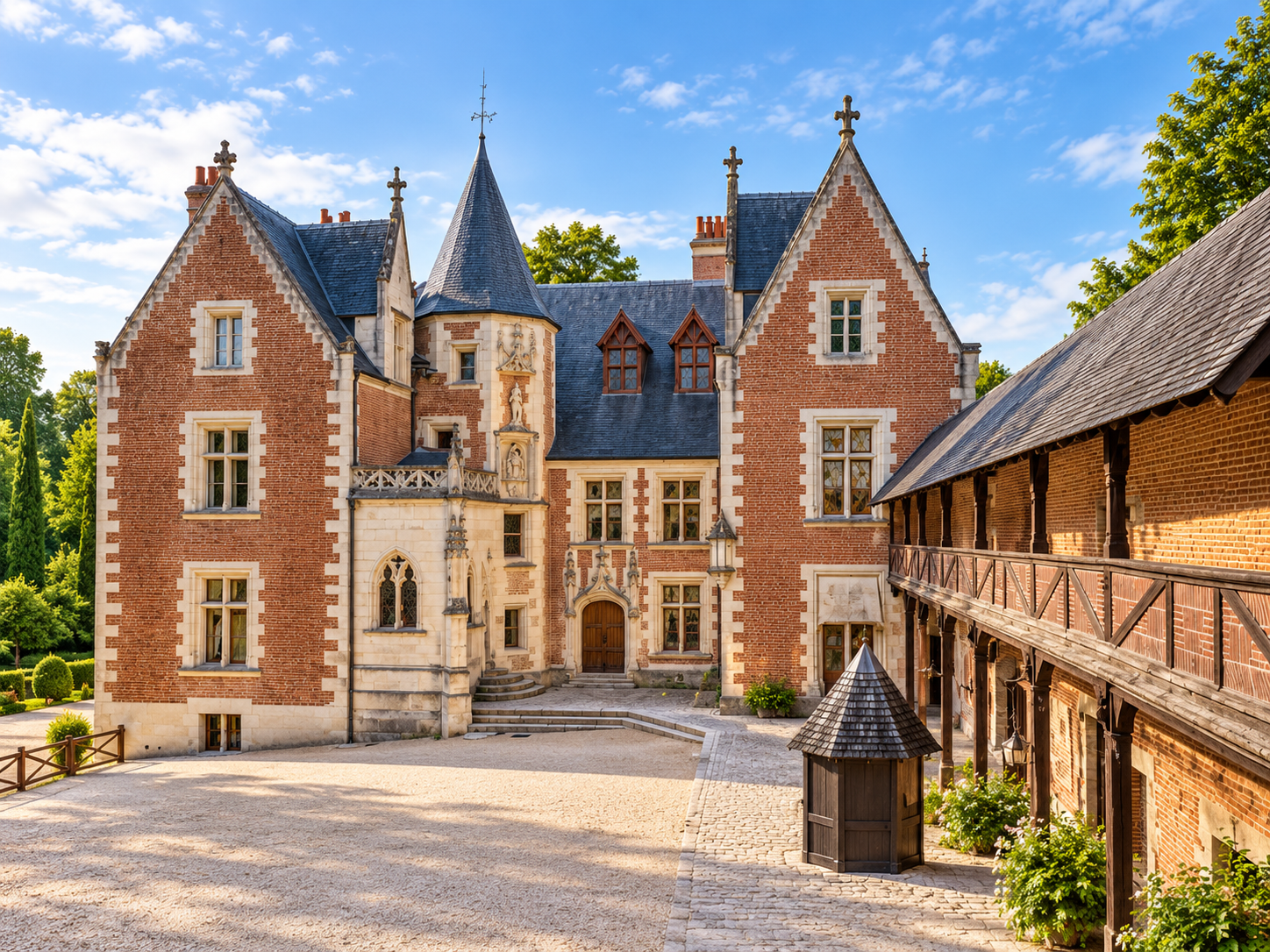
Give Clos Lucé a substantial part of the day if Leonardo’s ideas are a priority. The house, park and galleries offer several ways to approach his work; the outdoor spaces can provide a welcome change of rhythm for a family after an indoor historical visit.
Choose your ticket and current exhibition options directly with the operator. For a relaxed visit, reserve a half-day in your own itinerary, including a break and the walk from town. Check the access guidance for the particular buildings and paths you want to use.
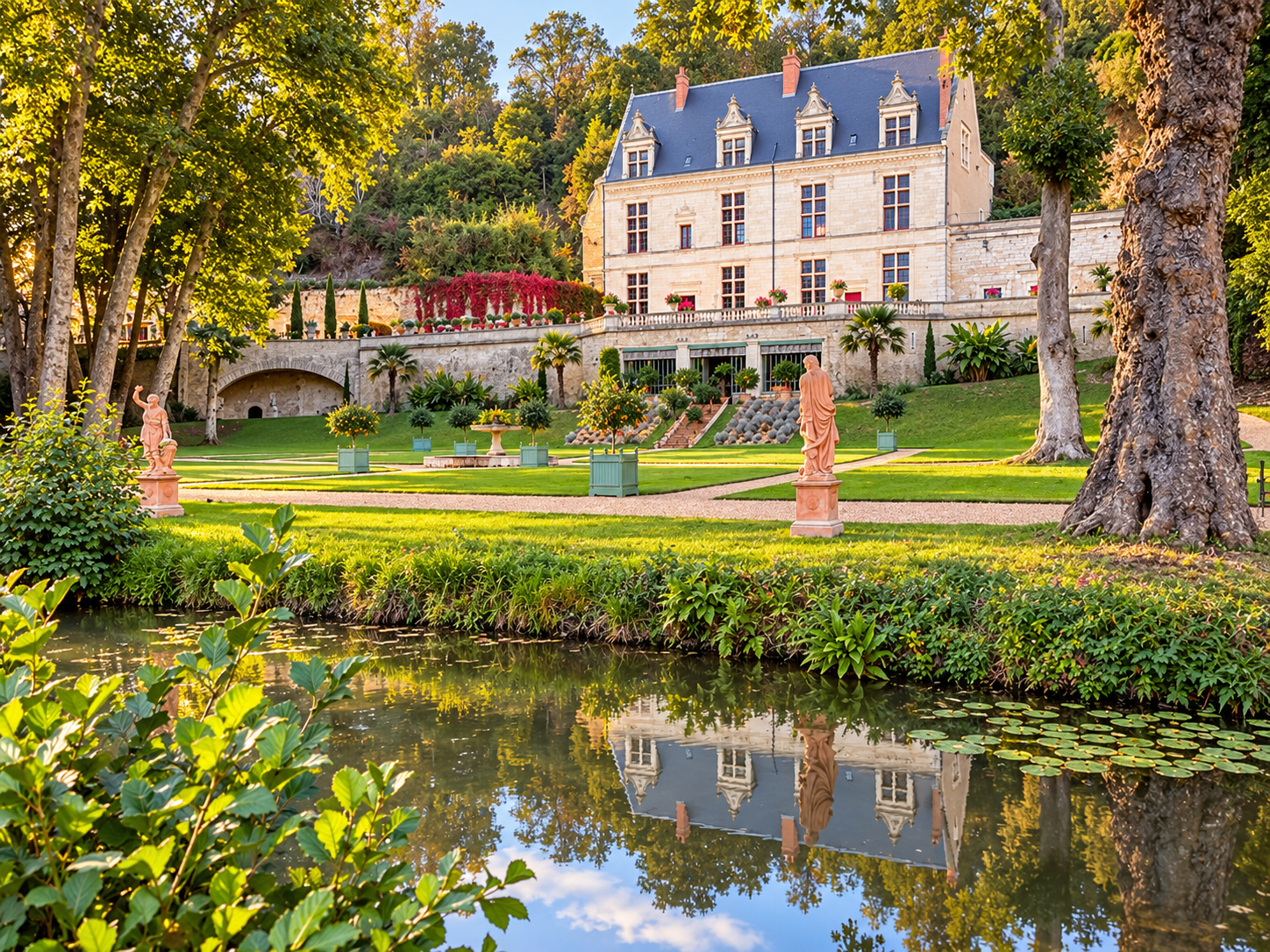
Château Gaillard offers a different mood: a Renaissance residence tucked into a green setting, with garden terraces and a strong association with citrus cultivation. It is a rewarding choice when you want to slow down after a busier royal-château visit.
Check the current visitor entrance, parking directions and seasonal programme on the estate’s website. Pair it with Clos Lucé only if you have enough time to enjoy both; otherwise make this your main afternoon visit and return to Amboise for dinner.
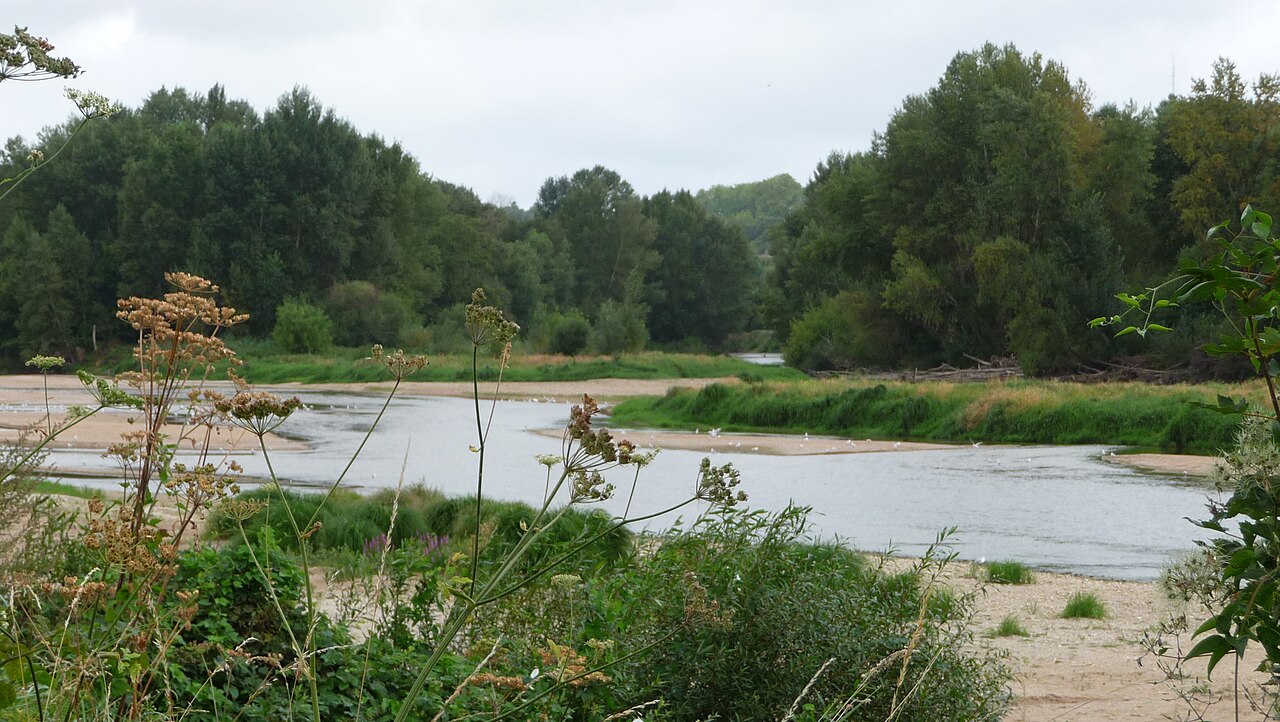
Leave room for a riverbank walk or a traditional-boat outing instead of another interior visit. The changing light and broad river views are part of what makes an Amboise stay memorable. Choose a departure that fits your dinner plans and confirm the meeting point before setting out.
Boat operations depend on river conditions and the season. Reserve directly, check the operator’s age and mobility requirements, and keep an alternative town walk if a departure is cancelled. Do not treat sandbanks or an unsupervised swim as an alternative river activity.
Use the official Val d’Amboise cycle maps to select a route that fits your group. A shorter ride with a picnic can be more rewarding than committing to a distant château and discovering that the return journey dominates the day.
The tourist office lists the 12.5 km Loire & Terroir loop and the 17 km Au fil de l’Amasse loop among its easier options. Check their starting points, surfaces and current conditions. Published riding times do not include visits, lunch or a slow family pace.
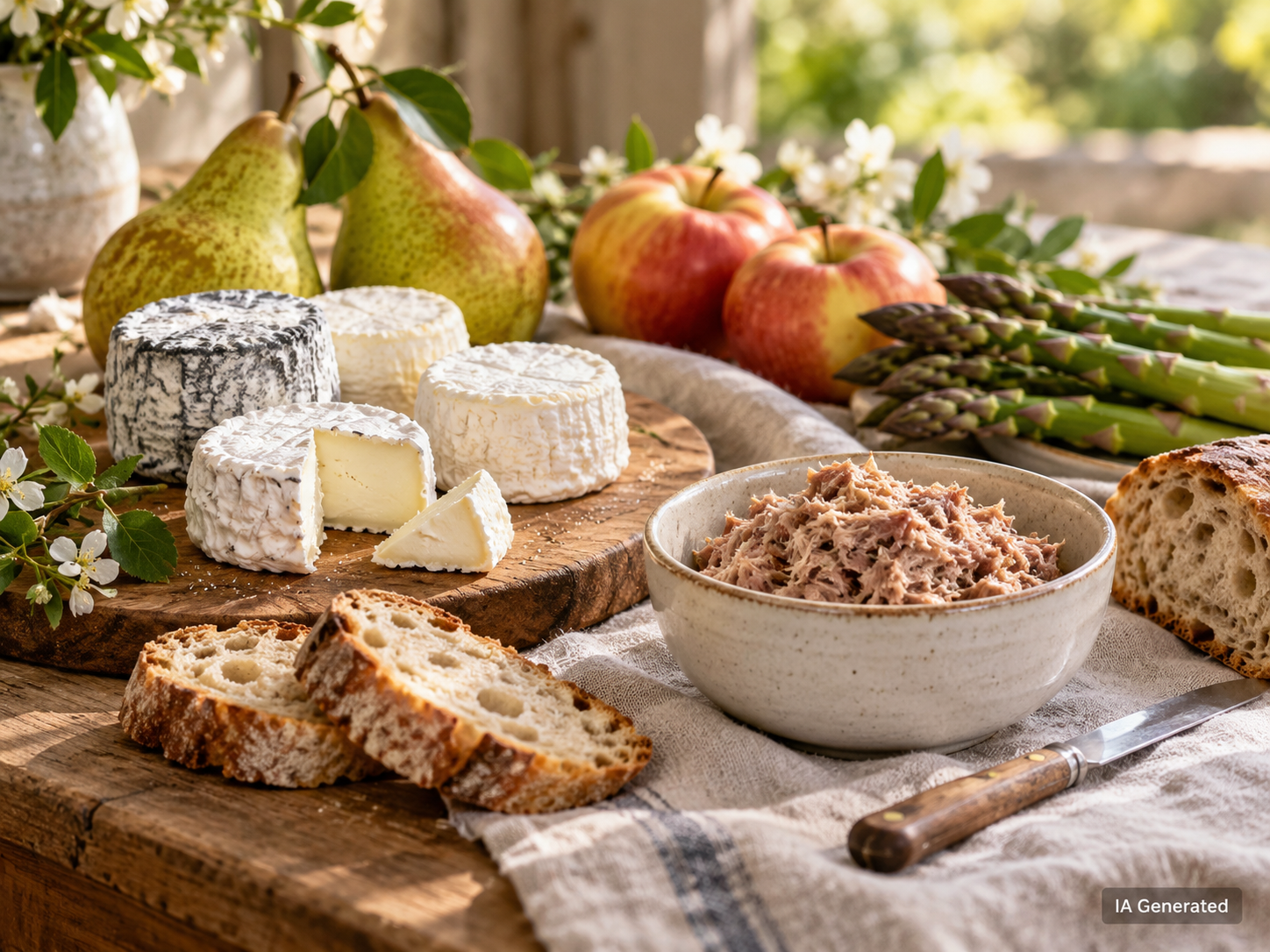
IA Generated — regional food illustration; not a photograph of a named restaurant, dish or market.
Make a meal part of the itinerary
Reserve one restaurant that you are particularly keen to experience, then build a realistic morning and evening around it. A long lunch and two major paid visits can leave little room for the town itself.
For wine tasting, choose an established visit with clear booking conditions and arrange the return journey before drinking. Ask about non-alcoholic alternatives so everyone in the group can enjoy the stop. Restaurant menus and wine selections change with the season.
Markets Worth Planning Around
IA Generated — illustrative image; not a photograph of this venue or its products.
Friday riverside market
Friday morning · Place du Marché, beside the Loire
The Friday market is a useful way to build a food-focused morning into a short stay. Come early enough to browse produce, cheese and regional specialities, then leave time to return purchases to your accommodation before a booked château visit.
IA Generated — regional food illustration; not a photograph of a named restaurant, dish or market.
Sunday market
Sunday morning · Place du Marché
Sunday brings a larger market with food and other stalls. Treat it as a main part of your morning rather than a quick detour on the way out of town. Arrive with a flexible parking plan and check any special-event notices affecting the riverside.
IA Generated — illustrative image; not a photograph of this venue or its products.
Seasonal evening markets
Selected summer dates · Check the municipal calendar
The town also lists summer evening markets around Place Saint-Denis. Use the current calendar for the date of your stay: a seasonal event should not be assumed to operate all year. It can make an enjoyable informal evening when you do not have a restaurant reservation.
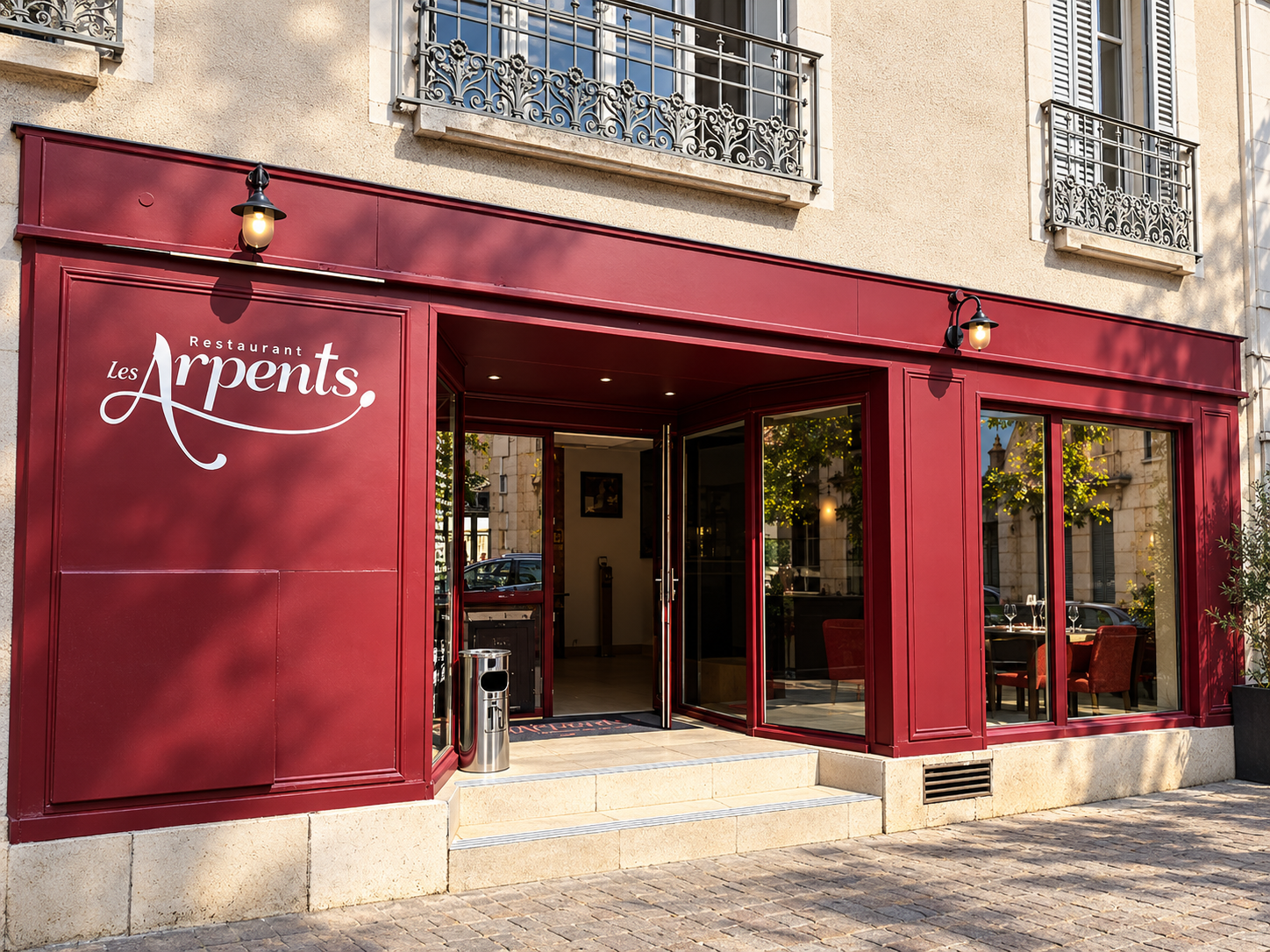
AI-generated photorealistic image based on a real reference view.
Central Amboise · rue d’Orange
Les Arpents
A small central restaurant that works naturally with a day in the old town. Choose it for a considered meal without adding a countryside transfer. Consult the current menu and book your table directly; leave a comfortable gap after a château visit so lunch does not become a race against the clock.
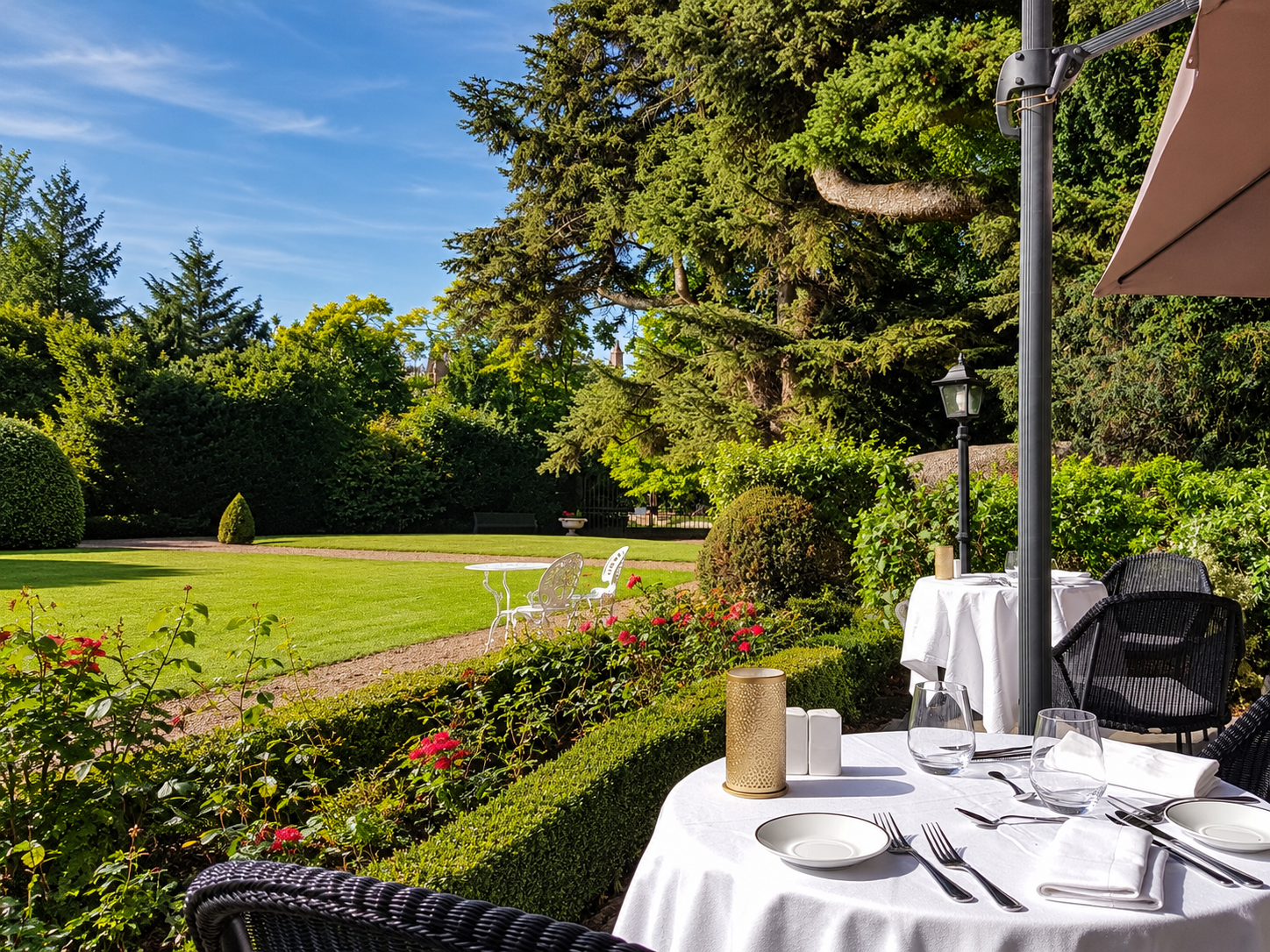
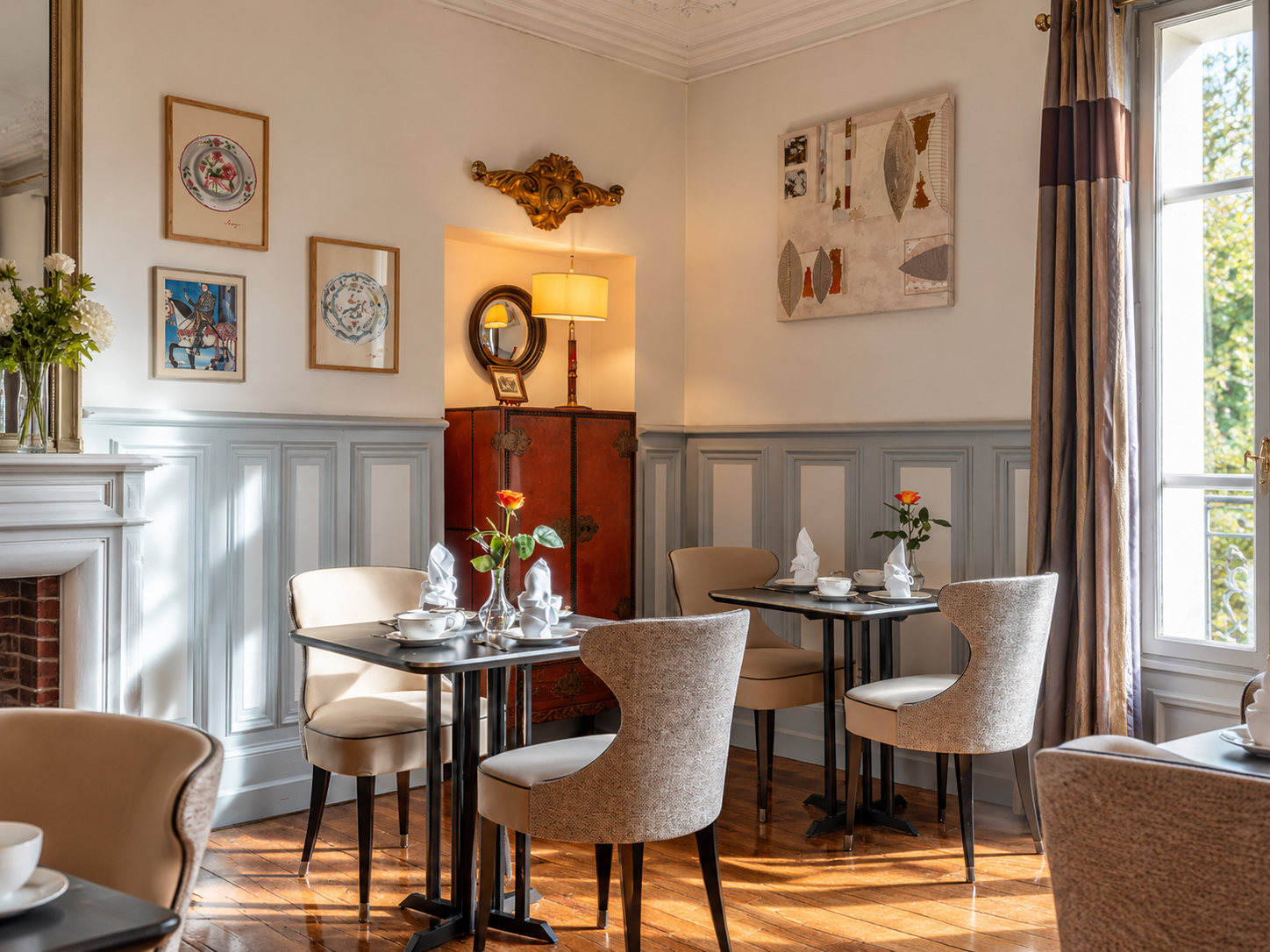
The restaurant at Le Clos d’Amboise offers a quieter hotel setting while remaining in town. Its seasonal cooking and garden terrace, when available, make it a useful option for an evening that feels separate from the busiest visitor squares. Ask about dietary needs and terrace seating when reserving.
A destination restaurant in a tuffeau setting outside central Amboise. Plan it as the focus of an evening, with transport arranged in both directions. The operator welcomes non-resident diners; check service days and annual closures rather than assuming that a hotel’s reception schedule is also its restaurant schedule.
These five properties offer different kinds of stay. Star categories below follow the hotels’ current official presentations checked in October 2026; they are hotel classifications, not restaurant awards. Confirm your room, facilities and access arrangements directly before booking.
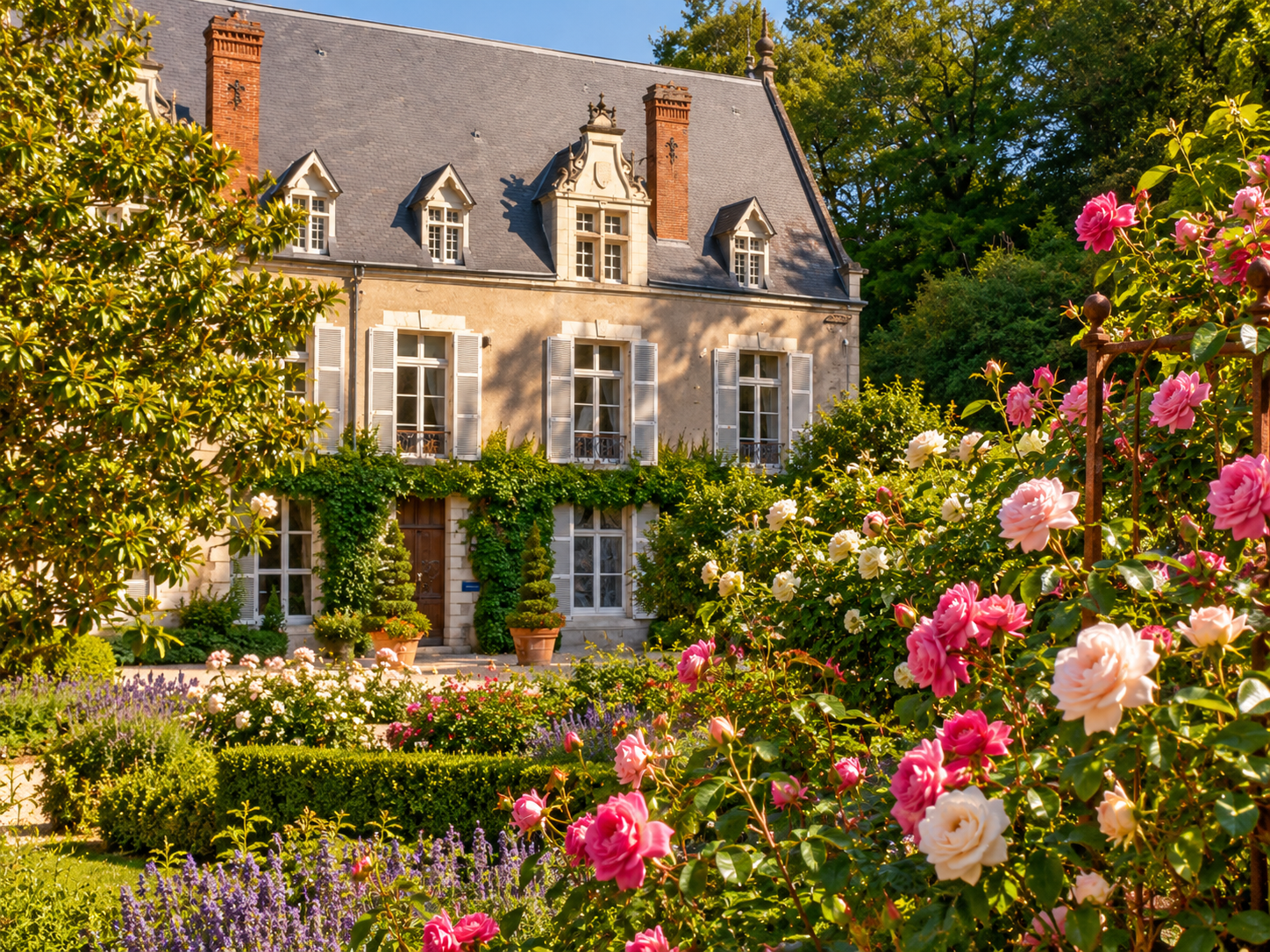
AI-generated photorealistic image based on a real reference view.
4★ hotel
Le Clos d’Amboise
27 rue Rabelais · central Amboise
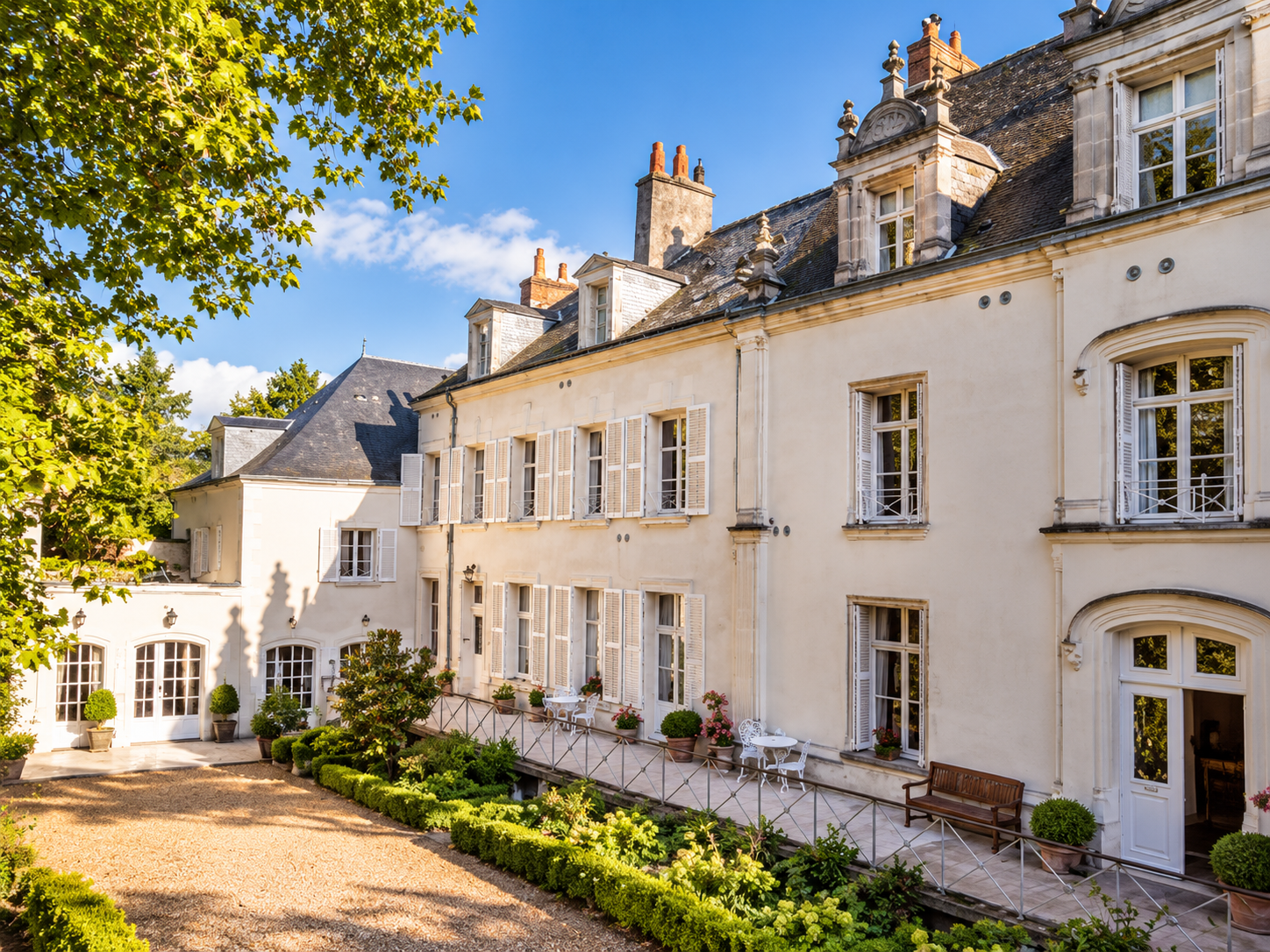
A small manor-house hotel with a garden setting in town. It is a practical choice if you want to walk to local restaurants and return to a calmer space between visits.
The official hotel lists a pool, sauna, restaurant and a lift in the main house. It has an adapted room, but the pool and sauna are not accessible to guests with reduced mobility; discuss your exact needs before reserving.
Why choose: A central base with garden downtime. Check which building and room category you are booking, and confirm parking separately.
Visit Hotel WebsiteAI-generated photorealistic image based on a real reference view.
5★ hotel
Relais d’Amboise
Quai Charles Guinot · beside the Loire
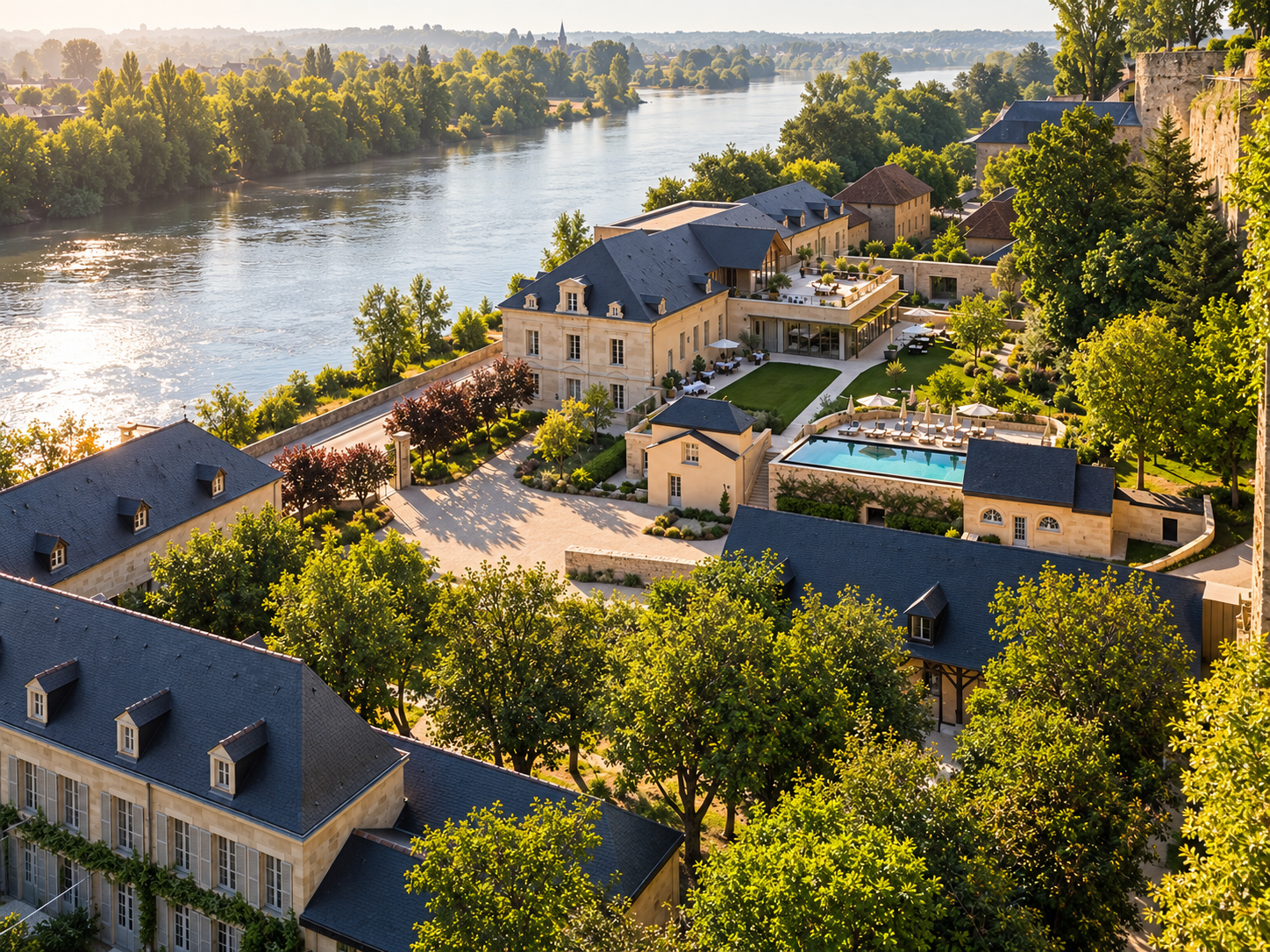
A riverside hotel with historic buildings and views that place the Loire at the centre of the stay. Use the current Relais d’Amboise website for the property’s present room categories and offering; older guides may use previous hotel names.
The official presentation includes dining, a bar and wellness facilities. Ask which features are available on your dates, what requires a reservation, and whether your chosen room is in the building and outlook you prefer.
Why choose: A refined riverside base close to the town’s main sights. A Loire view, terrace and château view are distinct room choices, not interchangeable promises.
Visit Hotel WebsiteAI-generated photorealistic image based on a real reference view.
4★ château hotel
Château de Pray
Rue du Cèdre · Chargé, outside central Amboise
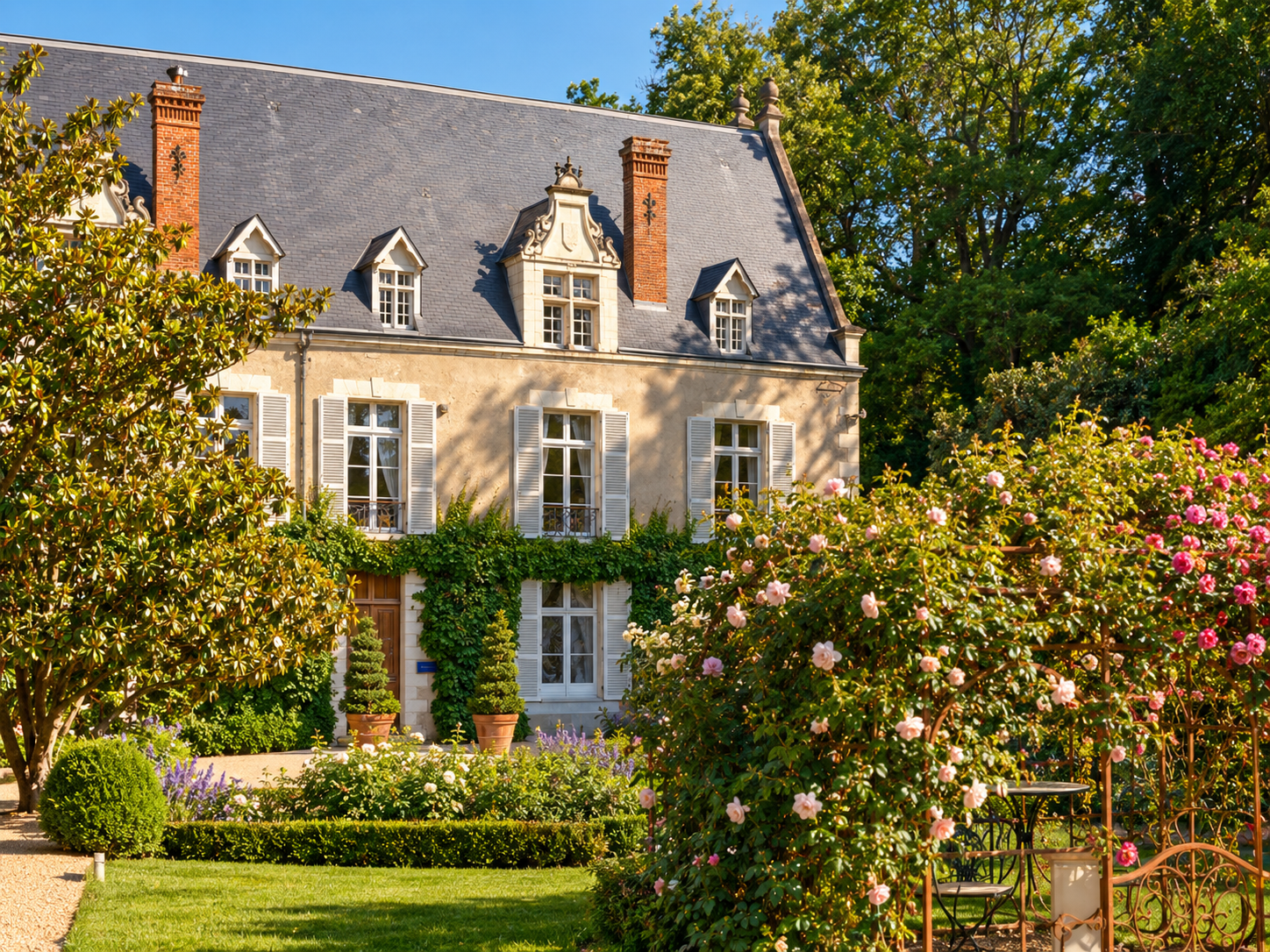
A historic property in wooded grounds for travellers who prefer a countryside atmosphere. Choose it for time at the hotel as well as excursions, rather than assuming you will walk into Amboise for every meal.
The hotel lists a seasonal heated outdoor pool, parking, bicycle facilities and an adapted room. Its restaurant has its own service days and closures. Confirm these details and your room’s location in the château or dependencies.
Why choose: A quieter base and a destination dinner at L’Orangerie. Arrange taxis or driving plans before committing to evening reservations elsewhere.
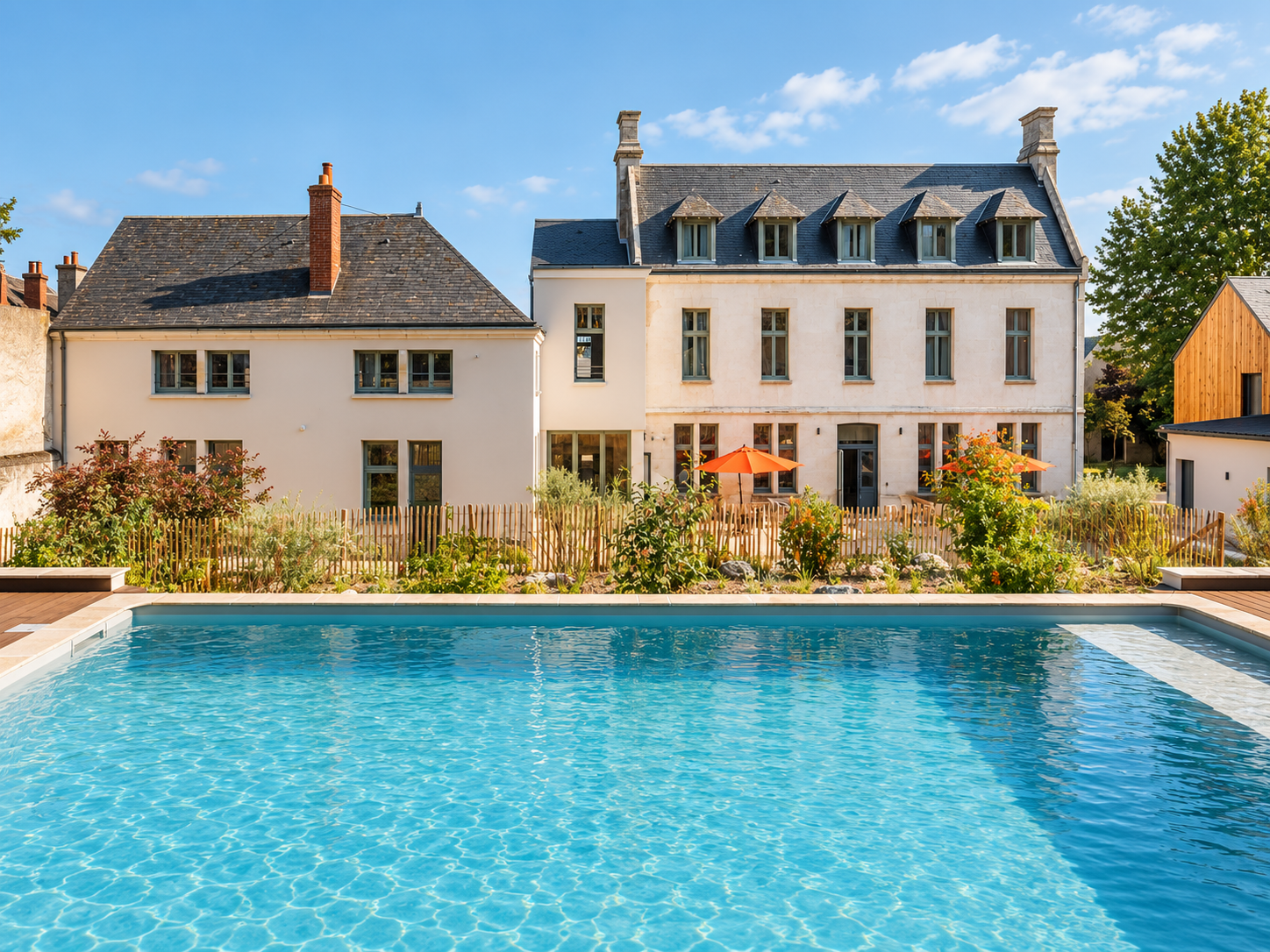
A central property combining a historic house with several accommodation formats, from hotel rooms to studios and lodges. Its outdoor space and seasonal pool make it appealing when you want a town base with somewhere to unwind after the monuments.
Best for: Couples or families who value outdoor space and a choice of room formats.
Facilities: Seasonal heated pool, sauna, bookable massages, breakfast, bar and grocery-style food offer. Limited private parking and adapted rooms are listed by the hotel.
Private spa facilities belong only to specific lodge categories, not every room. Confirm pool dates, parking availability and the exact accommodation configuration before booking.
An intimate nine-room historic property with individual interiors, original architectural character and a breakfast salon. It suits a smaller-house style of stay, with the old centre as the main attraction rather than a long list of resort facilities.
Best for: A quiet, personal base for walking to the town’s restaurants and main sights.
Facilities: Breakfast in the salon or on the terrace when conditions allow, air-conditioned rooms and Wi-Fi. Ask the property about current parking arrangements and bicycle storage.
Rooms are arranged in different parts and levels of the property. Confirm stairs, room access and category directly if mobility or luggage handling is a concern.
A rewarding time for gardens and town walks, with room to build a varied day around changing weather. Start with the visit that matters most, then use the remainder of the day for a garden or river walk if conditions are comfortable.
Pack a waterproof layer and check holiday dates. A quieter season does not remove the need to reserve a small restaurant or your preferred room.
Summer
Long days make it easier to spread visits between morning and late afternoon. Keep the hottest part of the day for lunch, an indoor visit or hotel time, and carry water for exposed riverside paths.
Book the key visits and dinners ahead. Choose an outdoor activity according to the forecast rather than committing every day to a fixed sequence.
Autumn & winter
Autumn suits travellers who enjoy softer light, food and a slower pace. Winter can work for a focused cultural break, but shorter opening hours and annual hotel or restaurant closures become more important.
Build the trip around confirmed openings. Keep one comfortable indoor alternative and avoid relying on a summer boat departure or terrace service.
How Long to Spend
One full day
Choose the Royal Château or Clos Lucé as your main visit. Add a proper lunch, a town walk and a short riverside stop. This gives a coherent introduction without spending the whole day moving between ticket desks.
Two or three nights
The best balance for a first stay: one day for the royal town and market, another for Leonardo and gardens. Leave room for a restaurant evening and a slow breakfast before departure.
Four nights or more
Add one wider excursion, a cycling day or extra hotel time. Use the additional nights to slow the pace rather than assume you need a new distant château every morning.
Getting There
Arriving by train
Amboise has a railway station on the opposite side of the Loire from the main historic centre. Check your actual arrival station: a booking to Tours or Saint-Pierre-des-Corps still requires an onward connection or transfer.
Choose the hotel after considering luggage and walking ability. Ask about a taxi in advance for a late arrival or a property outside town; do not assume a line of cars will be waiting at every train.
Arriving by road
Use your hotel’s recommended approach and unloading instructions. Narrow historic streets, market arrangements and temporary restrictions can make the final few minutes different from the route suggested by a navigation app.
A car is useful for wider touring but is rarely the most relaxing way to move between the central sights. Once parked, group the town visits on foot and save driving for a separate excursion.
Arriving as part of a Loire itinerary
Amboise works as a multi-night stop between other Loire bases. Keep the arrival day light: an unhurried check-in and river walk are more resilient than an expensive ticket booked close to your expected train or motorway arrival.
For onward travel, verify the station, connection and luggage arrangements before making the final morning’s plans. A market visit can be awkward if you are carrying bags and watching the clock.
Getting Around & Parking
Park once for the old town
Compare your hotel’s parking with the municipality’s current map. The town publishes both free and paid options; use the signs at the actual space to determine conditions. A payment exemption may still require registering your number plate.
The municipal information describes a daily first free hour in paid areas with registration at the machine or supported app. Confirm the displayed rules rather than treating this as automatic free parking everywhere.
Market days need a different plan
The Friday and Sunday markets occupy riverside space and can alter where you may leave a car. Look at the restrictions when parking the previous evening as well as on the morning itself.
Choose a lawful alternative with a walk you can manage. Arriving a little earlier is more useful than circling the busiest streets immediately before a booked visit.
Hotels and accessible drop-offs
A hotel’s address is not always its parking entrance. Ask about reservations, height limits, overnight access and the distance to reception. For adapted château access, follow the monument’s instructions rather than a generic car-park pin.
The town announced a new free park-and-ride in 2026 at 1 rue Jean Jaurès, in Bout-des-Ponts. Check its current conditions and whether the walk across to your destination suits your group.
Morning: begin with the Royal Château while your energy is highest. Take time on the terraces, then return to the streets around Place Michel Debré for lunch.
Afternoon: explore the old town and make a short riverside walk. If everyone is comfortable with the additional distance, cross toward Île d’Or for another perspective on the château. Return for a reserved dinner rather than driving away for a second major attraction.
Leonardo and a garden afternoon
Morning: make Clos Lucé the main event, allowing time for the parts of the park and galleries that interest your group. Stop for lunch before deciding how much energy remains.
Afternoon: continue to Château Gaillard if you want another substantial visit, or choose an easier walk and café stop in Amboise. With children, the flexible version often makes a better day than a strict three-château schedule.
A market weekend
Friday or Sunday morning: browse the riverside market and buy a few regional foods. Return purchases to the hotel before a shorter cultural visit or a relaxed lunch.
Afternoon: keep one option open—a boat outing if conditions and bookings work, a short cycle ride, or simply time in the garden. Book dinner in town and let the evening be part of the stay.
Good Combinations
Chenonceau as a separate excursion
A natural extension for travellers who want another major château with a different setting. Give it its own travel and visit time; do not assume a quick transfer means the whole experience will fit into a spare hour.
Arrange the route according to your transport. A cycling excursion needs a suitable bike, a realistic return plan and more time than a road transfer.
Tours for a different city rhythm
Tours adds a larger urban setting and a useful rail gateway. Choose it for a dedicated half-day or day according to your interests rather than inserting it between two time-sensitive Amboise visits.
If you are staying only two nights, Amboise itself may offer enough variety. Save the city extension for a longer Loire itinerary.
A wider Loire journey
Combine Amboise with another base only when it reduces backtracking or brings a distinct experience. Consider what you gain from moving hotels compared with keeping the same room for an extra night.
For a first visit, a smaller number of well-chosen places with time for meals and the landscape is often more satisfying than a long list of brief château stops.
Accessibility & Practical Advice
Amboise combines relatively straightforward riverside streets with slopes, old surfaces and historic buildings. The Royal Château publishes a separate vehicle-based access route for visitors with reduced mobility and requires an accompanying person for certain parts of the visit. Contact the site before travel. Clos Lucé also publishes dedicated access information; ask about the specific house, galleries and garden routes you wish to see. For hotels, obtain written confirmation of room access, bathroom layout, lift coverage and the route from parking. An adapted room does not establish that every leisure facility is accessible.
FWP Insider Advice
Decide which of the three local estates interests you most, and protect enough time for it before adding anything else.
A central hotel is especially valuable if restaurant evenings matter to you. A countryside hotel is more rewarding when you leave time to enjoy its grounds.
Keep market mornings distinct from long driving days. Food purchases, crowds and luggage rarely make a relaxed combination.
Use current hotel names and websites. Older lists can refer to a previous identity or offering, particularly along the riverside.
Leave one unreserved stretch in a two-day stay. Weather, a good lunch or an unexpectedly absorbing visit may give you a better plan than the original timetable.
Amboise FAQ
How many nights should I spend in Amboise?
Two or three nights is a comfortable first stay. It allows a royal-town day and a second day for Clos Lucé or gardens. Add nights for cycling or a wider château excursion.
Can I visit Amboise without a car?
Yes, for a stay focused on the town and its local sights, with rail arrival and suitable accommodation. Check the station-to-hotel journey and arrange transfers for countryside hotels or wider excursions.
Can I visit all three local châteaux in one day?
It may be possible with a hurried schedule, but we suggest choosing one major visit in the morning and one in the afternoon at most. Allow time for lunch, walking and the town itself.
When are the main markets?
The main riverside markets take place on Friday and Sunday mornings. Check municipal notices for special events or temporary changes and plan parking accordingly.
Is Amboise suitable for families?
A family stay can combine a château, the Leonardo-focused visits at Clos Lucé and outdoor time. Match the number of visits and walking distances to the youngest traveller and keep an easy alternative for rain or tired afternoons.
Should I stay in town or in the countryside?
Stay centrally for restaurants and local visits on foot. Choose a countryside property for a quieter hotel experience, with transport planned for excursions and evenings.
Are generated images actual photographs of the places?
No. Images labelled AI-generated are photorealistic interpretations based on real reference views. They are used for atmosphere and orientation; architecture, landscaping and furnishings may differ from what you find on arrival.
Plan Your Amboise Journey
We plan. You choose. You book.
A personalised France itinerary shaped around your dates, interests and pace. We help you choose the right base and a realistic sequence; you remain free to reserve directly.
Opening, prices, transport and availability can change. Reconfirm with the operator for your travel dates. Suggested pacing and combinations are FWP editorial advice.
Hotel and restaurant sources are linked on their cards. Generated images are clearly labelled and are not documentary photographs. Existing FWP destination imagery is reused.