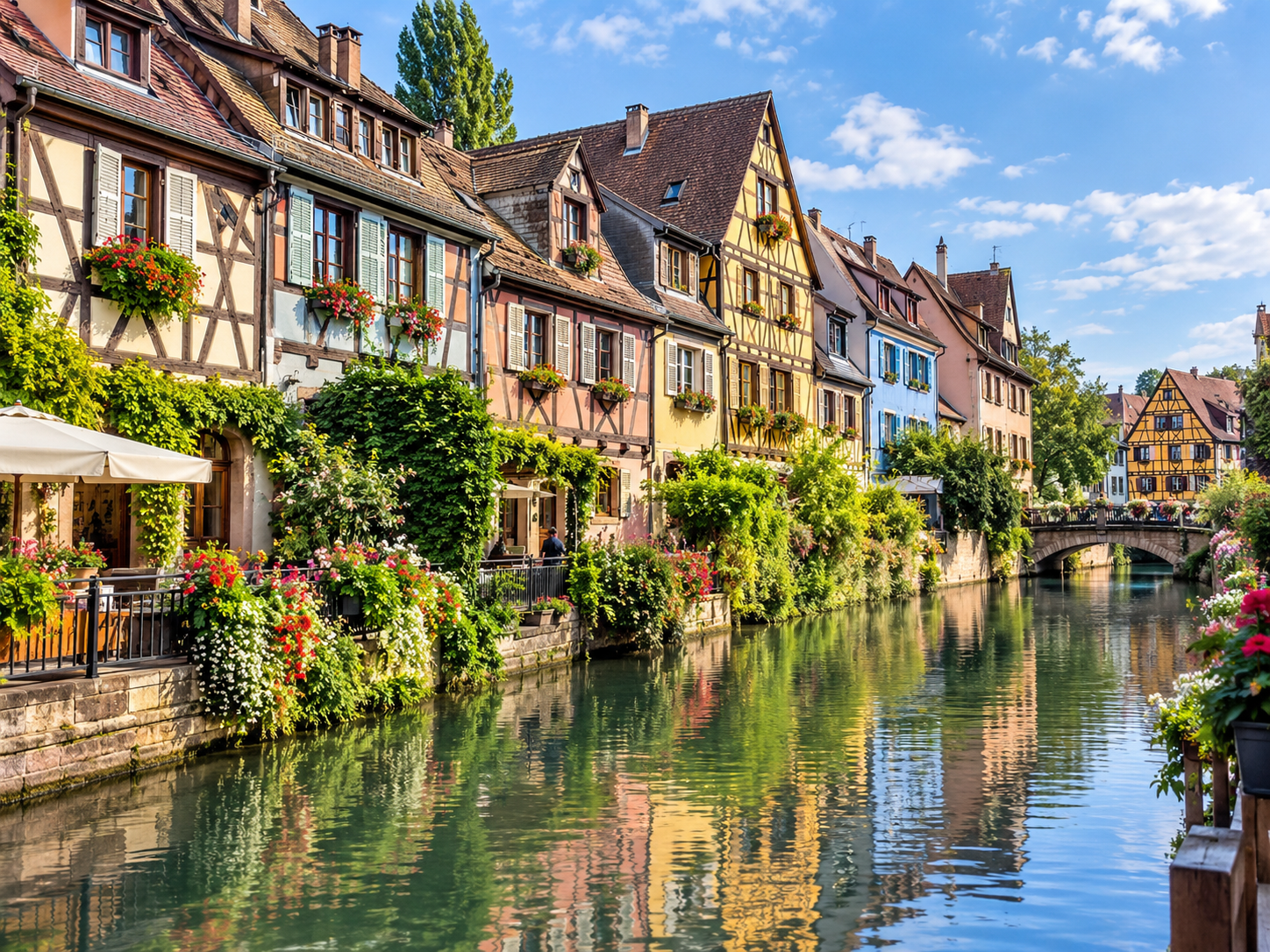
Canals, cathedral stonework and a city with a European outlook
Explore the lanes of the Grande Île, follow the waterways through Petite France and make time for Strasbourg beyond the postcard views. This is a city for walking, thoughtful museum visits and long Alsatian meals.
Best forHeritage & city lifeGothic architecture, canals, museums and Alsatian food
Ideal stay2–3 nightsA complete city day plus time for other districts
Getting aroundWalk + tramLeave the car parked while exploring the centre
Plan aheadSeason & reservationsChristmas, major events and hotel spa slots
Strasbourg rewards a stay that looks beyond its most familiar image. The cathedral and half-timbered houses are compelling, but the city also has monumental nineteenth-century avenues, major European institutions, landscaped parks and museums that explain its position between cultures. A short visit can be beautiful; a second day makes it more revealing.
Begin with a manageable walking route through the centre, then choose what will add the most to your trip. Art lovers may give a substantial part of the day to a museum, while families might prefer a boat trip and a park. Leave space for lunch and for the simple pleasure of walking along the water without a destination.
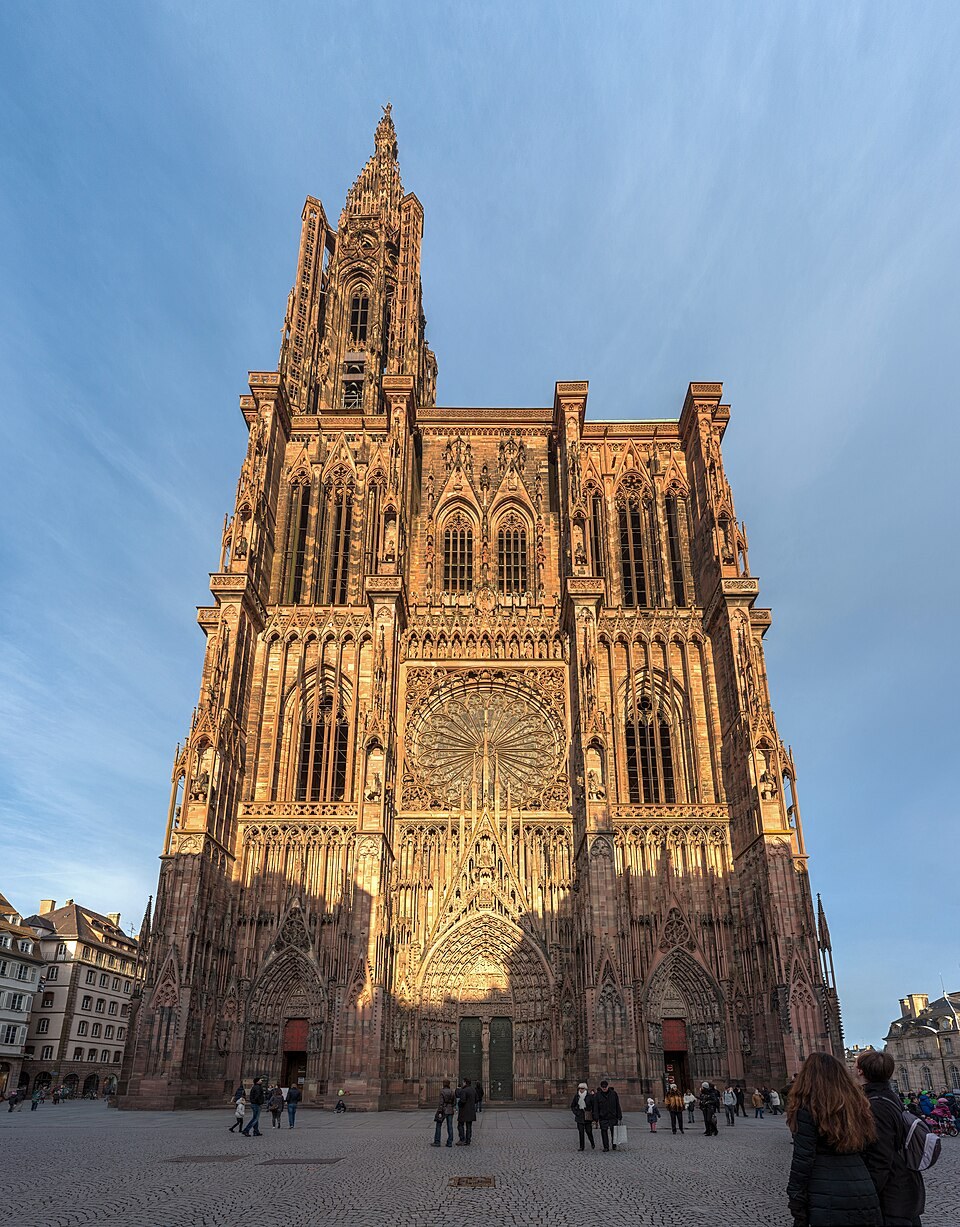
The pink sandstone cathedral dominates the historic centre with intricate Gothic carving and a remarkable interior. Begin outside, where the façade deserves more than a quick photograph, then allow time inside to look at the stained glass, sculpture and the changing light.
General sightseeing access is separate from the astronomical-clock presentation and the platform climb. Services and special events affect entry, so check the cathedral’s current information. Keep bags light and plan a respectful visit rather than treating the building as a passage between other attractions.
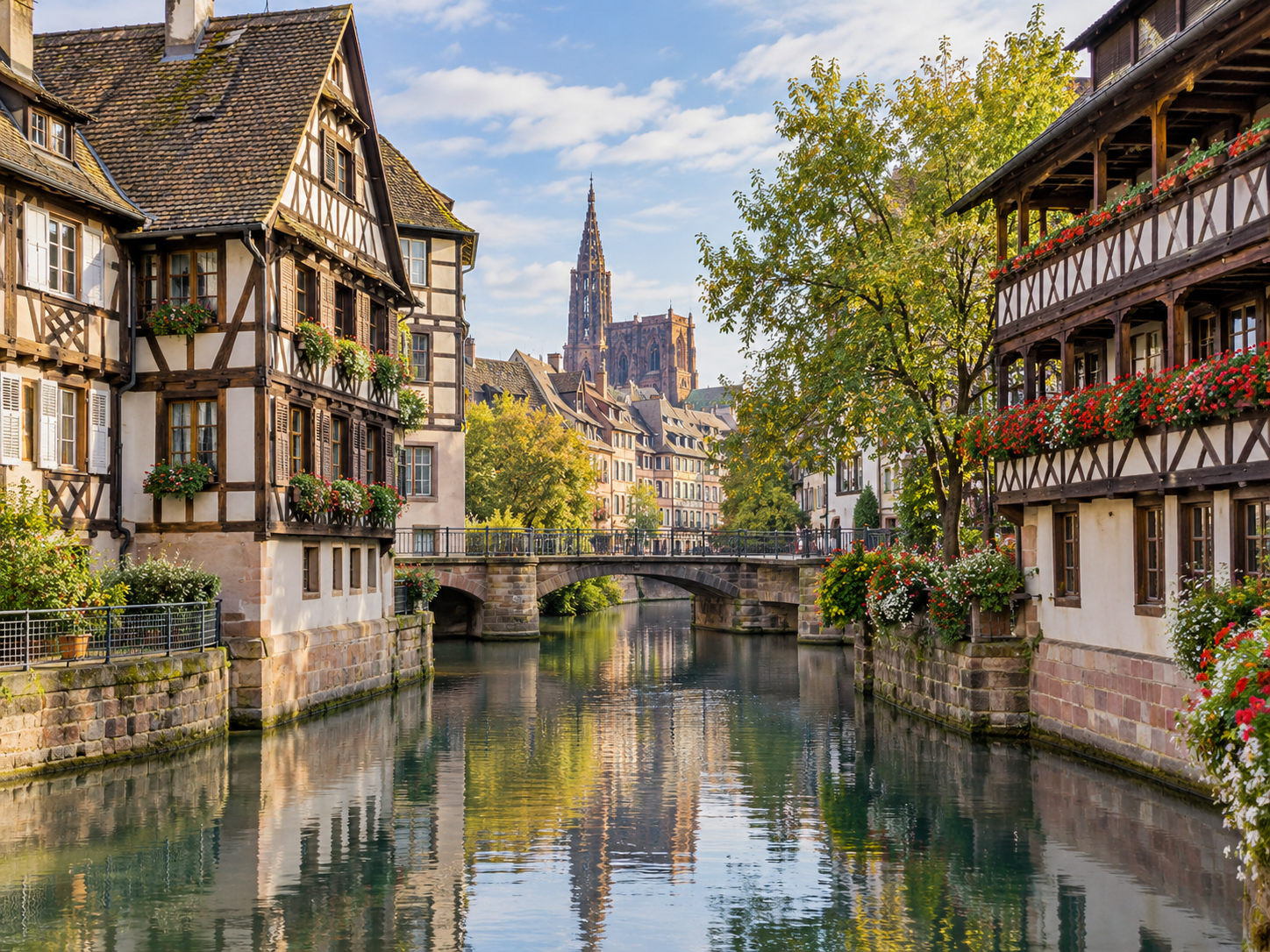
Petite France is the former quarter of millers, tanners and fishermen, where waterways and timber-framed buildings give the city its most familiar views. Explore a few side lanes as well as the main bridges, and return at a quieter time if your first walk coincides with a busy group.
The pleasure here is in the details: façades, reflections, changing perspectives and a pause beside the water. Keep moving through narrow passages, respect residential doors and give the district enough time to feel like a place rather than a photograph.
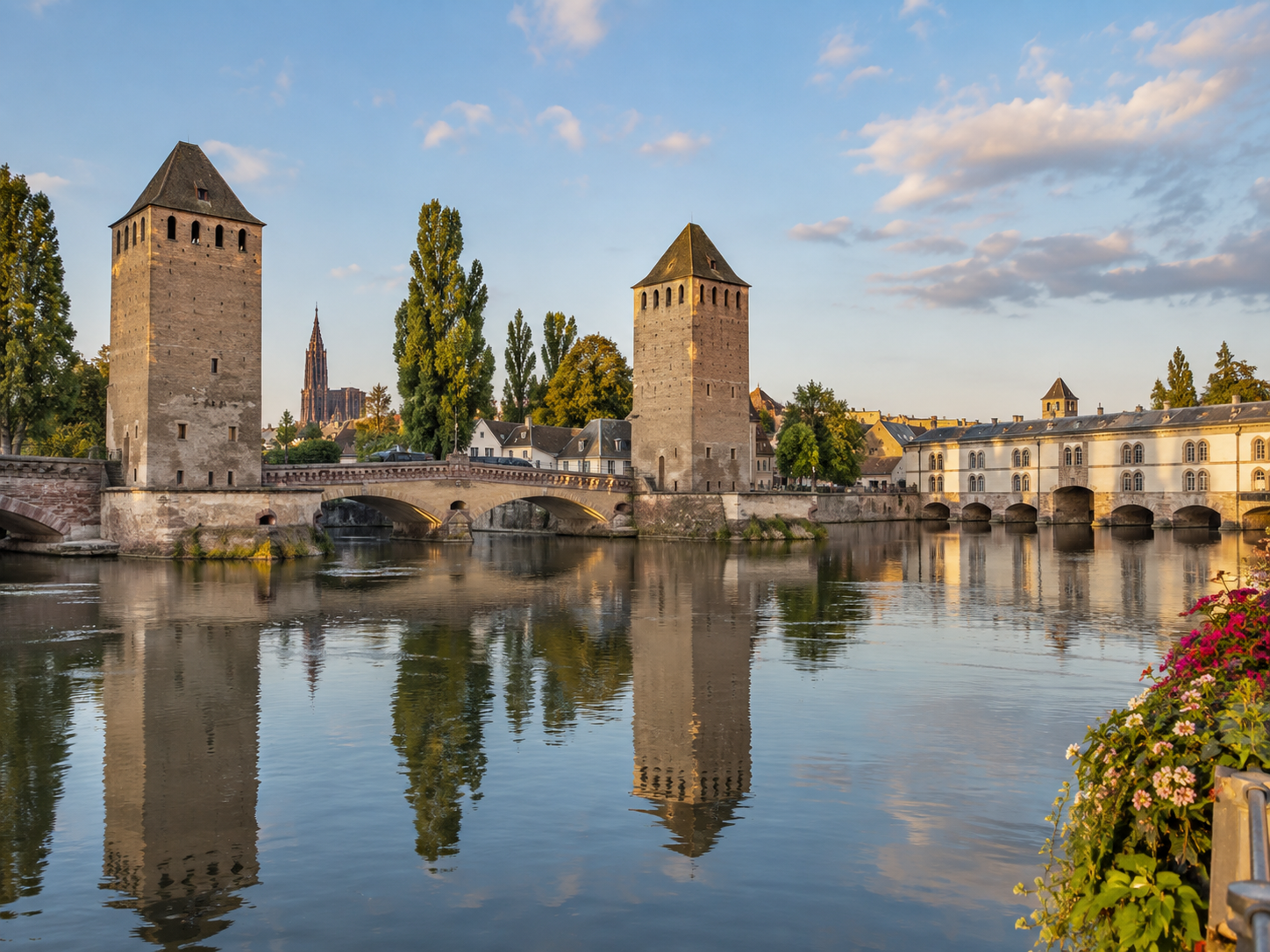
The fortified bridges and the Barrage Vauban help explain how water shaped Strasbourg’s defences. The barrage’s panoramic terrace offers a useful overview of the canals and the old city, making this a natural extension of a Petite France walk.
The lower passage and the terrace have different opening arrangements, and terrace hours change with the season. Check before making a special trip late in the day. Allow time to enjoy the view instead of rushing straight back to the cathedral quarter.
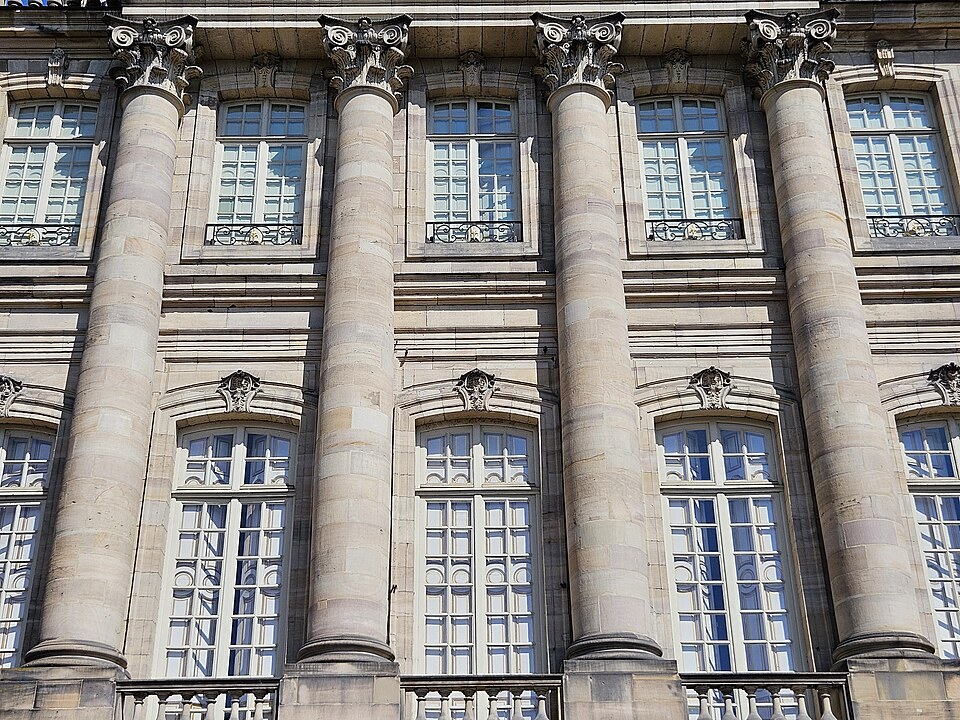
Beside the cathedral, the eighteenth-century Palais Rohan houses the decorative arts, fine arts and archaeological museums. The building itself adds another period to the city’s story, with a more formal architectural language than the surrounding medieval streets.
Choose one collection deliberately if time is limited. Check each museum’s own opening and ticket conditions rather than assuming the whole palace functions as one uninterrupted visit. A focused hour or two can be more rewarding than trying to see every gallery.
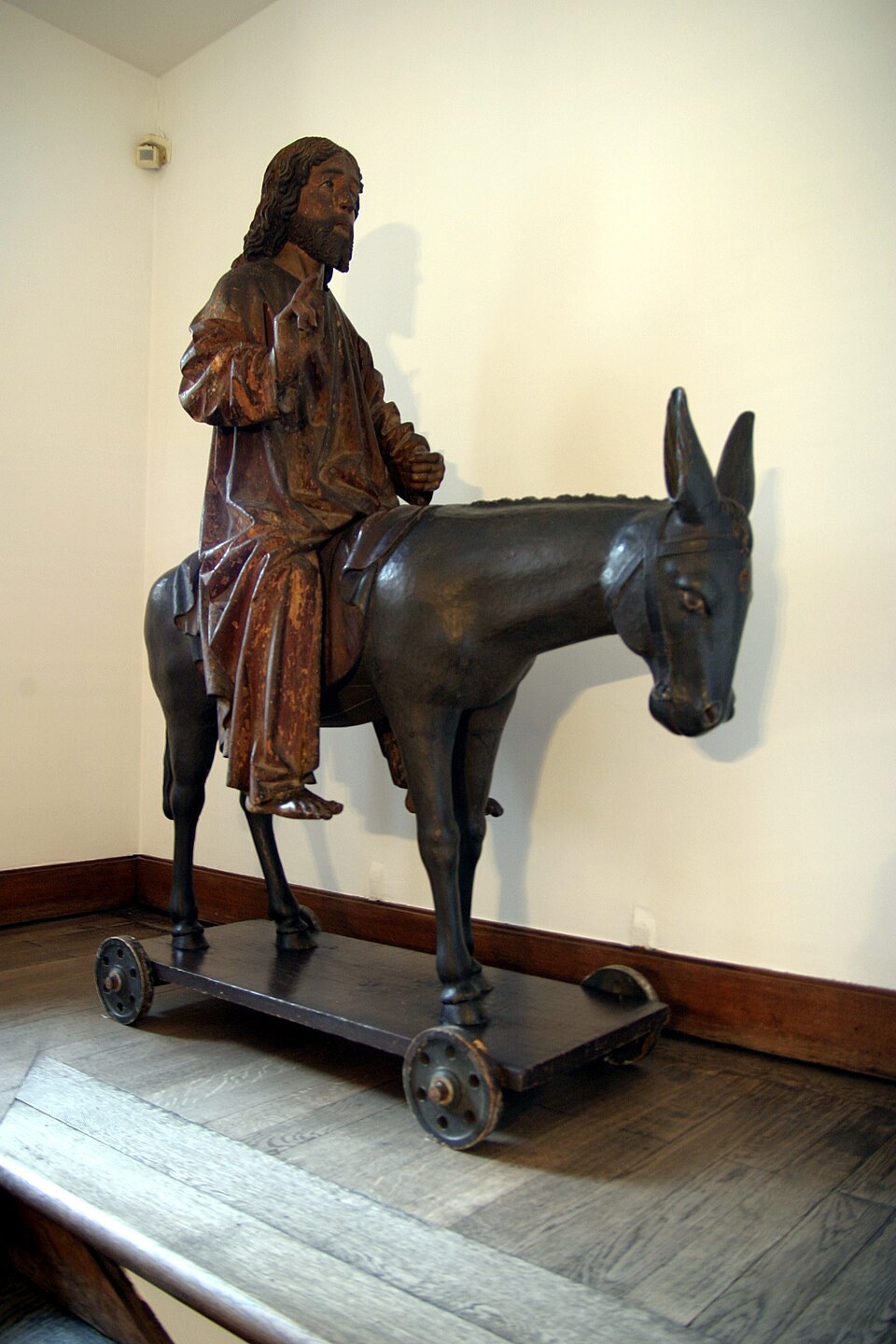
This museum brings together medieval and Renaissance art, including sculpture from the cathedral. It gives context to details you have seen outside and suits visitors interested in craftsmanship, stained glass and the artistic life of the Upper Rhine.
The regular closing day is Monday; temporary installation closures can also occur. Check the calendar and accessibility information for the exact rooms you hope to see. The Musée Alsacien is a different museum and is closed for works, with reopening planned for 2028.
Beyond the narrow lanes, the Neustadt opens into broad avenues, monumental buildings and landscaped spaces. Place de la République is a useful starting point for understanding this district developed during the German imperial period.
Continue along the architectural perspectives instead of visiting only the square. This is an appealing walk for a second morning, especially when you want a break from the busiest historic streets. Look at the variety of façades and remember that many buildings remain working institutions.
The clock presentation culminates in the automata at 12:30, with a preceding film and a dedicated entry arrangement. The cathedral states that tickets are bought on the day, with no advance reservation; Sunday and service-day arrangements differ.
The platform is a separate climb of 330 steps, without reduced-mobility access. The operator does not sell advance or skip-the-line tickets and may close the route for weather or capacity reasons. Choose it only if the climb suits you, and keep an alternative in the programme.
Batorama’s city circuits connect the waterways with Strasbourg’s different architectural districts. The operator’s Red Circuit links the central area, Petite France, the Neustadt and the European quarter, offering a useful overview before a more detailed walk.
Book the exact departure and check the boarding point on the ticket. Wheelchair access is available only on suitable departures with advance arrangements; the operator also warns that cobbles and the access ramp can be challenging. Do not assume every boat has the same facilities.
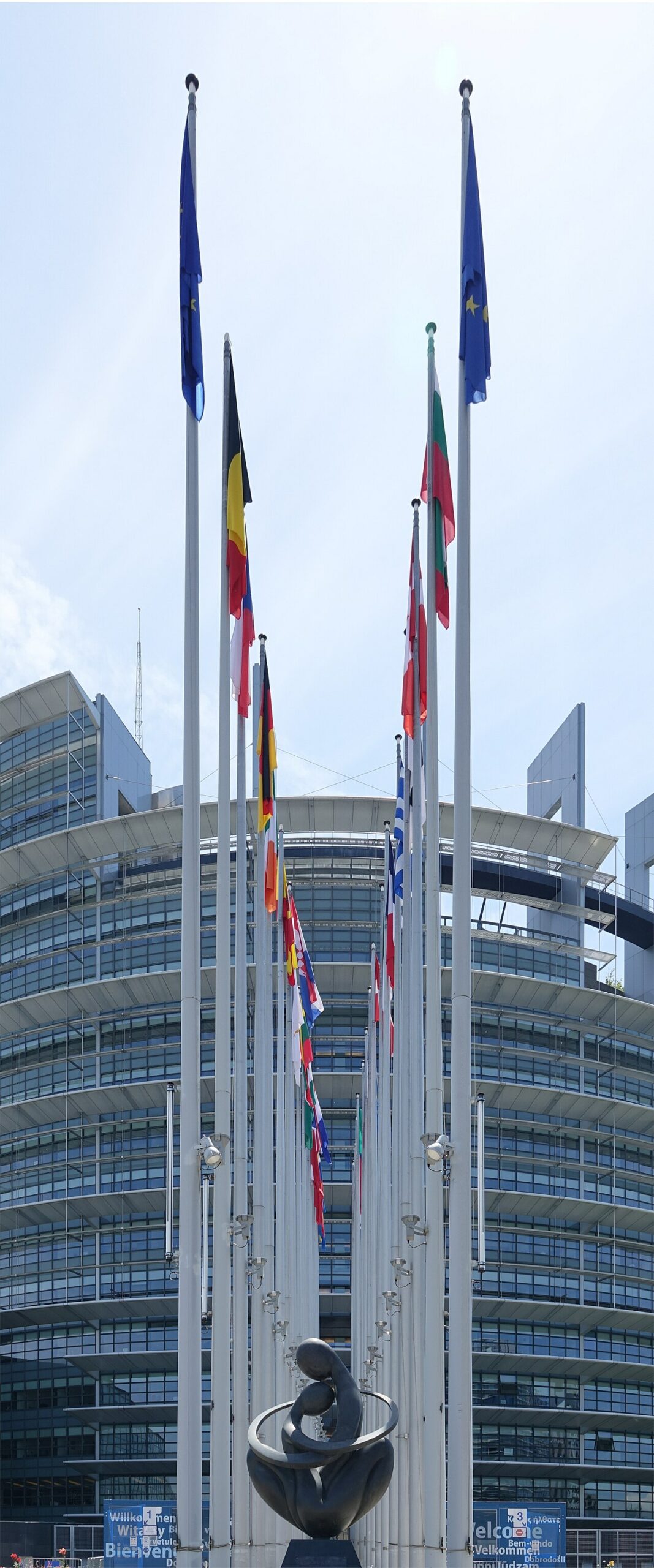
A visit to the Parliament adds a different kind of heritage to the trip: the institutions and public life of Europe. The visitor format changes between plenary sessions and other periods, so choose your date from the official visitor calendar rather than relying on a generic sightseeing timetable.
Bring a valid physical passport or national identity card. The Parliament does not accept a driving licence, a photocopy or a phone image as the required identity document. Allow time for security and confirm whether your selected visit requires registration.
IA Generated — regional food illustration; not a photograph of a named restaurant, dish or market.
Wednesday & Friday
Marché Broglie
The regular market on Place Broglie gives a central walk a useful local focus. The city lists Wednesday and Friday as the usual market days; check temporary relocations or holiday changes before setting your plans around it.
Browse early if you want to shop, then continue towards the cathedral or the Neustadt. Keep purchases manageable, especially if your next visit involves security checks or a museum cloakroom.
IA Generated — regional food illustration; not a photograph of a named restaurant, dish or market.
Saturday morning · Rue de la Douane
The producers’ market
The producers’ market on Rue de la Douane is a good Saturday-morning stop close to the historic centre. It fits naturally before a museum visit or a walk along the quays, and gives you a reason to look beyond souvenir shopping.
Allow time for a bakery or café stop nearby and check the current municipal listing for exceptions. If you are buying picnic food, plan where you will eat it and how you will keep it until then.
IA Generated — regional food illustration; not a photograph of a named restaurant, dish or market.
A traditional winstub experience
Chez Yvonne
One of Strasbourg’s best-known winstubs, Chez Yvonne suits travellers who want an Alsatian dining experience in an established local setting. The appeal is as much the atmosphere and regional identity as the familiarity of the name.
Reserve ahead and check the current menu rather than assuming every classic dish is always available. Tell the restaurant about dietary needs when booking; a traditional menu may require more planning for some preferences.
IA Generated — regional food illustration; not a photograph of a named restaurant, dish or market.
Contemporary dining in a historic setting
Brasserie des Haras
The former national stud provides an impressive setting for a brasserie with Alsatian inspiration. It works well as a destination meal after exploring Petite France, with time to appreciate the architecture as well as the food.
Book directly and wait for confirmation. The restaurant asks guests seeking a table within forty-eight hours to contact it by phone. If combining dinner with a spa stay at the hotel, keep the restaurant reservation separate from the room booking.
IA Generated — regional food illustration; not a photograph of a named restaurant, dish or market.
A convenient central option
Au Gutenberg
On Place Gutenberg, this restaurant offers familiar Alsatian dishes such as tarte flambée, choucroute and baeckeoffe. Its central position makes it useful when you want a straightforward meal close to the cathedral quarter.
Review the current menu and reserve if the timing matters. The restaurant lists vegetarian choices, children’s facilities and wheelchair access, but confirm your particular needs directly. A terrace table depends on weather and availability.
Three verified four- and five-star hotels offer different versions of a central Strasbourg stay: a historic courtyard, a canal-side address and a contemporary hotel in the former national stud. Check the exact room and arrival arrangements before booking.
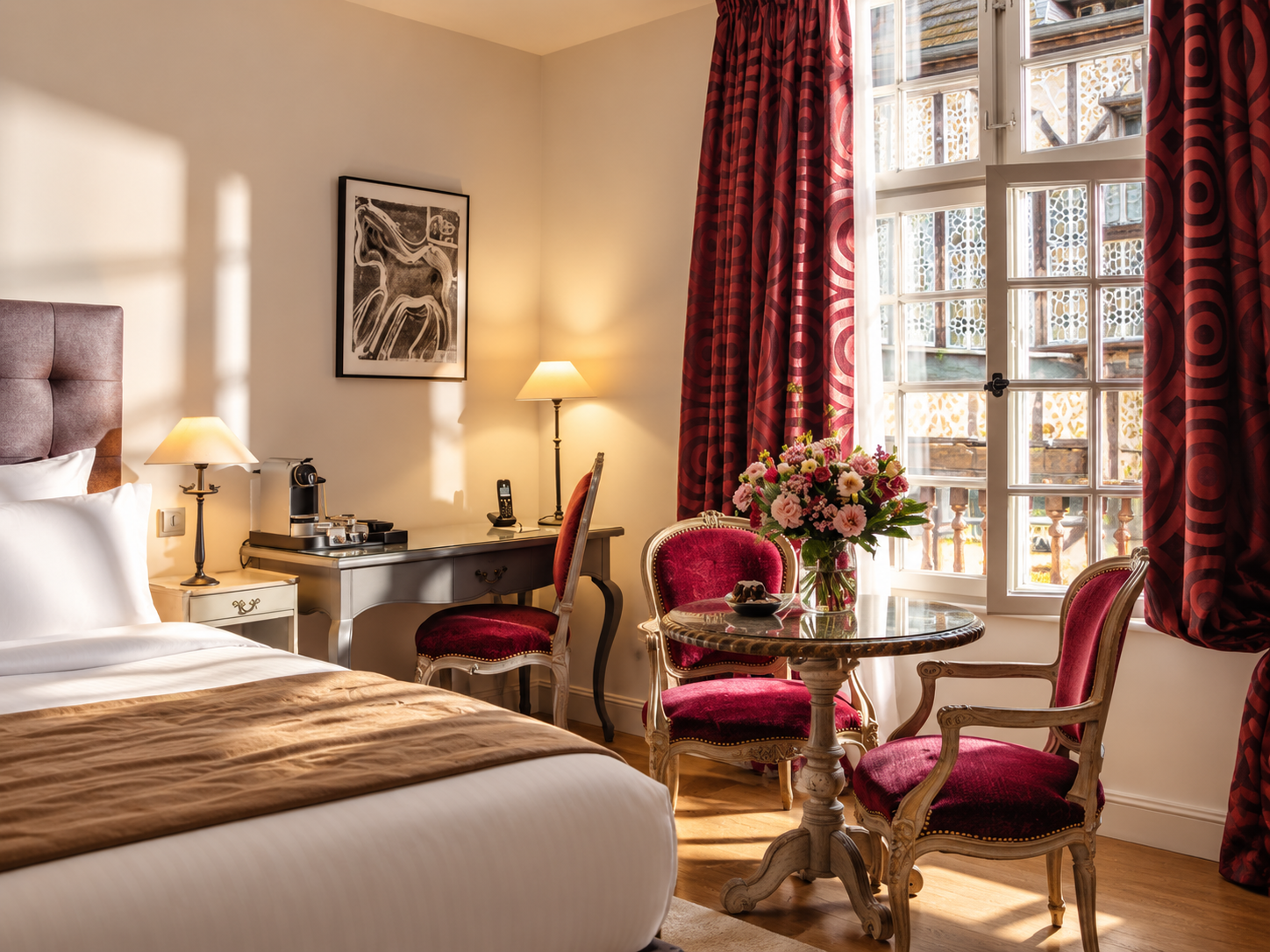
AI-generated photorealistic view.
4-star hotel · Rue des Couples · near the cathedral quarter
Hôtel Cour du Corbeau
A historic inn setting with timber galleries and an intimate courtyard, paired with individually arranged rooms. It suits travellers who want the character of old Strasbourg while staying close to the centre’s main walking routes.
Best for: A heritage-focused city break with a distinctive hotel atmosphere.
Facilities: Rooms and suites, courtyard, bar and breakfast service; three reduced-mobility rooms are listed.
Room layouts and outlooks vary. Reserve an accessible room in advance if needed and ask the hotel for luggage-drop and parking directions before arriving by car.
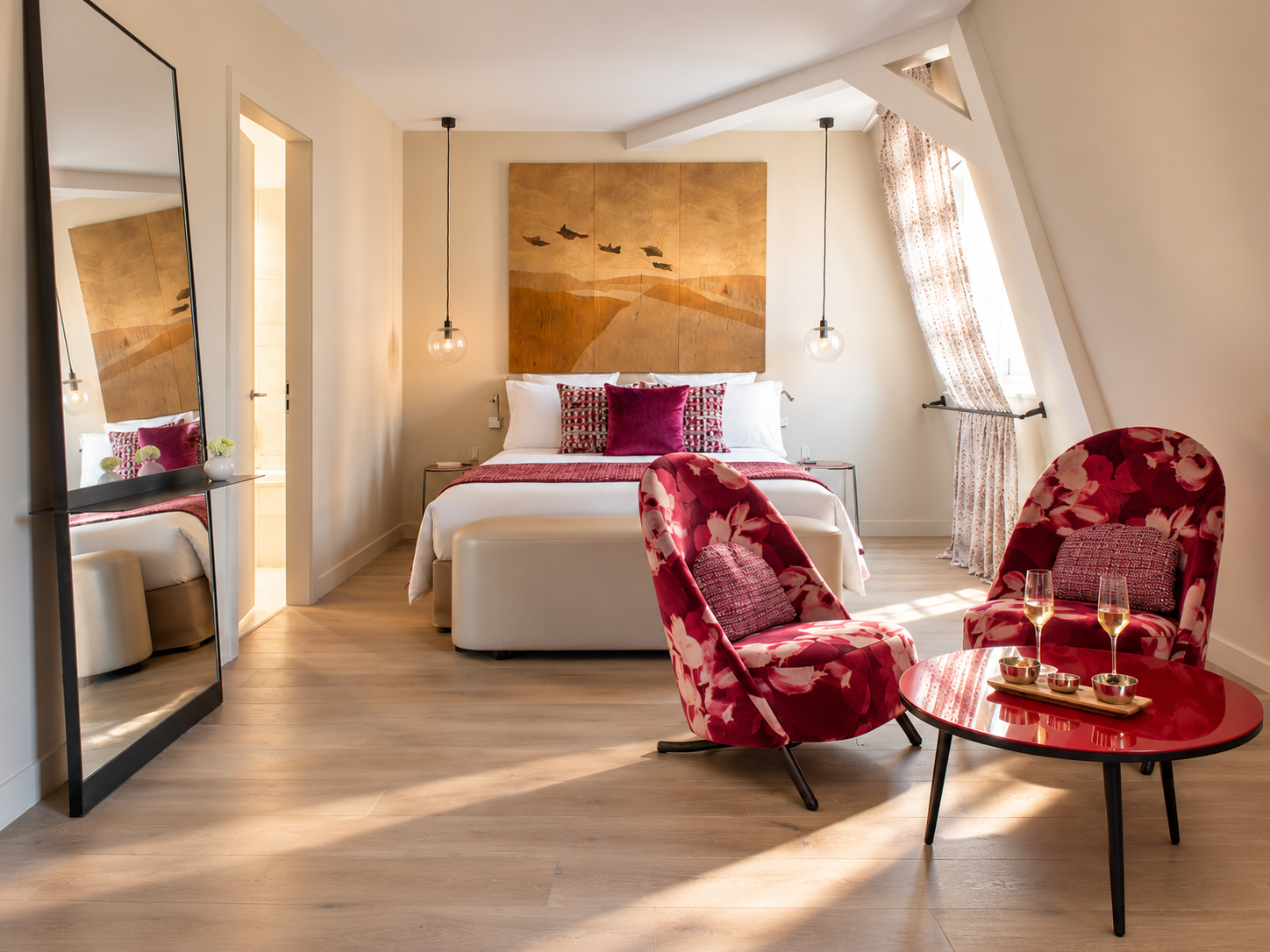
A canal-side hotel in the former iceworks, with a strong connection to the surrounding quarter. It is a good choice for travellers who want to return to Petite France in the evening and enjoy the area after a day of sightseeing.
Best for: A special-occasion city stay with views and bookable spa time.
Facilities: Rooms and suites, dining and bar, spa and fitness facilities.
Views depend on the category: the Classic rooms are described as facing Rue des Moulins. Spa access is timed and requires reservation; confirm the allowance and book the main hotel or pavilion deliberately.
4-star hotel · Rue des Glacières · edge of Petite France
Hôtel Les Haras
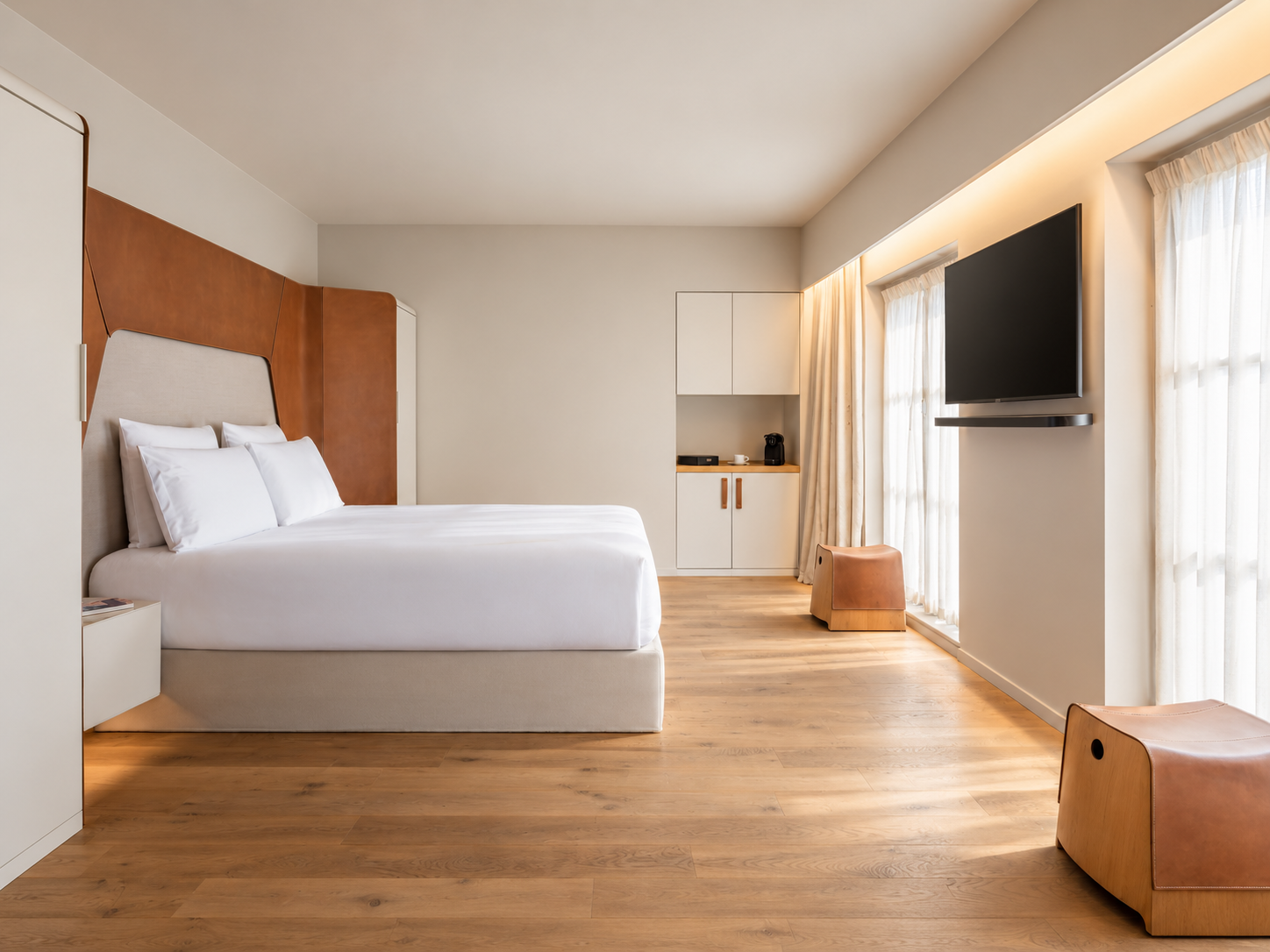
A contemporary hotel in the setting of the former national stud, with restrained rooms using wood, leather and other natural materials. It suits visitors who enjoy design and want a calmer hotel base within reach of the old town.
Best for: A design-led stay with time reserved for the hotel’s wellness facilities.
Facilities: Indoor pool, sauna, hammam, treatments, fitness facilities and courtyard; the Brasserie des Haras is a separate dining reservation.
The spa is for guests aged sixteen and over. The hotel currently includes one reserved hour per night; confirm the terms of your rate and book the slot rather than expecting unlimited access.
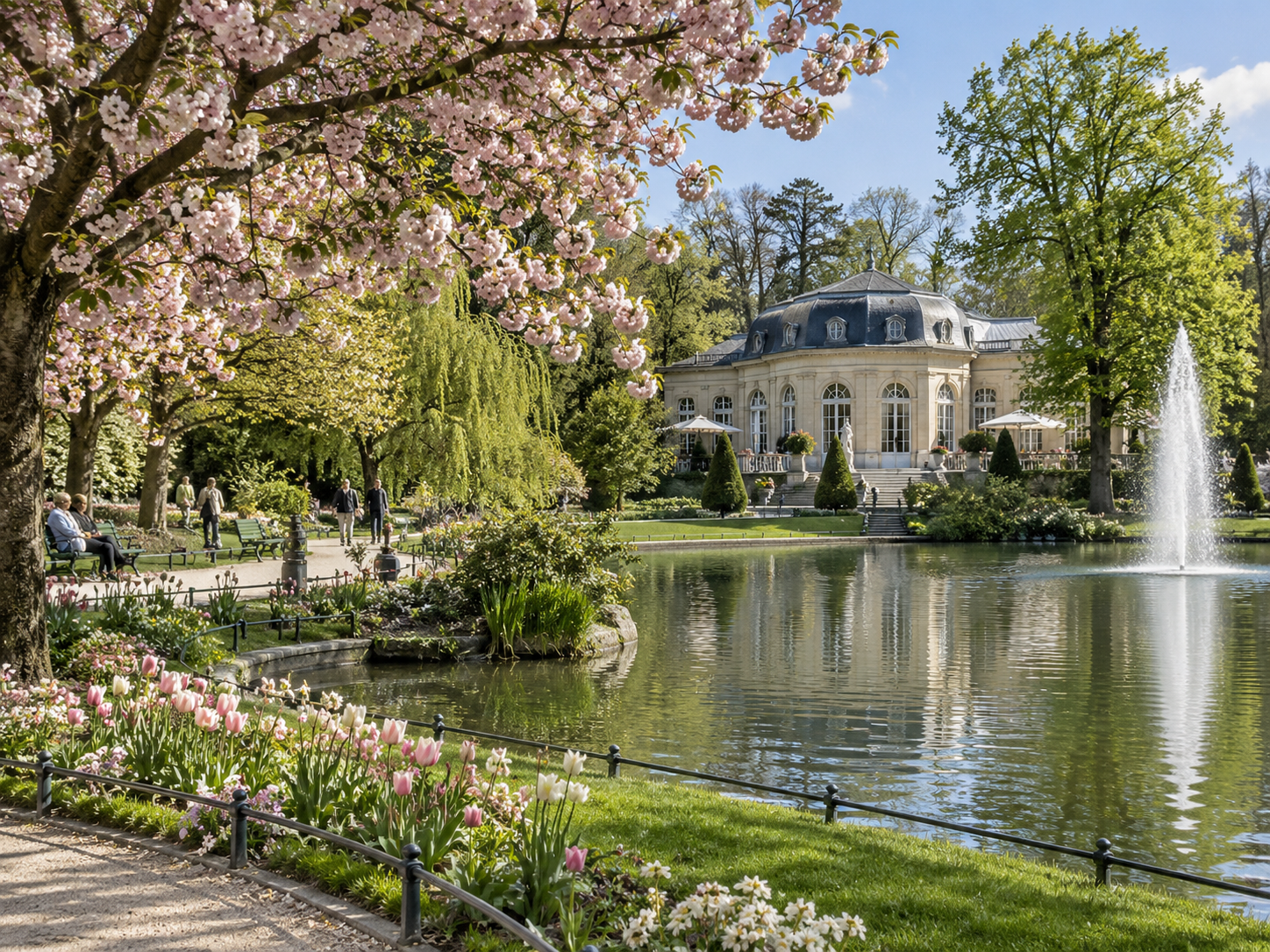
Spring is a pleasant time to combine the central sights with the Orangerie and the Neustadt. Keep a museum option for rain and bring layers for a boat trip or an evening beside the canals.
Outdoor evenings
Summer
Long days make it easier to divide sightseeing into a morning walk and a later return to the centre. Plan indoor visits or a slower lunch during hot periods, and book the experiences whose timing matters most.
A city stay with food & culture
Autumn
Autumn works well for museums, neighbourhood walks and longer meals. Check the event calendar before choosing a hotel: a large congress or institutional session can affect room availability even outside holiday periods.
AI-generated photorealistic view.
Plan from the official programme
Christmas season
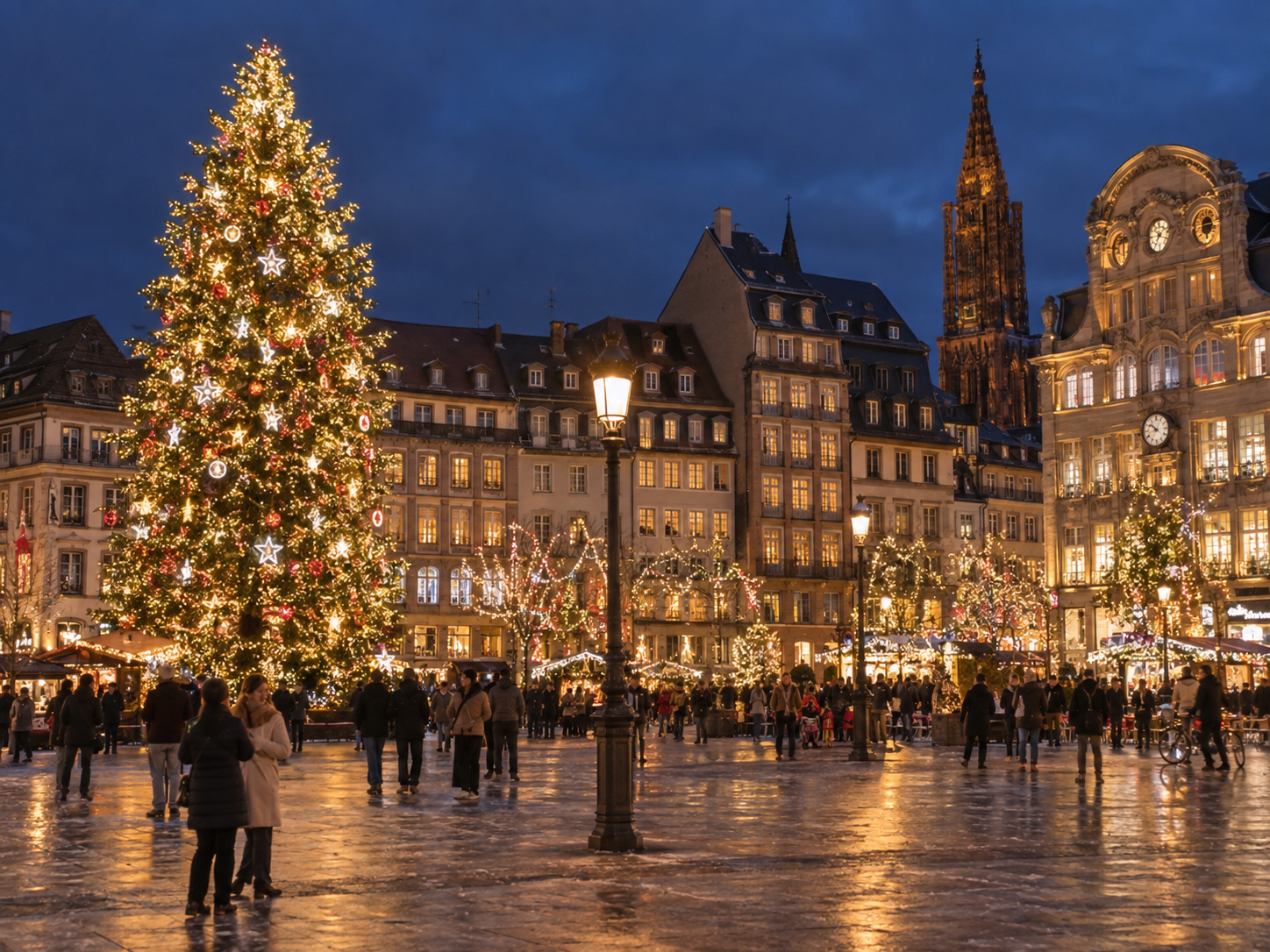
The Christmas markets transform the historic centre, bringing lights, stalls and heavier foot traffic. Check the official programme for the exact dates, access arrangements and opening times of your year of travel.
Choose your hotel and dinner bookings early, travel light into the centre and allow extra time between places. A weekday stay can give you more flexibility, but busy periods still require patience and a simpler itinerary.
One full day gives an introduction to the cathedral quarter and Petite France, with one additional visit or a boat trip. If you also want the clock presentation, plan lunch and other bookings around its specific arrangement.
Two or three nights allow the city to unfold more comfortably: one day in the historic centre, another for museums, the Neustadt or European quarter, and perhaps a separate excursion. A longer stay also makes room for your hotel and for unplanned discoveries.
Getting There
A strong choice for a city stay
By train
Strasbourg’s main station is close to the centre and served by high-speed and regional trains. Check current journey times and connections for your dates, then decide whether to walk, use the tram or take a taxi to your hotel with luggage.
Leave a buffer before the first booked activity. The short distance between station and old town does not remove the time needed to find the hotel, leave bags and orient yourself.
Strasbourg Airport at Entzheim has a rail connection to the main station. Check the actual service on your arrival day and allow for walking from the terminal to the station and onward to the hotel.
If your flight uses another regional airport, plan that transfer separately. Airport names can cover a wide area, and a cheap flight is less useful if it creates a long or awkward last journey.
The central sights lend themselves to walking, while tram and bus journeys help with the European quarter, the Rhine and other districts. Use the current CTS route information and validate the ticket appropriate to your journey.
Cycling can be a useful option for confident riders, but busy pedestrian lanes need care. Plan a continuous route rather than improvising through the densest sightseeing streets, and allow extra time for cobbles, crossings and photo stops.
For a day visit, a CTS park-and-ride can be easier than driving into the historic centre. The current P+R offer combines parking with bus and tram travel for up to seven people travelling together; check the exact product and validate the ticket as instructed.
Day and longer-stay tickets have different validity rules. CTS offers specific twenty-four-, forty-eight- and seventy-two-hour products, so do not assume that a day ticket covers an overnight stay. Check the selected car park’s height restrictions and current operating information.
For hotel arrivals, request precise access and luggage-drop instructions. Pedestrian streets, local restrictions and seasonal arrangements can make the shortest route on a map unsuitable. During Christmas events, verify the official access plan before starting the final drive.
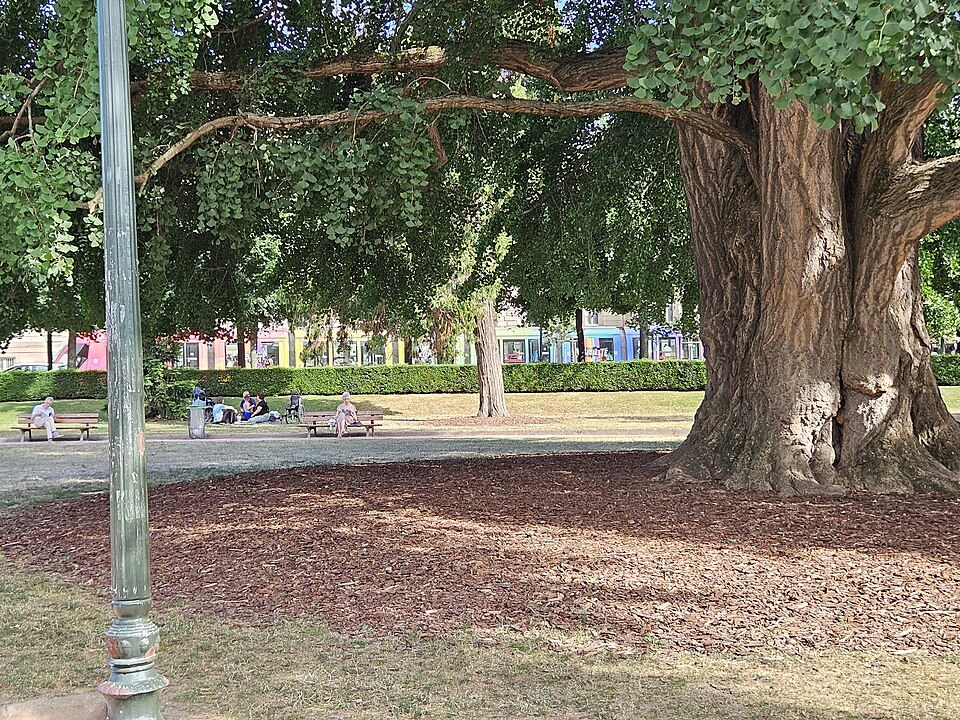
The Orangerie offers a broad green setting with mature trees and varied landscaped paths. It makes a natural counterpoint to the historic centre and can be combined with the European quarter if your visit schedule allows.
Keep the park as unhurried time rather than another attraction to complete. It is particularly useful for families or anyone who wants a quieter afternoon after museums and city walking.
Colmar is a practical excursion by rail, with its own historic centre and the waterways of Petite Venise. Treat it as a full destination rather than adding it to a long list of villages on the same day.
Check the train timetable and choose a few priorities, then leave time for lunch and wandering. If your wider trip continues south through Alsace, an overnight move may be more efficient than returning to Strasbourg.
Choose countryside character or a cross-border walk
Obernai or the Rhine at Kehl
Obernai offers an attractive town centre with a belfry, historic buildings and ramparts, making it a manageable introduction to another side of Alsace. Choose it when you want a town excursion without trying to cover the whole Wine Route.
For a greener alternative closer to Strasbourg, the Jardin des Deux Rives and its pedestrian bridge connect the French and German banks of the Rhine. Plan the outward and return journey, bring suitable travel documents for your circumstances and enjoy the river setting.
Start in the cathedral quarter, allowing for the opening and clock arrangements if those matter to you. Walk through the Grande Île to Petite France, have lunch, then continue to the Ponts Couverts and Barrage Vauban.
Choose a boat trip or one museum for the remaining part of the day. Avoid trying to add both the European quarter and a regional excursion to this first introduction.
Add the Neustadt and another perspective
Two days · a broader Strasbourg
Use day one for the historic centre. On day two, choose a museum in the morning, then explore the Neustadt and Place de la République. If you have booked a Parliament visit, build that day around its timing and add the Orangerie when practical.
Keep dinner close to your evening route or hotel. A central stay is more enjoyable when you can return for a break rather than staying on your feet from breakfast to bedtime.
One well-chosen excursion
Three days · city and Alsace
Add Colmar, Obernai or a planned Wine Route outing as a separate day. Choose transport before booking activities and keep the number of stops realistic. A driver-led excursion can be useful if tasting at several producers is a priority.
If you would rather stay in Strasbourg, use the extra day for the Rhine, another museum, a market and hotel spa time. A third day does not have to be spent travelling.
Accessibility & Practical Advice
Opening calendars matter: museums do not all close on the same day, and religious services alter cathedral access. Check each selected venue shortly before travel. The Musée Alsacien is currently closed for works, with reopening planned for 2028.
Accessibility needs a route-level check. Cobblestones, ramps and historic interiors can make a short distance more demanding. Confirm your hotel room, boat departure and museum route individually; the cathedral platform is reached only by stairs.
For the Parliament, keep the required physical identity document with you and allow time for security. For other visits, avoid carrying unnecessary luggage, and confirm cloakroom arrangements instead of assuming every attraction stores large bags.
Restaurant and hotel reservations deserve the same attention as sightseeing. Confirm dietary requirements, arrival time, parking and spa rules in advance. During major events or Christmas, reduce the number of fixed appointments and give yourself larger margins.
FWP Insider Advice
Visit the postcard quarter twice if you can: once to orient yourself and once when you can slow down. Different light and a quieter stretch of the day can change the experience more than adding another distant attraction.
Use a boat trip to understand the city, then return on foot to the places that interested you. The overview and the detailed walk serve different purposes and work well together when the day is not overloaded.
Choose a hotel for the way you want to spend the stay. A canal view, a historic courtyard and a pool are different benefits; none is worth paying for if your schedule leaves no time to enjoy it.
Frequently Asked Questions
How many days do I need in Strasbourg?
Allow one full day for the central highlights, or two to three nights for museums, other districts and a more relaxed pace. Add a separate day for a regional excursion.
Do I need a car?
A car is usually unnecessary for the city centre. Walking and public transport work well; arrange a car or other transport only for the countryside itinerary you actually plan.
Can I book the cathedral platform in advance?
The platform operator states that there is no advance booking or skip-the-line ticket. The climb has 330 steps and may be restricted by weather or capacity.
Is the Musée Alsacien open?
No. It is closed for works, with reopening planned for 2028. Check the municipal museums website for updates and choose another museum for the current trip.
Are all sightseeing boats wheelchair accessible?
No. Book an accessible Batorama departure in advance and confirm boarding arrangements; the operator also notes difficult cobbles and a ramp near the quay.
When are the Christmas markets?
Check the official Christmas website for your year’s confirmed dates, hours and access arrangements before booking a trip around them.
Can I visit Colmar from Strasbourg?
Yes, it is a practical rail excursion. Check the current timetable and give Colmar its own day rather than combining too many places.
Plan Your Stay
France. Well Planned.
Discover Strasbourg with a route that leaves room to enjoy it.
We plan. You choose. You book.
We help you choose the right hotel, balance heritage and local experiences, and organise a clear, comfortable city stay or wider Alsace journey.
Last reviewed: 4 October 2026. Practical information, schedules and services may change. Use the linked operators to confirm your dates. Travel times in this guide are planning estimates, not timetables.
Destination imagery is an AI-generated editorial illustration. Hotel images are AI-generated photorealistic views based on real official reference photographs and are labelled accordingly. They illustrate atmosphere and do not guarantee a particular room, view or current furnishing. Confirm these details directly with the hotel.