Burgundy, Champagne & Alsace · France

Dijon

Ducal heritage, lively markets and a generous introduction to Burgundy

Follow the owl through the old streets, explore the palace and make time for the table. Dijon combines a walkable historic centre with museums, markets and an easy starting point for the vineyards to the south.

Plan My Trip
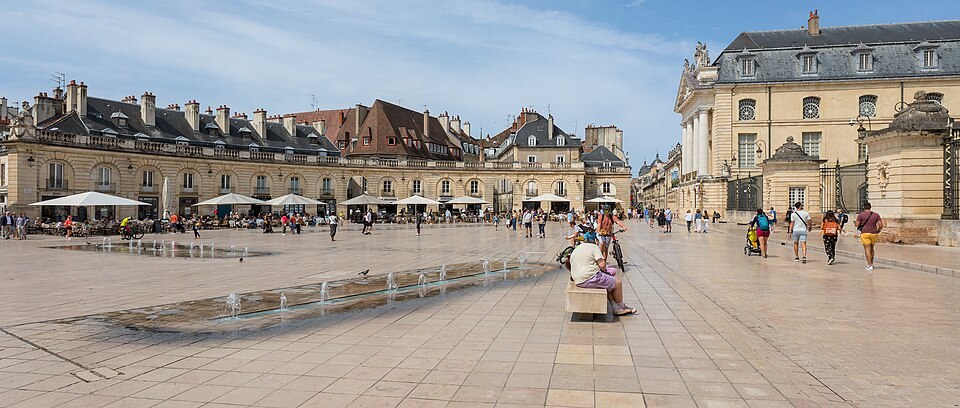
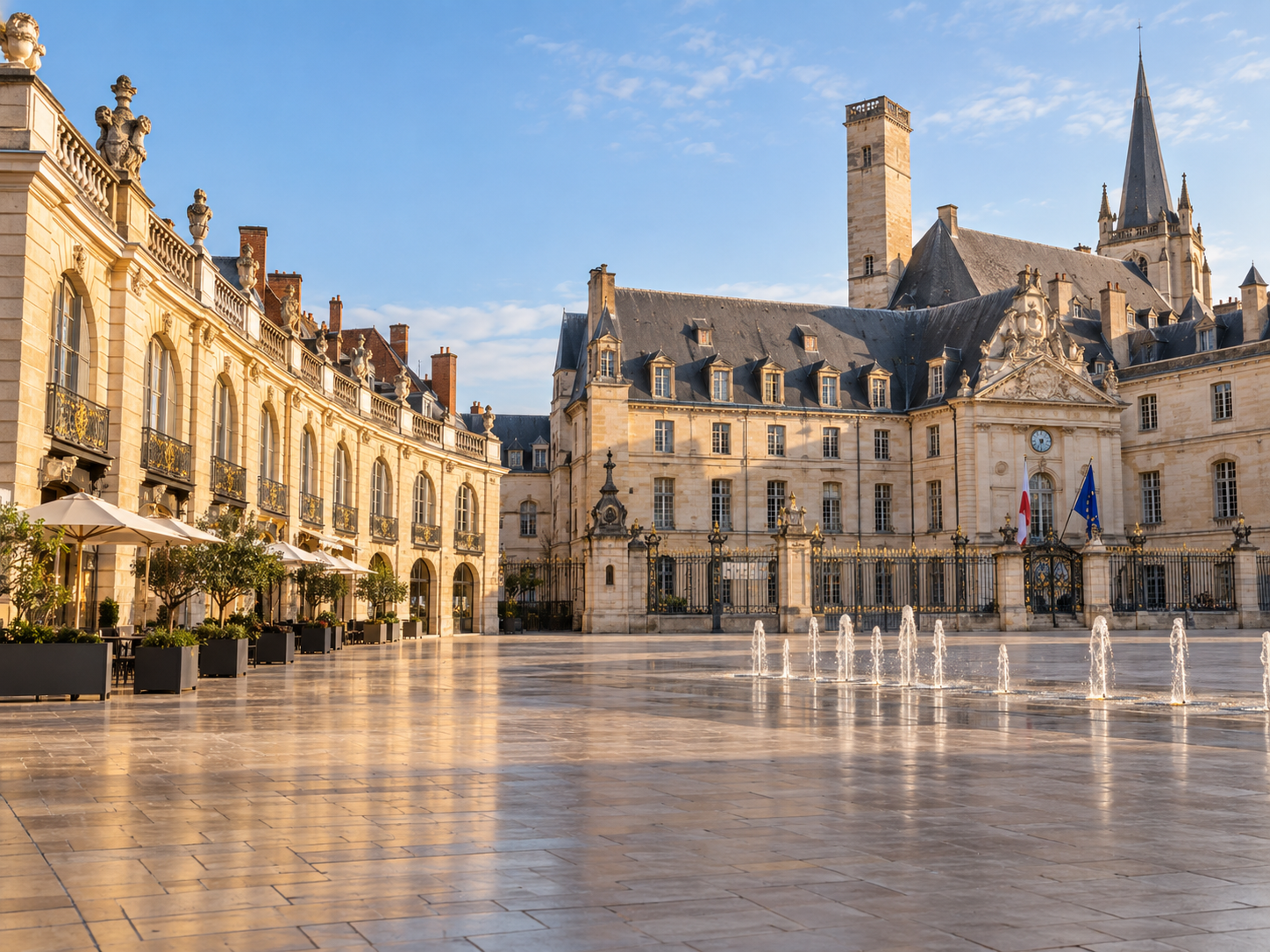
Place de la Libération and the Palace of the Dukes of Burgundy in Dijon, France
AI-generated photorealistic view.

Dijon at a Glance

Best stay2–3 nightsAdd a day for the vineyards
First visitOld town & palaceWalk first, then choose an interior visit
Market morningsTue · Thu · Fri · SatCheck the current Halles schedule
Getting aroundWalk & tramA car is optional for the city

Dijon works particularly well as a city break with a strong sense of place. The palace, churches and old streets introduce the power of the Burgundian dukes, while the Halles and restaurants make the region’s food culture part of an ordinary day. It is a destination where a good lunch belongs in the itinerary as naturally as a museum.

For a first visit, stay centrally and give the city at least one full day before heading into the vineyards. A second day allows you to add a tower climb, another museum or the Cité de la gastronomie without rushing. Use a third for a focused excursion, with bookings and transport settled before departure.

Where to Go & What to See

Palace buildings surrounding Place de la Libération in Dijon

Photo: Benjamin Smith · CC BY-SA 4.0. Resized, compressed; display crop.

The city’s central landmark

Palace & Place de la Libération

Begin on Place de la Libération to understand the scale of the palace and its relationship with the old town. The complex has evolved over centuries and now contains civic functions as well as the Musée des Beaux-Arts.

Enjoy the exterior and surrounding streets before choosing a museum or tower visit. Access to one part of the palace does not mean that every room is open to visitors; follow the entrance and booking information for the experience you want.

Historic Dijon introduction
Palace buildings surrounding Place de la Libération in Dijon

Photo: Benjamin Smith · CC BY-SA 4.0. Resized, compressed; display crop.

Art within the ducal palace

Musée des Beaux-Arts

The museum gives the palace visit substance, with collections that include the famous ducal tombs. Allow enough time to choose a few galleries and look carefully rather than trying to see everything between two reservations.

Access to the permanent collection is free, while temporary exhibitions may require a paid ticket. The museum closes on Tuesdays and selected public holidays; check the current schedule before choosing your main cultural day.

Museum hours and admission
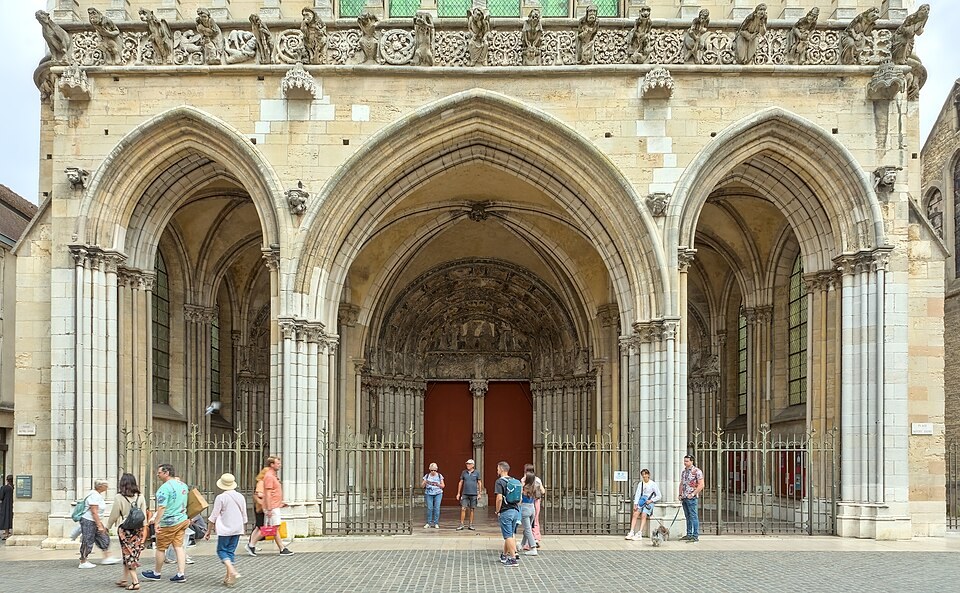
Notre-Dame church in Dijon, Burgundy

Photo: Benjamin Smith · CC BY-SA 4.0. Resized, compressed; display crop.

An introduction on foot

Notre-Dame & the Owl Trail

The Owl Trail links the historic centre through 22 marked stops, including the Notre-Dame quarter and streets lined with old town houses. Obtain the official guide or route and treat it as a framework for exploring.

Although the route can be walked briskly, allow longer for church interiors, courtyards and shop stops. You do not need to complete every stage in one outing; a shorter loop is often better for children or anyone who prefers regular rests.

Official Owl Trail
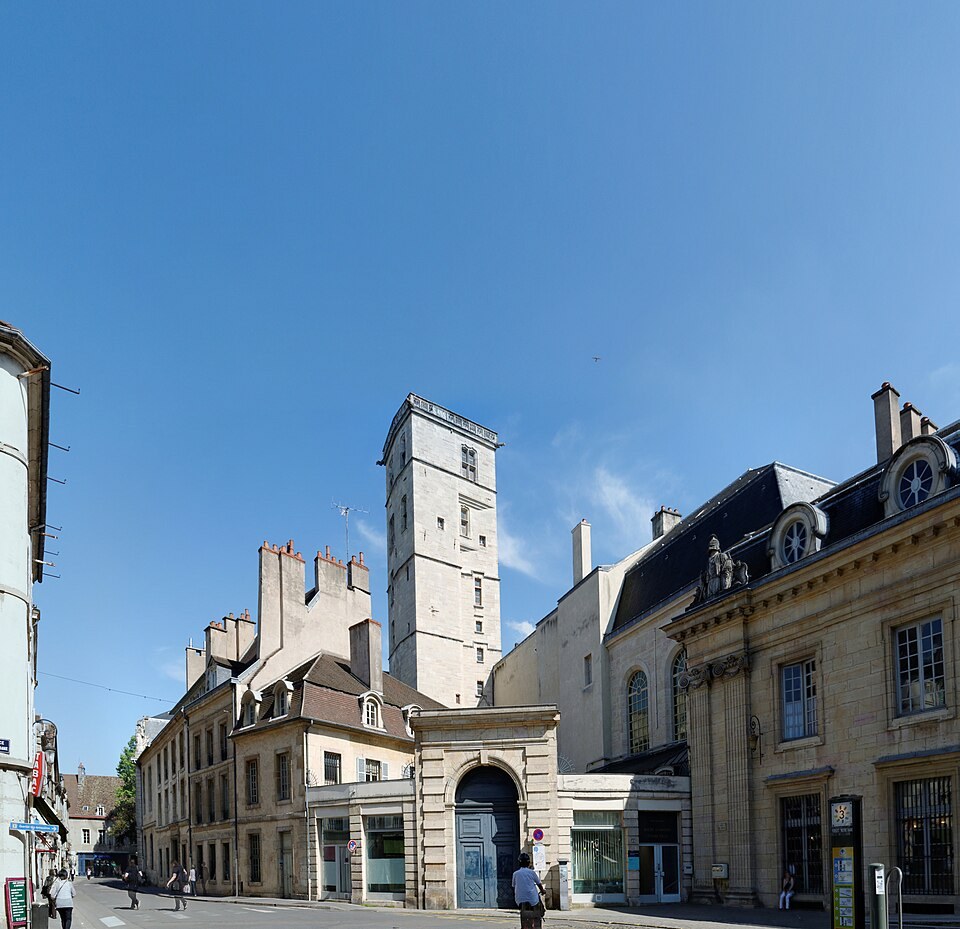
Tour Philippe le Bon above Dijon’s historic centre

Photo: François de Dijon · CC BY-SA 3.0. Resized, compressed; display crop.

A view earned by the stairs

Tour Philippe le Bon

The guided climb reaches a terrace above the city after 316 steps. It is a rewarding option when the weather is clear and everyone in the group is comfortable with an enclosed stairway and sustained climbing.

Booking is compulsory and places are limited. Every participant needs a reservation, including young children. The visitor service cannot store luggage or pushchairs, so leave those at your accommodation before arriving.

Tower reservations and conditions
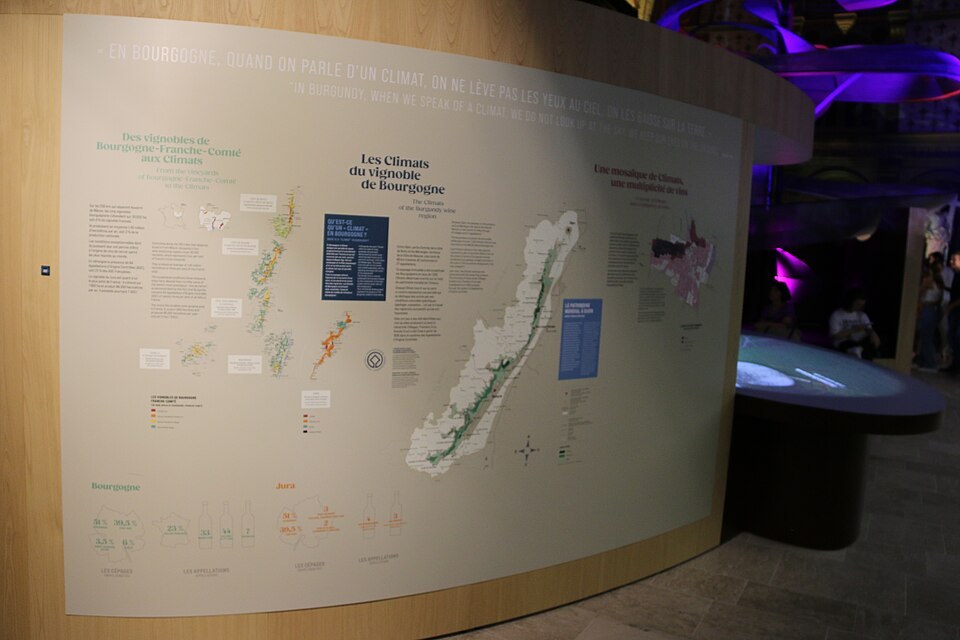
Wine exhibit inside the Cité internationale de la gastronomie et du vin in Dijon

Photo: FrDr · CC BY-SA 4.0. Resized, compressed; display crop.

Food culture and city heritage

Cité de la gastronomie et du vin

The Cité offers exhibitions about French food culture, Burgundy’s wine landscapes and Dijon’s architecture. It provides a useful indoor alternative and a different emphasis from the palace museums.

Check the programme and ticket type before visiting: permanent displays, temporary exhibitions and separate food or wine activities have different arrangements. In the colder season, the ticket desk closes earlier than some exhibition spaces.

Plan a Cité visit
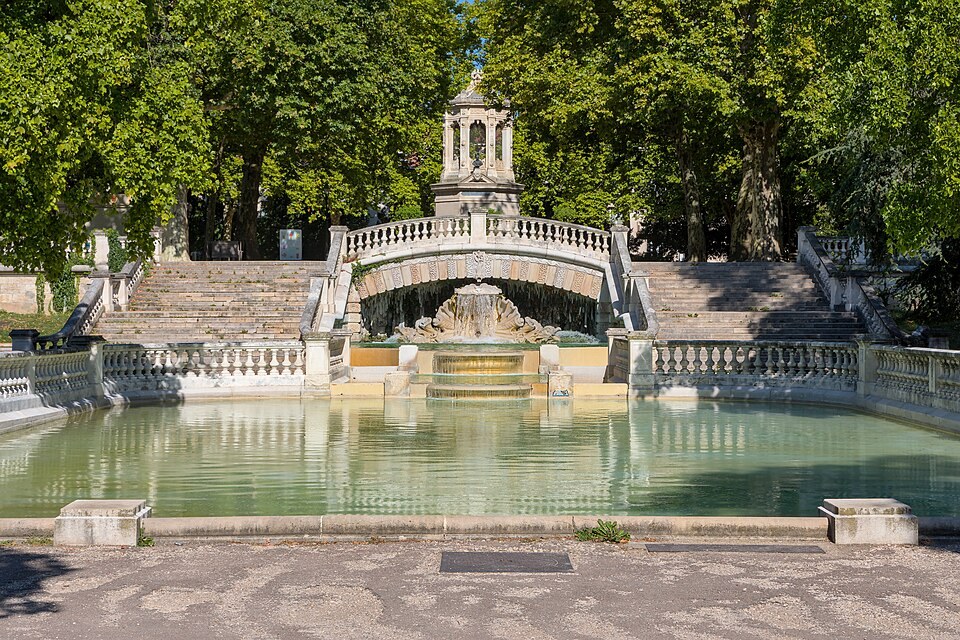
Fountain and terraces in Jardin Darcy in Dijon

Photo: Benjamin Smith · CC BY-SA 4.0. Resized, compressed; display crop.

A pause between visits

Jardin Darcy & quieter city corners

The garden at Place Darcy makes a pleasant arrival or departure stop, particularly if staying near the station. Its terraces, water features and familiar bear sculpture offer a change of pace after busy streets.

For another cultural perspective, consider the Musée de la Vie bourguignonne, with everyday objects and reconstructed shops. Choose it because the subject interests you, not simply to add another museum to an already full day.

Jardin Darcy

What to Experience

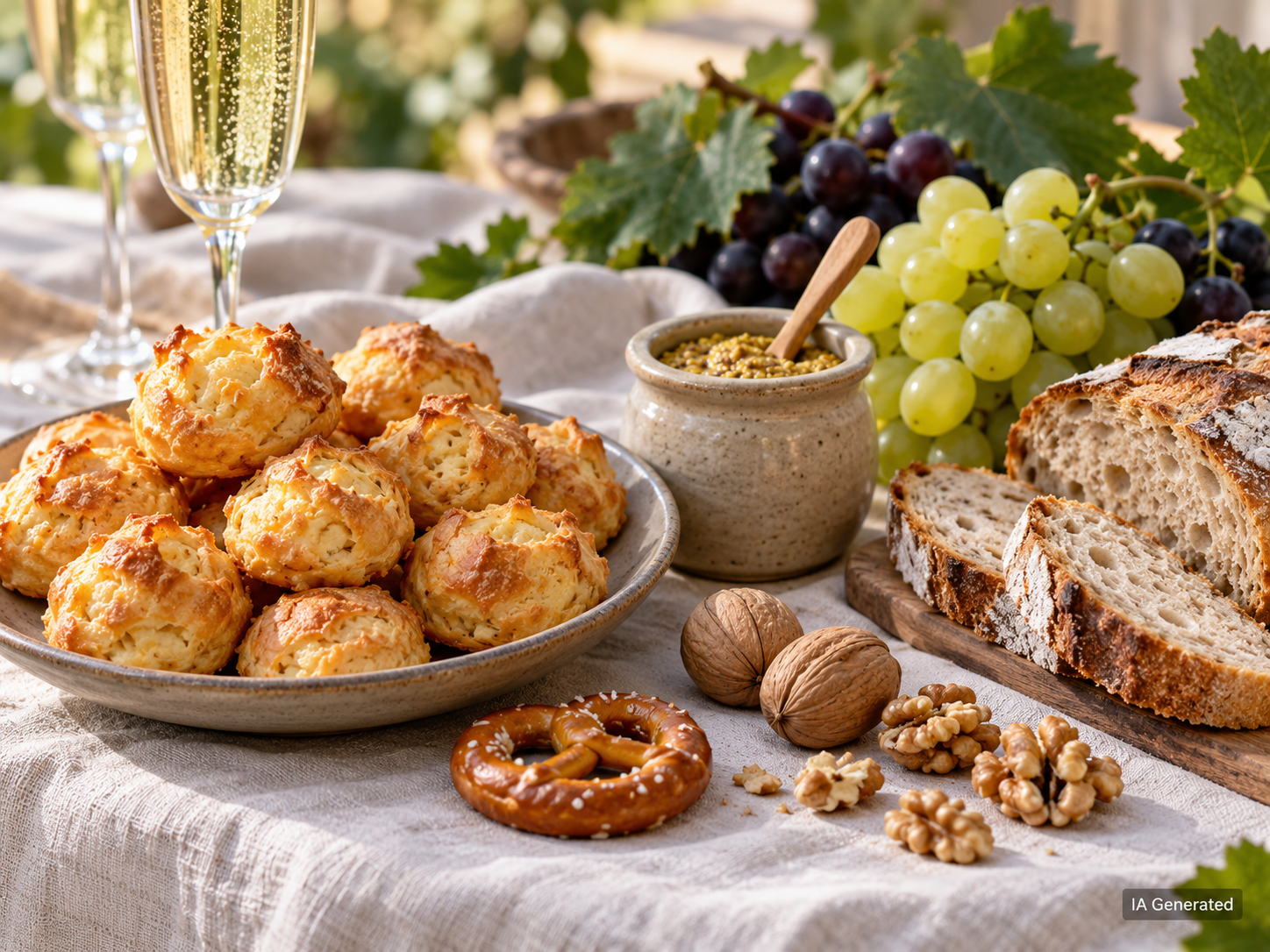
AI-generated illustration of Burgundy Champagne Alsace regional foods

IA Generated — regional food illustration; not a photograph of a named restaurant, dish or market.

Mustard, gingerbread and the market

Taste Dijon’s food traditions

Build a small food walk around a few chosen stops rather than buying everything at the first shop. Fallot’s boutique on Rue de la Chouette offers mustard tasting and an introduction to stone-ground production; check the current demonstration arrangements.

For gingerbread, Mulot & Petitjean has a visitor experience at its factory on Boulevard de l’Ouest, separate from a casual old-town shopping stop. Confirm opening and travel time if you want to include the full visit.

Fallot’s Dijon boutique
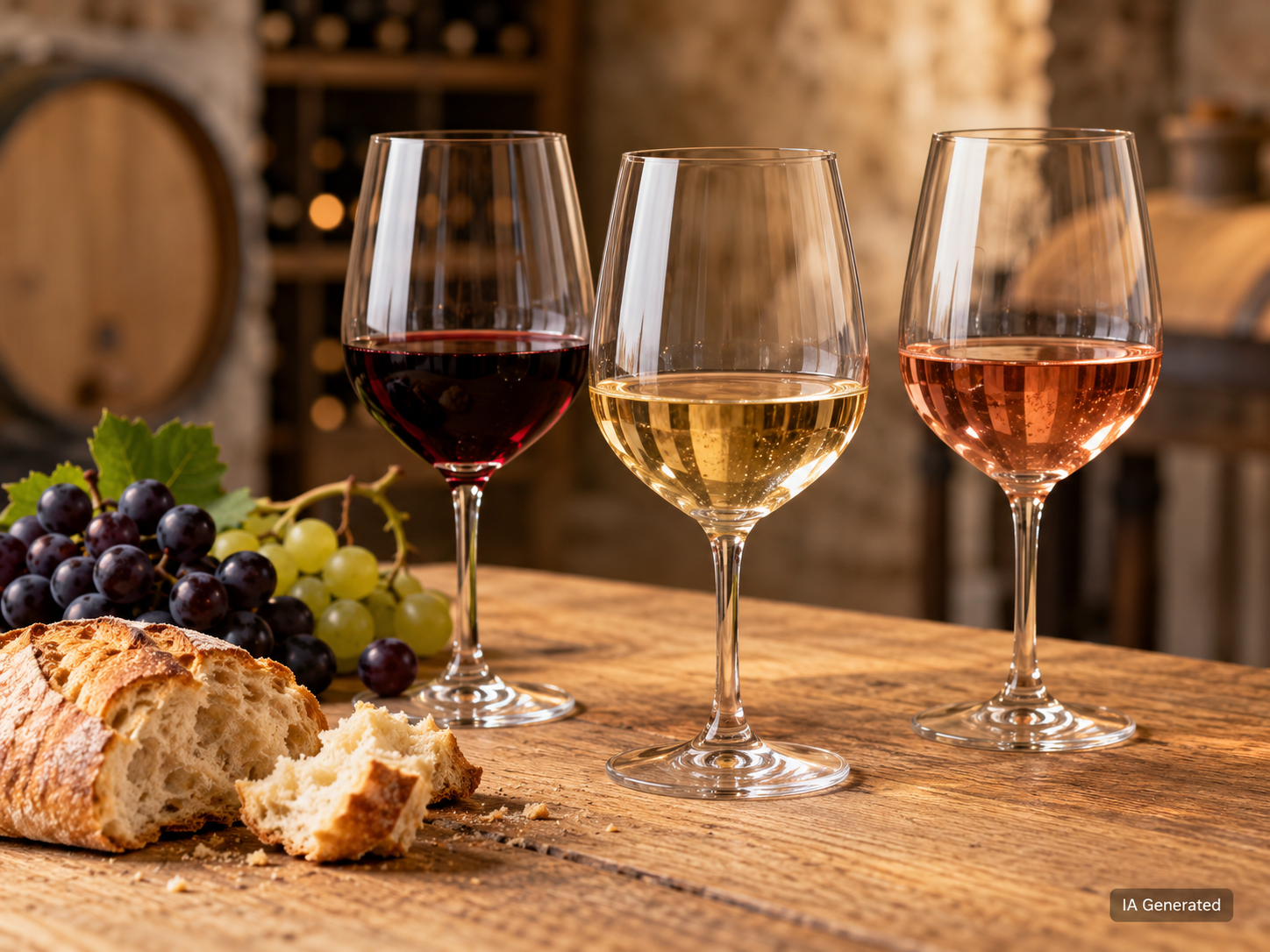
AI-generated illustration of red, white and rosé wine tasting glasses

IA Generated — illustrative image; not a photograph of this venue or its products.

Start with context, then taste

Understand Burgundy wine

A guided tasting or a vineyard outing can explain the relationship between villages, named plots and the wines in your glass. Choose a format suited to your interest: a beginner does not need the most extensive tasting list.

Reserve winery appointments and transport together. If several tastings are planned, use a driver or organised excursion; allow time for lunch and do not assume that every estate welcomes walk-in visitors.

Official vineyard trip ideas
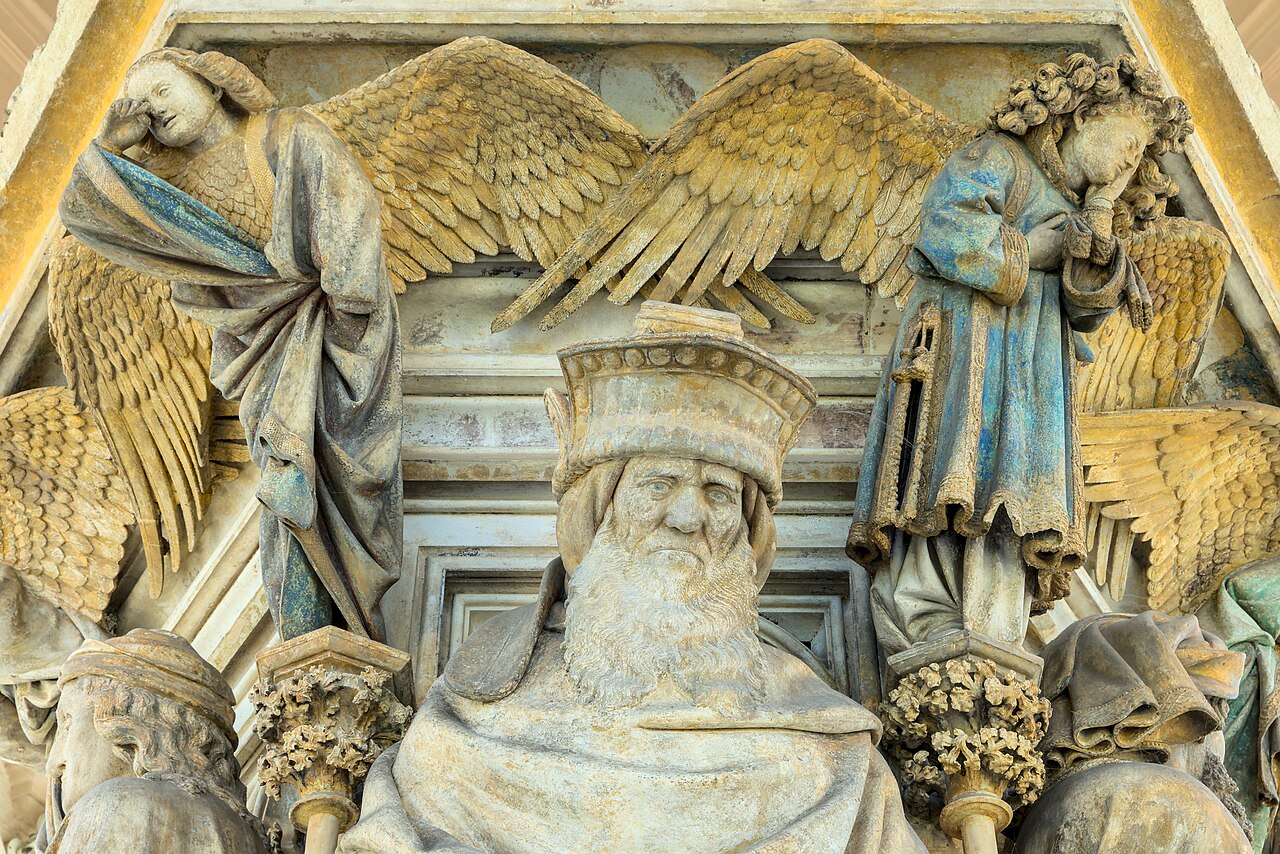
Sculpted figures on the Puits de Moïse in Dijon, France

Photo: Benjamin Smith · CC BY-SA 4.0. Display crop.

A quieter heritage extension

Visit the Puits de Moïse

At the former Chartreuse de Champmol, Claus Sluter’s sculpture offers a focused encounter with Burgundian art beyond the main pedestrian circuit. It pairs especially well with an interest in the ducal tombs at the museum.

The complete guided tour and a simple site visit have different arrangements. Check the current offer and access details, then plan the transfer rather than treating it as an incidental stop beside the palace.

Guided visit details

Markets Worth Planning Around

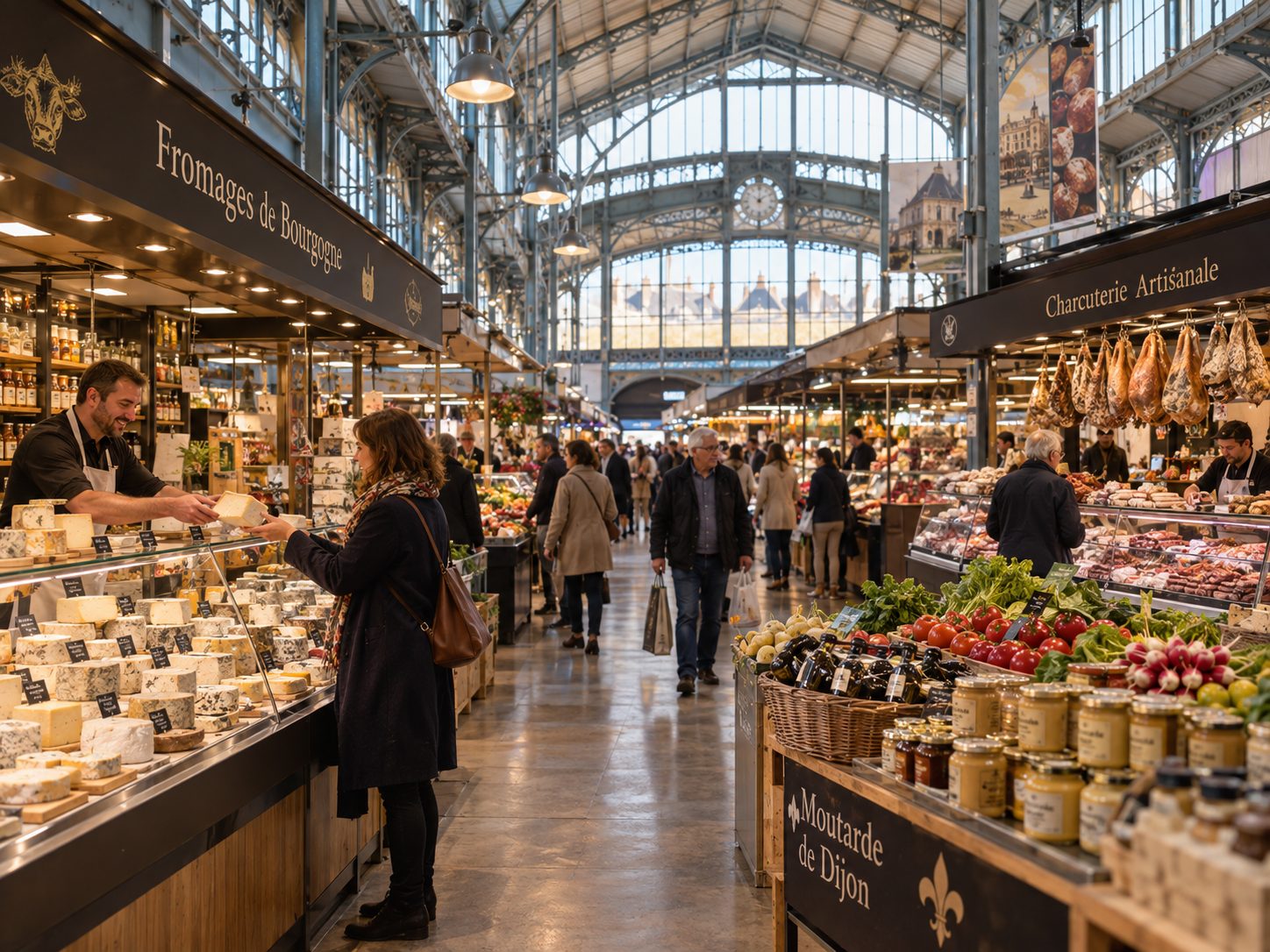
Food stalls inside Les Halles centrales de Dijon in Burgundy, France
AI-generated photorealistic view.

Four market mornings

Les Halles & the central market

The city lists the central Halles market on Tuesday, Thursday, Friday and Saturday mornings. Arrive early enough to browse produce, cheeses and prepared food before the busiest lunchtime period.

Use the market to shape a meal or picnic rather than as a hurried photograph stop. Individual traders and surrounding stalls may keep different hours, and special events are separate from the normal market schedule.

Municipal market schedule
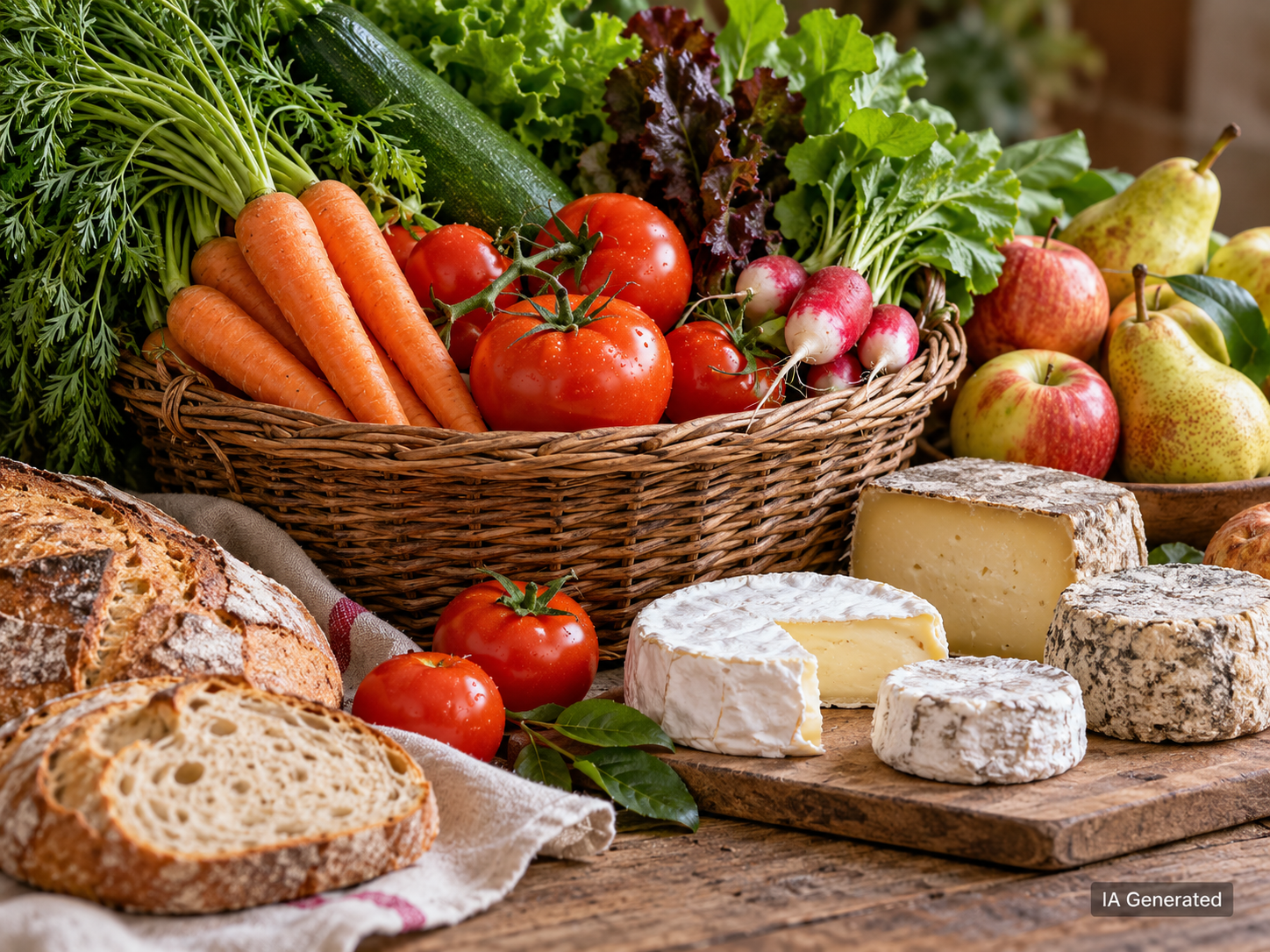
AI-generated illustration of market vegetables, fruit, cheeses and bread

IA Generated — illustrative image; not a photograph of this venue or its products.

A flexible alternative

Food shopping on other days

If your stay misses a market morning, Dijon still offers specialist food shops and restaurants. Plan a smaller tasting route through the centre and leave room for a proper seated meal.

Seasonal brunches and special food events need their own booking and calendar check. Do not assume that the Halles is operating as a normal market simply because an event is taking place in the building.

Local food and restaurant information

Where to Eat

AI-generated illustration of Burgundy Champagne Alsace regional foods

IA Generated — regional food illustration; not a photograph of a named restaurant, dish or market.

A market-quarter meal

DZ’Envies

Facing the covered market, DZ’Envies is a useful choice for a meal that connects with a morning exploring the Halles. Its cooking combines familiar and more creative dishes built around fresh market produce.

Reserve for the service you want and leave enough time to enjoy the meal. A market morning followed by lunch here makes a coherent half-day without extra transfers.

Restaurant information
AI-generated illustration of Burgundy Champagne Alsace regional foods

IA Generated — regional food illustration; not a photograph of a named restaurant, dish or market.

A small contemporary table

Parapluie

On Rue Monge, Parapluie offers modern cooking with Asian influences and local ingredients. It is a good candidate when you want a more personal restaurant stop beyond the busiest palace terraces.

The dining room has limited capacity, so booking matters. Confirm the current menu and opening days, and mention dietary needs before arrival rather than expecting every dish to be adaptable.

Restaurant details
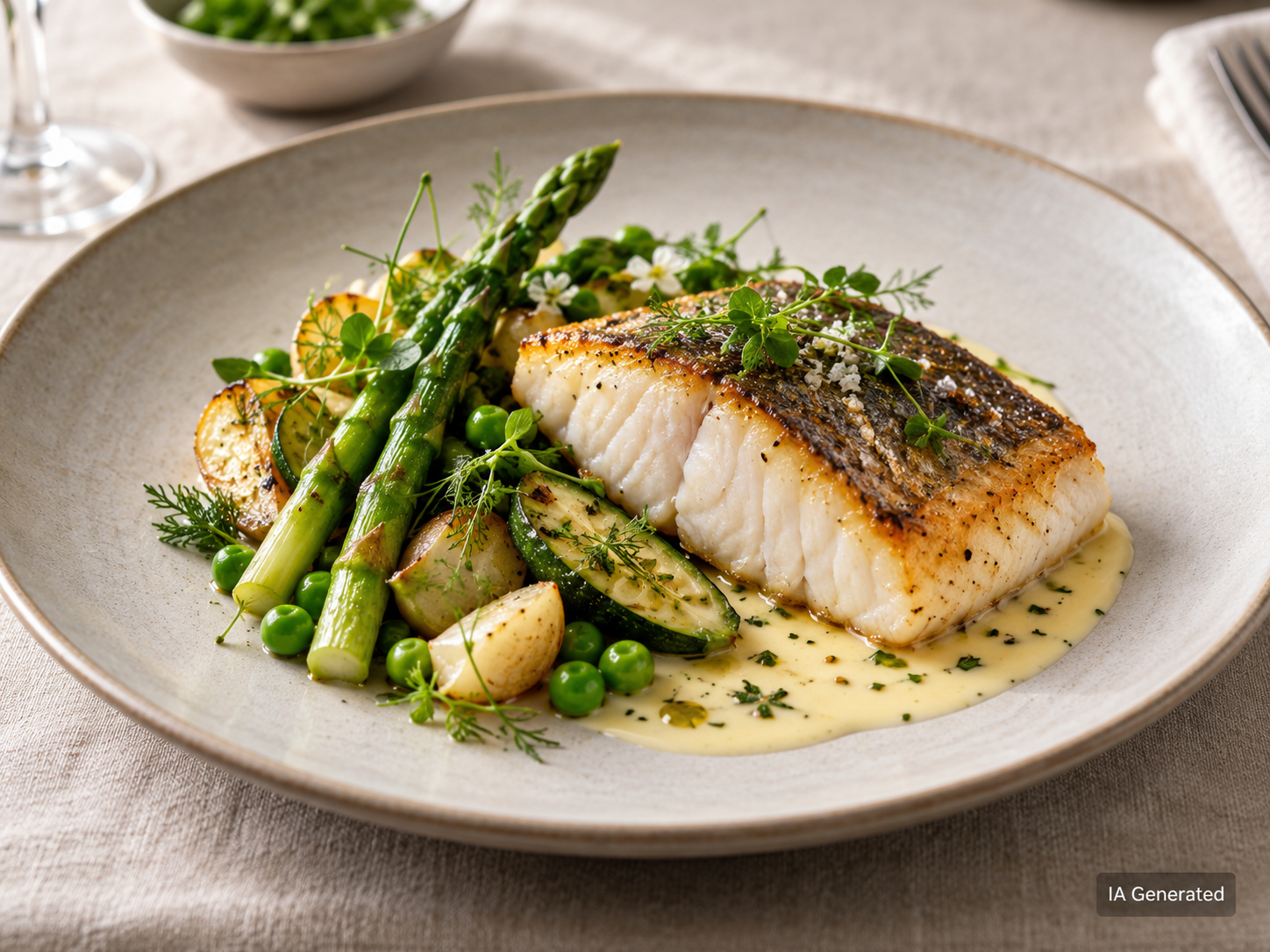
AI-generated illustration of a cooked fish fillet with green vegetables and sauce

IA Generated — illustrative image; not a photograph of this venue or its products.

An occasion in the city centre

William Frachot at Chapeau Rouge

This restaurant makes Burgundy’s seasonal produce the focus of a more substantial gastronomic experience. Treat it as a main event, with an unhurried evening or lunch reserved for the meal.

The restaurant requests smart dress and advance notice of serious allergies. A vegetarian option can be requested when booking; the team also offers non-alcoholic pairings. Confirm the service date separately from your hotel reservation.

Official restaurant and reservations

Where to Stay

These three centrally placed hotels offer verified four- or five-star stays. Choose between Place Darcy, a station-side hotel with a pool, or a smaller address close to Saint-Bénigne and a destination restaurant.

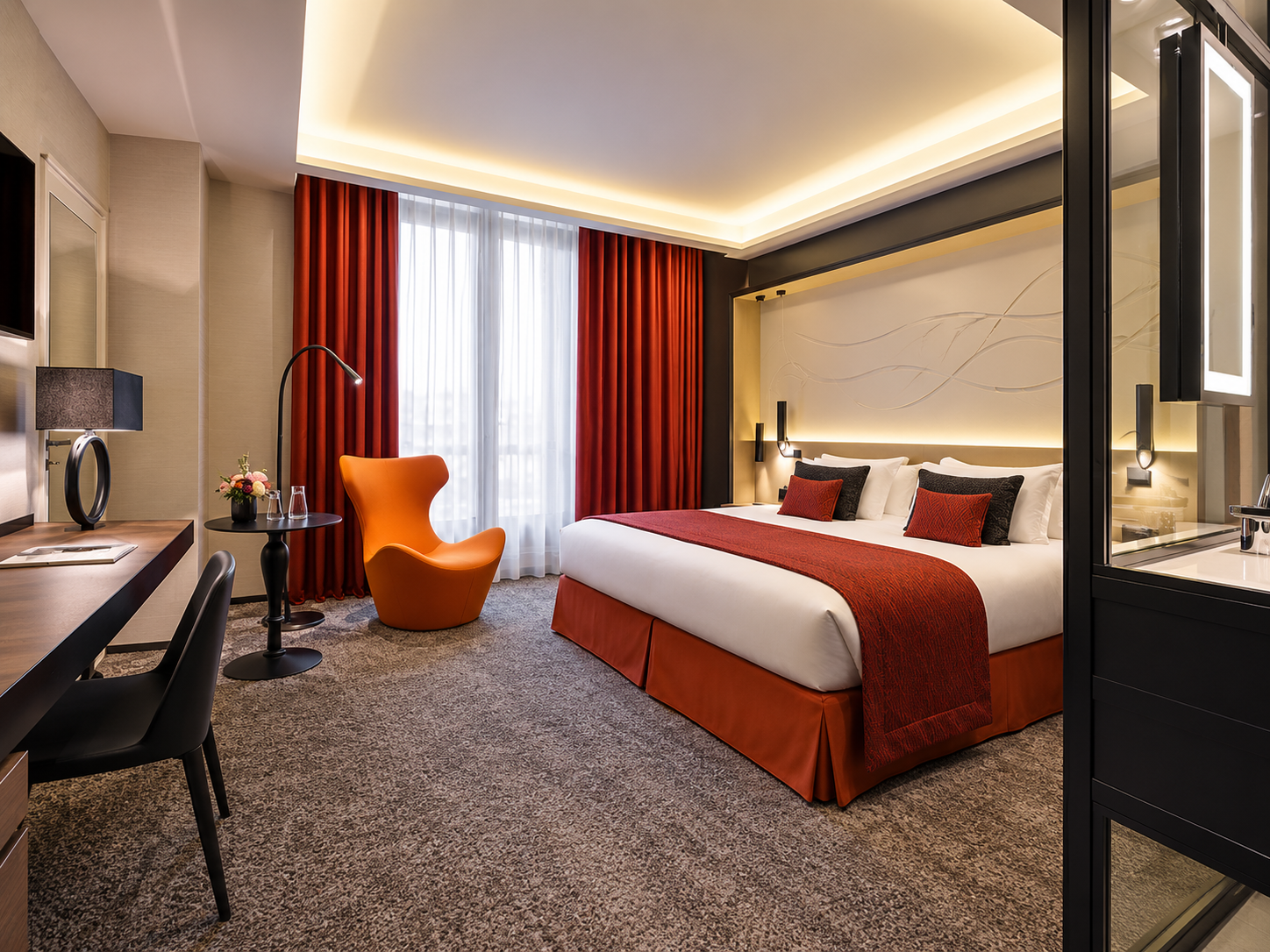
AI-generated room inspired by Grand Hôtel La Cloche in Dijon
AI-generated photorealistic view.

5-star hotel · Place Darcy · Central Dijon

Grand Hôtel La Cloche

A grand city address beside the Darcy gardens, suited to travellers who want a classic hotel setting within walking distance of the historic centre. The garden provides a welcome pause between museum visits and dinner.

Best for: A comfortable city break with a garden, restaurant and spa.

Facilities: Les Jardins by La Cloche restaurant, bar, garden and spa with a small counter-current pool, sauna and hammam.

Reserve spa access ahead of time and check the age policy, treatment charges and inclusions attached to your room rate. The spa pool is for relaxation rather than a long swimming session.

Visit Hotel Website
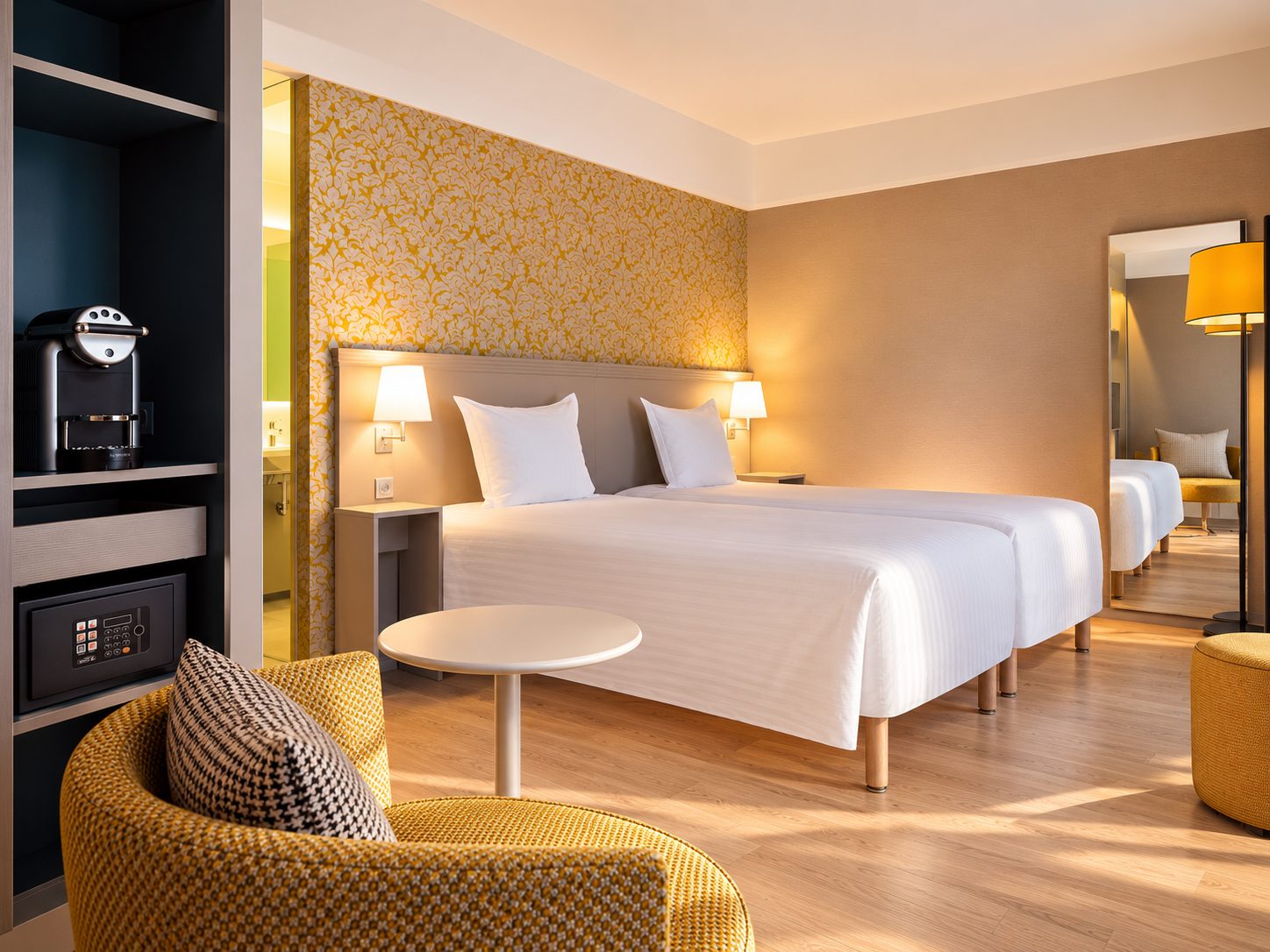
AI-generated room inspired by Oceania Le Jura in Dijon
AI-generated photorealistic view.

4-star hotel · Avenue Maréchal Foch · Near Dijon station

Oceania Le Jura Dijon

A practical choice for arriving by train and exploring on foot, with a sheltered garden and a glass-roofed pool that give this station-side hotel a quieter interior character.

Best for: Rail-based stays with a pool and straightforward arrival logistics.

Facilities: Indoor pool, hammam, fitness facilities, garden, bar and bookable treatments.

Paid parking is subject to availability on arrival and cannot be reserved. The garage has a 1.85 m height limit; ask for its separate entrance instructions before driving to the hotel.

Visit Hotel Website
AI-generated room inspired by Chapeau Rouge in Dijon
AI-generated photorealistic view.

4-star hotel · Rue Michelet · Historic centre

Hostellerie du Chapeau Rouge

A small, contemporary hotel close to Saint-Bénigne, with a strong dining identity around William Frachot’s restaurant. It works particularly well for a short stay built around one special meal and relaxed walks through the centre.

Best for: A food-focused break in an intimate central hotel.

Facilities: Contemporary rooms and suites, gastronomic restaurant, vaulted wellness area with sauna, hammam and hydromassage showers.

Reserve the restaurant separately and discuss dietary requirements in advance. Confirm wellness availability and parking arrangements directly; the wellness area is not a swimming pool.

Visit Hotel Website

When to Visit

City walks and vineyard days

Spring

A good time to combine museums with longer outdoor walks. Keep a wet-weather option and confirm tasting appointments; vineyard work can affect availability even when the landscape is inviting.

Long evenings in the centre

Summer

Walk earlier in the day during hot weather and use museums or a long lunch for a break. Book popular hotel categories and restaurants ahead, and make time to return to the squares in the evening.

Harvest landscapes and food

Autumn

The vineyards make an appealing extension, but harvest schedules can limit estate visits. Book a realistic programme rather than expecting spontaneous access; the city’s museums and food stops provide useful flexibility.

A compact cultural stay

Winter

Plan shorter walks around museums, shops and meals. Check holiday closures and keep out-of-town excursions weather-dependent; a central hotel is particularly convenient when evenings are cold and daylight is limited.

How Long to Spend

A full day covers a first old-town walk, the palace quarter and one substantial visit, with lunch given proper time. An overnight stay adds an evening in the centre and avoids turning the day into a race back to the railway station.

Two or three nights are more comfortable for the museum, tower, markets and Cité de la gastronomie. Add a further night if you want a full vineyard day or Beaune excursion while still enjoying Dijon itself.

Getting There

An easy city-break option

By train

Dijon-Ville has TGV and regional rail connections, making a car-free arrival practical. Compare the actual service and transfer time for your date; journey times and stopping patterns vary.

Hotels around Avenue Foch and Place Darcy are convenient for the station. For accommodation deeper in the old town, consider luggage, paving and the final walking section when choosing between walking, tram and taxi.

Getting to Dijon

Best for a wider Burgundy route

By car

Driving is useful when the journey includes several rural places, but a car adds little to the central sightseeing day. Arrange hotel parking or choose a signed public garage before entering the old streets.

Check vehicle-height limits and the correct garage approach. Some hotel spaces cannot be reserved and may be full, so keep a nearby public option in mind.

Use Divia for local trips

By tram and bus

The Divia network combines two tram lines with buses and the free City shuttle in the centre. It can shorten walks and connect the station area with other parts of the city.

Check live routes, service changes and the final return journey. City runs Monday to Saturday, so do not build a Sunday plan around it; other transport options have their own schedules.

Divia network information

Getting Around & Parking

Central garages include Darcy-Liberté, Grangier, Trémouille-Marché, Condorcet and Monge Cité de la gastronomie. Choose according to your first stop and hotel access, then leave the vehicle parked while exploring on foot.

The Piscine Olympique, Valmy and Zénith park-and-ride sites connect with tram services. Check entry hours, vehicle limits and the current exit conditions; validated transport tickets are part of the arrangement at the controlled sites.

For a short city visit, compare a central garage with park-and-ride based on your arrival direction and walking needs. For an overnight stay, ask about night access and hotel arrangements rather than assuming the day-visitor rules apply.

Divia park-and-ride details · Dijon transport and parking

Good Combinations & Nearby Places

Basilique Notre-Dame de Beaune seen from the historic old town in Burgundy, France
AI-generated photorealistic view.

A rewarding rail excursion

Beaune

Beaune offers another perspective on Burgundy through its historic centre, wine culture and Hôtel-Dieu. Direct trains from Dijon make a day trip possible without moving hotels.

Check the outward and return services, then choose one principal visit and a meal. The railway link is useful, but it does not remove the need to reserve popular attractions or tastings.

Dijon–Beaune rail information

The northern Côte de Nuits

Marsannay & Gevrey-Chambertin

For a first vineyard day, concentrate on a small part of the Côte de Nuits instead of driving the entire wine route. A village walk and one well-chosen appointment can give more understanding than several hurried tastings.

Arrange transport in advance and confirm the exact meeting point. A railway station or bus stop may still leave a substantial final distance to an estate.

Vineyard planning ideas

For travellers who enjoy riding

A guided cycling outing

Specialist operators offer vineyard routes using conventional or electric bicycles. Choose a distance and terrain that suit everyone, and check what happens in poor weather before booking.

Keep tasting quantities compatible with safe cycling. Ask about equipment, assistance and the return journey, especially if the itinerary finishes in a different town.

Local cycling operator information

Walking Routes & Suggested Itineraries

Old streets, art and food

One day: a Dijon introduction

Begin with a section of the Owl Trail around Notre-Dame and the palace. Visit selected galleries of the Musée des Beaux-Arts when open, then give lunch a generous place in the day.

Continue through the old streets towards Darcy or Saint-Bénigne. Add the tower only with a confirmed slot and enough energy; otherwise enjoy the squares and food shops at ground level.

A more comfortable city stay

Two days: heritage & gastronomy

Use the first day for the palace quarter and the second for a market morning, the Cité de la gastronomie or a specialist food visit. Choose the order around museum closures and bookings.

Reserve one special restaurant meal and keep another informal. This leaves room for discoveries without making every hour dependent on a timetable.

One focused excursion

Three days: add Burgundy’s vineyards

Keep two days for Dijon and devote the third to Beaune by train or a planned Côte de Nuits outing. Choose the option that best matches your interest in heritage, wine or cycling.

Return with time for a final city evening. Avoid stacking a long tasting route immediately before an inflexible train departure or an elaborate dinner.

Accessibility & Practical Advice

The centre is compact, but historic paving and busy pedestrian streets can be tiring. Build short loops and regular pauses, and ask the tourism office for an accessible route if your group has specific mobility needs.

The Tour Philippe le Bon has 316 steps and is unsuitable for a wheelchair visit. The museum provides a different way to experience the palace; contact it directly for the most suitable entrance, lift access and assistance.

Churches remain working places of worship, and some heritage spaces have restricted visiting periods. Do not assume that the full Owl Trail can be completed with every interior open on the same day.

For food and wine experiences, tell the venue about allergies, preferences and non-drinking guests when booking. A clear request in advance makes it easier to choose a suitable menu or tasting rather than improvising on arrival.

FWP Insider Advice

Our preferred Dijon plan places one major cultural stop in the morning and a good meal in the middle of the day. The afternoon can then follow your interests, with enough flexibility for the weather or a shop you want to explore.

Keep Dijon and vineyard logistics separate. A walkable city hotel is a benefit on urban days; a guided excursion or reserved transfer can handle the rural day without requiring a car for the whole stay.

Do not overvalue a long list of tastings. One informative appointment, a village walk and lunch often create a more memorable introduction to Burgundy than a crowded route with little time to absorb what you learn.

Frequently Asked Questions

Is Dijon worth an overnight stay?

Yes. One night adds an evening in the centre, while two or three nights allow museums, markets and meals at a comfortable pace.

Do I need a car in Dijon?

No. A central stay works well on foot with trams, buses and taxis. A car or organised transfer becomes more useful for rural vineyard visits.

When is the Halles market?

The city lists the central market on Tuesday, Thursday, Friday and Saturday mornings. Check current arrangements and individual trader hours before visiting.

Is the Musée des Beaux-Arts free?

The permanent collection is free. Temporary exhibitions can be ticketed, and the museum closes on Tuesdays and selected holidays.

Do I need to book the tower?

Yes. Tour Philippe le Bon visits require reservations for every participant and involve 316 steps. Leave luggage and pushchairs elsewhere.

Can I visit Beaune from Dijon by train?

Yes. Direct services make a day trip practical. Check current trains and reserve the principal attraction or tasting separately.

Can non-drinkers enjoy Dijon?

Certainly. The city offers heritage, art, markets, food shops and restaurants, and some gastronomic venues provide non-alcoholic pairings.

Plan Your Stay

France. Well Planned.

Explore Burgundy with time for both the city and the table.

We plan. You choose. You book.

We help you choose a convenient base, arrange a balanced Dijon itinerary and connect the city with the Burgundy experiences that interest you most.

Explore Travel Plans

Sources, Imagery & Updates

Editorial sources and image credits

Last reviewed: 4 October 2026. Practical information, schedules and services may change. Use the linked operators to confirm your dates. Travel times in this guide are planning estimates, not timetables.

Destination imagery is an AI-generated editorial illustration. Hotel images are AI-generated photorealistic views based on real official reference photographs and are labelled accordingly. They illustrate atmosphere and do not guarantee a particular room, view or current furnishing. Confirm these details directly with the hotel.

Retour en haut