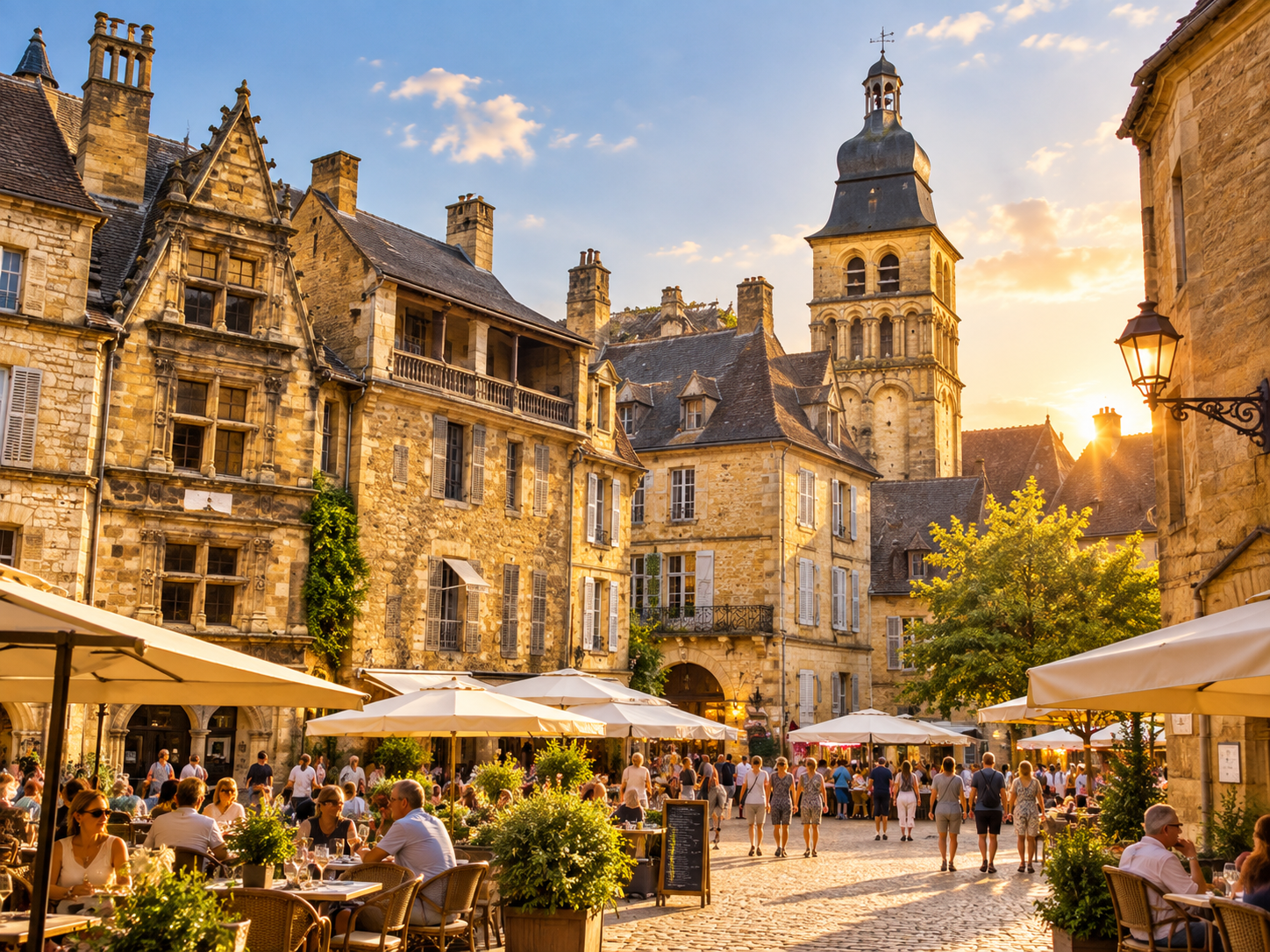
Golden stone, lively markets and unhurried evenings in the heart of the Périgord Noir.
Give Sarlat a full day of its own, then use it as a base for the Dordogne valley. The best stay balances town walks, good food and a few carefully chosen excursions.
Ideal stay2–4 nightsOne full town day, then the valley
Best rhythmEarly & lateMarkets in the morning, lanes after dinner
Good forFood & heritageHistoric streets, country drives and gardens
Car needed?For the wider areaThe old town is best explored on foot
Sarlat is the sort of place that rewards staying overnight. Its compact historic centre is easy to enjoy in a few hours, but the experience changes when the busiest day visitors leave and the stone lanes become quieter. Base yourself close enough to walk in for dinner if that evening atmosphere is a priority.
Think of your visit in two parts. First, explore Sarlat itself: the streets around Place de la Liberté, the cathedral quarter, the former Sainte-Marie church and the market. Then add selected outings to the Dordogne valley. Trying to cover Sarlat, several castles and a canoe trip in one day leaves very little time to enjoy any of them.
Our suggested duration is a planning recommendation, not a minimum required stay. One night works for a short introduction; three or four nights provide a more comfortable base for a first visit to the Périgord Noir. Book accommodation around your evening and transport preferences rather than simply choosing the most central address.
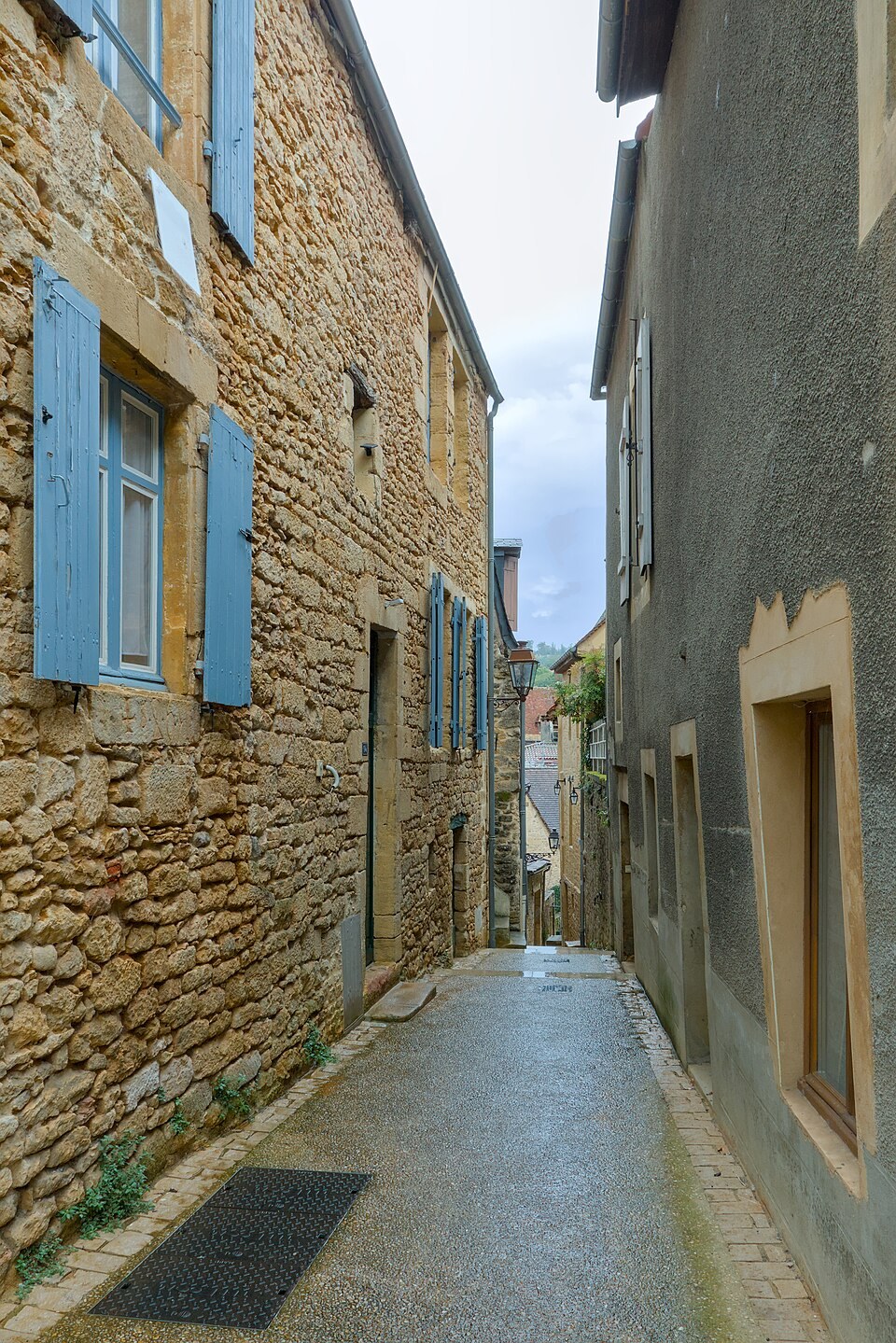
Begin around Place de la Liberté and let the smaller lanes draw you away from the busiest restaurant terraces. The town’s appeal lies in the relationship between squares, courtyards, passages and pale-stone façades rather than a single landmark.
Make one unhurried circuit without a long checklist. Return to the streets you liked after dinner, when the light and atmosphere feel different. Market mornings are lively but less suited to an uninterrupted architectural walk.
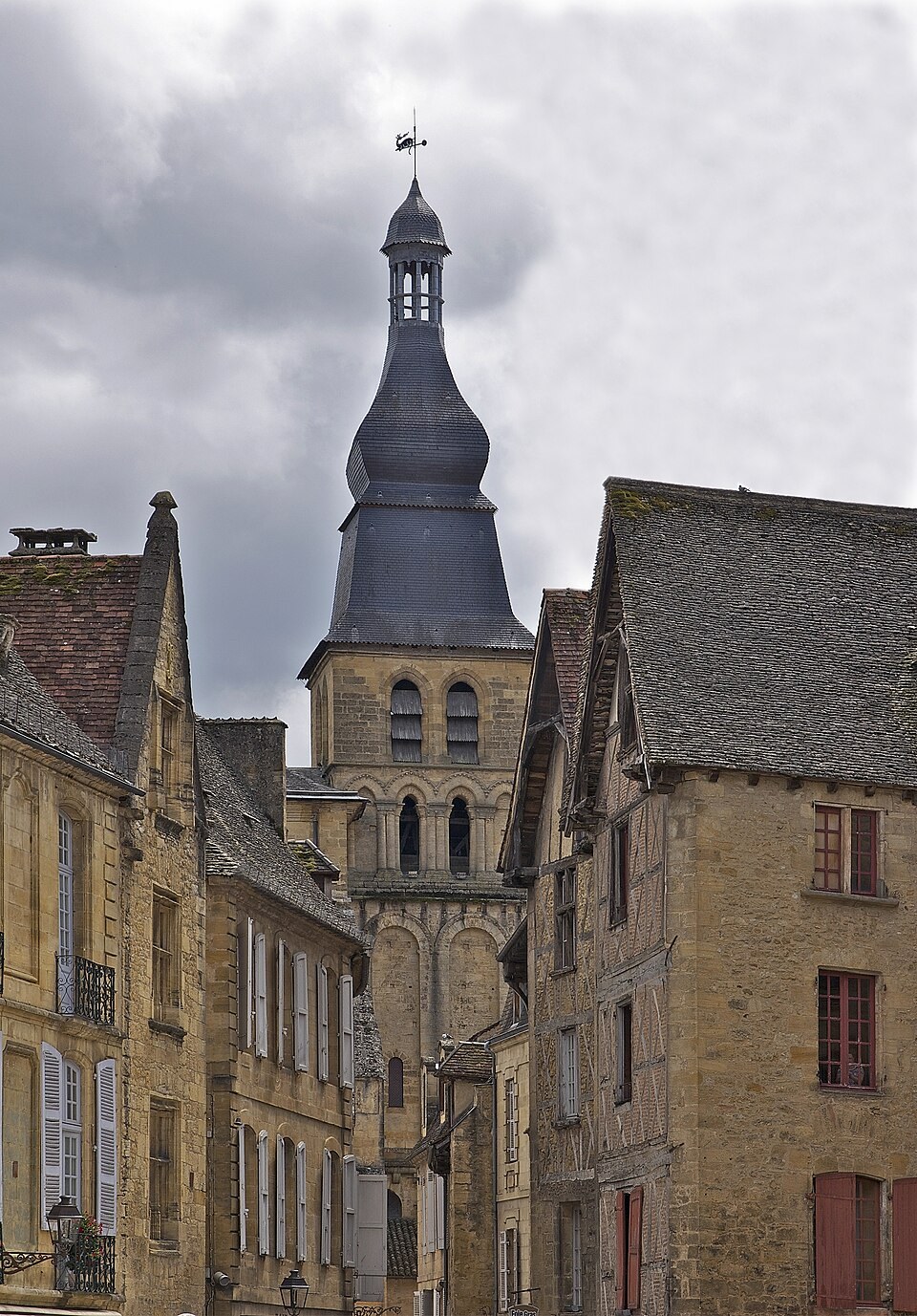
The cathedral stands opposite the Maison de La Boétie in one of the town’s most rewarding historic settings. Look at the contrasting façades before continuing towards the surrounding lanes and the Lanterne des Morts.
Enter the cathedral when it is open to visitors, allowing worship to take priority. This makes a natural pause in a longer walk, especially when the market streets are busy.
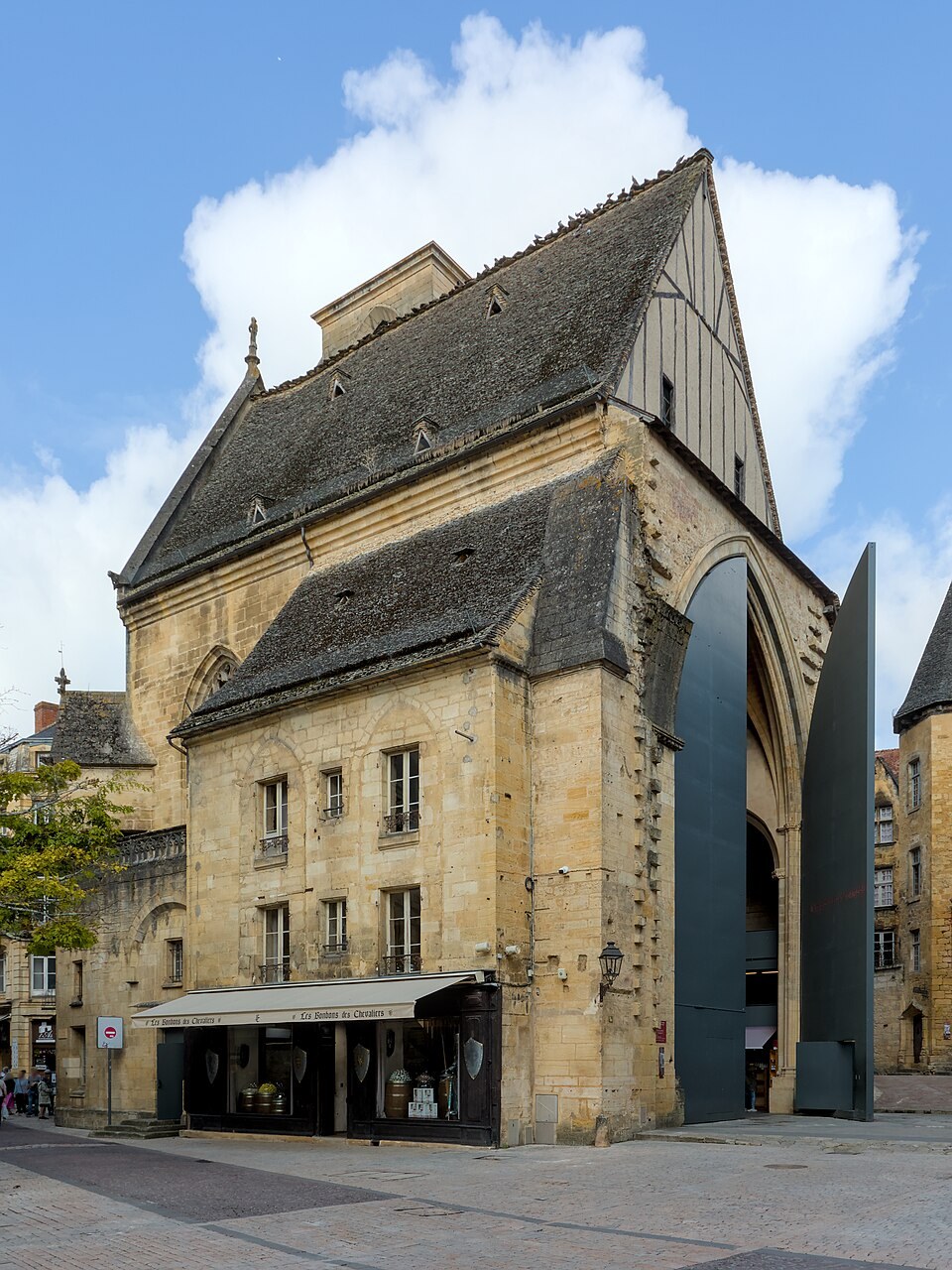
Jean Nouvel’s conversion of the former Sainte-Marie church created a striking covered market behind monumental metal doors. The building is interesting even if you only stop briefly to browse.
A glass panoramic lift in the bell tower offers a different view of Sarlat’s rooftops when operating. Official pages have carried differing reopening information, so confirm current operation with the tourist office before making it a fixed part of your day.
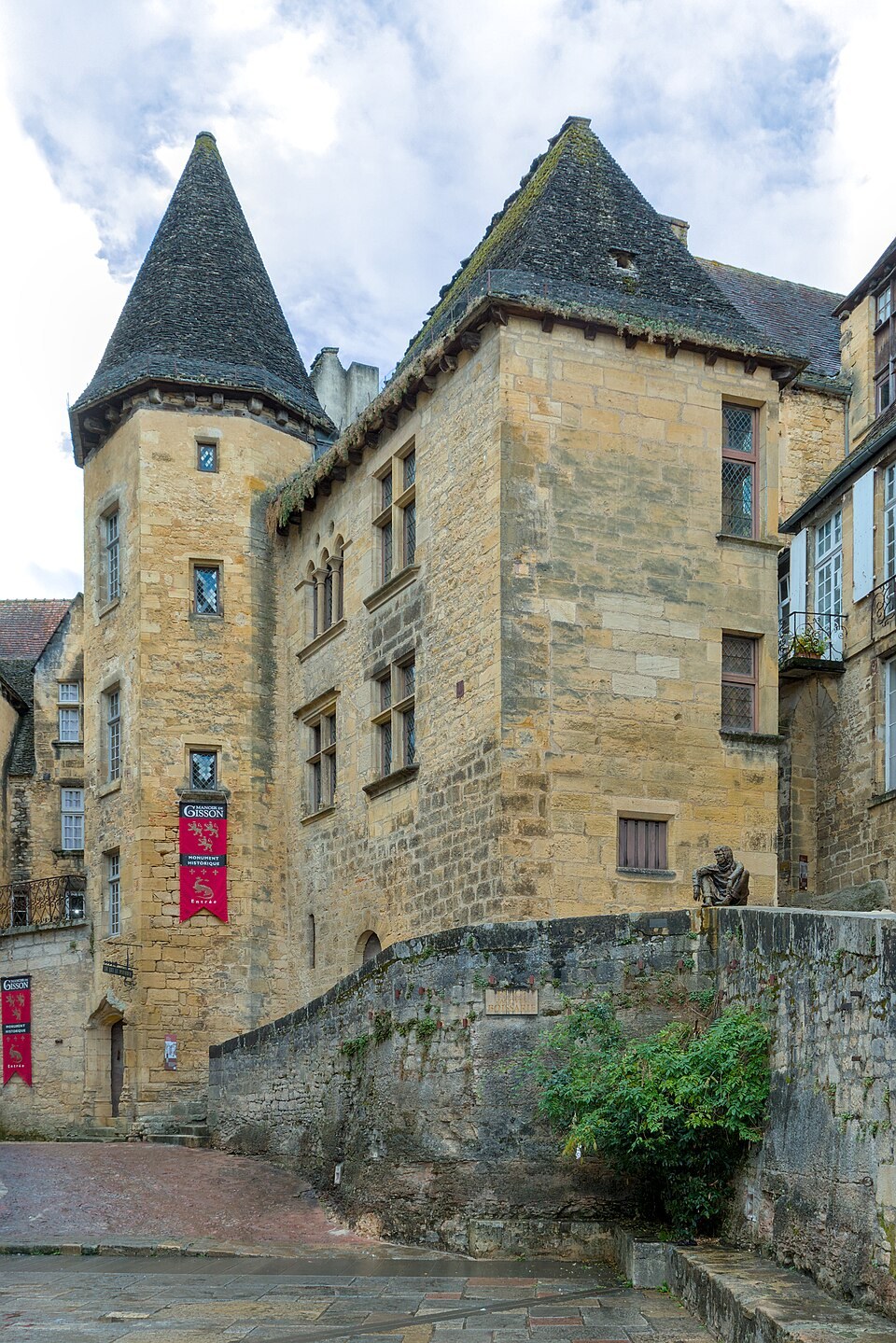
Near Place des Oies, this historic house introduces the domestic world behind Sarlat’s façades. Furnished interiors and rooms on several levels offer a useful contrast to an outdoor town walk.
Allow roughly an hour, as suggested by the operator, and check opening dates and the last admission. The historic stairs mean that visitors with mobility needs should ask about the precise accessible route before booking.
A guided walk can help connect the cathedral, merchant houses and smaller streets into a coherent story. Choose a departure that fits your arrival, then leave time afterwards to revisit your favourite corners independently.
For English-speaking visitors, confirm the language before paying. A French-language departure should not be assumed to include an English commentary.
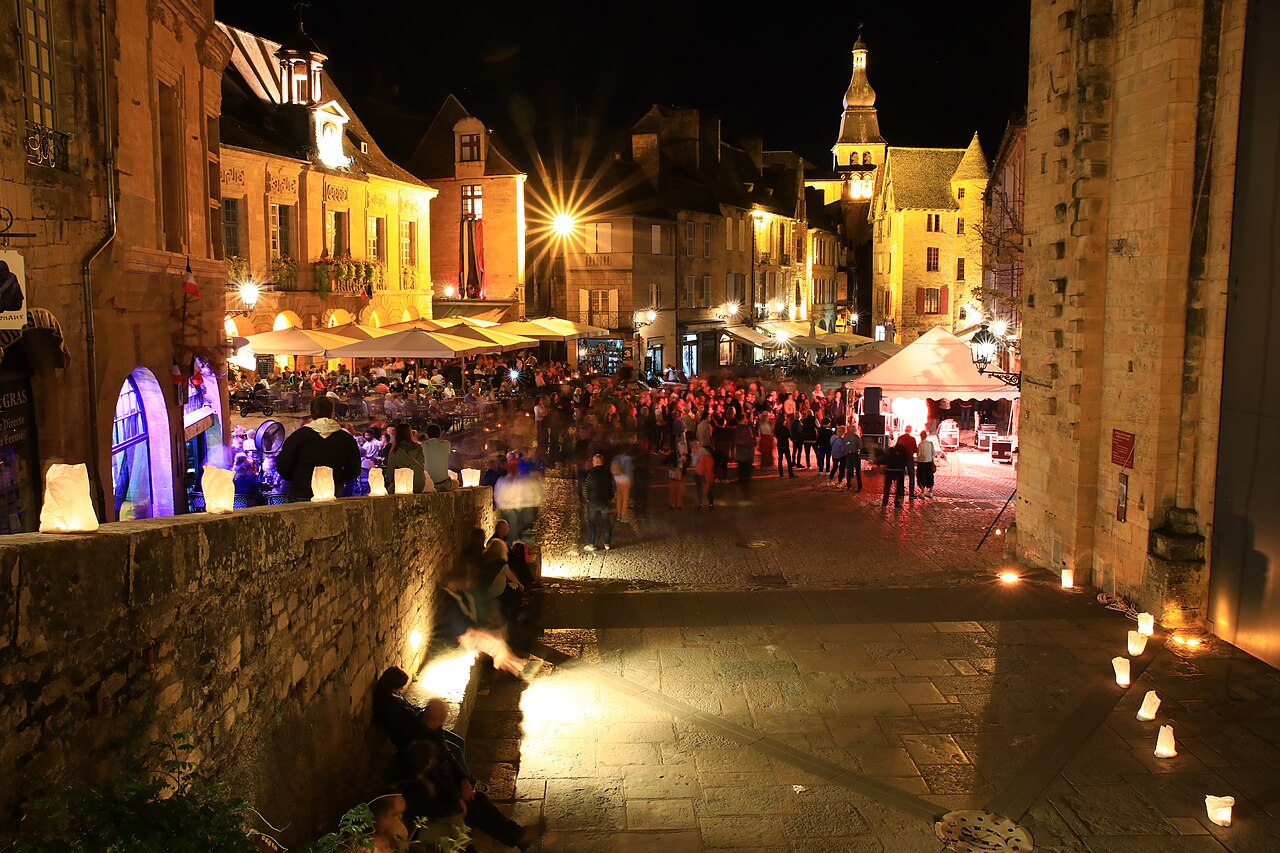
An evening walk is a strong reason to sleep locally. Have dinner before or after a gentle circuit through the historic centre, keeping enough flexibility to linger instead of rushing back to a distant hotel.
The tourist office runs scheduled nocturnal visits. Its listed historic night tour is in French, so check the current programme, language and departure point. A self-guided evening stroll is an easy alternative.
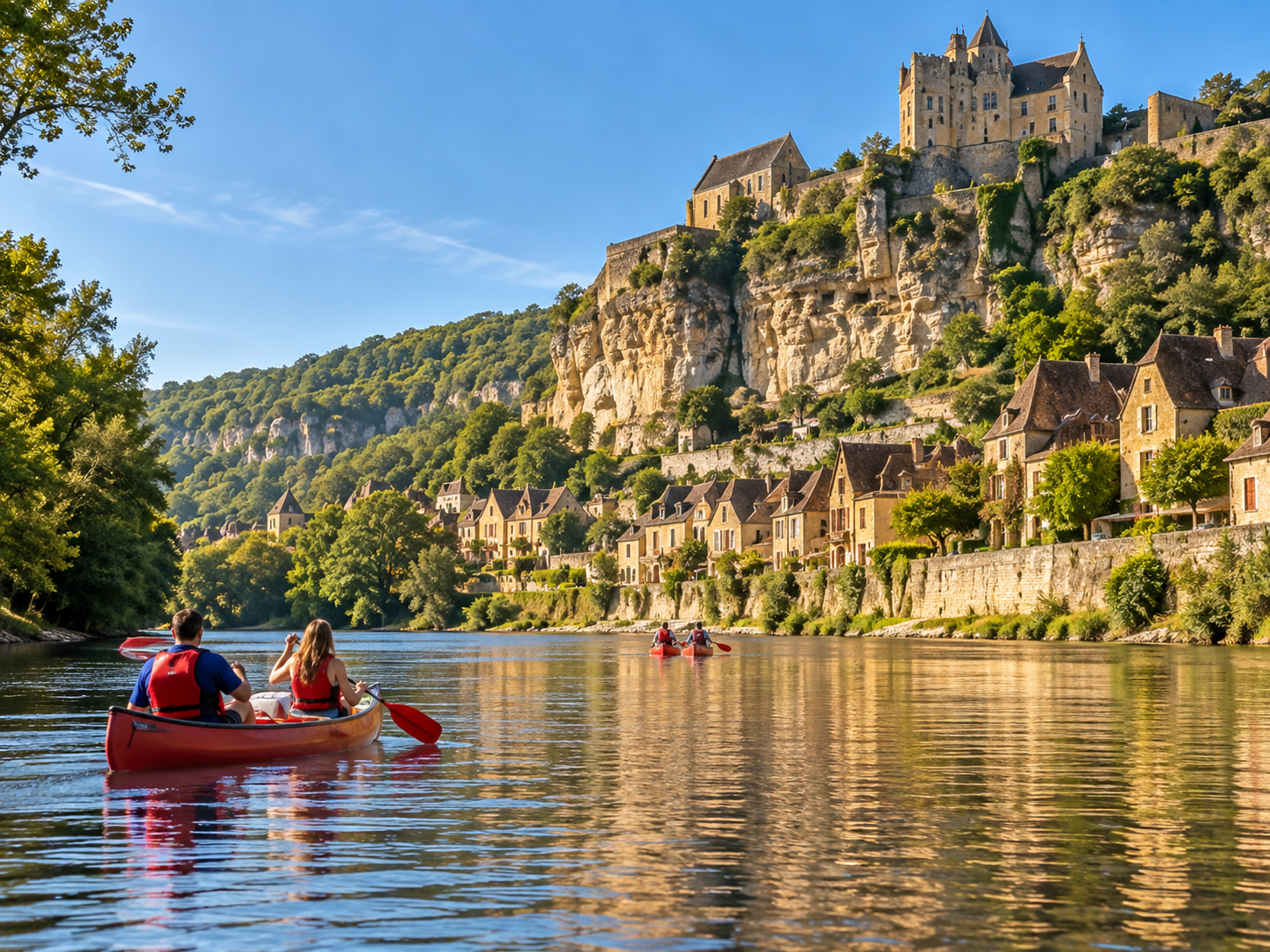
Choose one main valley experience: a castle, a garden or a river outing. Pair it with a village lunch and return to Sarlat for dinner. A canoe excursion should shape the day’s timing rather than being squeezed between reservations.
Use a licensed local operator for river activities and confirm current conditions, participant requirements and transport back to the start. Allow for the time needed to collect equipment and change afterwards.
Markets Worth Planning Around
IA Generated — illustrative image; not a photograph of this venue or its products.
The classic Sarlat market
Wednesday & Saturday mornings
The traditional outdoor food market takes place on Wednesday and Saturday mornings in the historic centre. Saturday also brings non-food stalls and a broader market footprint. Arrive early if browsing and shopping matter more than the busiest atmosphere.
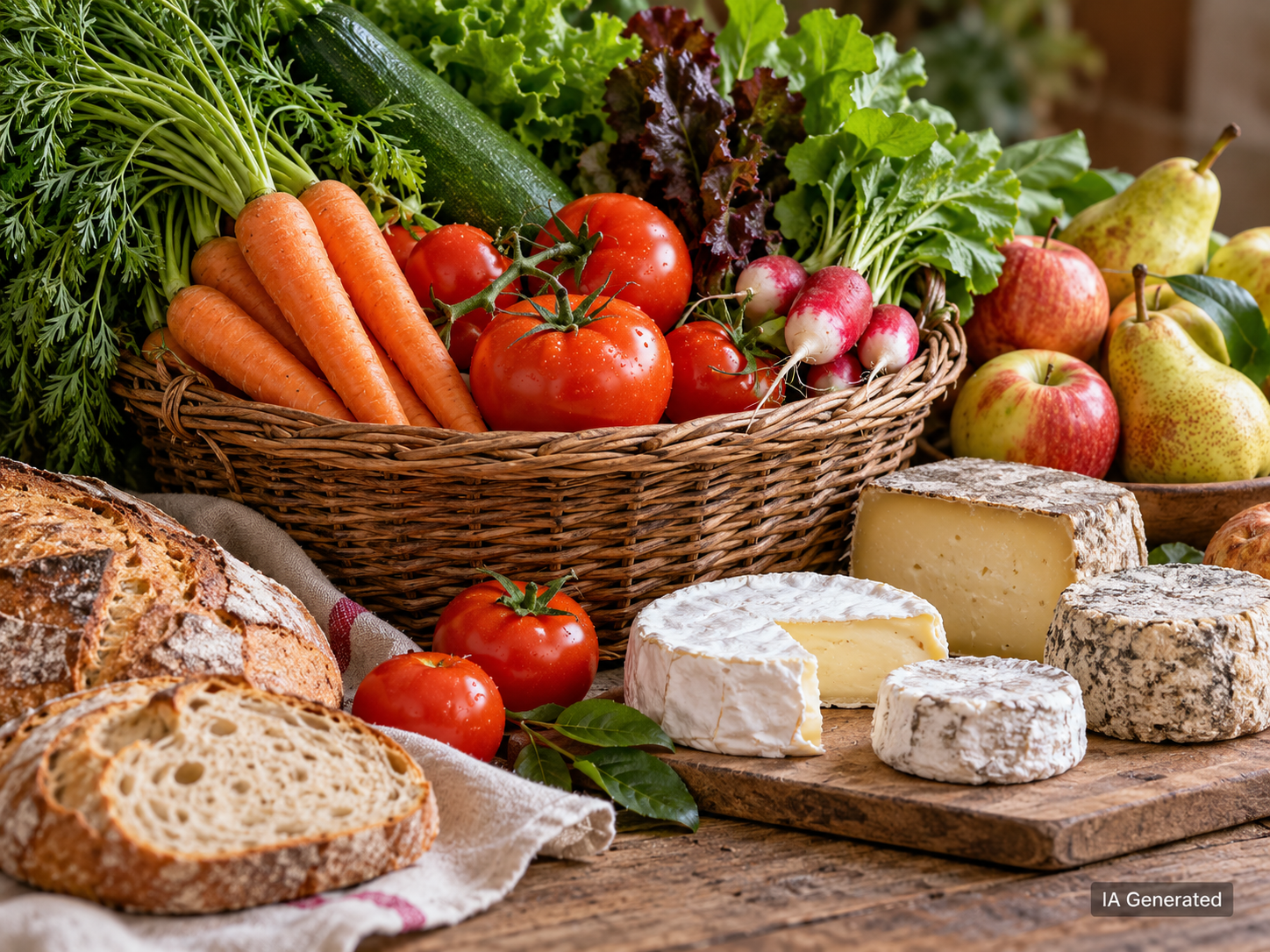
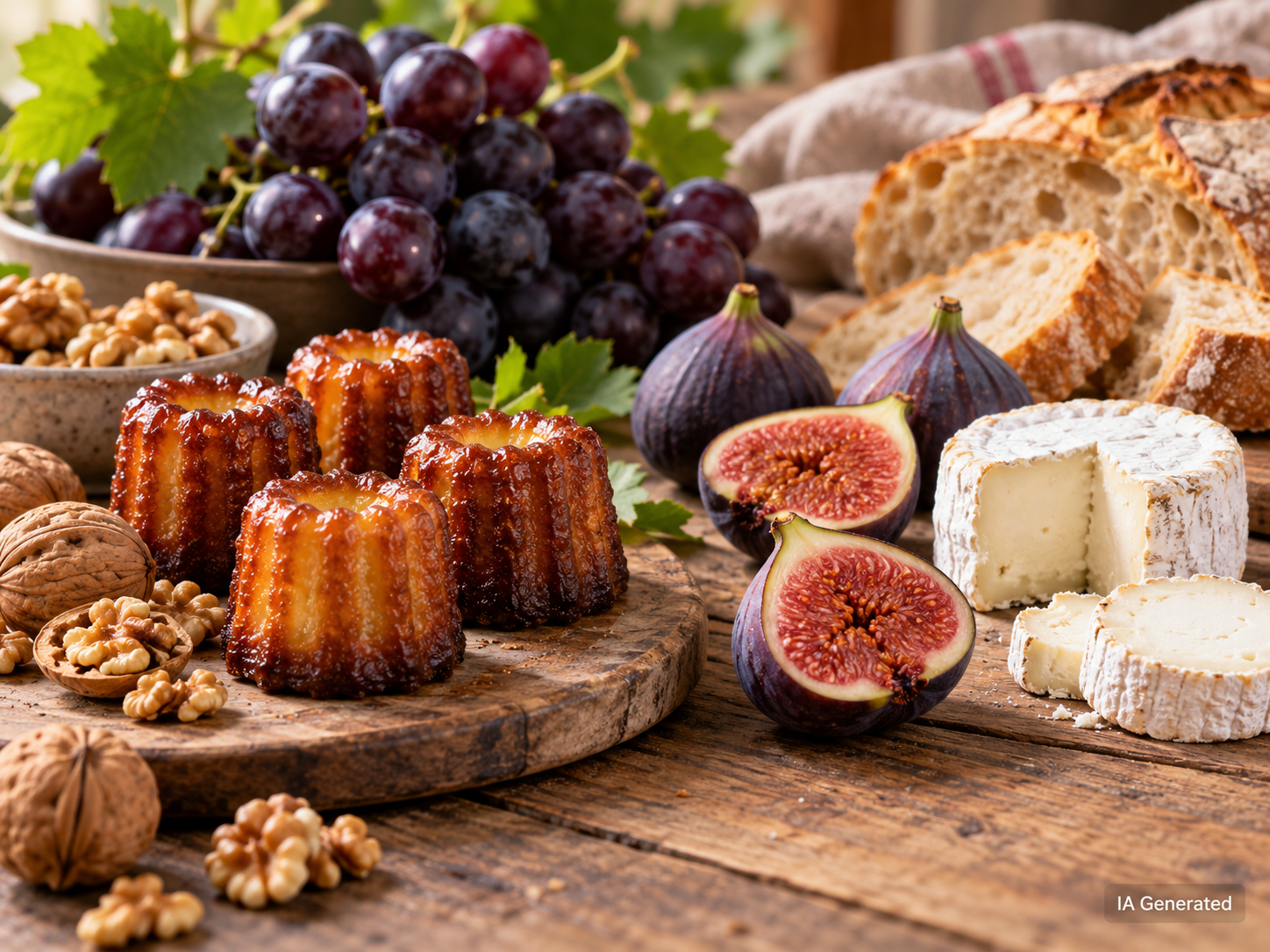
Look for seasonal produce, walnuts, cheeses and regional specialities. Buy what suits the rest of your day: chilled food needs proper storage, particularly if you are heading straight out on a warm-weather excursion.
IA Generated — regional food illustration; not a photograph of a named restaurant, dish or market.
Inside Sainte-Marie
The covered market
Step through the monumental doors for a smaller, sheltered shopping stop in a memorable building. Its opening pattern changes with the season, so do not assume it follows the outdoor market’s schedule.
Combine a browse with the surrounding lanes. It can be a useful short visit on a rainy morning, but it does not replace a full indoor itinerary if the weather is poor all day.
IA Generated — illustrative image; not a photograph of this venue or its products.
A different local rhythm
Thursday & winter specialities
The Thursday late-afternoon organic market takes place on Place du 14 Juillet. In winter, seasonal truffle markets add another reason to visit outside the main sightseeing season.
Confirm dates and locations with the town’s current calendar. A winter trip has a more food-focused rhythm, and some attractions or restaurants may operate a reduced schedule.
IA Generated — illustrative image; not a photograph of this venue or its products.
A planned gastronomic meal
Le Grand Bleu
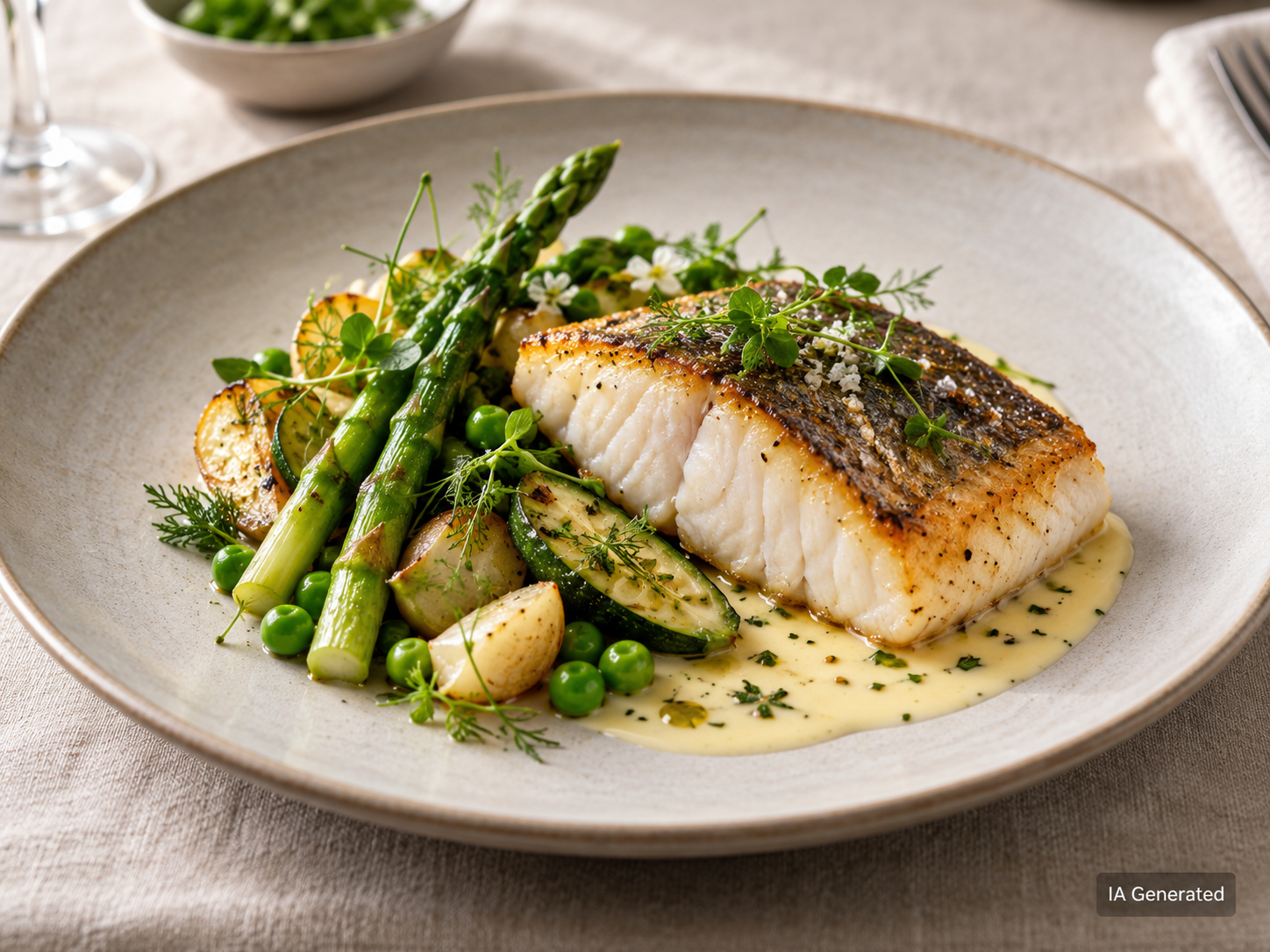
A restaurant on Avenue de la Gare with seasonal cooking rooted in Périgord produce. It is a good choice when dinner is one of the day’s main events and you are comfortable walking beyond the busiest old-town restaurant streets.
Reserve ahead, check the current menu and advise dietary requirements directly. Allow enough time for the meal rather than pairing it with a tightly timed evening tour.
IA Generated — regional food illustration; not a photograph of a named restaurant, dish or market.
Regional cooking in a historic setting
La Couleuvrine
Set in the old ramparts, La Couleuvrine combines a characterful location with regional cooking and a contemporary approach. The restaurant is included here as a dining recommendation; the separate hotel selection below focuses on verified four-star properties.
The restaurant advertises vegetarian, vegan and intolerance-adapted options; discuss your specific needs when reserving. Check service days and request terrace seating if it matters to you.
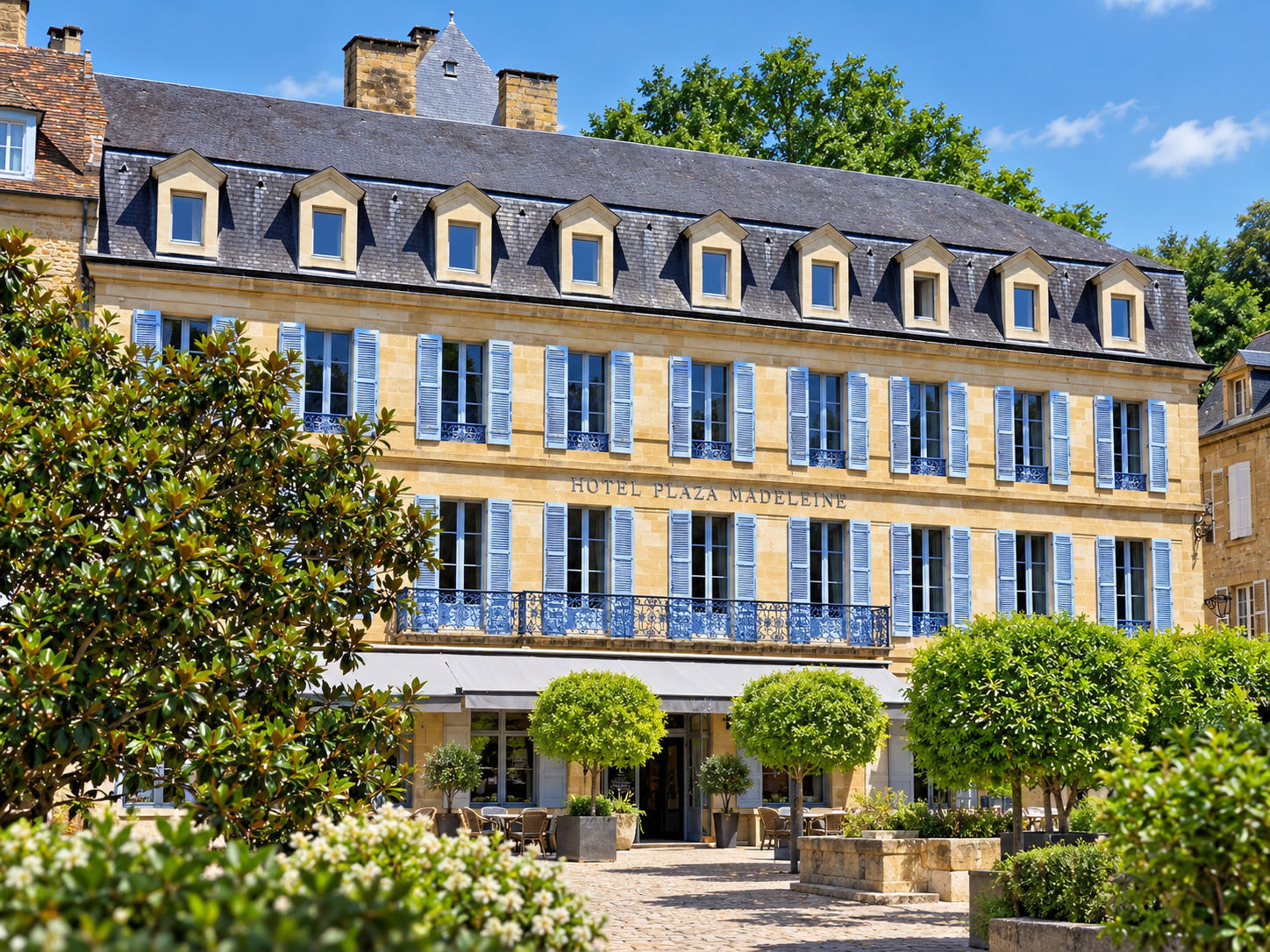
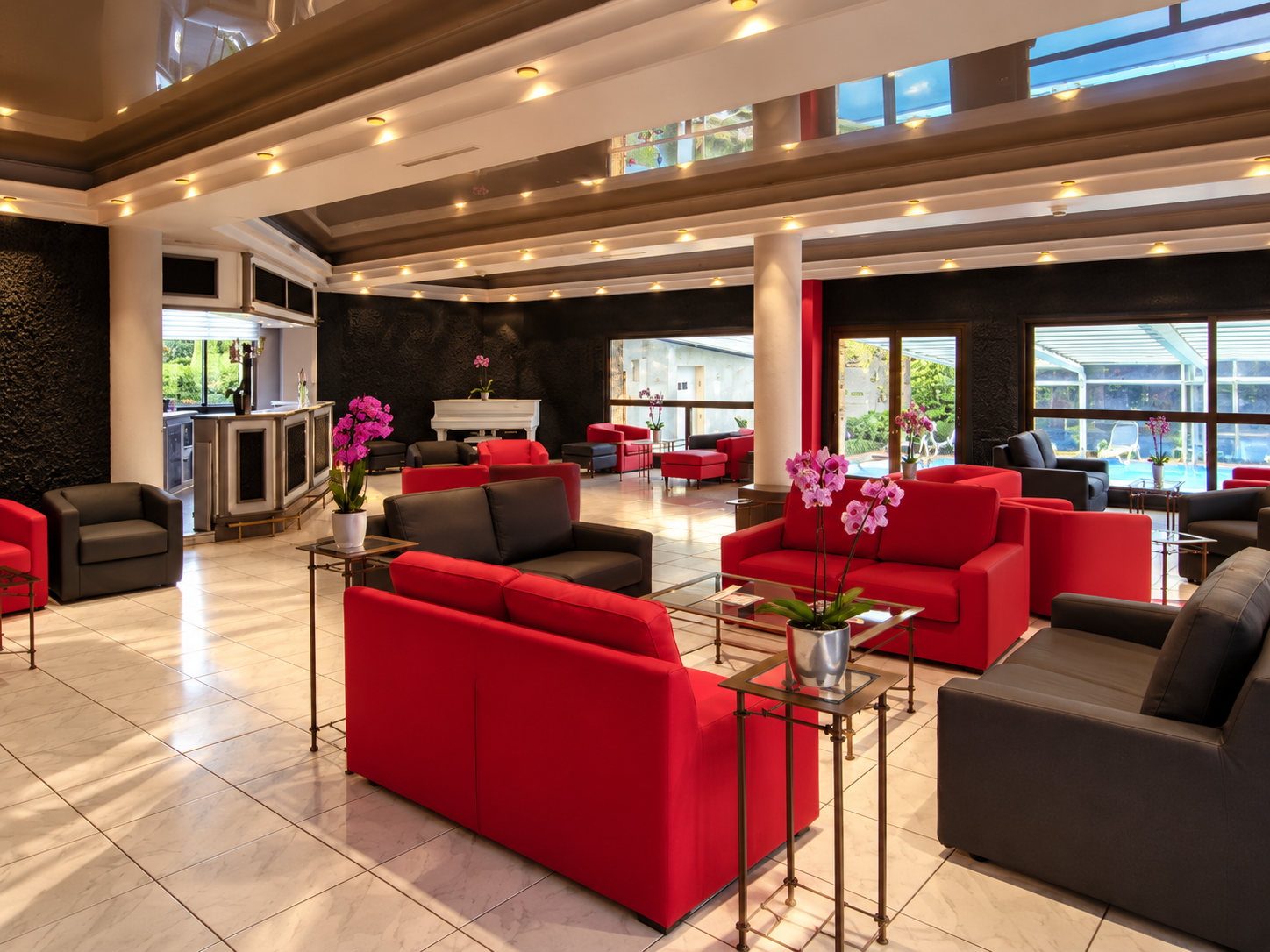
These three hotels are listed as four-star hotels in the Atout France register. They offer different settings: a central landmark, an intimate historic address and a larger property north of the old town. Facilities and room arrangements should be confirmed for your dates.
AI-generated photorealistic view.
4★ hotel · Central Sarlat
Hôtel Plaza Madeleine
A convenient base at the edge of the historic centre, with a classic stone façade and the town’s restaurants within easy walking reach.
Best for: A central stay with wellness facilities and straightforward evenings on foot.
Facilities: Heated swimming pool with seasonal cover, wellness area with sauna, hammam and hot tub, terraces and bar.
Confirm parking arrangements and any wellness access conditions. Ask for the exact room category if a quiet orientation or outdoor space is important.
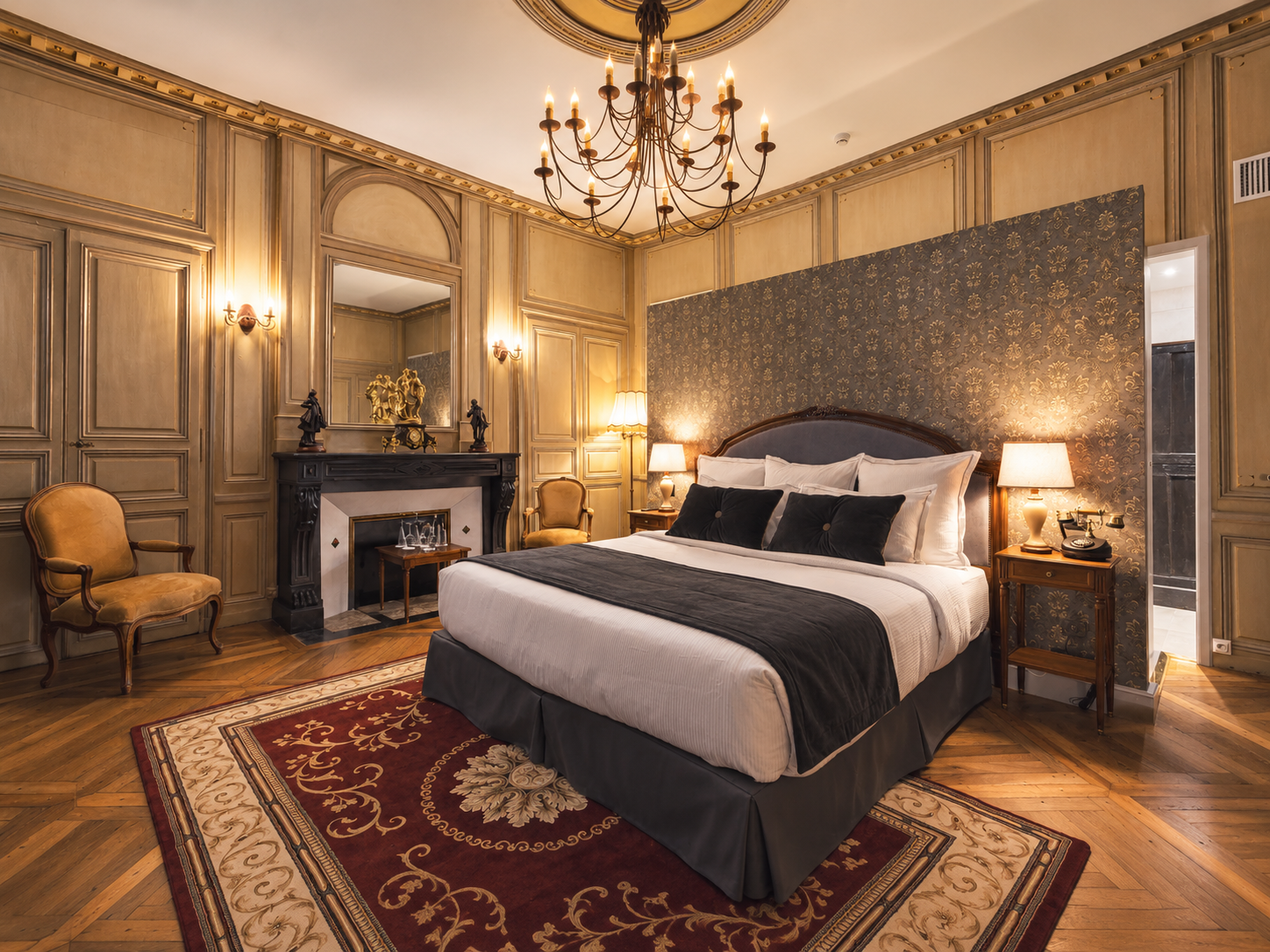
An intimate hotel in a historic building in the heart of Sarlat, suited to travellers who want the old town immediately outside the door.
Best for: Couples and travellers drawn to period interiors and a small-scale atmosphere.
Facilities: Individually styled rooms, garden or courtyard setting and a swimming pool.
Rooms differ. The illustration shows a reference bedroom style, not every category. Confirm stairs, access, parking instructions and pool opening before booking.
Accommodation in the Pavillon Selves and Clos la Boétie, around 500 metres from the centre according to the hotel. A useful option for combining town walks with relaxation time.
Best for: Guests who want a pool and wellness break between excursions.
Facilities: Heated covered pool, hot tub, sauna, lounge areas and two accommodation pavilions; the hotel lists an adapted room in each pavilion.
Confirm which pavilion and room you are booking, parking availability and the route to town. Request the adapted category explicitly if required.
A good period for combining the town, gardens and countryside. Allow for showers and keep an indoor visit available. Holiday weekends can still be busy, so reserve accommodation and key meals in advance.
Long days, busy streets
July & August
Use the early morning for the market or a town walk, and avoid building a day around multiple narrow arrival windows. Book river outings and popular restaurants ahead; allow extra time for parking and valley roads.
Food, atmosphere & quieter visits
Autumn & winter
Autumn can suit a slower road trip and seasonal food. Winter brings a different, quieter town experience and truffle-related visits, but opening patterns narrow. Check each attraction and restaurant rather than relying on summer information.
How Long to Spend
One full day is enough for a satisfying introduction to Sarlat: a morning walk or market, a relaxed lunch and one interior visit. Stay the night if you can, because the evening atmosphere adds something a day trip misses.
Two nights give you a full town day without arriving and leaving in a rush. Three or four nights are a better fit if you want the Dordogne valley as well, with separate time for a castle-and-village outing and a garden or river experience.
For a longer stay, alternate active excursions with slower mornings in town. A central hotel is useful if you want restaurant choice without driving every evening; a countryside base changes that balance and usually makes the car more central to your plans.
Getting There
Plan the final connection
By train
Sarlat has a railway station, with the Bordeaux–Sarlat route listed by TER Nouvelle-Aquitaine. Check the actual services and connections for your travel day rather than assuming a frequent mainline service.
Arrange the transfer between the station and your accommodation, especially with luggage or a late arrival. A car-free town stay is practical; a car-free programme across several rural attractions needs more preparation.
A car makes it easier to combine Sarlat with villages, gardens and castles. Build the route around geographic clusters and leave space for slower local roads and parking at each stop.
Ask your hotel for its recommended approach before arrival. Do not treat a historic-centre address as a guarantee that you can drive to the door or leave the car there.
Compare the whole journey
From an airport
Compare flight arrival times with the onward rail, hire-car or prebooked transfer options. The most convenient airport is the one that makes the complete journey work for your dates, not necessarily the one with the shortest straight-line distance.
If collecting a car, check desk hours against your flight and choose accommodation with clear parking arrangements for the first night.
Getting Around & Parking
Leave the car outside the pedestrian core and explore the old town on foot. Market mornings create extra demand, so arrive early and choose a suitable parking area before setting out rather than circulating through the centre.
The municipality publishes a parking-zone map and seasonal rules. Some central areas remain paid throughout the year, and restrictions differ by street. Follow the signs and machine instructions at the actual space; a free initial period may still require registration.
Hotel parking should be confirmed directly, including location, reservation requirements, height limits where relevant and charges. If you have reduced mobility, ask for the best drop-off point and the exact walking surface between the car and reception.
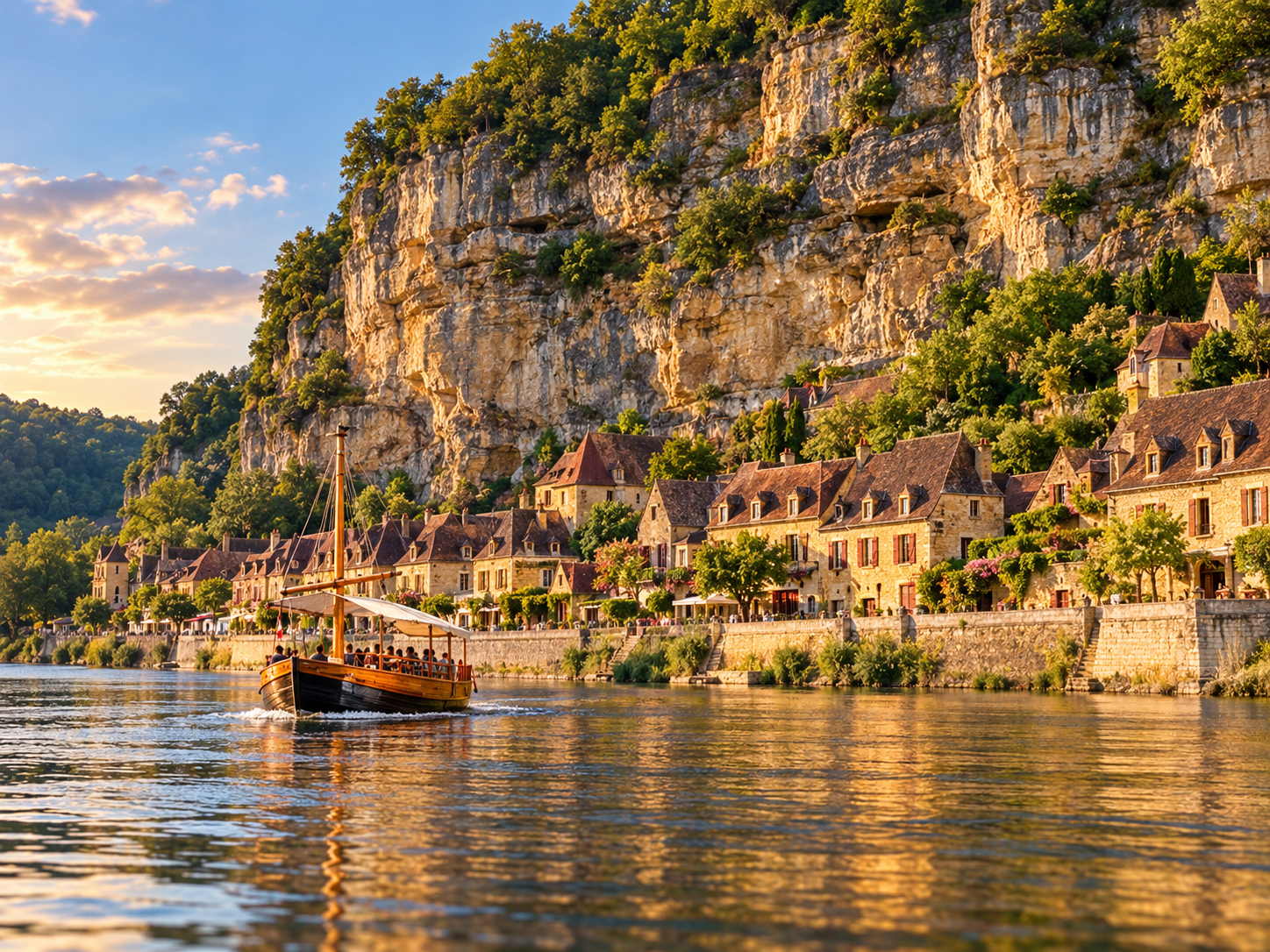
Pair the riverside village with a boat outing or a gentle lunch stop. If adding a canoe excursion, keep the rest of the day light and allow for operator check-in and the return transfer.
AI-generated photorealistic view.
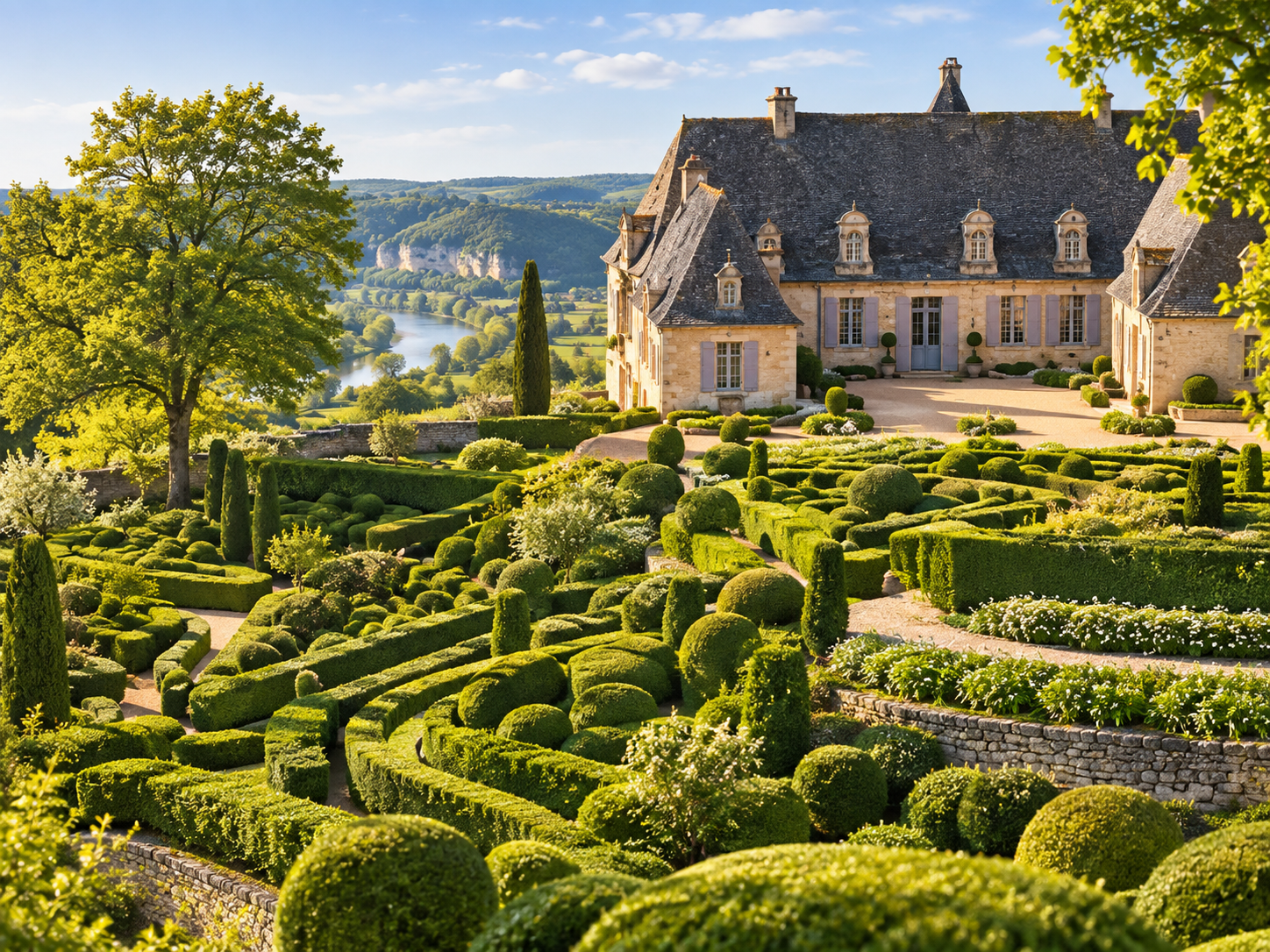
Castle or garden
Beynac & Marqueyssac
Choose the place that best matches your interests and energy: a hilltop castle visit or a garden walk with valley views. Combining both is possible, but it should be a full outing with time for the climb, paths and lunch.
Change the perspective
Domme & nearby villages
Add a hilltop village for a different view of the landscape. Avoid turning the outing into a succession of quick photo stops; one village explored well is often more rewarding than four hurried arrivals.
Walking Routes & Suggested Itineraries
Sarlat on foot
One relaxed town day
Morning: start in the cathedral quarter, continue through the smaller lanes and reach Sainte-Marie and Place de la Liberté. On a market day, reverse the order and browse the stalls first.
Afternoon: lunch, then Manoir de Gisson or the panoramic lift if confirmed open. Finish with a café stop and return for dinner and a short evening walk.
A compact stay
Two nights, one full day
Arrival afternoon: check in, leave the car and orient yourself with a gentle town circuit. Reserve dinner within easy walking reach.
Full day: follow the town route, adding a guided visit if desired. Departure morning: browse the market if the calendar fits, then continue to your next base without forcing in a major valley excursion.
Town, valley & breathing space
Four nights in the Périgord Noir
Day 1: arrive and settle into Sarlat. Day 2: dedicate the day to the town, market and one interior visit. Day 3: choose a castle and one nearby village in the Dordogne valley.
Day 4: plan a garden or river outing, with a flexible afternoon. Keep the wetter day for town interiors and adjust outdoor activities to the operator’s advice and current conditions.
Accessibility & Practical Advice
The historic centre has uneven paving, changing levels and narrow passages. A short route can still feel demanding with a wheelchair, walking aid or pushchair. Ask the tourist office for an accessible route that fits your needs rather than assuming every lane is suitable.
The tourist office publishes an accessibility guide. Confirm the current access to individual attractions directly, especially historic houses with stairs and the panoramic lift. An accessible hotel room does not by itself establish that the whole route into town is step-free.
Carry comfortable walking shoes and a light layer for evening walks. In hot weather, make the most of early starts and allow a proper midday break. Keep drinking water with you on longer valley outings.
Reserve meals and activities around realistic arrival times. If travelling with children, mix one structured visit with open time and avoid stacking several indoor heritage visits. For dietary requirements, contact restaurants before the day rather than relying on a general regional menu.
FWP Insider Advice
Stay close enough to walk to dinner at least once. The ability to enjoy Sarlat after the day-trip rush is one of the strongest arguments for using the town as a base.
Treat Wednesday and Saturday as different planning days: the market is an attraction in its own right, but parking and pedestrian movement take longer. Schedule a detailed architecture walk for another time if possible.
Keep your first valley day simple. Choose a single main reservation, then add a nearby village and lunch. Leave the second major attraction for another day instead of making every stop dependent on perfect timing.
For a short visit, prioritise the town over a long list of regional sights. A good market morning, a historic interior, a thoughtful dinner and an evening stroll make a complete Sarlat experience.
Frequently Asked Questions
How many nights should I stay in Sarlat?
Two nights provide a comfortable town visit. Three or four nights work better if you also want castles, gardens and river outings in the Dordogne valley.
Which days are the Sarlat market?
The traditional outdoor food market runs on Wednesday and Saturday mornings. Thursday brings an organic market later in the day, while covered and seasonal markets have their own schedules. Check the municipal calendar.
Do I need a car?
You can explore the historic centre on foot. A car is useful for a flexible programme of rural sights; without one, arrange excursions and transfers in advance.
Can I arrive by train?
Yes. Sarlat has a railway station and TER lists the Bordeaux–Sarlat route. Check your day’s timetable and organise the final transfer to your hotel.
Is the panoramic lift open?
Confirm directly with the tourist office. Official pages have carried different reopening information, so this guide does not assume continuous operation.
Is Sarlat suitable for visitors with limited mobility?
Parts of the centre can be visited with a carefully planned route, but uneven paving, slopes and historic stairs vary. Use the tourist office accessibility guide and confirm access with each hotel and attraction.
Is Sarlat a good winter destination?
It can suit a food-focused, quieter stay, especially around seasonal truffle events. Check opening days carefully and include indoor options.
Plan Your Stay
France. Well Planned.
Make time for the places that matter to you.
We plan. You choose. You book.
We can help balance Sarlat’s markets and evenings with the right Dordogne villages, hotels and day trips for your pace.
Last reviewed: 3 October 2026. Practical information, schedules and services may change. Use the linked operators to confirm your dates. Travel times in this guide are planning estimates, not timetables.
Destination illustrations are reused from the FWP regional image collection. The three hotel illustrations were generated from official hotel photo references and are labelled AI-generated photorealistic views. They are illustrative, not documentary photographs or guarantees of a particular room category.