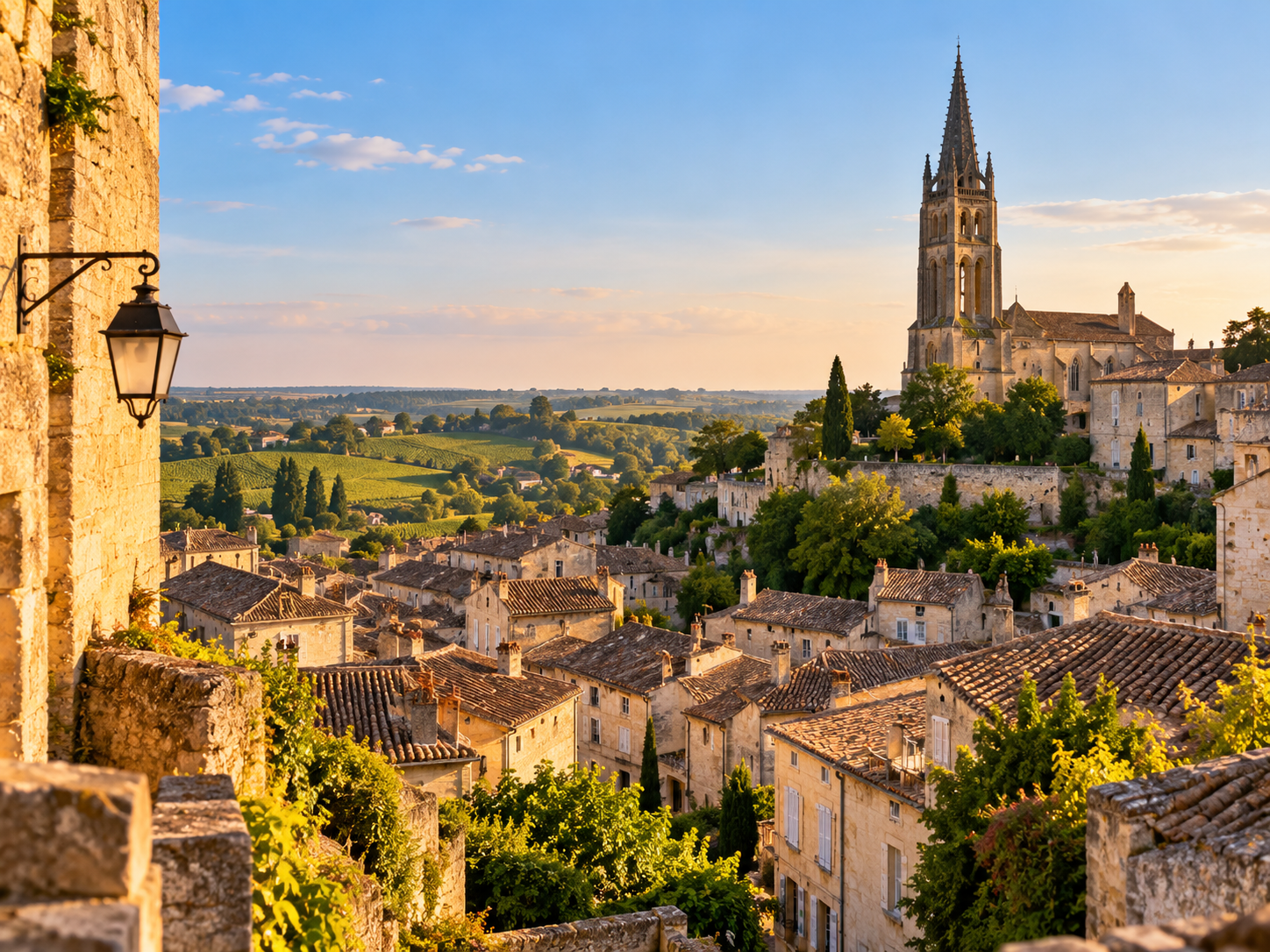
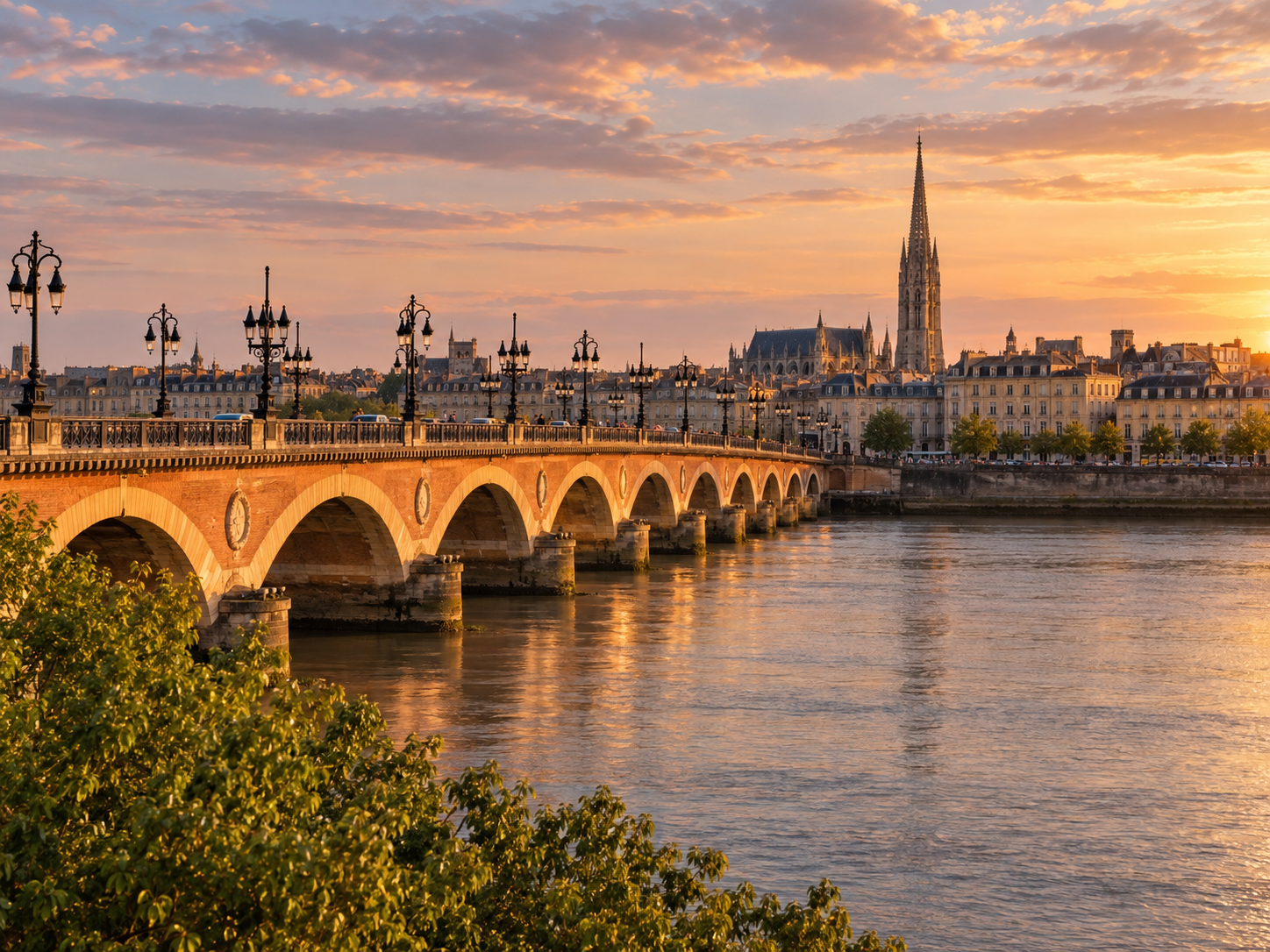
Medieval lanes, limestone cellars and a vineyard landscape worth slowing down for.
Come for the village, stay for the quieter hours. Saint-Émilion rewards a plan that leaves room for one good cellar visit, a long lunch and an unhurried walk above the vines.
Best length1–2 nightsA day works; an overnight stay changes the atmosphere.
Best rhythmVillage + one estateReserve the underground monuments and winery separately.
Good seasonsSpring & autumnSummer needs an early start and a shaded break.
Getting aroundWalk + planned transfersSteep cobbles in town; estates spread across the countryside.
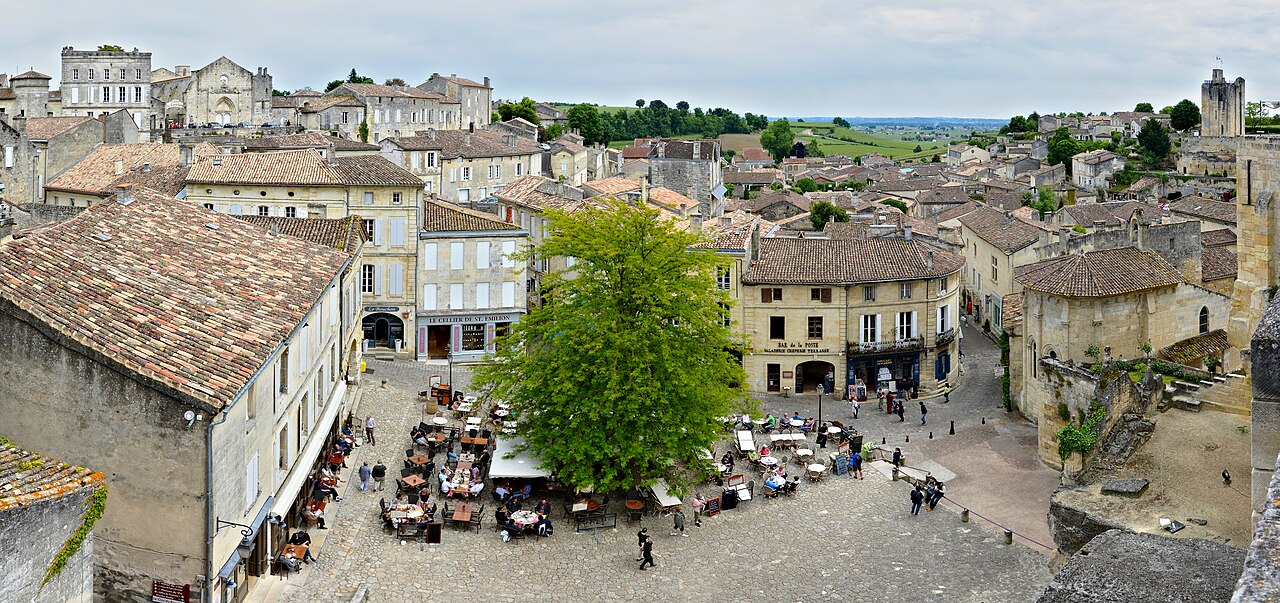
Saint-Émilion is a compact medieval village set in the vineyards east of Bordeaux. Pale limestone houses rise around steep lanes, churches and viewpoints, while cellars extend beneath the streets. The surrounding wine landscape is part of the destination, rather than simply the backdrop to a tasting.
The most satisfying first visit combines three different experiences: the village above ground, the rock-cut monuments below it, and a booked encounter with a wine estate. These do not fit naturally into a rushed chain of appointments. Choose one anchor booking for the morning and another for the afternoon, with a proper lunch between them.
Staying overnight is particularly rewarding if you enjoy atmosphere more than ticking off sights. After the day visitors leave, the lanes feel different and dinner can be enjoyed without watching a return-train deadline. A village hotel suits travellers who want to walk to restaurants; a vineyard property offers more space but makes transport part of the plan.
Where to Go & What to See
AI-generated photorealistic view.
Start here
The upper village & viewpoints
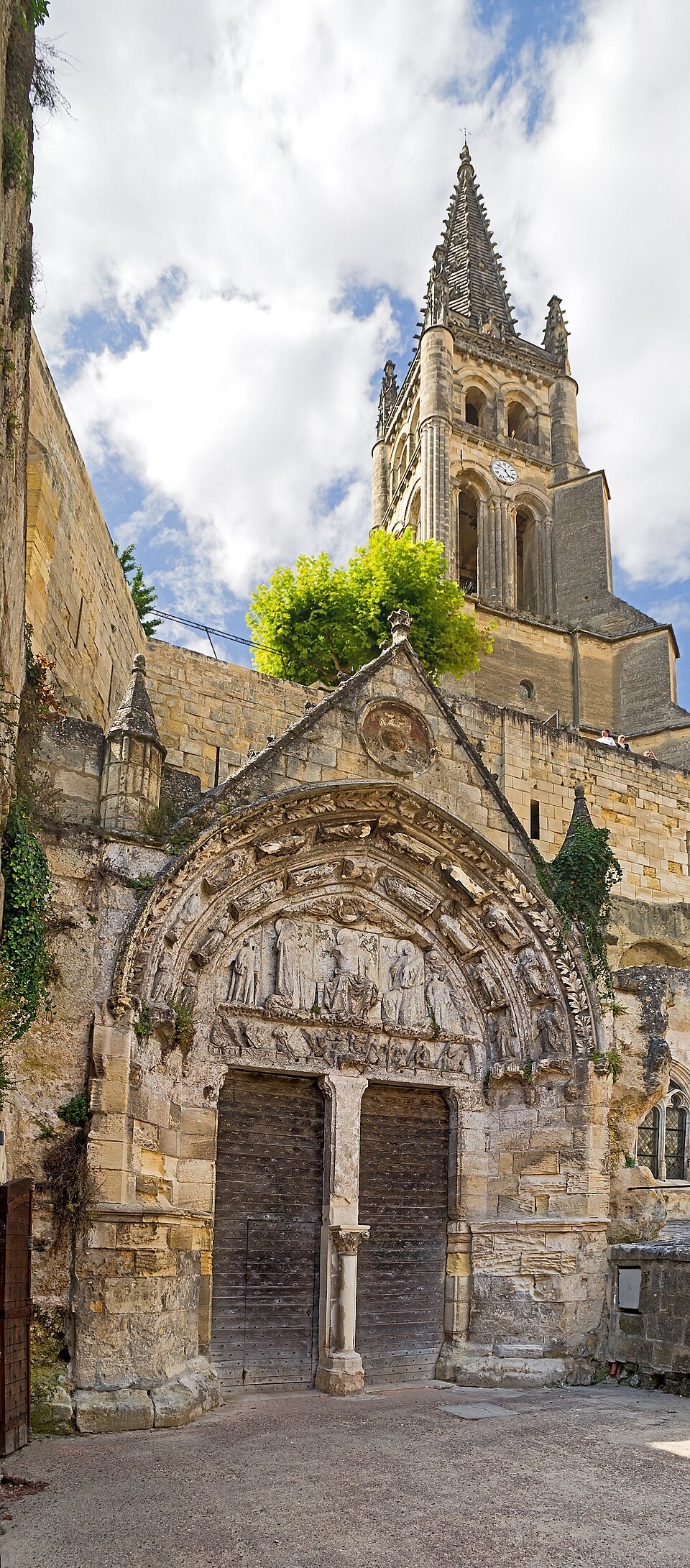
Begin around Place des Créneaux and the collegiate church before descending through the medieval lanes. The elevated terraces help you understand the village’s layout and its relationship with the surrounding vineyards.
The bell tower and other paid monuments have their own access arrangements. A ticket to the underground church does not automatically include the tower; confirm the current combination before buying.
Saint-Émilion’s rock-cut church is the essential historic visit. Book the tourist office’s underground tour, check its language, and allow a comfortable arrival margin. Do not assume a general village walking tour includes this interior.
Access is controlled and photography is not permitted on the underground monument tour. Contact the tourist office before booking if steps, confined spaces or mobility requirements could affect your visit.
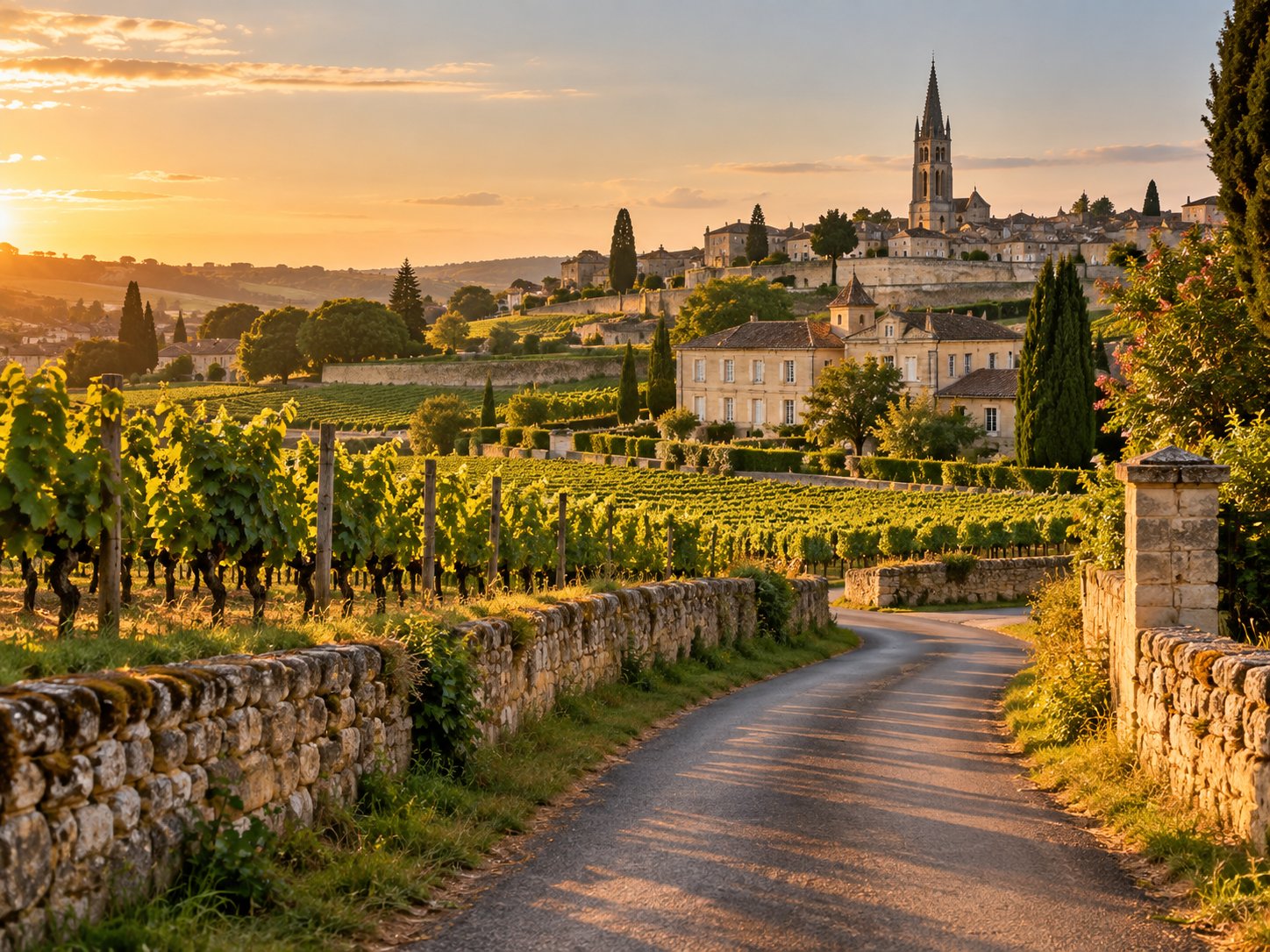
Walk a short signed route or arrange a guided outing to see how close the vines come to the village. Keep to public paths and authorised routes: a beautiful vineyard is still a working property.
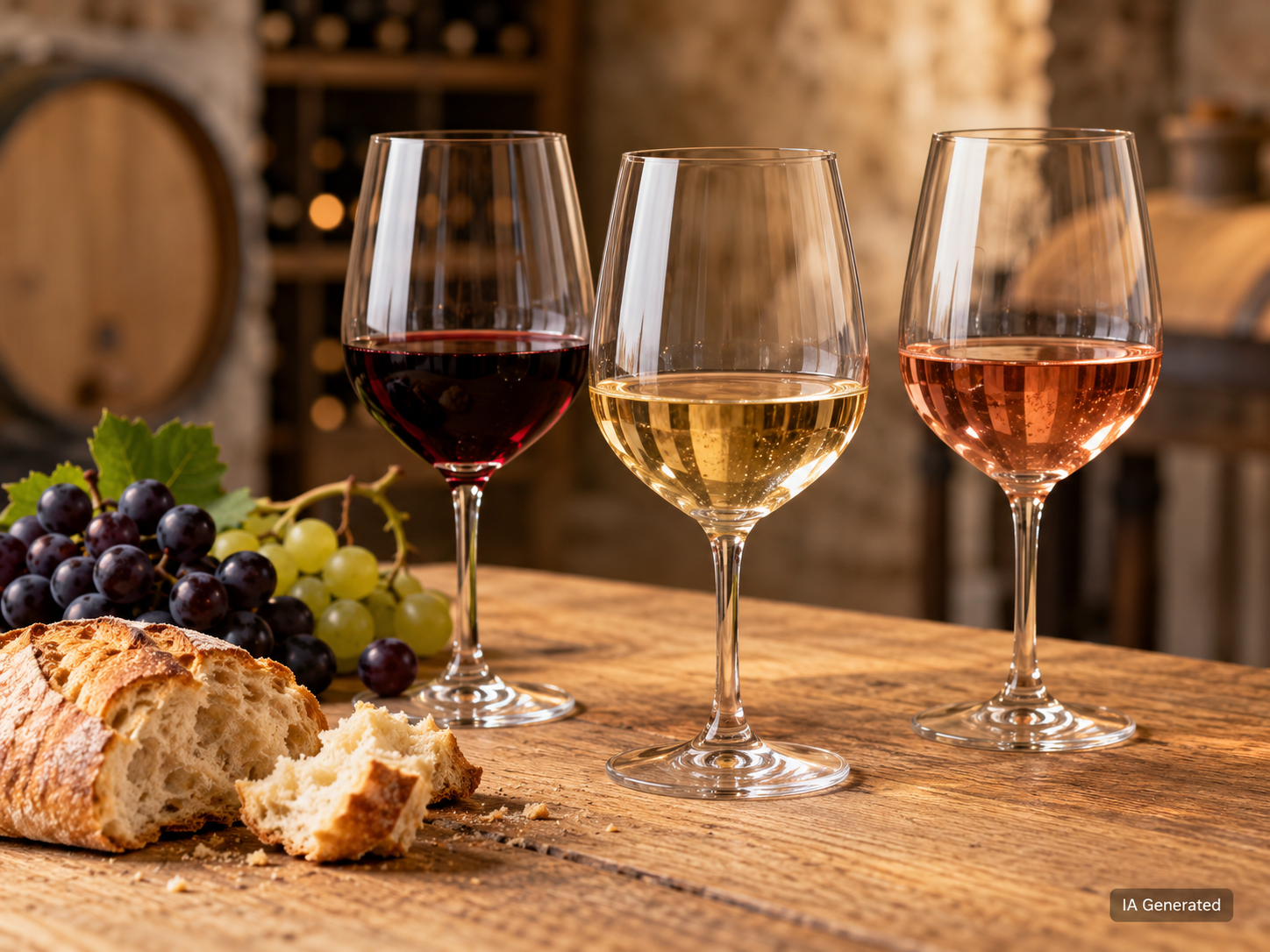
Choose an estate for the kind of visit you want, not only for a famous name. A clear explanation of soils, growing methods and cellar work can be more memorable than several hurried tastings.
IA Generated — illustrative image; not a photograph of this venue or its products.
Wine with context
One carefully chosen château visit
Reserve directly or through the tourist office and confirm the exact meeting place. Ask whether the visit includes the vines, production spaces or underground cellars, and whether children or non-drinkers can join.
Leave time for the journey between estates. If you intend to taste, arrange a driver or transport in advance; rural taxis should not be treated as an on-demand city service.
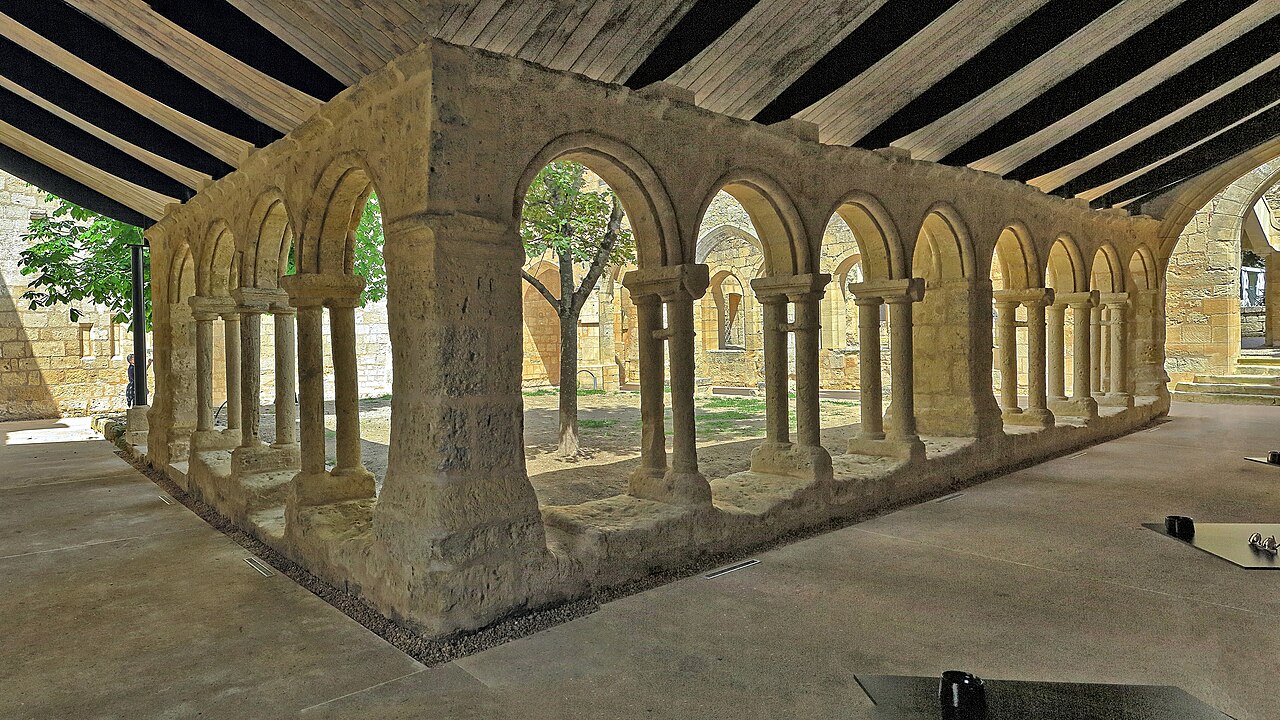
The Cordeliers combine a historic cloister with underground galleries and an explanation of traditional-method sparkling wine. Their guided routes offer a useful counterpoint to the area’s red-wine estates.
Book the appropriate walking or vehicle-based format and ask about access requirements. Bring a light layer for the cool galleries even on a warm afternoon.
Return to the viewpoints near the end of the day, then settle into dinner without adding another excursion. The pleasure here is often the shift in pace once the busiest sightseeing hours have passed.
Choose a restaurant close enough to your accommodation for the return journey you actually want. A country hotel and a village dinner may require a prearranged transfer in both directions.
Markets Worth Planning Around
IA Generated — illustrative image; not a photograph of this venue or its products.
Tuesday, Friday & Sunday mornings
Libourne’s open-air market
For a substantial produce market, plan a morning in nearby Libourne. The municipal market is centred on Place Abel Surchamp and surrounding streets, with food shopping that can form the start of a picnic or a separate town visit.
Check the city’s current information before travelling. Market-day parking restrictions apply around the square, so use a permitted parking area and walk in.
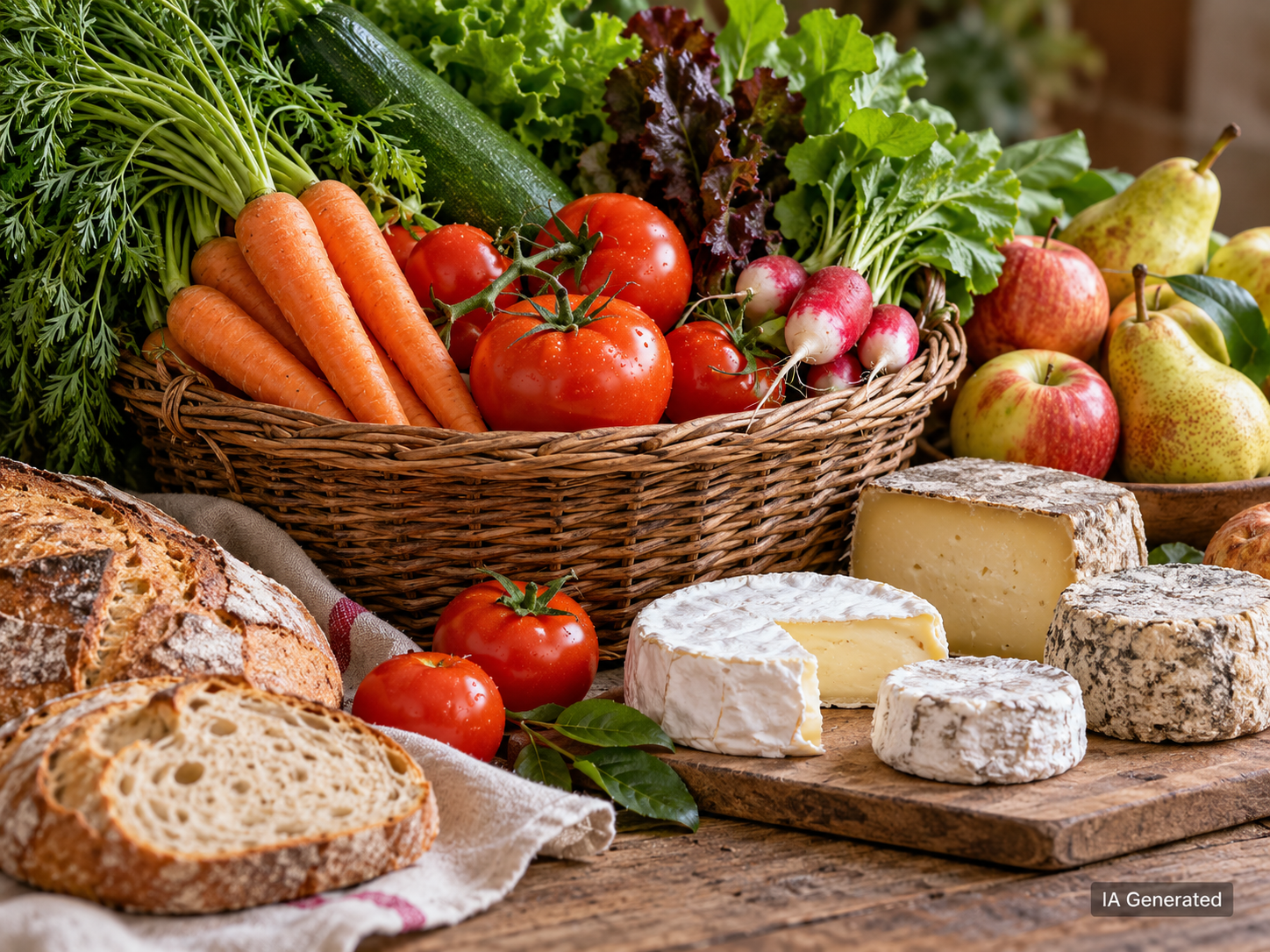
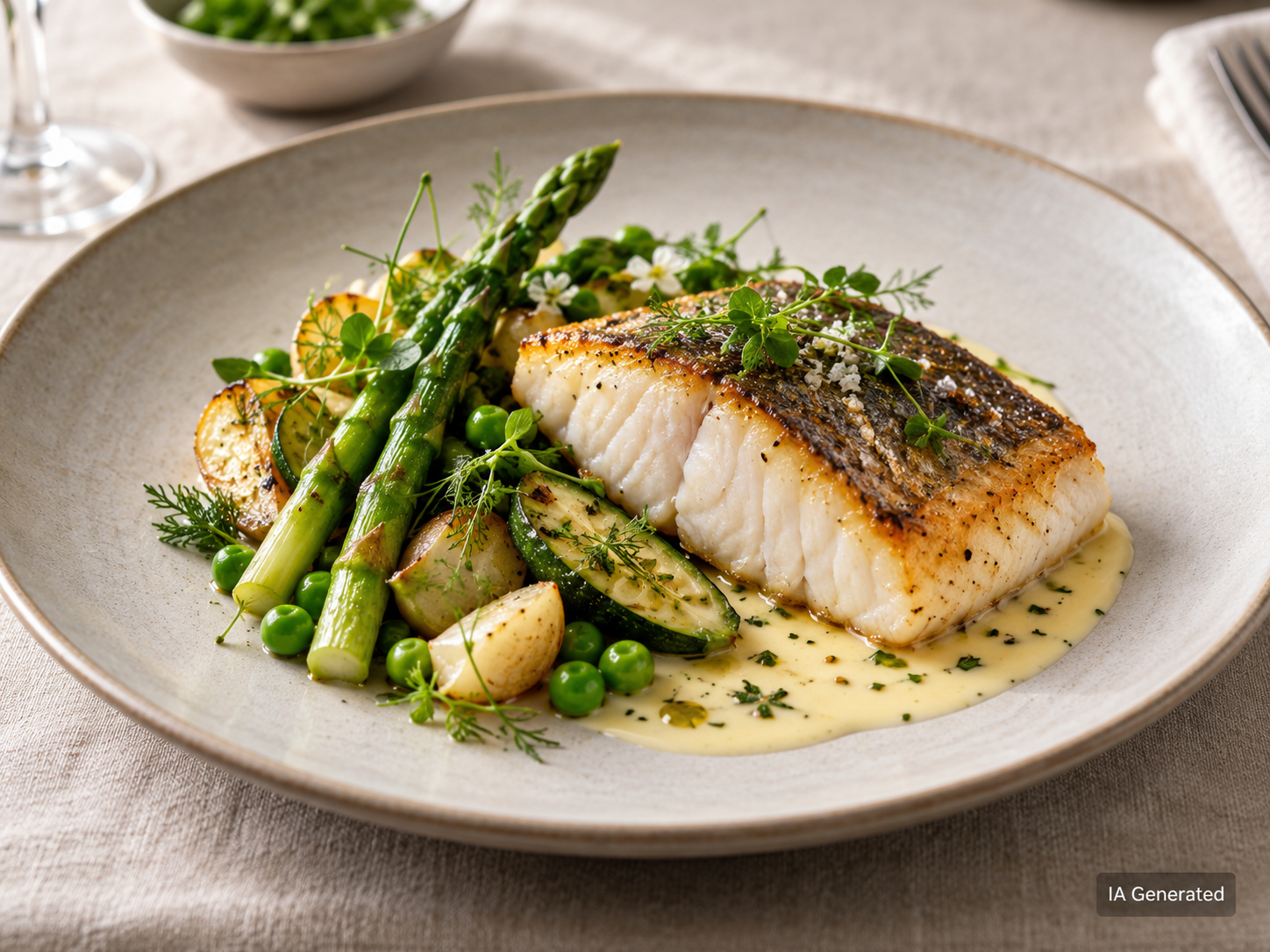
IA Generated — regional food illustration; not a photograph of a named restaurant, dish or market.
A Saint-Émilion pause
Village food shops & macarons
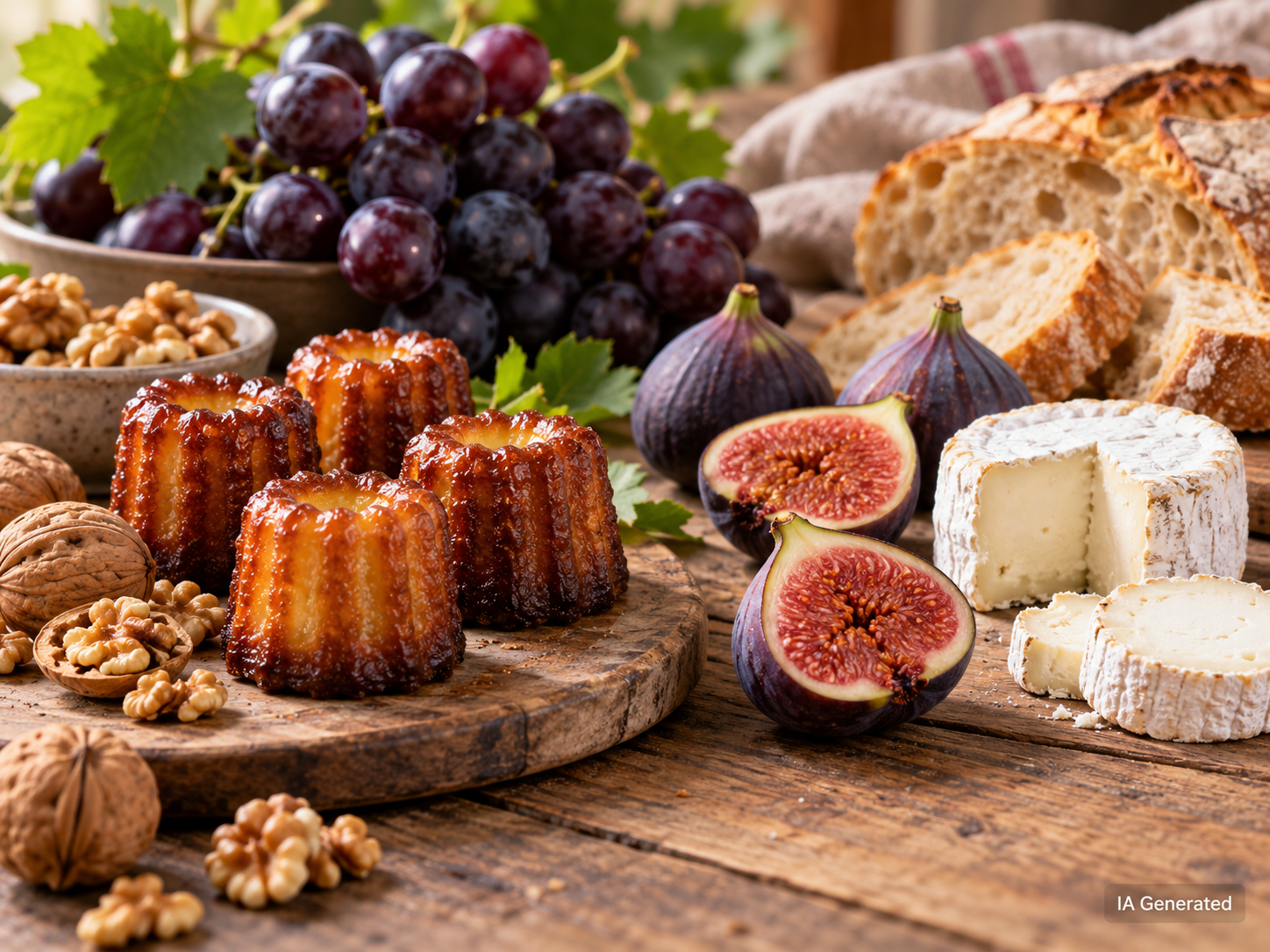
Allow time for a bakery or food-shop stop between visits. Saint-Émilion’s traditional almond macarons are a different experience from the brightly coloured filled macarons found elsewhere.
Buy something you want to eat that day, rather than making the whole visit a souvenir-shopping route. Ask about ingredients and allergens where relevant.
IA Generated — illustrative image; not a photograph of this venue or its products.
Keep it simple
A picnic with a view
Collect bread, cheese, fruit and water before setting off. Ask locally for a permitted picnic spot or a route with a suitable rest area; do not set up among working vineyard rows without permission.
In hot weather, choose a shaded stop and carry food safely. A picnic works best on a flexible walking day, rather than between tightly timed cellar appointments.
Where to Eat
IA Generated — illustrative image; not a photograph of this venue or its products.
Bistro & wine bar
L’Envers du Décor
A central village address for market-led bistro cooking and a wine-focused meal. Its garden setting offers an alternative to the busier public squares when available.
A practical choice for a relaxed lunch or dinner within walking distance of village accommodation. Reserve ahead for your preferred service.
IA Generated — illustrative image; not a photograph of this venue or its products.
A destination meal
Logis de la Cadène
A refined restaurant on Place du Marché au Bois, suited to a meal that is one of the main events of the stay. Expect to give the experience time rather than squeeze it before a departure.
Consult the current menus, service days and dietary arrangements directly. Book the restaurant separately from accommodation.
IA Generated — illustrative image; not a photograph of this venue or its products.
Gastronomy above the village
La Table de Pavie
The restaurant at Hôtel de Pavie is an option for a special-occasion stay. Pair it with an unhurried afternoon and a simple return to your room or a reserved transfer.
Check the current menu, reservation conditions and any dress guidance before booking. A dining reservation should not be assumed to include hotel access or a room.
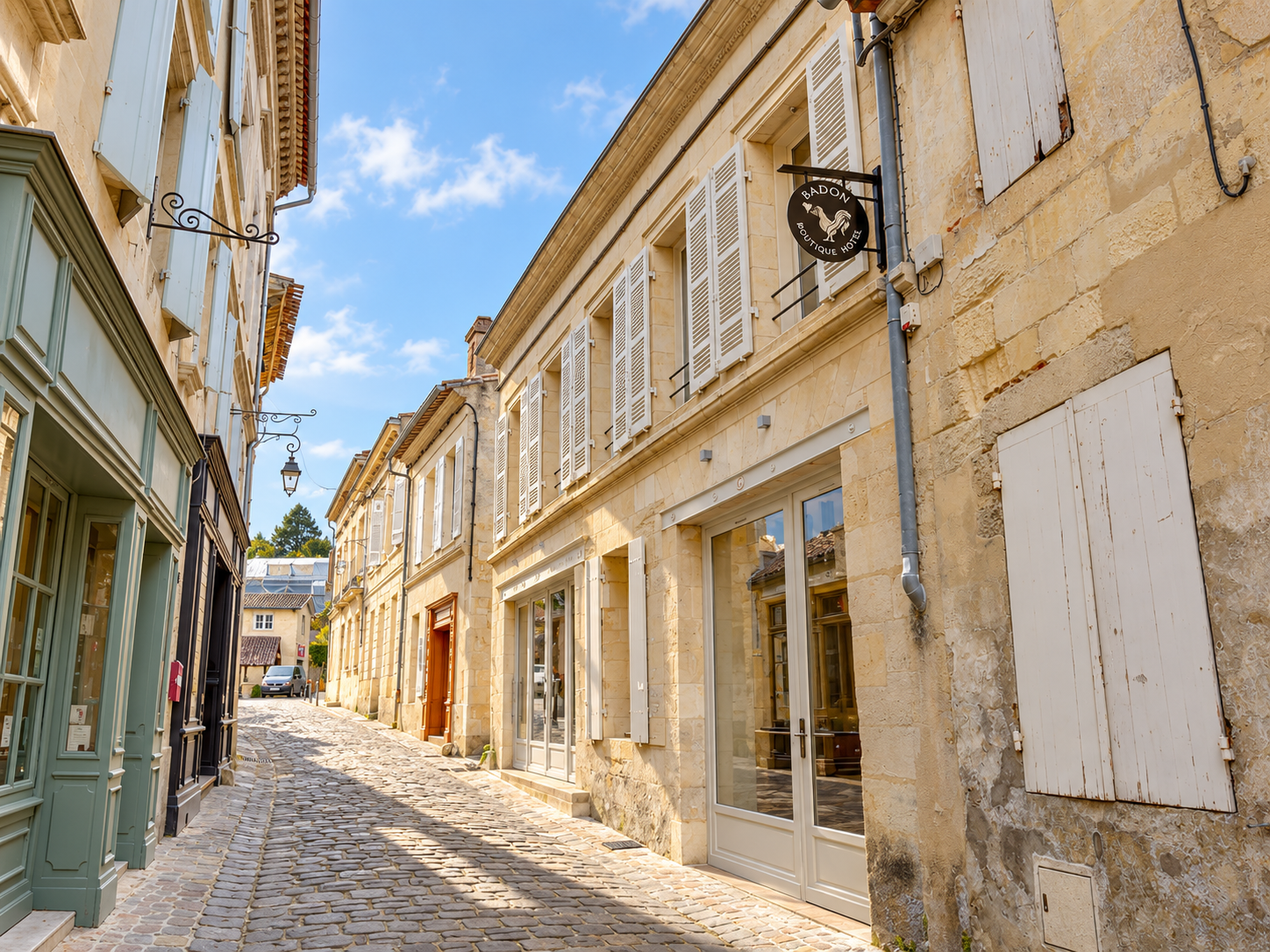
These are three different ways to stay in Saint-Émilion: a small village boutique hotel, a refined hilltop address and a château property among the vines. Hotel classifications were checked in the Atout France register. Confirm the exact room, parking and access arrangements before booking; the images are clearly labelled AI-generated views based on real references.
AI-generated photorealistic view.
4★ hotel · Lower village · rue Porte Bouqueyre
Badon Boutique Hôtel
A small boutique address within the historic village, well placed for travellers who want restaurants and lanes on the doorstep. Its intimate scale suits a stay built around walking, food and a carefully selected wine visit.
Best for: Couples and independent travellers prioritising a central village base.
Facilities: Air-conditioned rooms, breakfast service, concierge assistance and wine experiences; private parking and charging are subject to arrangements and charges.
Ask the hotel for the permitted arrival route and reserve parking if required. Confirm the specific accessible room and the route to it directly.
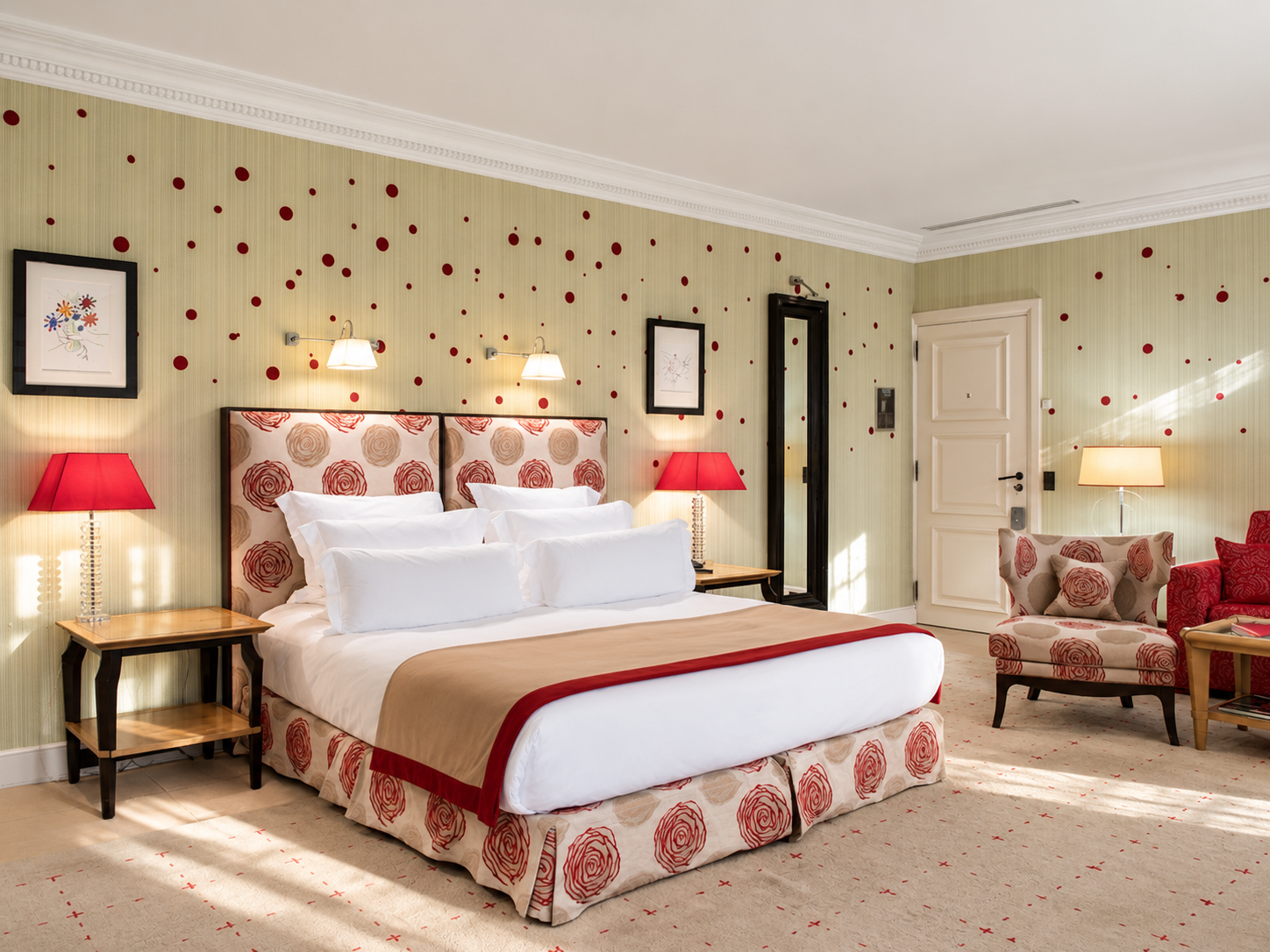
A refined address above the village, with individually styled accommodation and a close connection to La Table de Pavie. Choose it for a special stay in which the hotel setting and dinner are central to the experience.
Best for: A romantic break, a gastronomic stay or a celebration.
Facilities: Terraces, bar, restaurant and concierge services; room categories and settings vary between the hotel’s buildings.
Confirm which building and room category you are booking. The separately presented Maison des Suites guesthouse offering should not be assumed to carry the same hotel classification. The image depicts a room style, not a guaranteed allocation.
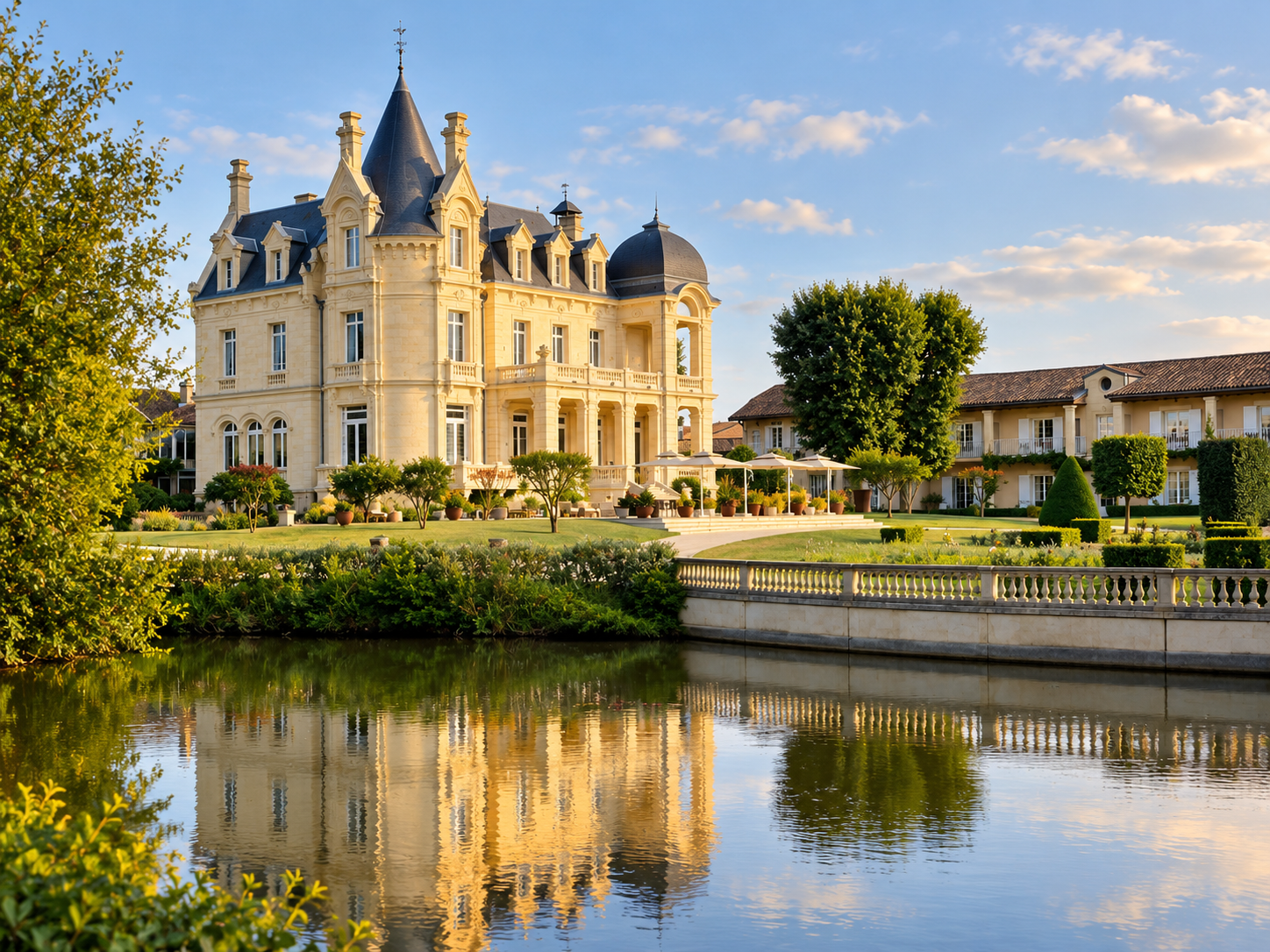
5★ hotel · Outside the village · Route de Libourne
Château Hôtel Grand Barrail
A château hotel set in grounds among the vineyards, offering a more spacious countryside stay than a village address. It works well when you want time at the property alongside wine visits and Saint-Émilion sightseeing.
Best for: A restful vineyard escape, spa time and travellers arriving by car.
Facilities: Restaurant, Sothys spa, fitness facilities, seasonal outdoor pool and parking; check access conditions and seasonal operation directly.
The property is outside the historic centre. Arrange village transfers in advance and confirm any hotel shuttle schedule rather than relying on it without a reservation.
Spring can be a rewarding time for village walks and vineyard scenery. Pack layers and a waterproof jacket, and keep an indoor visit available if the weather turns.
Avoid assuming quieter months mean every attraction opens every day. Check restaurant and estate opening days before fixing the itinerary.
Start early
Summer
Summer brings longer days and busy sightseeing hours. Visit the lanes early, reserve indoor tours, and leave the hottest part of the afternoon for lunch, a cellar or your hotel.
Carry water and wear shoes with grip. The distance between sights may be short, but exposed slopes and uneven paving make the walking more demanding than a map suggests.
Atmosphere with more planning
Autumn & winter
Autumn offers changing vineyard colour, but harvest timing varies and working estates may limit visits. Never assume a harvest demonstration is included unless expressly booked.
Winter can be quiet and atmospheric, with more limited services. Choose accommodation and dining first, then build a realistic sightseeing day around confirmed openings.
How Long to Spend
One full day: explore the village, take a booked underground tour, enjoy lunch and choose either a nearby estate visit or the Cordeliers. Trying to include both can make the day feel rushed.
Two nights: the most balanced option for a first stay. Use one day for the village and another for vineyards or Libourne, with evenings free for dinner and quieter walks.
Three nights or more: worthwhile if wine is a major interest, you want spa time, or you prefer fewer hotel changes. Vary the estate visits and leave one half-day without a reservation.
Getting There
Check the whole journey
By train from Bordeaux
TER services connect Bordeaux Saint-Jean with Saint-Émilion. Use the official timetable for your travel date and check the last practical return before booking dinner.
The station is below the village, roughly 1.5 km away. Allow for an uphill walk or prearrange a transfer, especially with luggage, in heat or if mobility is limited.
Libourne is another useful arrival point for this area. Compare services for your origin and arrange the final transfer to your hotel or Saint-Émilion in advance.
Do not confuse the railway station with the village centre when comparing arrival times. Include luggage handling and the last part of the journey in your plan.
Useful for scattered estates
By car
A car is helpful for countryside accommodation and independent vineyard visits, but brings little benefit inside the old village. Obtain your hotel’s arrival instructions before following navigation into narrow streets.
Allow extra time on busy weekends and for parking. Choose a designated driver if wine tasting is part of the day, or book a guided transport option.
Getting Around & Parking
Use signed parking areas around the village rather than trying to drive through the steep historic lanes. Upper-village parking works well for the tourist office and viewpoints; lower-village parking can suit a different hotel or walking route. The easiest choice depends on your first appointment and mobility needs.
The tourist office’s town information identifies parking near the collegiate church, around Place Bouqueyre and behind the gendarmerie. Charges, time limits and availability differ. Read the signs on arrival and do not plan an all-day visit around a short-stay space.
If staying overnight, ask whether parking is on site, reserved elsewhere or simply a public option nearby. Check unloading instructions and the walk from the car to reception before arriving with luggage.
Combine Saint-Émilion with Bordeaux for a balanced city-and-wine itinerary. Give Bordeaux its own time for riverside walks, neighbourhoods and dining rather than treating it only as the airport gateway.
A Libourne market morning combines naturally with an afternoon appointment in the surrounding wine country. Keep the number of tastings modest and build in time for lunch and the drive.
Neighbouring appellations are not interchangeable visitor attractions: choose a specific estate and confirm that it welcomes visitors.
Continue east at a slower pace
Dordogne
Saint-Émilion can form the wine-country portion of a longer Bordeaux and Dordogne trip. Move on to a separate base for the Dordogne’s villages, gardens and river activities.
Avoid turning the transfer day into a string of compulsory stops. One planned visit and a comfortable arrival usually work better than racing to make an evening check-in.
Morning: arrive with time to park or walk from the station, orient yourself in the upper village and join a reserved underground tour.
Midday: have a proper lunch, then explore the lower lanes at your own pace. Afternoon: choose one booked estate visit or the Cordeliers before returning to a viewpoint. Check the train home before setting your final booking.
The most balanced stay
Two nights without rushing
Arrival day: settle into the hotel, walk a short village loop and keep dinner close by. Full day: combine the underground monuments with one winery appointment, leaving lunch and the late afternoon flexible.
Departure morning: take a final walk before the busiest hours, or visit Libourne’s market if your dates match. Leave enough time for luggage collection and the onward journey.
Plan around the slopes
A gentler village visit
Start near the upper village with a prearranged drop-off where permitted. Focus on the viewpoints, a seated lunch and an attraction whose access has been confirmed for your needs.
Do not assume the most direct lane is the easiest route. Ask the tourist office for a route matched to your mobility, and plan the return transfer before descending into the lower village.
Accessibility & Practical Advice
Wear shoes with grip: the tertres and cobbled lanes can be steep and slippery, especially after rain. A small day bag is easier than a wheeled case during sightseeing. Leave luggage at your hotel where possible.
For wheelchair users, reduced mobility or anyone who cannot manage steps, speak to the tourist office and each venue before booking. Village access, underground tours and individual hotels have different constraints; an accessible bedroom does not guarantee an accessible sightseeing route.
Families should check tour length, minimum ages and whether children receive an alternative to wine tasting. Leave space for food, toilets and outdoor breaks rather than scheduling successive cellar visits.
Wine purchases can be heavy and transport rules vary. Ask about shipping, packaging and your destination’s allowances before buying bottles you cannot comfortably carry. Confirm cancellation conditions for visits and hotel bookings directly.
FWP Insider Advice
Make one winery visit count. Tell the estate what interests you when booking, and choose the language and format that will let you ask questions. More appointments rarely mean a better understanding of the place.
Book the underground monuments first if they are essential to your visit, then build lunch and transport around that time. Keep enough margin for parking and the steep approach to the meeting point.
Choose accommodation by your evening plans. Village hotels suit dinners on foot; a countryside property suits time in the grounds and at the spa. Neither is universally better, but confusing the two can create avoidable taxi journeys.
Frequently Asked Questions
Can I visit Saint-Émilion as a day trip from Bordeaux?
Yes. A full day can include the village, a booked underground tour and one wine experience. Check the train timetable and allow for the walk between Saint-Émilion station and the village.
Do I need to reserve the monolithic church?
Book the tourist office’s guided underground visit and check the tour language. A general village tour or a bell-tower ticket does not necessarily include the underground church.
Is Saint-Émilion worth visiting if I do not drink wine?
Yes. The medieval lanes, viewpoints and rock-cut monuments make an interesting visit in their own right. Choose tours whose historical content appeals to you and ask about non-drinking options.
Do I need a car?
No for a carefully planned village visit. A car or reserved transport is useful for countryside hotels and scattered estates. Do not rely on finding a last-minute rural taxi after dinner.
Is the village easy to walk around?
It is compact but steep, with uneven cobbles and steps. Allow more time than the distances suggest and ask for an adapted route if you have mobility requirements.
How many nights should I stay?
Two nights give a comfortable village day plus time for vineyards or nearby Libourne. One night still lets you enjoy the quieter evening atmosphere.
Plan Your Stay
France. Well Planned.
Make time for the places that matter to you.
We plan. You choose. You book.
We can build Saint-Émilion into a Bordeaux and Dordogne journey with the right hotel location, sensible transfers and room to enjoy the wine country.
Last reviewed: 3 October 2026. Practical information, schedules and services may change. Use the linked operators to confirm your dates. Travel times in this guide are planning estimates, not timetables.
Images labelled AI-generated are photorealistic interpretations, not authentic photographs. Hotel views were created from real photographic references on the official hotel websites. Architectural, furnishing and landscape details may differ; hotel images do not guarantee a specific room allocation or service. Destination views reuse the site’s existing labelled imagery.