Best forHeritage & foothillsFortified streets, Camino culture and regional food
Ideal stay2–3 nightsA full town day and one countryside outing
Getting thereTrain from BayonneCheck the service and final return for your date
Walking characterSlopes & pavingThe old town is compact but not uniformly flat
Saint-Jean-Pied-de-Port, or Donibane Garazi, sits at a meeting point of streets, rivers and routes towards the Pyrenees. Its name refers to the mountain passes rather than a harbour. The Camino gives the town an unmistakable sense of movement, but you do not need to be beginning a pilgrimage to enjoy a stay here.
The best first day stays close to the historic centre: follow the river, look at the houses, climb towards the gateway and citadel, and leave time for lunch. A second day can explore the Irouléguy vineyards or a walk chosen for the conditions. This gives the town room to be more than an overnight stop before the mountains.
Choose the length of stay according to your purpose. A day trip from Bayonne introduces the main sights; two to three nights allows quieter mornings and a wider view of the countryside. If beginning the Camino, consider arriving with time to rest and organise the next stage instead of stepping off a late train immediately before a demanding walking day.
Where to Go & What to See
Destination image from the FWP collection.
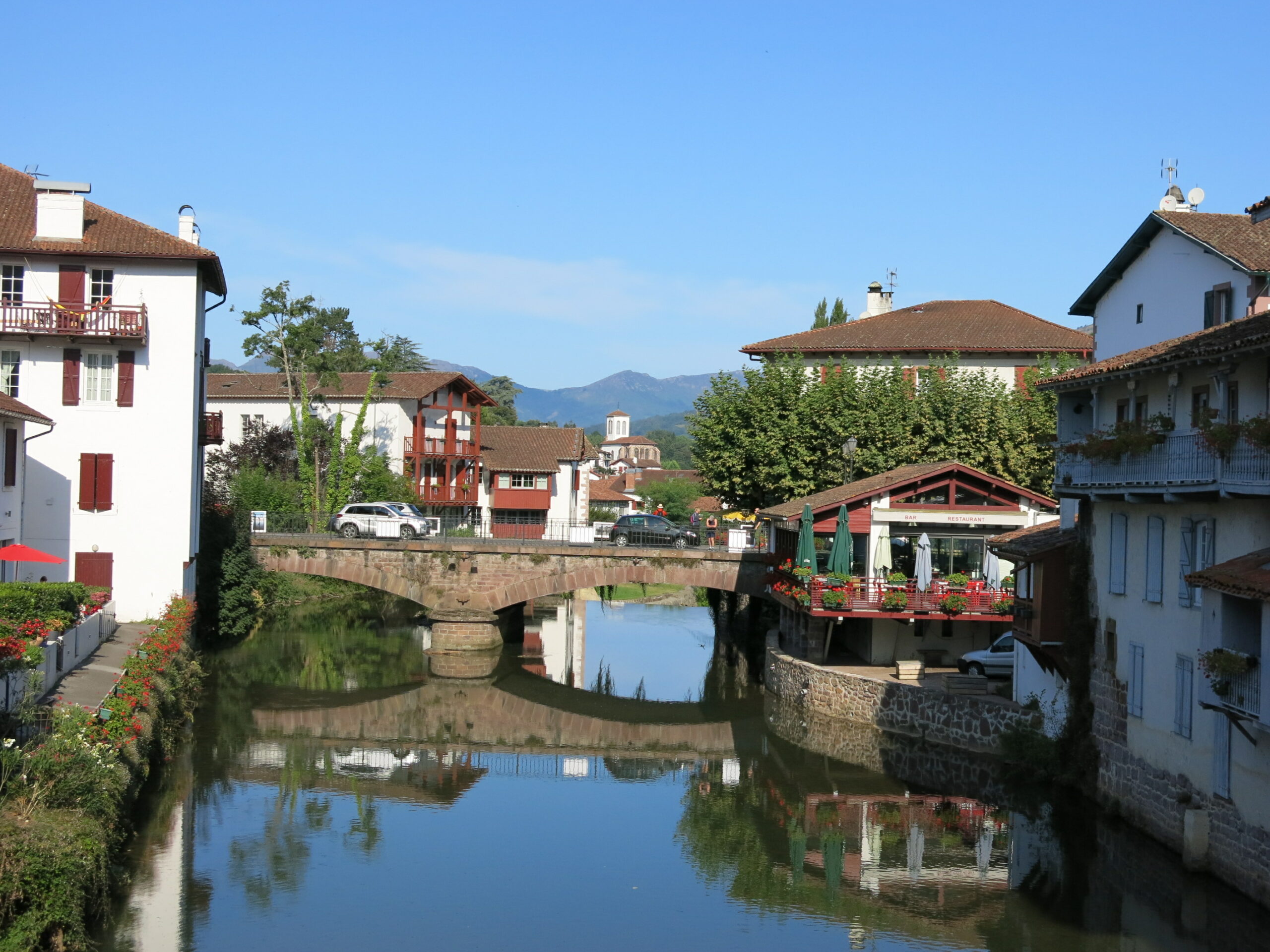
Riverside houses and the streets between the gates
The old town & Rue d’Espagne
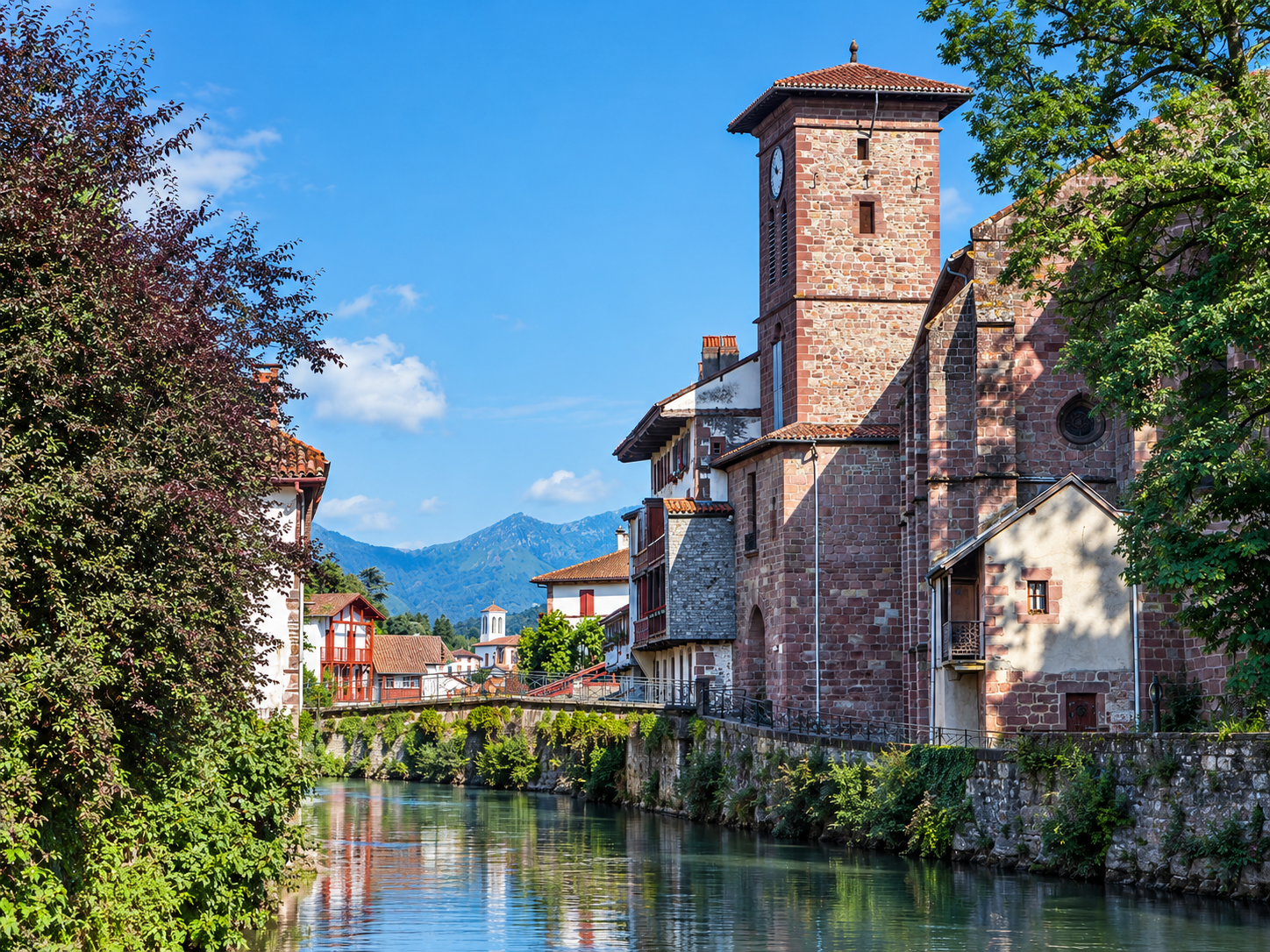
Begin around the Nive and the bridge beside the church, then cross into Rue d’Espagne. The street has a long connection with traders and craftspeople. Look above the shopfronts for carved lintels and the details that give each house its character. The river view is a good introduction to the compact historic centre.
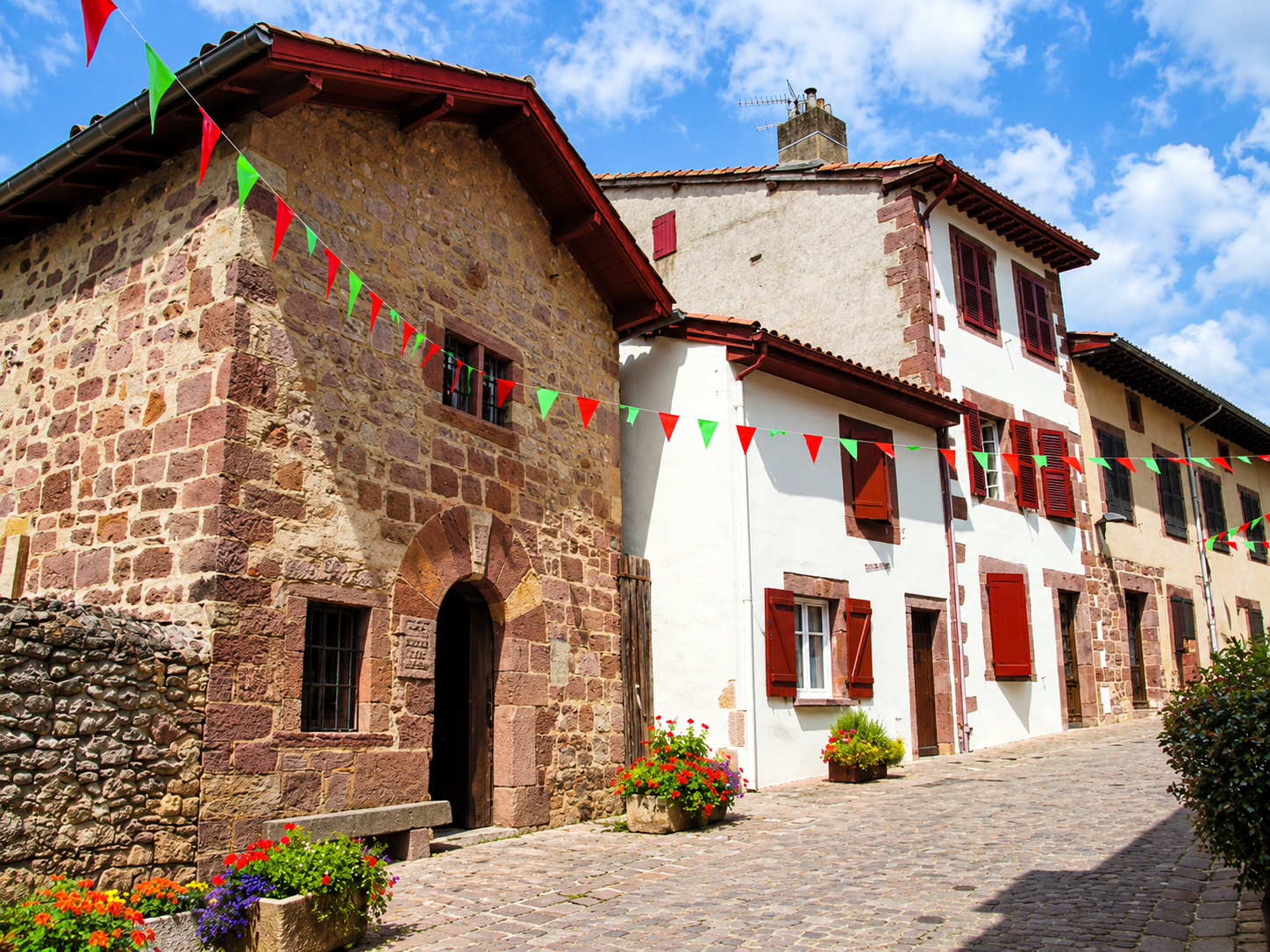
Continue through the town at a pace that leaves room for small discoveries: a workshop window, a quiet side street or a café. The climb along Rue de la Citadelle feels different from the riverside, so divide the walk into manageable sections rather than assuming the entire centre is level.
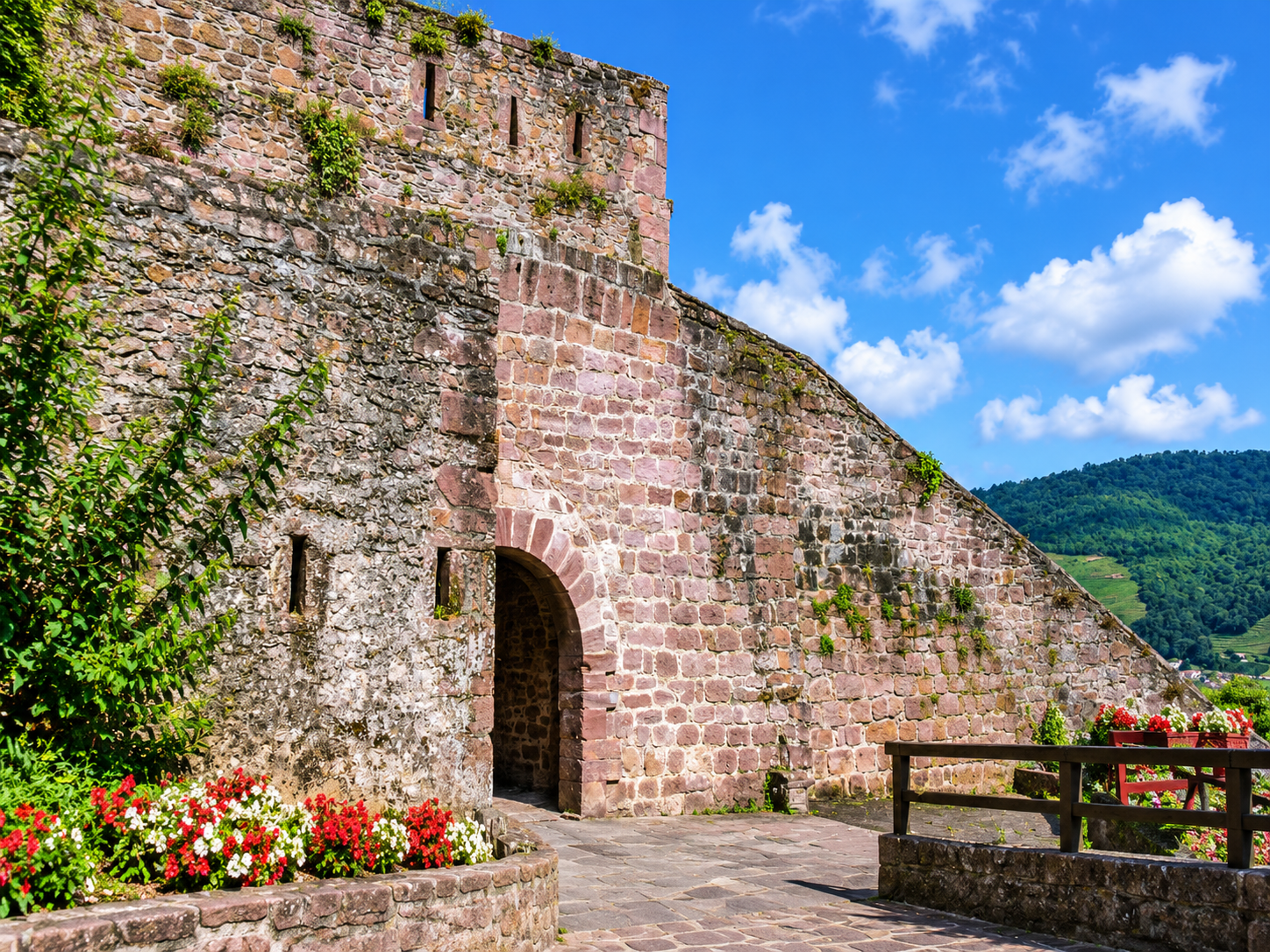
The Porte Saint-Jacques marks the upper end of the historic approach through town. Walking here helps explain the relationship between the old streets, defensive walls and routes arriving from the countryside. It is a meaningful stopping point even for visitors who are not walking onwards to Spain.
Pause without blocking the passage for residents or pilgrims carrying packs. Combine the gateway with Rue de la Citadelle and whichever public rampart paths are open on the day. Wear shoes that grip on paving, especially after rain, and allow for the uphill approach from the river.
See how the town fits into the surrounding landscape
The citadel & its viewpoints
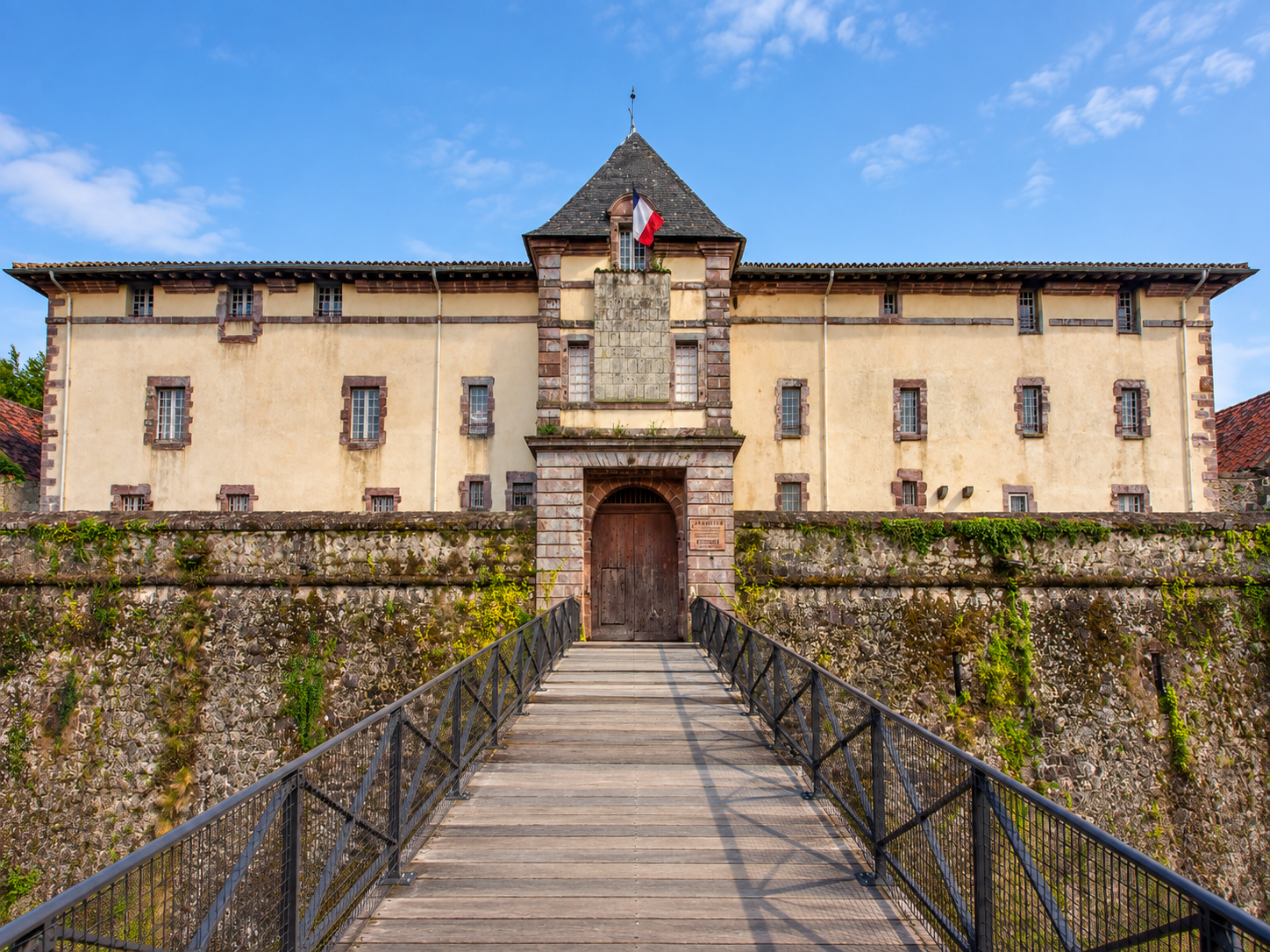
The citadel stands on the Mendiguren hill above the old town. Its seventeenth-century fortifications developed around the strategic route across the Pyrenees and were later altered following Vauban’s inspection. The approach and viewpoints provide a useful sense of the town’s position between the hills and mountain passes.
Treat exterior walking and an interior guided visit as separate activities. The municipality advertises guided visits in July and August through the tourism office; dates and booking conditions must be checked for the current season. Do not assume the gate gives access to a freely open museum or that interiors are available throughout the year.
Historic architecture with a present-day cultural role
Prison dite des Évêques & Micro-Folie
The building at 41 Rue de la Citadelle combines an intriguing name with several layers of history. Its prison function belongs to a different period from the presence of bishops associated with the name. Today, it also houses a Micro-Folie digital museum and cultural exhibitions.
The current municipal information describes free access to the Micro-Folie, permanent displays and temporary exhibitions. Check the programme and opening rather than relying on older prison-museum timetables. Historic rooms and the narrow stair to the vaulted lower hall create access constraints; ask which spaces your group can comfortably visit.
The church’s pink stone and square tower form one of the town’s most recognisable river scenes. Begin with the exterior, noticing how the building, bridge and old streets meet, then enter when visits are compatible with worship. It makes a natural anchor for a walk on both sides of the Nive.
Leave enough time to look rather than using the interior merely as a shortcut between streets. Services and ceremonies take priority. If travelling with mobility needs, check the actual entrance and any internal steps in advance; a convenient riverside location does not establish step-free access to every part of the building.
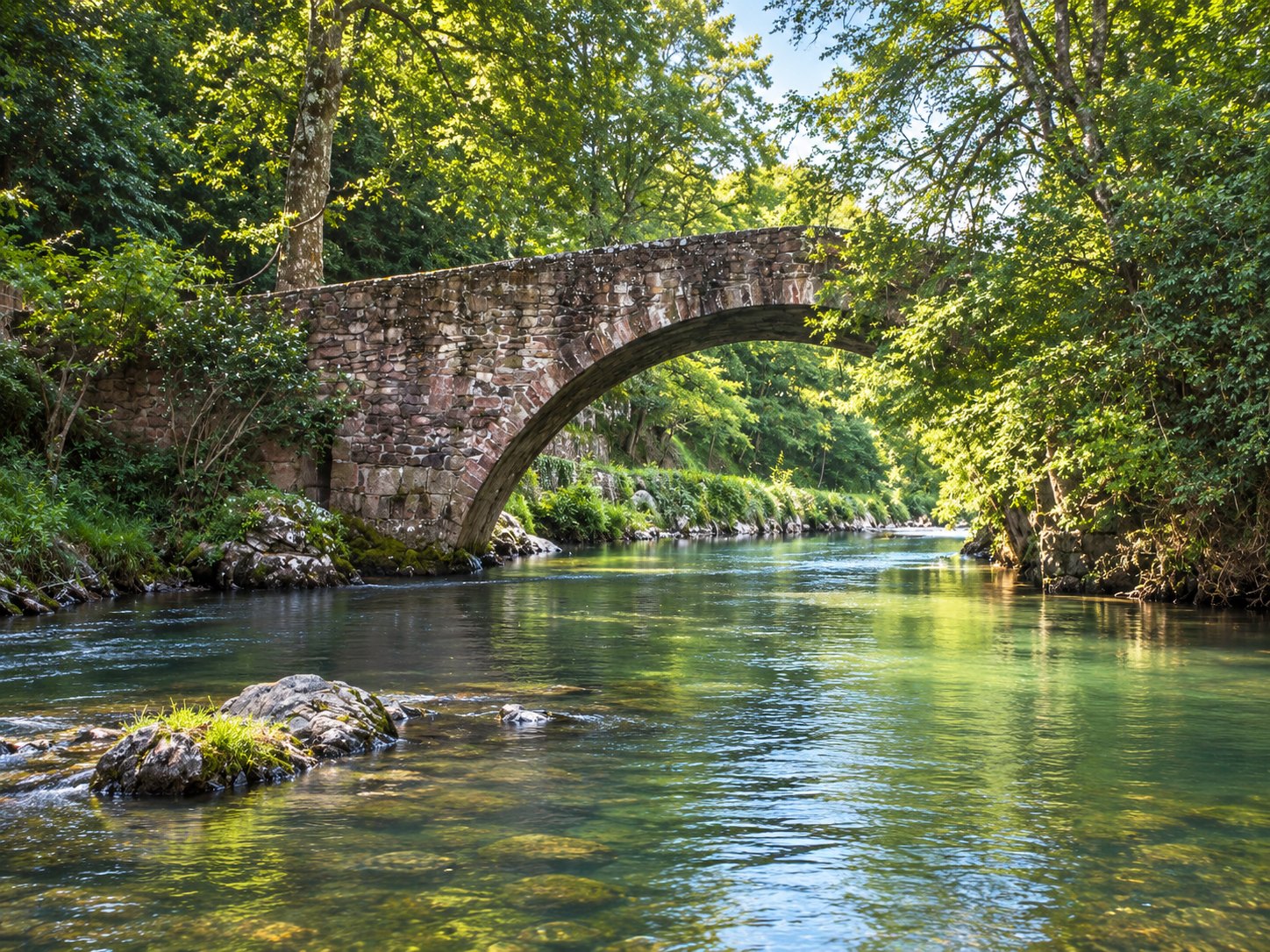
The stone arch of the Pont d’Eyheraberry sits in a greener setting beyond the busiest streets. Often nicknamed the Roman bridge because of its shape, it offers a pleasant goal for a walk beside the Nive. The name is not a reason to assume that the bridge dates from Roman times.
Choose this extension when you want to slow the afternoon down rather than add another indoor visit. Follow the public path and current signs, paying attention to wet surfaces and river conditions. A shaded bank can make a good pause, but the photograph should not be read as advice that bathing is permitted or safe.
Walk the old streets with the pilgrimage route in mind: the arriving gateway, the places where walkers gather and the route continuing towards Spain. The pilgrim welcome office at 39 Rue de la Citadelle is the useful point of contact for people preparing to set out, especially for current route advice.
A town walk and the stage to Roncesvalles are very different undertakings. The high route involves a long mountain day and should be planned with appropriate equipment, fitness and current conditions. Travellers seeking a short outing can enjoy the historic streets without committing to any part of the mountain crossing.
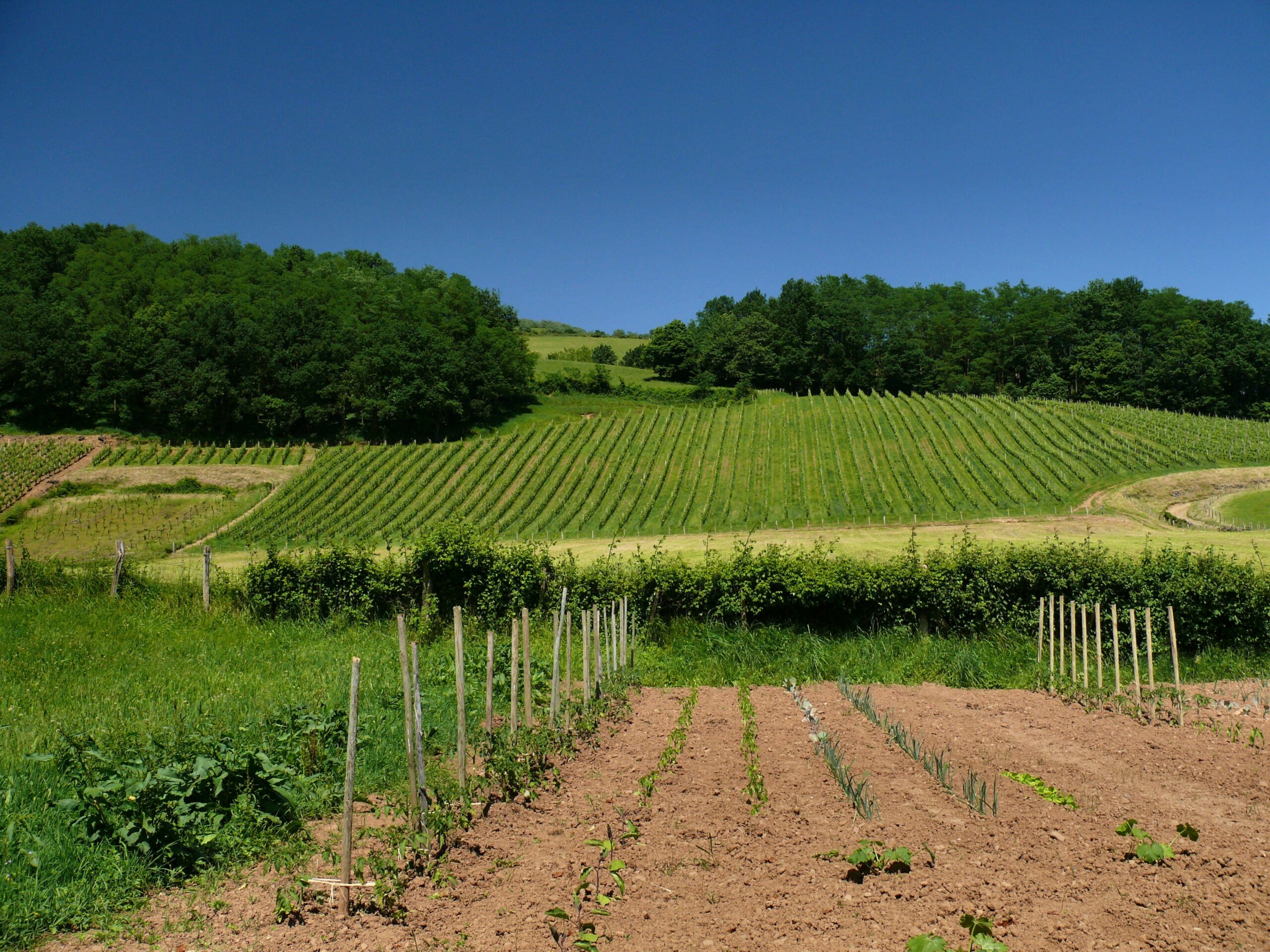
The vineyards around the wider area add another dimension to a stay in Saint-Jean-Pied-de-Port. La Cave d’Irouléguy at Saint-Étienne-de-Baïgorry offers a booked discovery visit through its production spaces with a tasting. The published duration is around an hour and a half, and a jacket is useful in the cellar.
Reserve the exact experience and language you want. The standard guided format is suspended during vinification, usually around late September and early October, so a harvest-season visit needs particular checking. Arrange a driver or transfer for tasting, and distinguish a shop visit from a booked cellar tour or a vineyard walk.
Rue d’Espagne offers a chance to look at craft as well as architecture. The tourism office lists Espadrilles Arangois and La Poterie Navarraise among the town’s artisan visits. Ask what is being made locally and whether a demonstration or workshop visit is available during your stay.
Browse with time to discuss sizes, materials and how a piece was made. A shop being open does not necessarily mean production is on view at that moment. Combine this quieter activity with the river and church, keeping the citadel climb for the part of the day when the weather and your energy suit it.
The main market is held on Monday mornings throughout the year, with an additional gastronomic market on Thursday mornings from June to September according to the regional tourism office. If the market matters to your stay, choose the overnight dates around it and confirm any changes linked to holidays or events.
Start the morning with a walk through the stalls and leave time to ask about origin and season. Regional cheeses, cured meats and baked goods can provide a useful introduction to local food. Buy a manageable amount, especially if a long walk or onward train journey follows.
A market morning and a substantial restaurant lunch can both fit, but they compete for appetite and time. Choose a few tastings, then let the meal be the main event, or shop for a picnic and reserve the restaurant for another day. Keep anything that needs chilling out of a warm car or backpack.
For wine, use a proper producer or cooperative visit to understand the landscape behind the bottles. Bookings, production work and transport matter more than simply locating a tasting counter. Leave room for a countryside meal or a short walk on the same outing, without treating the vineyard as a place to wander freely between working rows.
These choices include two tables in the old town and one countryside option at Saint-Michel. Reserve for the service you want, check weekly closing and allow enough time to enjoy the meal. Les Pyrénées remains a hotel selection below, but its official restaurant page announces the closure of the restaurant, so it is not included among these dining recommendations.
AI-generated photorealistic view.
Saint-Jean-Pied-de-Port · Family cooking
Restaurant Les Remparts
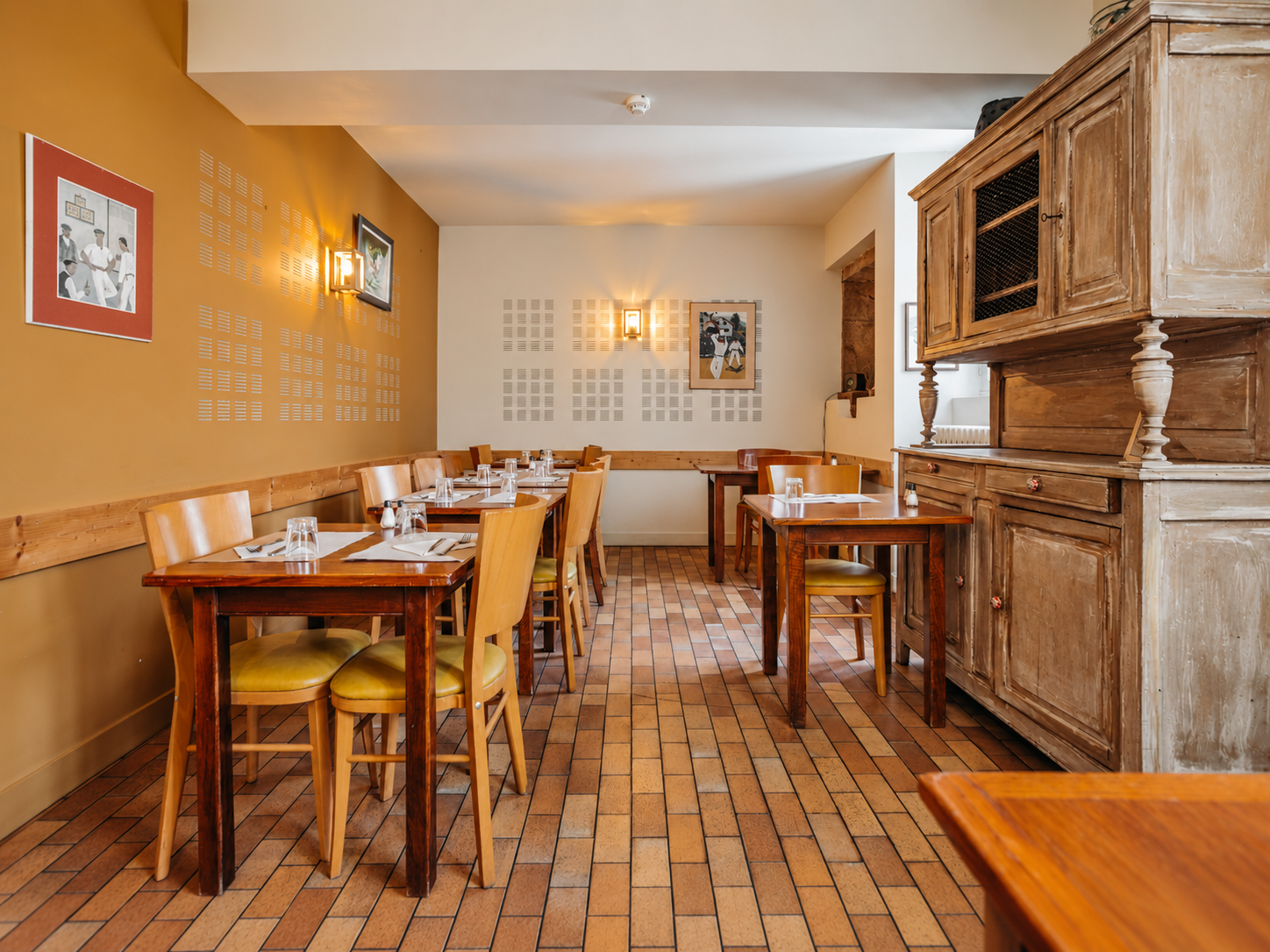
Les Remparts offers a relaxed meal in a historic house on Place Floquet. The kitchen draws on Basque and Spanish traditions, with cooking over embers among its features. It suits a straightforward lunch or dinner close to the old-town walk, especially when you want familiar regional flavours and an informal atmosphere.
Check the current service directly: published reception hours should not be treated as kitchen opening times. Ask about the day’s dishes and dietary needs before reserving. Its central setting makes it convenient to return on foot to a nearby hotel, while drivers should use the appropriate visitor parking outside restricted streets.
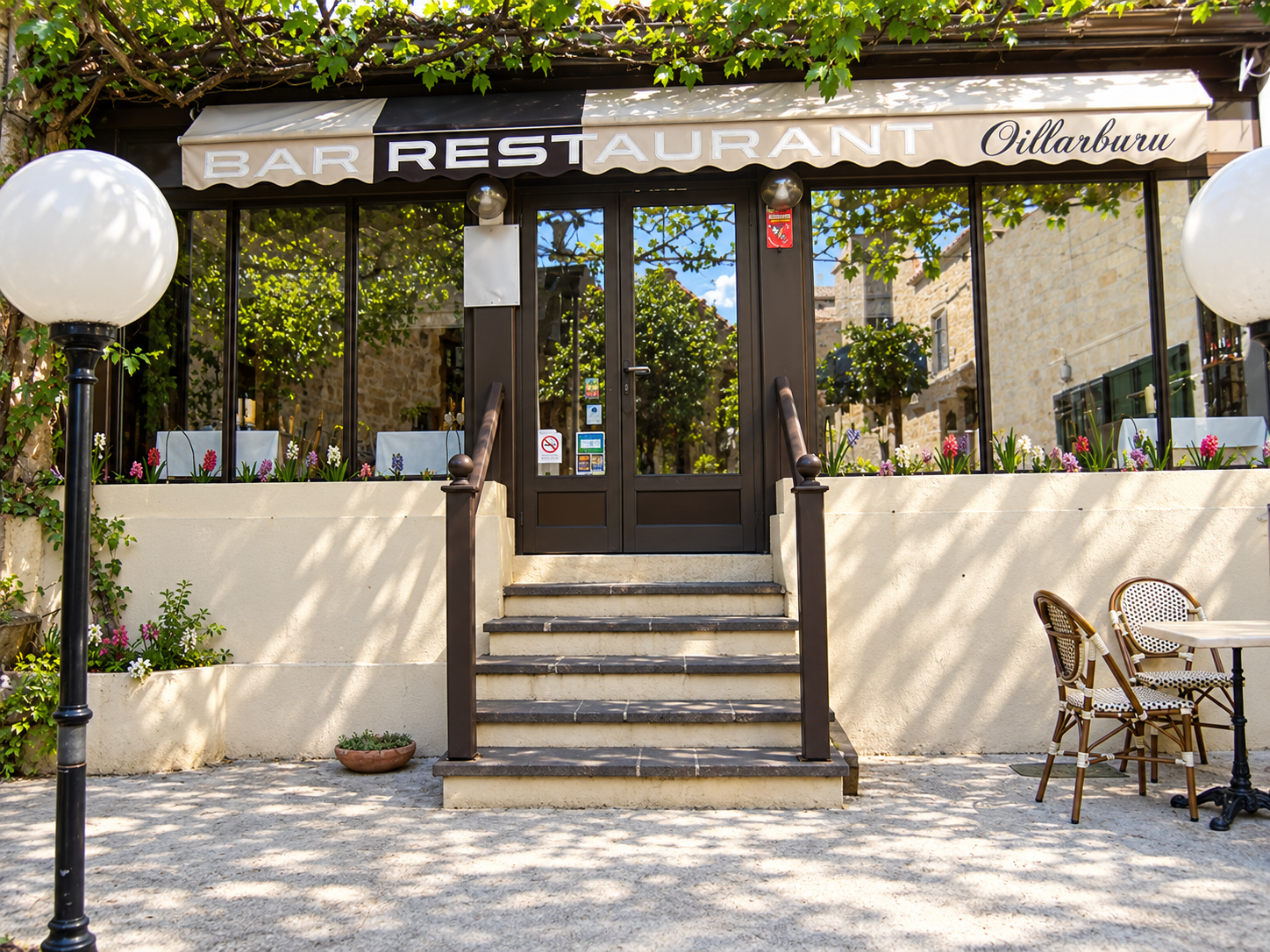
Oillarburu is a traditional table on Rue de l’Église, well placed for a meal between the river and the upper old town. The tourism office describes cooking based on local produce and lists a terrace. Choose it for a village-centre meal that fits naturally into a day of walking and heritage visits.
Confirm the current menu and weekly closures before fixing the day around it. Ask about terrace availability in suitable weather and the entrance route if steps are an issue. The generated illustration follows a reference view of the frontage; it is intended to identify the setting rather than promise a particular table.
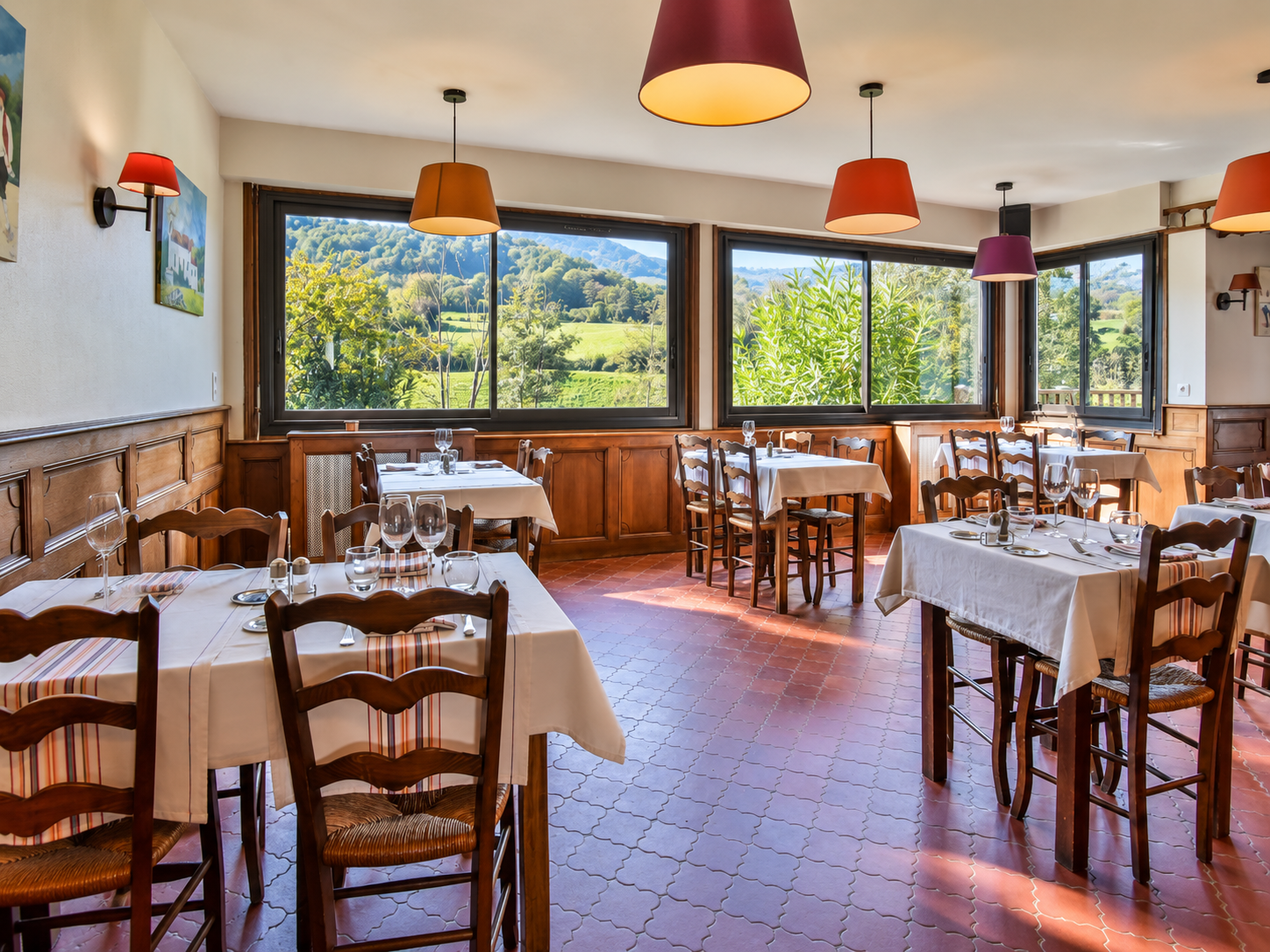
Xoko Goxoa lies at Saint-Michel on the road towards Esterençuby. Its dining room looks towards the green surrounding landscape, with a terrace used in suitable weather. The menu draws on regional produce, and the tourism office lists a vegetarian option. It is a good choice when the meal is part of an outing beyond the centre.
This is a separate journey from Saint-Jean-Pied-de-Port, so arrange the return before booking dinner. The published visitor information emphasises evening service and Sunday lunch by reservation. Confirm the actual opening for your date, mention dietary requirements and ask about the current terrace and access arrangements.
A central hotel makes the old town convenient on foot, but the final approach, parking and room access differ between properties. Choose a room for the stay you actually want: a comfortable base for several nights, a modest walking stop or a place with space to rest before the Camino. Reserve early for busy periods.
AI-generated photorealistic view.
4-star hotel · Village centre
Hôtel Les Pyrénées
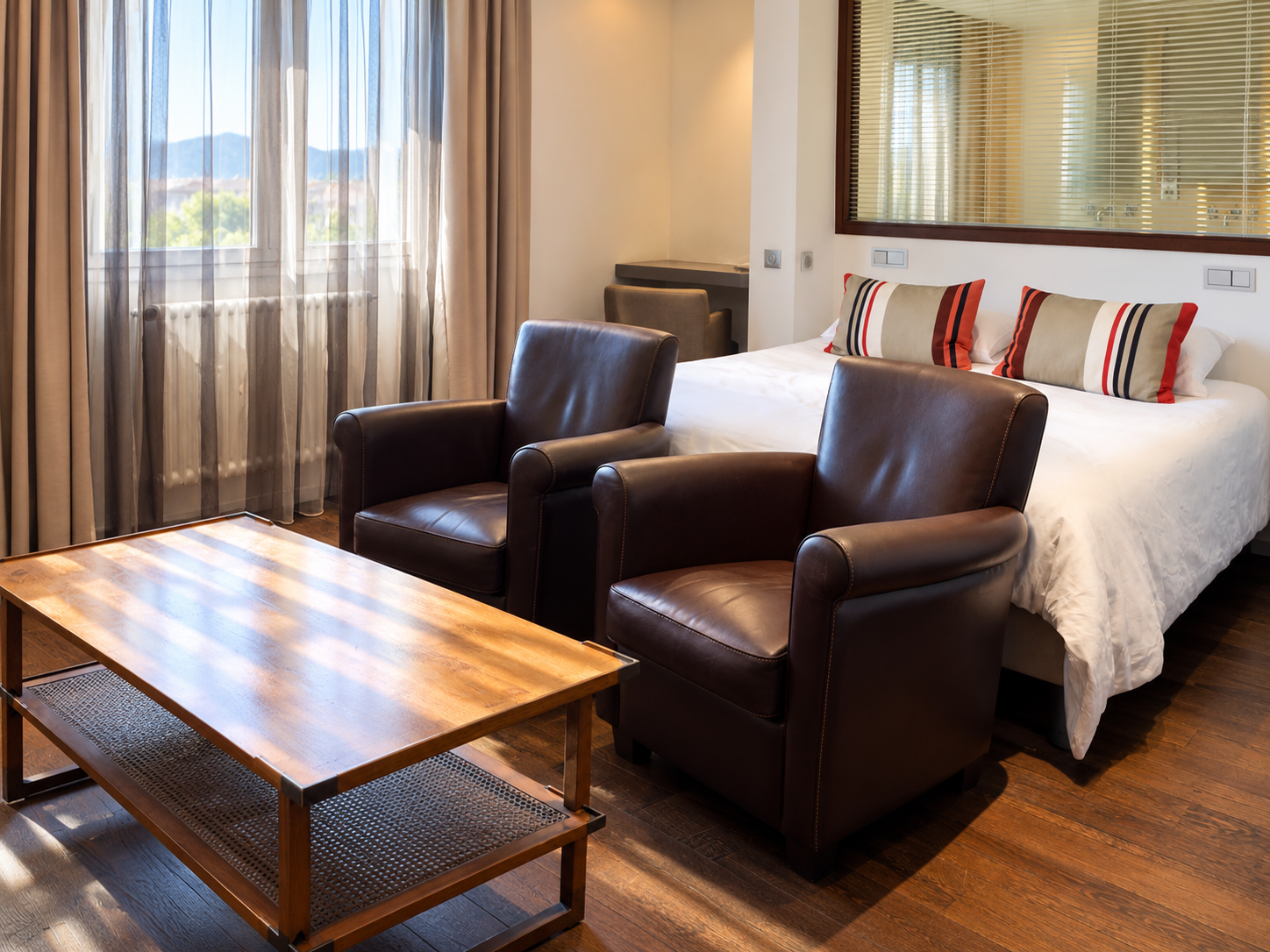
Les Pyrénées offers 18 rooms, with categories facing the town and ramparts, courtyard and mountains, or the garden and pool. It is a comfortable base for visitors who want time at the hotel between sightseeing outings. Select the room category deliberately rather than assuming every room shares the same view or terrace.
The official site confirms that the hotel continues after the restaurant’s closure. Arrange meals elsewhere and check arrival days: its current practical information states that arrivals are not possible on Mondays. The hotel also states that it cannot accommodate guests with reduced mobility. Discuss your requirements directly before booking; confirm garage and seasonal pool arrangements separately.
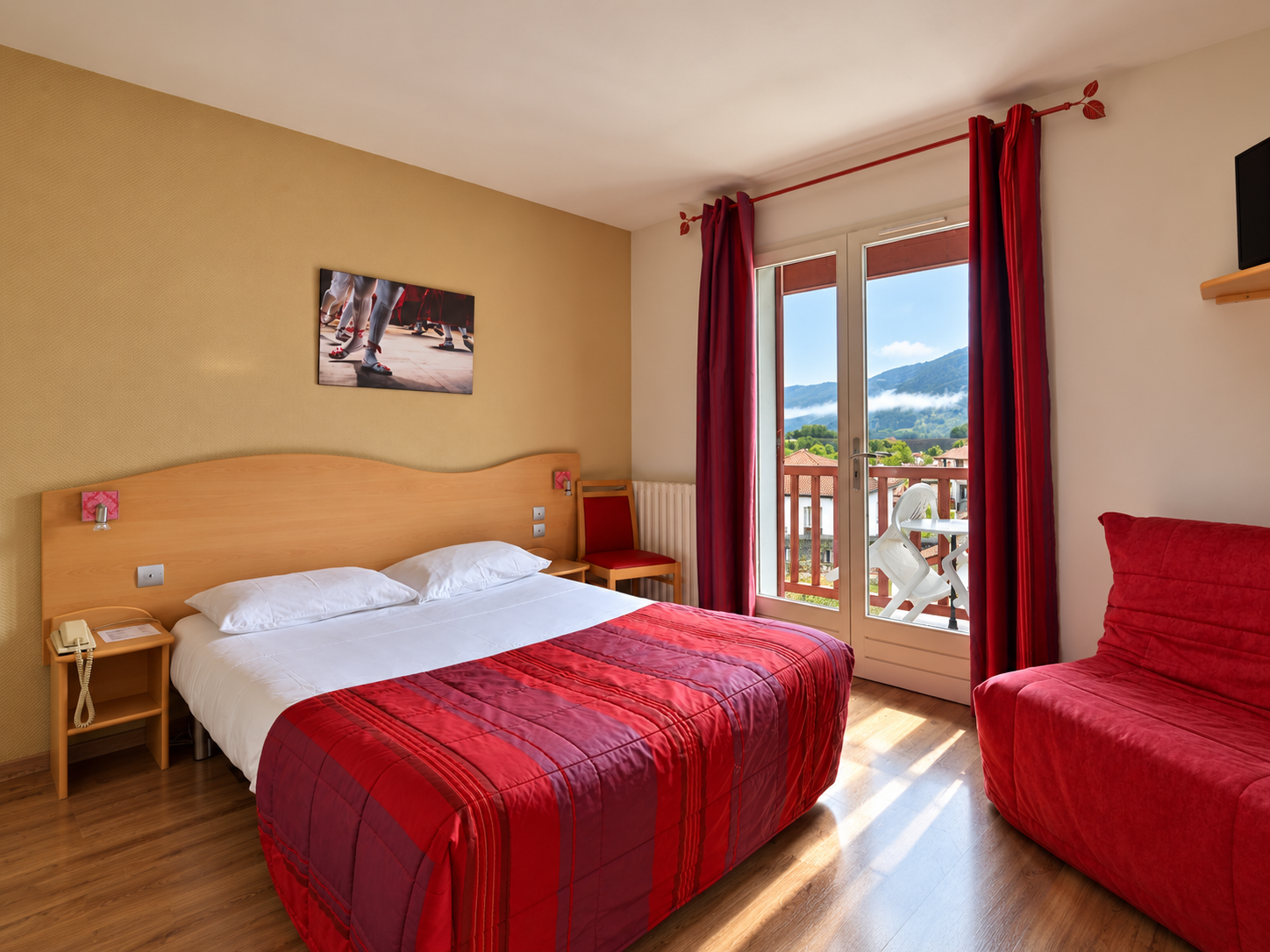
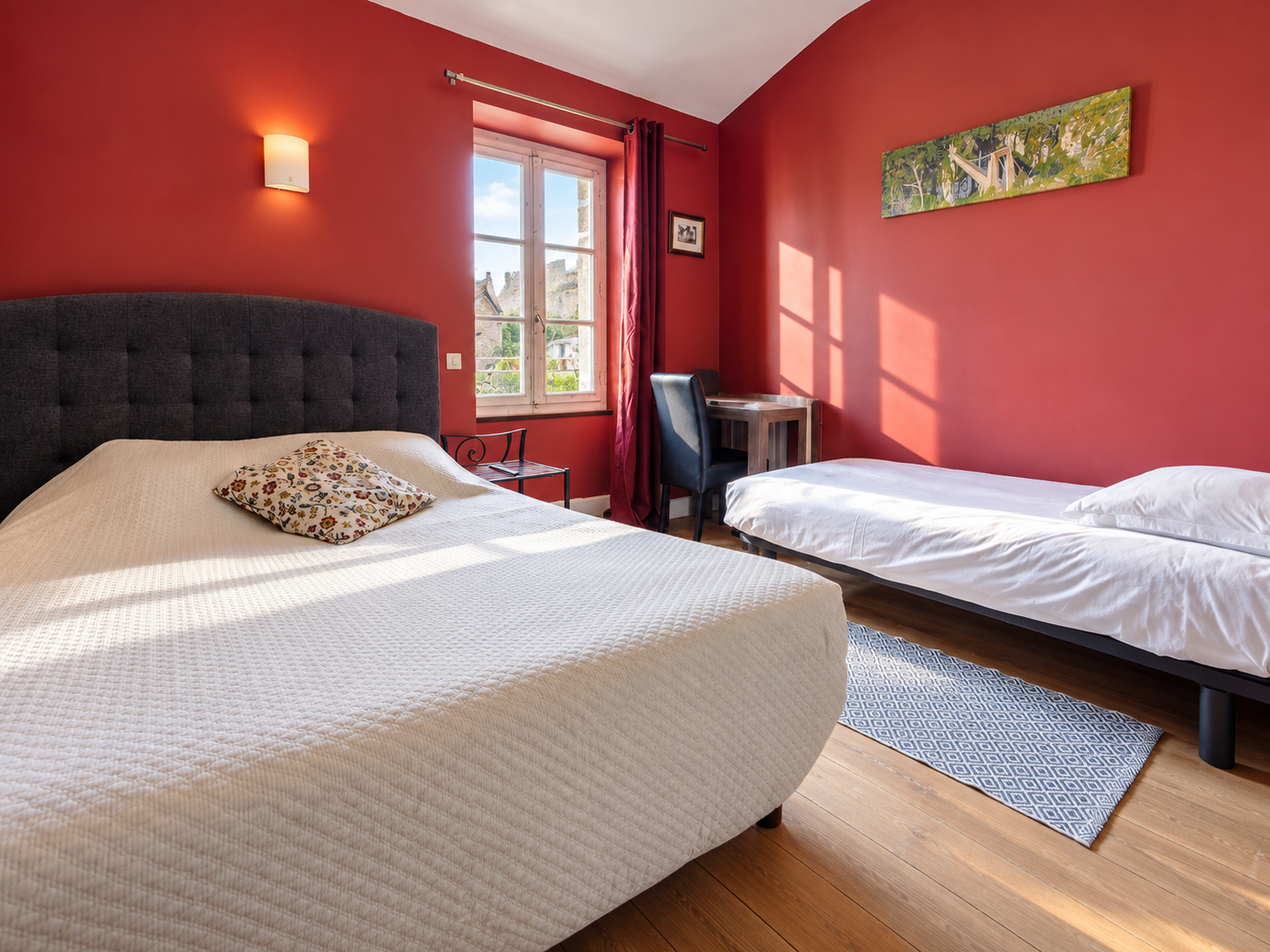
Ramuntcho is a family-run hotel near the ramparts, with a terrace, lounge and bar. It suits visitors who want a simple base within the historic streets. Some room categories have balconies, while family rooms require direct contact; choose by the actual room description rather than the example illustration.
Parking at the property is very limited, with only three spaces advertised, so obtain an arrival plan before driving into the old town. The hotel lists bicycle storage and arrangements for motorcycles on request. Check the route from the station or parking with luggage, and confirm room access and any pet requirements directly.
Les Remparts occupies a house dating from 1643 and offers ten rooms, including options for solo travellers, couples and families. Its place in the historic centre works well for a short stay focused on the river, old streets and Camino atmosphere. The restaurant provides a separate meal option when its service is available.
Confirm the exact bedding, bathroom arrangement and room outlook when booking, especially for a family or walking group. Ask about luggage drop-off, stairs and the check-in window before arriving. A room in an old house can offer character while requiring more access planning than a modern purpose-built hotel.
Spring offers a good balance of heritage, food and lower-level walks, with the surrounding landscape becoming greener. Keep a countryside day movable and choose a room where a wet afternoon would still be comfortable.
The end of the high route’s winter closure is not a guarantee of suitable mountain conditions. Check the current advice before any Camino crossing and separate that decision from the simpler question of whether the town is enjoyable to visit.
Book accommodation and guided visits
Summer
Summer is useful for seasonal citadel tours and longer daylight, but popular accommodation and tables can fill. Arrange the visits that need reservations, then leave the rest of the day open enough for shade, water and a slower lunch.
Explore the upper streets early if heat is expected. The town’s compact size does not remove the effect of slopes, and a busy market morning may be more comfortable with fewer additional stops.
Food, vineyards and quieter pauses
Autumn
Autumn can be a rewarding time for a stay shaped around meals, heritage and the countryside. Check opening as the season progresses and give shorter daylight a role in walking plans.
Harvest and vinification can suspend the usual cellar-tour format at La Cave d’Irouléguy. Confirm the actual experience available instead of assuming that the wine season automatically means more visitor access.
Stay for the town, plan around closures
Winter
A compact winter break can focus on a comfortable hotel, confirmed restaurant services and short old-town walks. Check seasonal closures and cultural opening before making a specific visit the reason for travelling.
The high Route Napoléon is closed from 1 November to 31 March under the published Navarre guidance, with the Valcarlos alternative used for the crossing. Follow the current local instructions and conditions; a town holiday does not require a mountain stage.
How Many Days Do You Need?
An introduction to the fortified town
One full day
Walk the river and church quarter, climb Rue de la Citadelle and visit the gateway and available viewpoints. Add the Micro-Folie if open, with lunch and some time for the shops. Choose an early enough train to make the day comfortable.
The most balanced first stay
Two to three nights
Allow a full town day and a separate countryside half-day or day. A vineyard experience, Saint-Michel meal or suitable walk gives a different perspective without changing hotel. Keep one afternoon light enough to revisit a favourite street.
Time to arrive and prepare
Before the Camino
An extra night can help you rest after travel, check the route, organise luggage and obtain advice before setting out. Accommodation and onward transport should fit the walking plan rather than forcing a rushed mountain departure.
Getting There & Getting Around
Direct regional trains connect Bayonne with Saint-Jean-Pied-de-Port. Journey time depends on the service, so use the current SNCF planner for your date rather than relying on a single guidebook duration. Check both directions before committing to a day trip or a late restaurant booking.
The station is separate from the upper old town. Allow for the onward walk with luggage, including the slope to accommodation near the ramparts. Ask the hotel for the easiest approach and arrange a transfer if that better suits your group, particularly after a long journey.
Once settled centrally, most of the town visit works on foot. A car becomes more useful for the vineyards, Saint-Michel or a wider Basque touring route. It is often simpler to leave it parked for the historic-centre day than repeatedly drive between nearby sights.
For a car-free countryside outing, book the transport as well as the visit. A confirmed tasting does not secure a return vehicle, and a taxi available at arrival may not be waiting after dinner. For onward travel towards Spain, verify a service for the actual date and destination; do not assume the railway continues across the mountain pass.
Choose a signed visitor car park and explore the old town on foot. The municipality lists options including Les Fauvettes, Jai Alai, Saint-Jacques, Juan de Huarte and the covered-market area. Check current signs, market use and any duration restrictions before leaving the vehicle.
The centre includes blue zones with a one-hour maximum during the posted daytime periods, using a parking disc. Short-stop spaces have a different limit. A free space is therefore not necessarily an all-day parking solution, and the best place for a quick errand may be unsuitable for sightseeing or an overnight stay.
Several old-town streets become pedestrian during published daytime hours from April through the beginning of November. Get hotel unloading instructions in advance instead of relying solely on navigation. Ramuntcho’s limited parking and Les Pyrénées’ private garage are arrangements to confirm with the property, not general public options.
Visitors leaving a vehicle while walking the Camino need a long-stay plan. The tourism office distinguishes free unsupervised parking from paid reserved storage, and some arrangements require contacting the municipality. Motorhomes have designated areas and restrictions elsewhere. Confirm the appropriate option for the vehicle and intended duration before setting out.
Begin near the river and church, then browse Rue d’Espagne before the busiest part of the day. Climb towards the Porte Saint-Jacques, pausing along Rue de la Citadelle. Add a visit to the Micro-Folie when its current opening fits.
After lunch, choose the citadel viewpoint or a quieter walk towards Eyheraberry. Doing both is possible for an energetic group, but making one optional keeps the afternoon enjoyable. Reserve an interior citadel tour separately if a seasonal departure is available.
A booked experience outside town
A food-and-vineyard day
Use a market morning when the day matches, then head towards the Irouléguy area for a prearranged visit. Leave a margin for the drive and meeting point, and organise a designated driver or transfer if tasting.
Return to town with time to rest before dinner, or make a countryside meal the main event. Check restaurant service and cellar-tour availability together; production work and weekly closures can change the order that makes sense.
Give preparation a place in the itinerary
Two days before a walking journey
Spend the first day enjoying the old town and checking in without rushing. Use the next day for route advice, food and equipment needs, and a short walk that leaves you rested. Confirm the following night’s accommodation and any luggage service directly.
Decide between the permitted routes using current official advice. Do not let an attractive photograph or an inflexible booking become the reason to ignore weather or a closure. A comfortable extra night is better planned in advance than improvised after a late arrival.
Accessibility & Walking Advice
The historic centre combines cobbles, slopes and old thresholds. Plan the riverside, upper streets, ramparts and citadel approach as distinct routes, each with its own surfaces and gradients. Ask the tourism office for the most suitable current route rather than assuming a compact town is uniformly accessible.
Contact individual buildings for precise access details. The former prison includes a narrow stair to the lower hall, while the citadel’s interior visits follow a separate programme. Hotel access also differs: Les Pyrénées explicitly states that it cannot receive guests with reduced mobility, so it should not be selected on the basis of a general facilities listing alone.
For the Camino, the high Route Napoléon and the alternative via Valcarlos require proper preparation. Published Navarre guidance closes the high route from 1 November to 31 March and can be supplemented by current restrictions or advice. Ask locally before departure, carry the right equipment and make a realistic plan for distance, ascent and return or onward accommodation.
A short town walk needs far less organisation, but comfortable footwear and a rain layer remain useful. Keep river edges and wet paving in mind with children. If the weather makes the upper paths unpleasant, combine a cultural visit, workshops and a meal rather than forcing every viewpoint into the day.
Stay long enough to see the town settle. Early morning and the hours after day visitors leave give a different feel to the same streets. A central overnight adds this experience without requiring a longer sightseeing list.
Separate the hotel from its old reputation as a restaurant. Les Pyrénées continues to welcome overnight guests, while the official restaurant notice announces its closure. Book dinner elsewhere and confirm the hotel’s allowed arrival days.
Keep one gentle option ready. A riverside pause, a workshop and a café can be just as valuable as another climb. This is particularly useful before a long walking stage or after travel from the coast.
Frequently Asked Questions
Is Saint-Jean-Pied-de-Port worth visiting if I am not walking the Camino?
Yes. The old town, river, citadel views, cultural visits and regional food make a rewarding stay independently of the pilgrimage. Two to three nights also allows a countryside outing.
Can I arrive by train from Bayonne?
Yes, direct regional services connect the towns. Check the current timetable, any disruption and the final return for your exact date.
Can I visit the citadel interior all year?
Do not assume so. The municipality advertises guided visits in July and August through the tourism office. Exterior walking and viewpoints are separate from access to the interiors.
What is inside the Prison dite des Évêques today?
The historic building houses a Micro-Folie digital museum and exhibitions. Consult the current cultural programme and opening; older prison-museum timetables may no longer describe the visit.
When is the market?
Monday mornings throughout the year, with an additional Thursday-morning gastronomic market from June to September according to the regional tourism office.
Is the Route Napoléon open in winter?
No. Published Navarre guidance closes the high route from 1 November to 31 March and directs the crossing via Valcarlos. Always check current local advice and conditions before departure.
Is the restaurant at Hôtel Les Pyrénées still operating?
Its official website announces the restaurant’s closure while confirming that the hotel continues. Make separate dining plans and check hotel arrival-day restrictions directly.
Can I leave my car while walking the Camino?
There are long-stay options, including unsupervised free parking and paid reserved storage. Check the official guidance for your vehicle and duration; ordinary short-stay or blue-zone spaces are unsuitable.
Plan Your Stay
France. Well Planned.
A thoughtful pause at the foot of the Pyrenees.
We plan. You choose. You book.
We help you choose the right base, connect the old town with the countryside and build a stay that leaves time for the places between the landmarks.
Visitor information checked on 4 October 2026. Opening, transport, services and mountain access can change; consult the official links for your dates. Suggested durations and itineraries are editorial planning choices.
Images labelled AI-generated are photorealistic interpretations based on identifiable reference photographs from the hotels, restaurants and official Basque tourism sources. They are illustrative, not documentary photographs or guarantees of current rooms, tables or access. The riverside and vineyard images are existing destination images from the FWP collection.