Best forCity & mountain varietyHeritage, regional food and outdoor days
Ideal stay4–6 nightsTime for Pau and a separate valley base
Main gatewayPauRail arrival and onward regional transport
Mountain planningSeason & weatherCheck access before committing to a route
Pau and the Ossau Valley make a rewarding combination when each has room in the itinerary. Pau offers a château, a long panoramic promenade and places to eat well without moving far between appointments. The valley changes the rhythm: village mornings, mountain roads, an excursion by train or a full day on foot. Together they show two sides of Béarn.
A useful first plan is two nights in Pau followed by two or three around Laruns. Stay longer in the city if restaurants, wine and heritage are the priority; give the valley more nights if walking is central to the trip. These are planning suggestions rather than minimum requirements, but a second base reduces repeated journeys for early mountain starts.
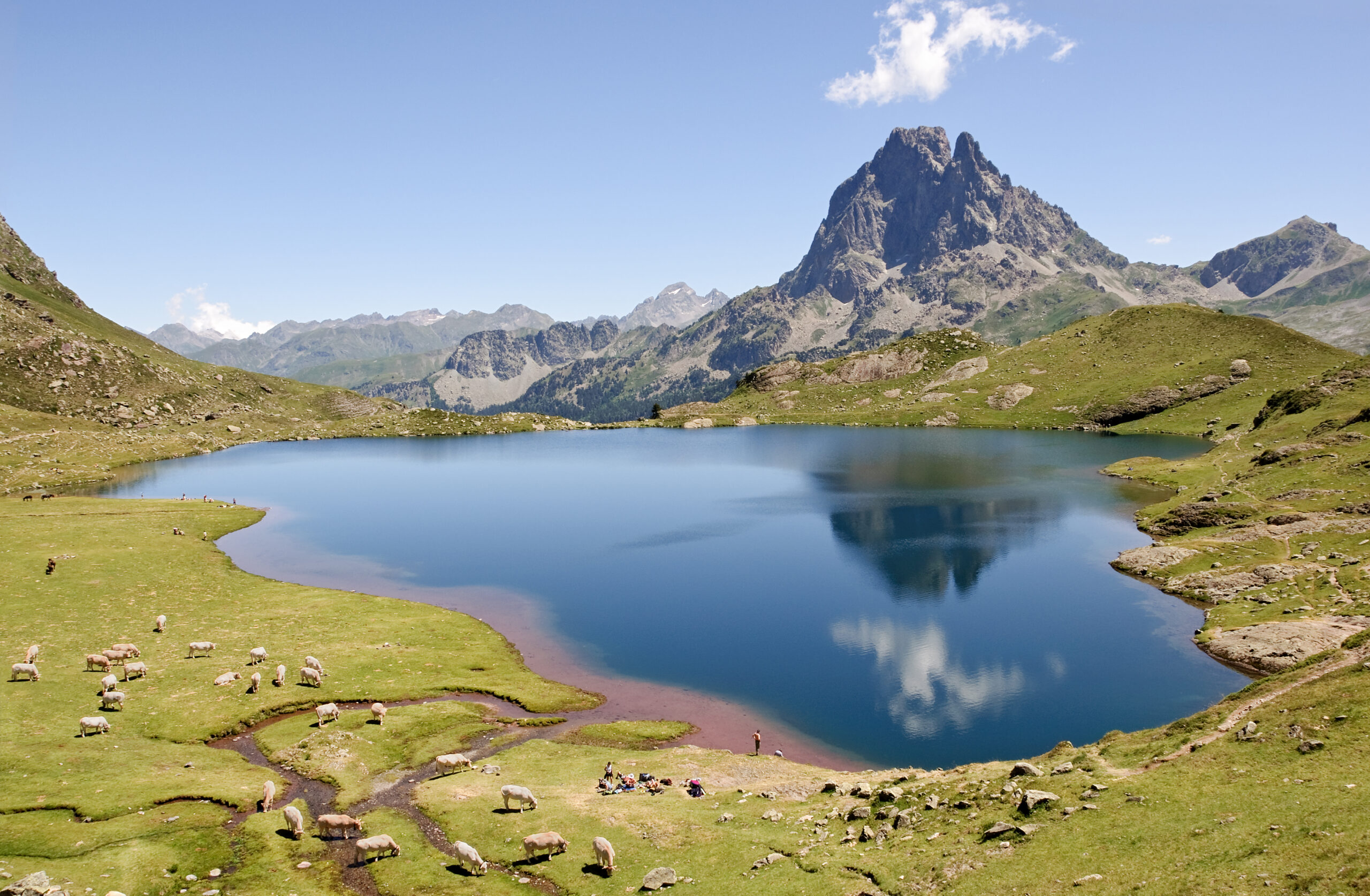
Keep the high-country day movable. A clear forecast can make Artouste or a suitable walk the highlight, while a damp day may be better spent in town or over a long lunch. The lake photograph introduces the mountain landscape; reaching the lakes of Ayous requires a hike, not simply driving to the viewpoint.
Where to Go & What to See
Destination image from the FWP collection.
A guided introduction to royal history
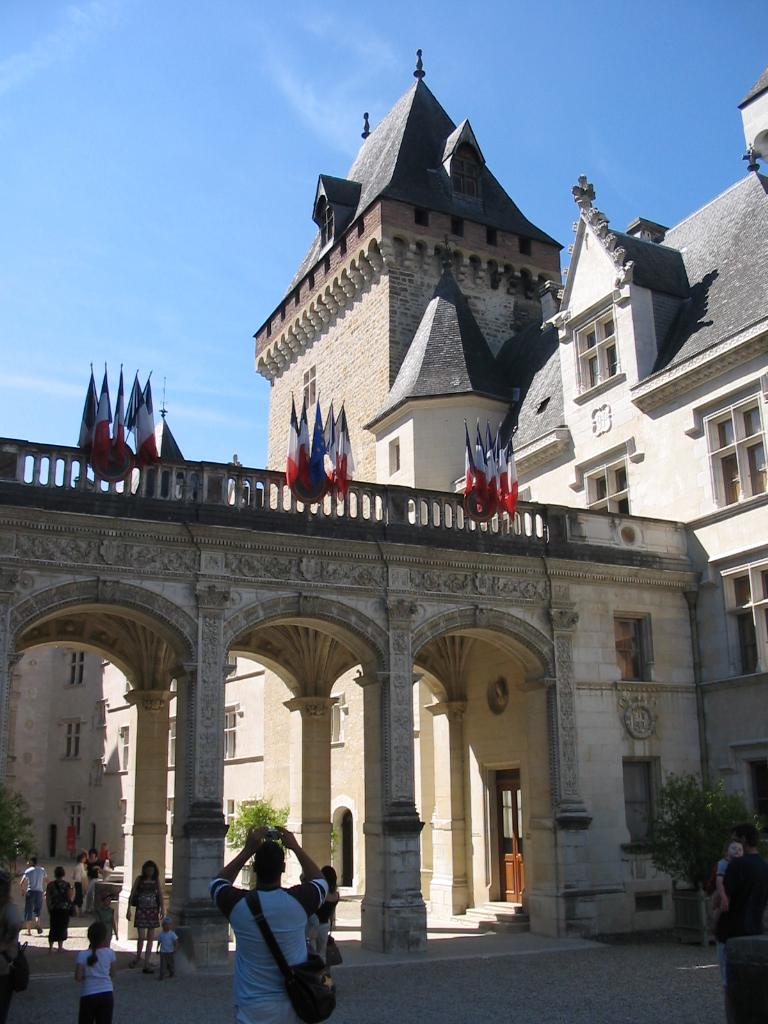
Château de Pau
The château is the natural anchor for a first visit to Pau. Its association with Henri IV gives the building a clear place in the story of France, while the surrounding gardens provide a quieter counterpoint to the interiors. Begin here before following the upper town towards the boulevard.
The museum interiors are visited on a guided tour, with the published format lasting about an hour. Current individual visits are in French and operate subject to available places; check the official arrangements before arrival. The grounds and the interior visit have separate opening conditions, so leave time for both and avoid arriving with large travel bags.
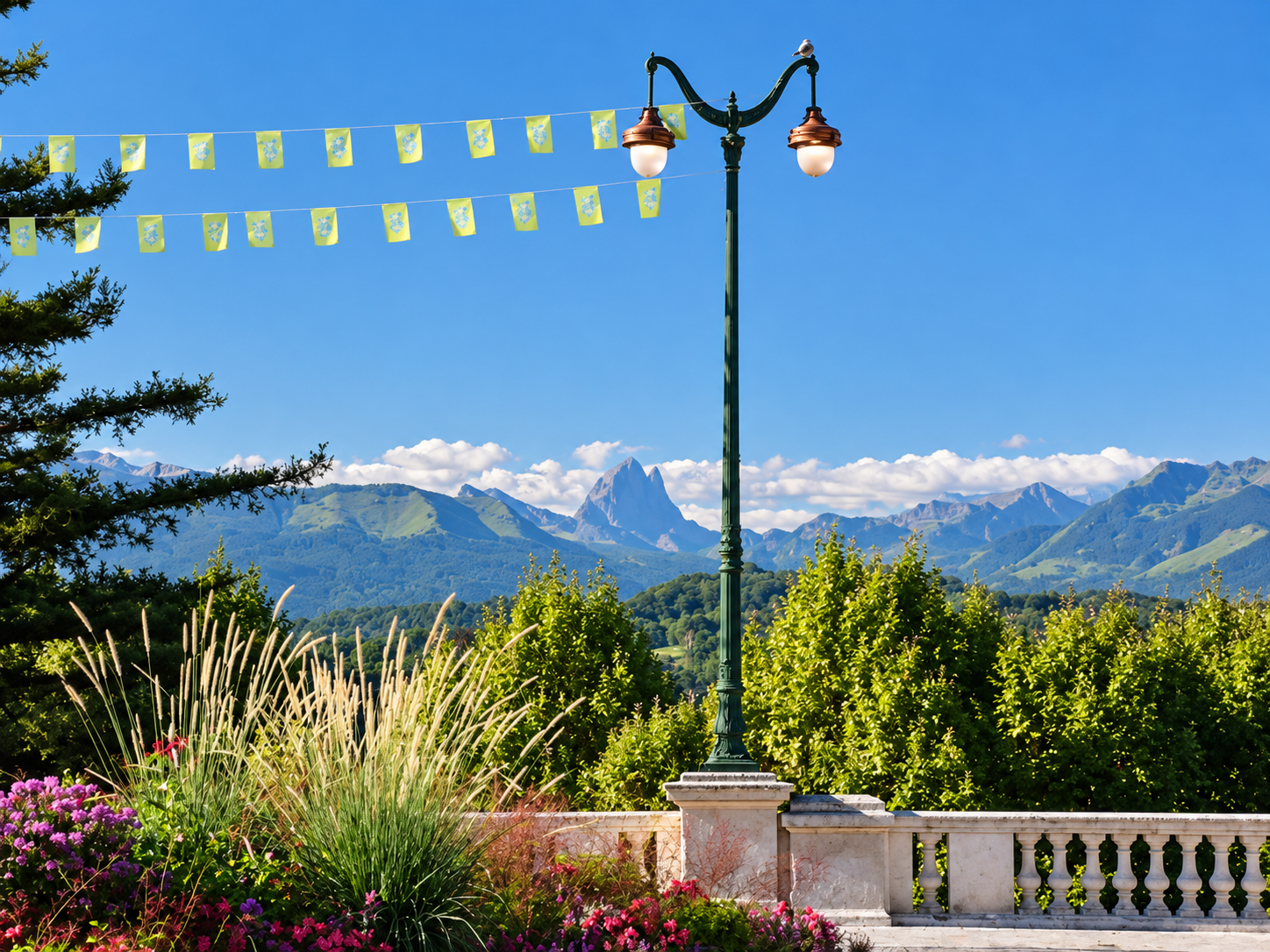
The boulevard links the château area with Parc Beaumont over roughly two kilometres. It is a good place to understand Pau: the city remains close behind you, while hills and the Pyrenees open in front. On a clear day, identify the peaks; in changing weather, watch how the view appears and disappears.
Walk a section, choose a bench or café and continue when you feel like it. There is no need to turn the promenade into a timed march. Parc Beaumont offers a natural extension, and an evening return gives a different light from a morning walk. Visibility varies, so allow another opportunity rather than promising yourself one perfect photograph.
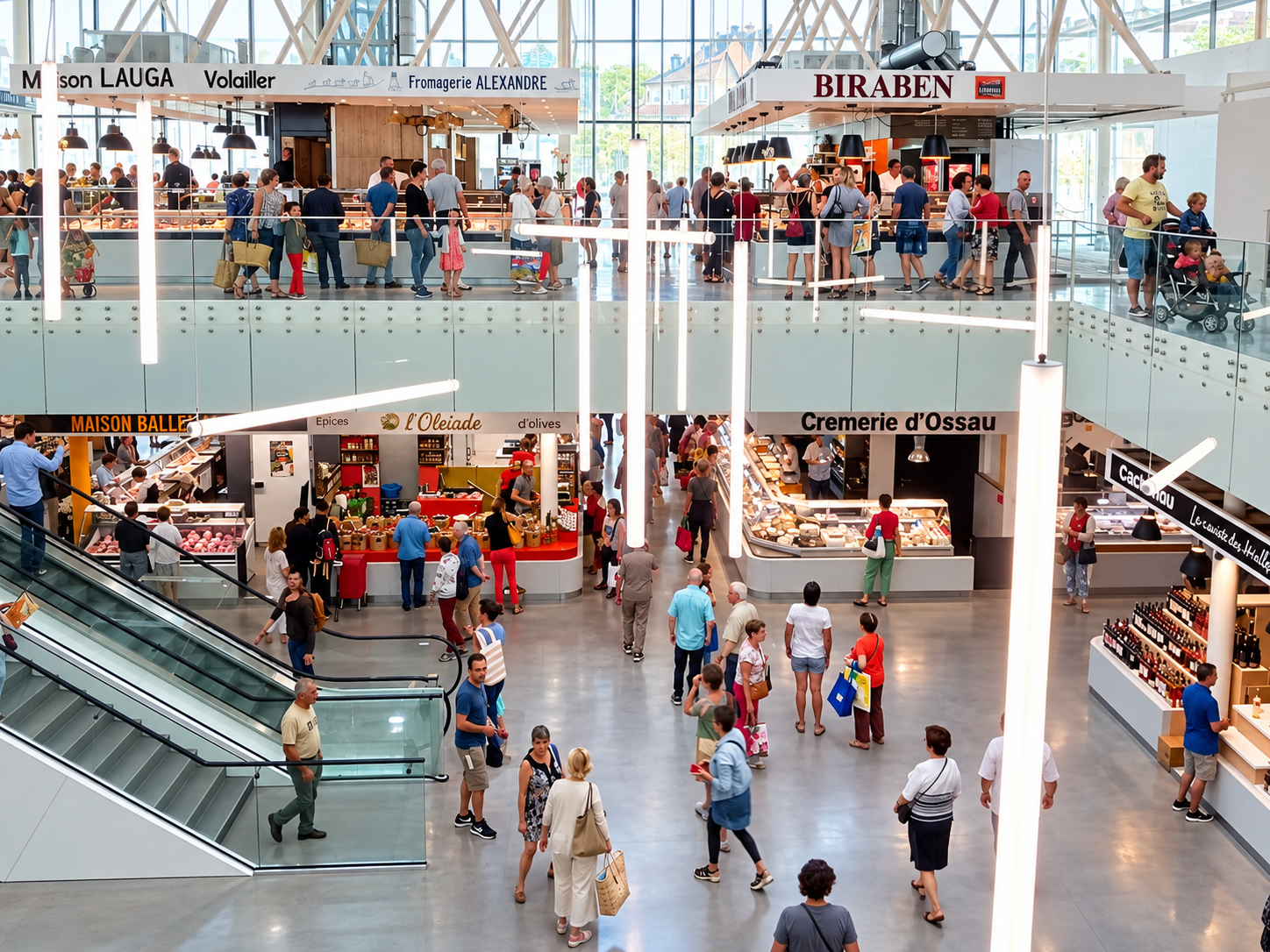
The covered market brings food shopping and eating into the same visit. Walk through the stalls before deciding on lunch, looking at regional cheeses, produce and the counters that catch your interest. It is an enjoyable introduction to the city even if you are staying in a hotel without a kitchen.
The market is normally open Tuesday to Sunday, with closing times varying between traders. The producers’ area has a separate schedule. Choose the morning for the widest choice and check the market’s own practical page for holidays or events. A lively market lunch and a formal restaurant dinner can both fit if the afternoon stays light.
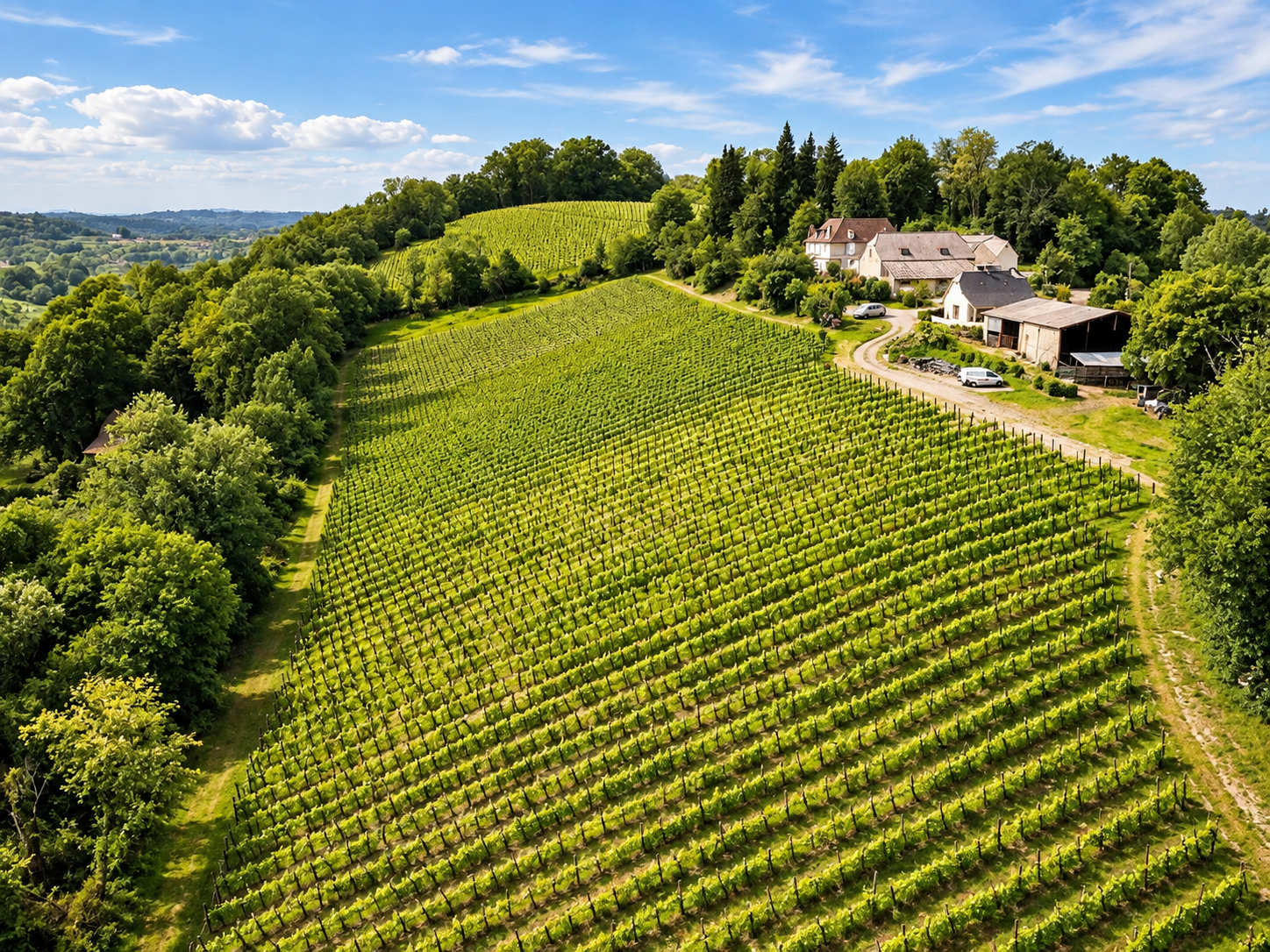
The hills south and west of Pau make an easy change of scene from the historic centre. Vineyards, woods and villages share rolling terrain, and the landscape is as much a reason to come as the wine. A single booked producer visit can be more satisfying than collecting several hurried tastings.
Choose a domain or the cooperative at Gan and confirm the visit format, language and duration directly. Jurançon includes both dry and sweet styles, which are useful to compare with a producer’s explanation. Arrange a designated driver or transfer. The vineyard image follows Domaine Latapy as a landscape reference and does not imply unrestricted access to its working rows.
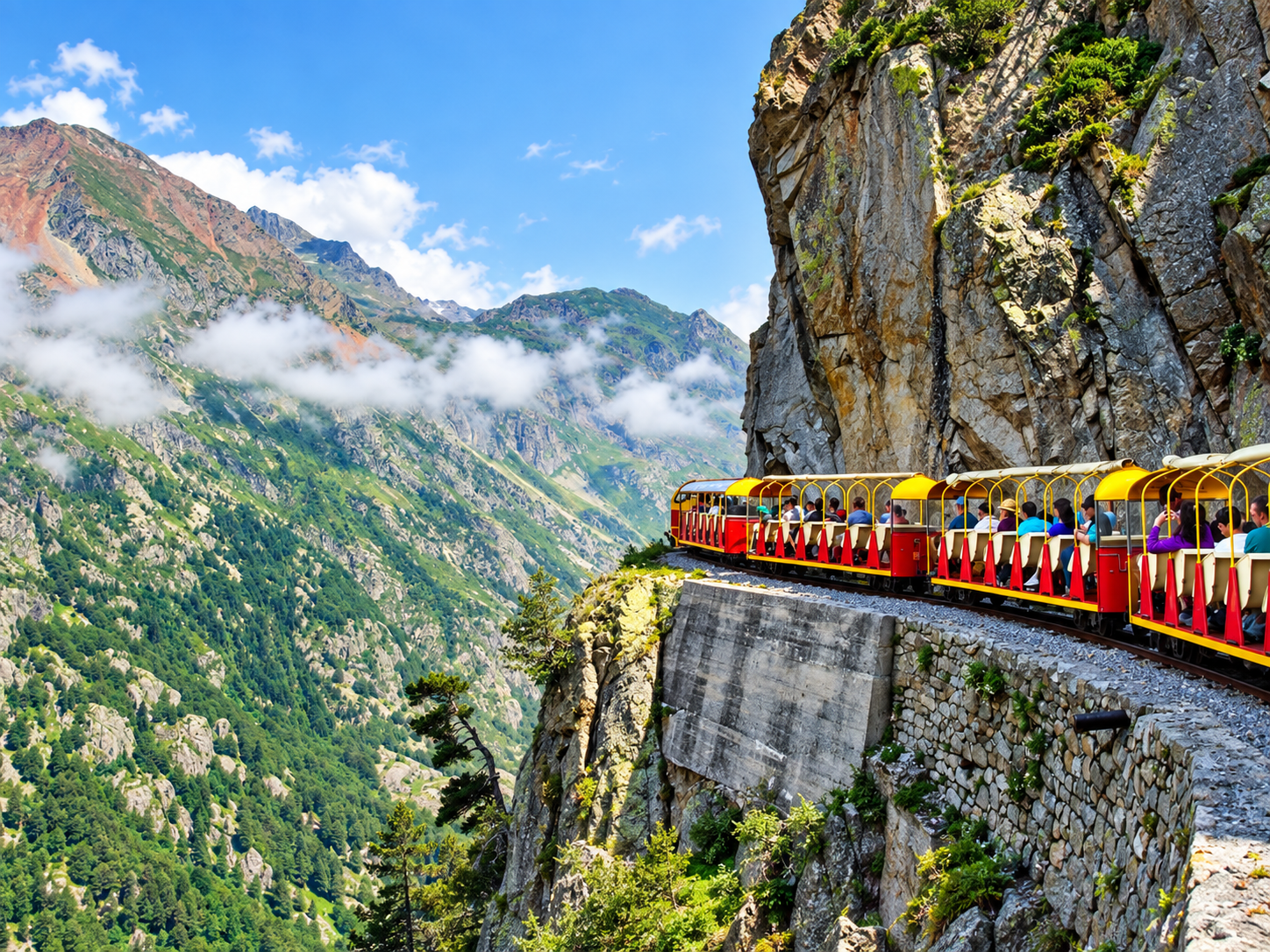
The excursion starts at Fabrèges with a cable-car ascent, followed by the narrow-gauge train travelling through the mountains. The train journey takes about 55 minutes each way in the published visitor format. The open carriages and cliffside route offer an experience quite different from a drive through the valley.
The lake is reached on a mountain path after the train, with around 20 minutes of walking advertised. The standard ticket gives a defined time at the far end and a return arrangement to respect. Book the actual excursion, allow the requested arrival margin and wear footwear suitable for the path; this is not a fully seated outing from car park to lake.
Bious-Artigues is the starting area for routes towards the celebrated Ayous lakes and views of the Pic du Midi d’Ossau. A shorter outing around the lower landscape and the full mountain circuit are different choices. Decide which suits the group before leaving, rather than adding more lakes simply because they appear close together on a map.
The tourism office grades the full circuit as difficult and publishes approximately 14.2 kilometres, 720 metres of ascent and five hours of walking. Allow additional time for stops and any extra approach from the lower parking. Snow, weather and road access can change what is sensible. Check the route and turn around early enough to keep a comfortable margin.
Build the day around one timed visit, then let the promenade and meals fill the spaces around it. The château gives structure to the morning, while the boulevard works before or after lunch. If the mountains are hidden, enjoy the architecture and return later rather than cancelling the city walk.
Choose a restaurant close enough to avoid unnecessary driving, and keep time for the market on an appropriate morning. A city overnight lets you see the centre after the day’s visits, with an unhurried dinner and another opportunity for the mountain view the next morning.
Book the train first, then plan the drive or seasonal transport to Fabrèges around it. The operator asks visitors to arrive 45 minutes before the time on the ticket. The cable car is part of the journey, so arriving at the bottom at the train’s departure time is too late.
Carry an extra layer, water and sun protection appropriate to the day. The lake walk follows a mountain path, and the return slot limits the time available for exploration. Ask the operator about access needs before booking. Do not combine the standard excursion with an ambitious hike unless you have arranged the appropriate ticket and return plan.
Begin with a booked winery visit in the Jurançon hills and leave room for questions about the grapes, slopes and differences between dry and sweet wines. The landscape makes more sense when the tasting is connected with the place where the vines grow. Arrange transport before booking several visits.
Follow with lunch or a signed countryside walk suited to the group. Keep the day’s geography compact: moving between distant producers can turn a relaxed outing into a sequence of drives. If visiting during harvest, confirm the actual visitor arrangements; a working winery may have different priorities from those of a holiday itinerary.
Make Les Halles the first food stop in Pau. The market’s own schedule lists opening from Tuesday to Saturday at 7 am and Sunday at 9 am, with traders closing at 1 pm or 3 pm. It is closed on Mondays. The producers’ area is listed on Tuesday, Wednesday, Friday and Saturday mornings. Check current holiday notices before fixing a visit around a particular stall.
Shop before lunch, asking about origin, ripeness and how best to serve what you buy. A small selection of cheese, bread and fruit is easier to carry than a large purchase that must spend the afternoon in a warm vehicle. If the next day involves mountain walking, buy the practical supplies before heading further up the valley.
Around Laruns, regional cheese and pastoral traditions give food a strong connection to the surrounding landscape. Ask the tourism office which producers welcome visitors during your stay. Farm visits, tastings and seasonal events have their own arrangements; a sign on a roadside is not a promise that a working farm is open at every hour.
Wine adds a different landscape to the same journey. Use a producer visit to compare Jurançon sec and the sweeter styles, with a driver who does not taste. Keep the market, tasting and main restaurant meal in balance rather than scheduling three substantial food experiences without time between them.
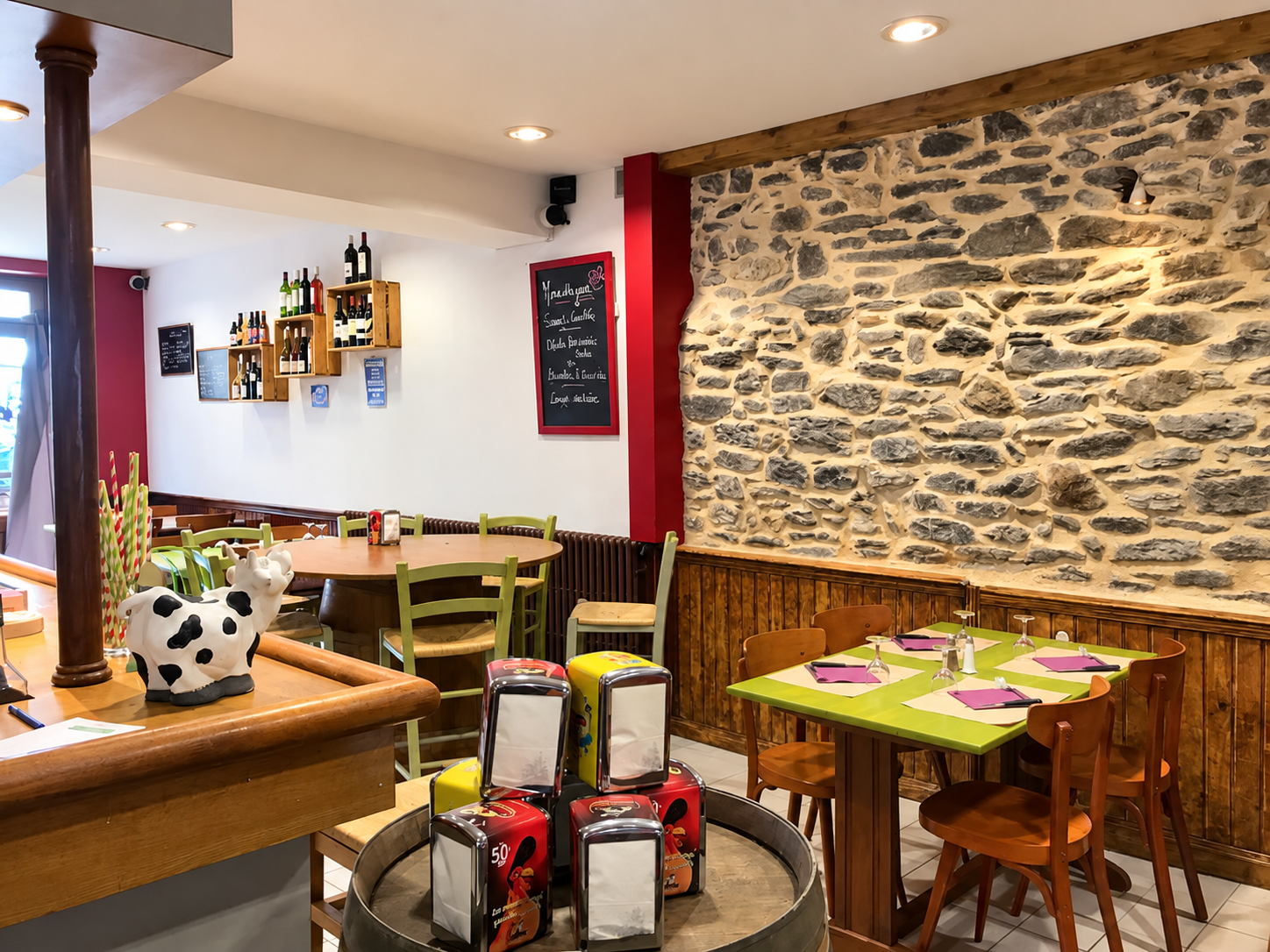
These three choices give the trip a useful spread: a refined dining room in Pau, an intimate city table and a relaxed meal in Laruns. Reserve the service you want, explain dietary needs and check current opening. Choose by the day’s route as well as the menu; a valley dinner is simpler when you are sleeping nearby.
AI-generated photorealistic view.
Pau · A meal at Villa Navarre
Maison Ruffet
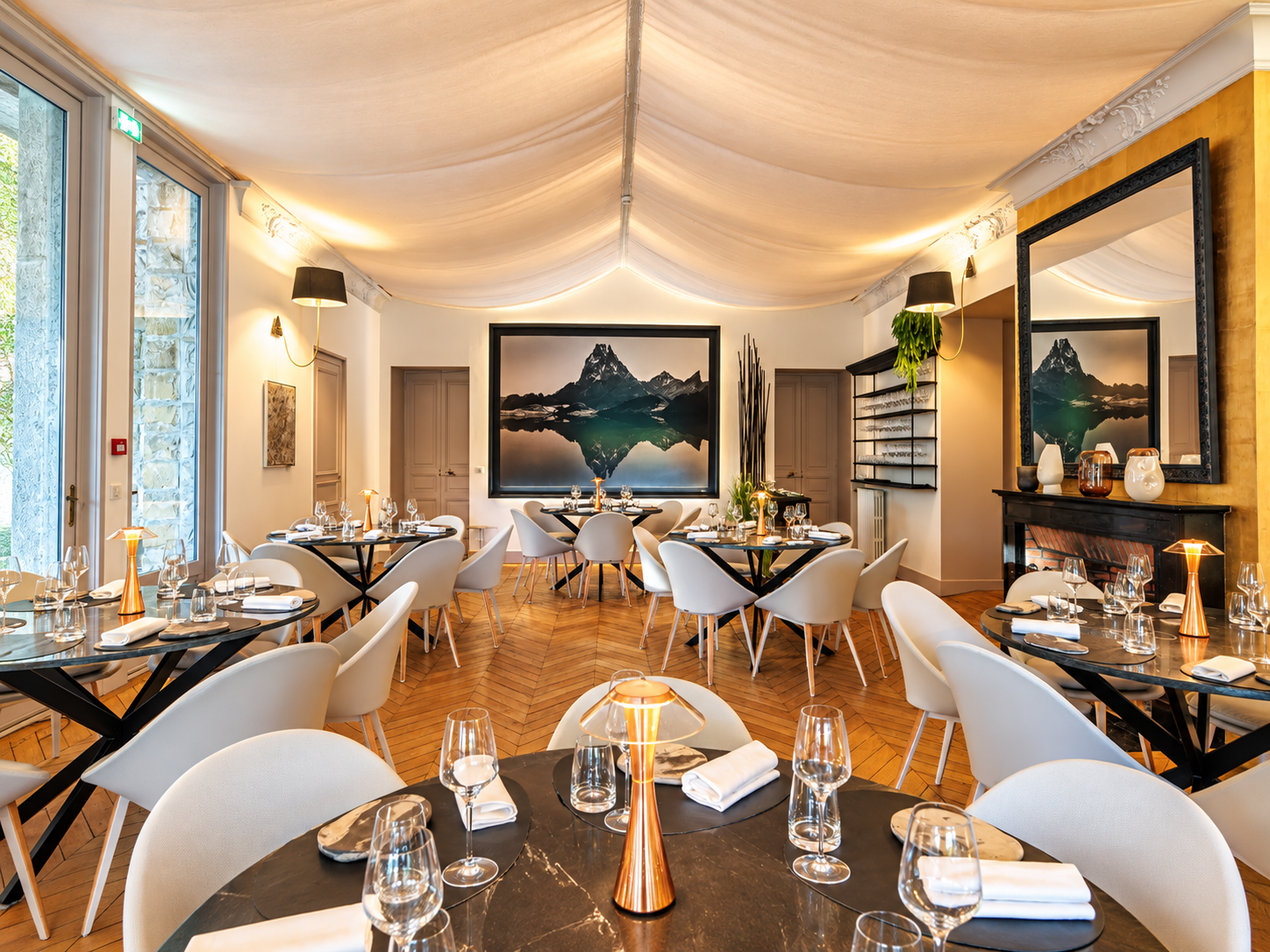
Maison Ruffet occupies the restaurant setting at Villa Navarre, east of the historic centre. Its dining room belongs to the city’s villa heritage, making the setting part of the occasion. Choose it when you want dinner to be the main event and can leave time to enjoy the room and service.
Check the current menu, service and reservation conditions directly. The property is separate from the compact château-and-market walking circuit, so arrange the outward and return journey. Guests staying at the hotel should reserve the table separately rather than assume a room booking includes restaurant availability.
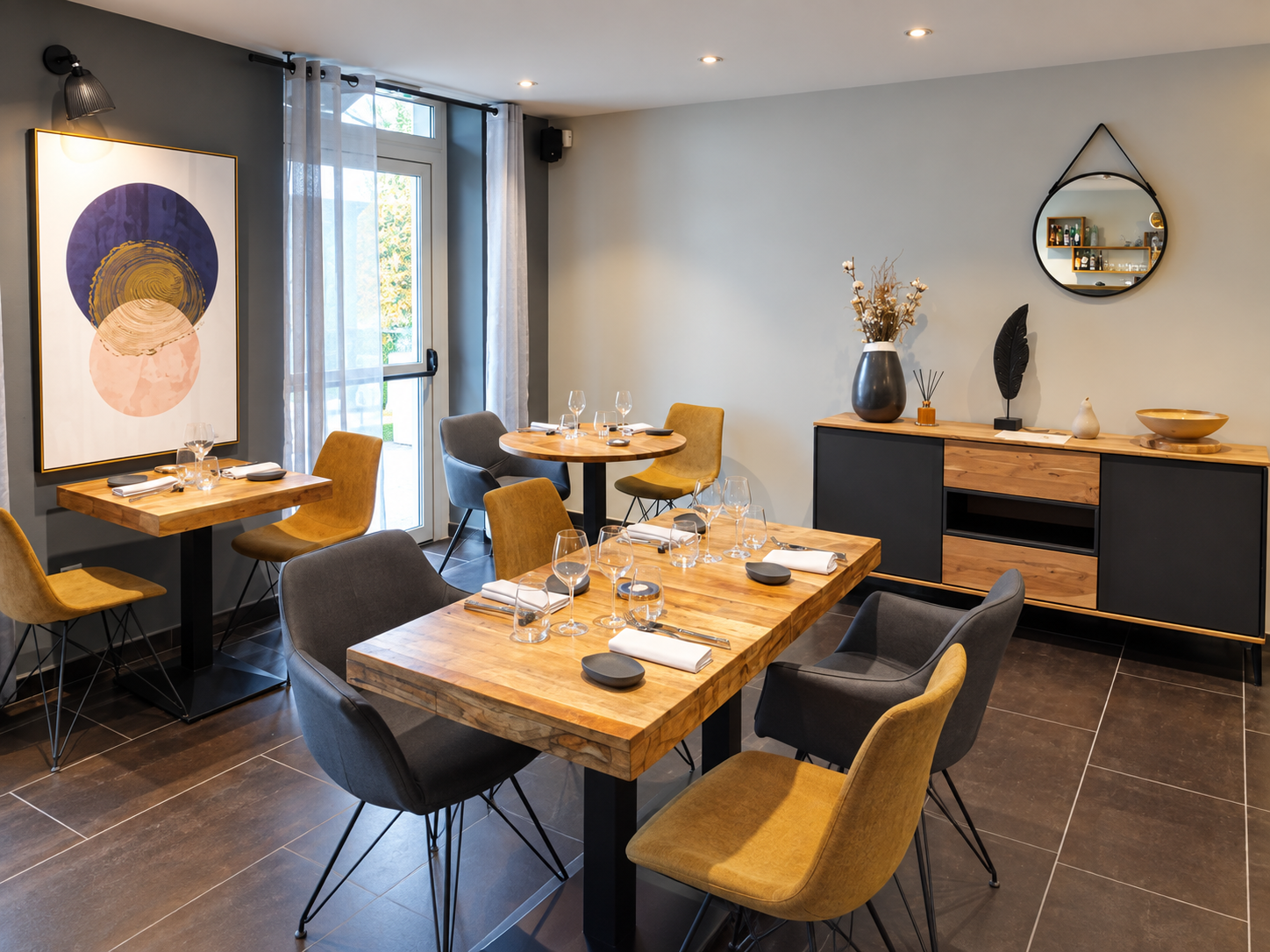
L’Interprète combines a small, considered dining-room setting with cooking based on fresh produce and an emphasis on sauces and presentation. It suits a city evening when you want a meal with its own personality after a day of heritage and walking. The wooden tables and restrained décor create an intimate atmosphere.
Reserve ahead and ask about the current menu and dietary requirements. Allow the meal its own time instead of squeezing it before an inflexible departure. Confirm entrance access if needed and use the official listing to reach the restaurant; menus and weekly opening can change.
L’Estive offers a village-centre meal on Place de la Mairie in Laruns. The tourism office describes a menu combining regional produce with other flavours. Its stone-and-wood dining room fits a relaxed valley evening, particularly after a day outside when you want to stay close to your accommodation.
The published 2026 listing gives lunch and dinner service except Tuesday and Wednesday, with additional interseason holidays. Confirm the actual date directly. Book dinner with enough margin after a walk, and keep a backup meal plan if your return depends on mountain weather or a seasonal bus connection.
For a balanced trip, consider a city hotel and a valley hotel rather than using one base for every outing. Pau is convenient for its restaurants and heritage; Laruns shortens the approach to the upper valley. The right split depends on how many mountain days you want and how often you are comfortable moving accommodation.
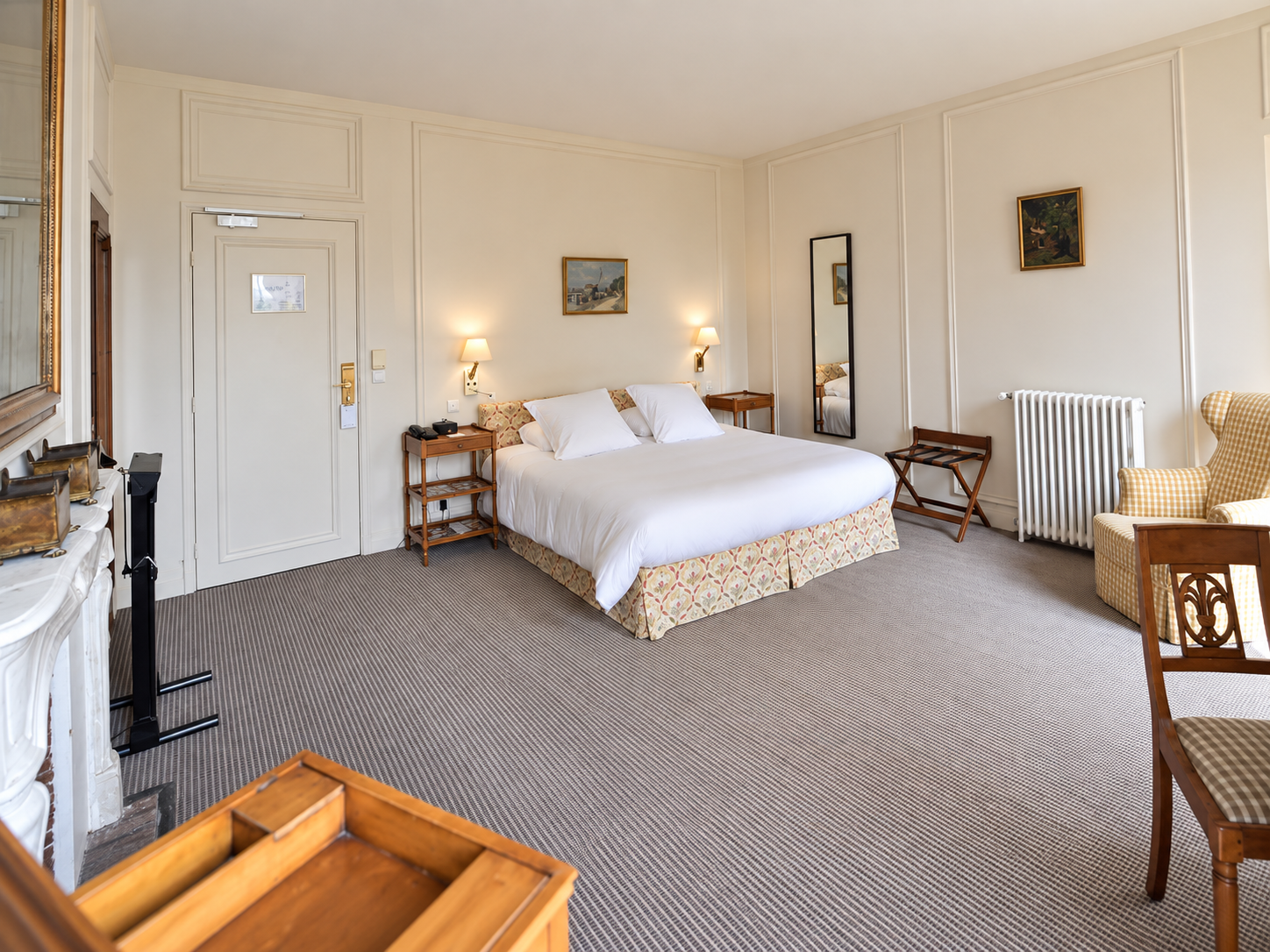
AI-generated photorealistic view.
5-star hotel · Pau’s villa district
Hôtel Villa Navarre
Villa Navarre offers a quieter setting within a large park, with rooms split between the historic villa and a separate pavilion. It suits a stay with time to enjoy the property between excursions, especially when the hotel experience matters alongside the city visits. Its location gives a different feel from staying directly in the old centre.
Choose the building and room category deliberately. Confirm spa, pool, treatments and restaurant reservations separately, including any age or opening restrictions relevant to your group. Ask about the exact room route if mobility matters. Plan transport for evenings in the centre rather than assuming every dinner is a short doorstep walk.
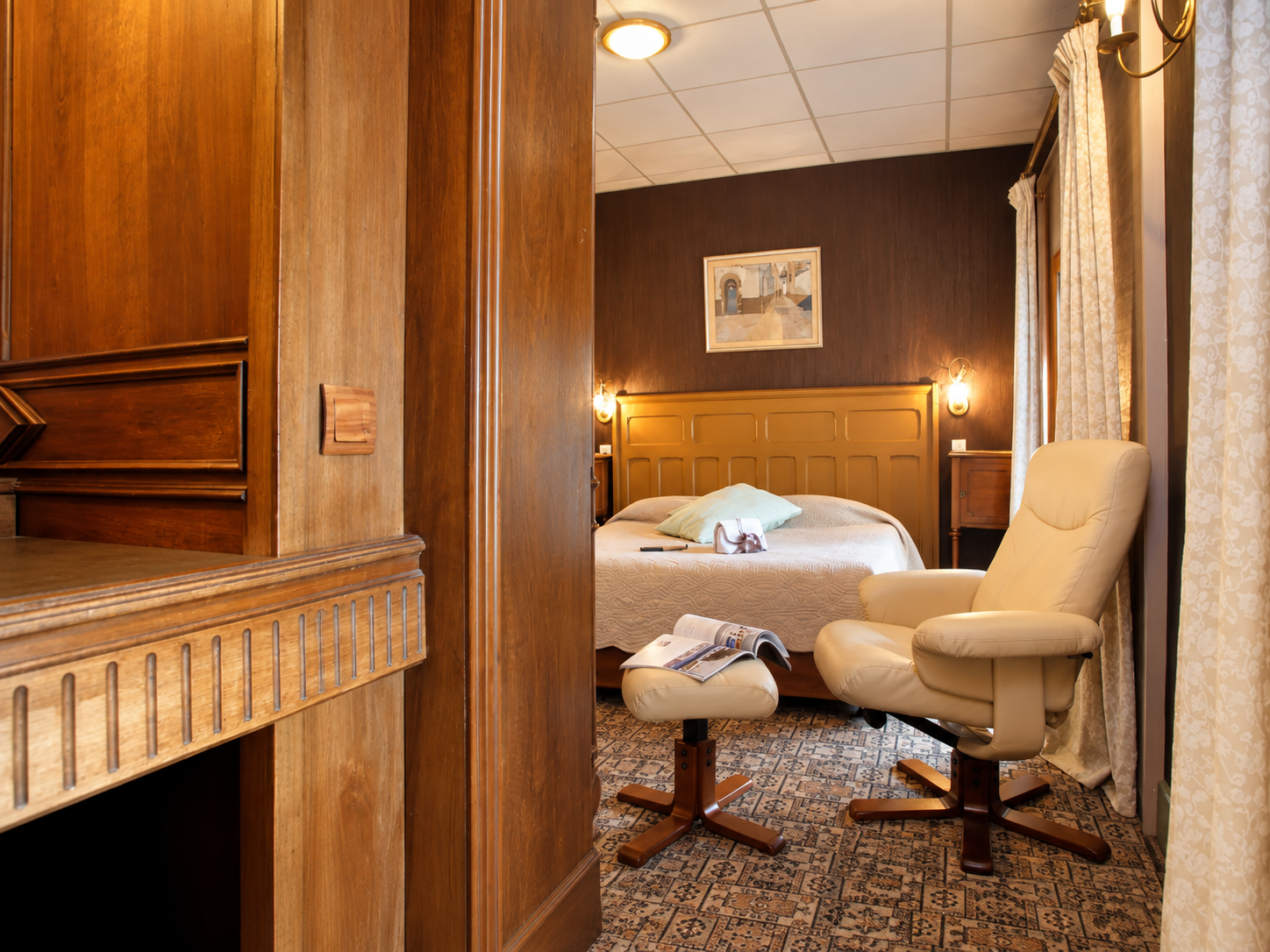
Hôtel de Gramont stands close to the château in an eighteenth-century building. Its position works well for a stay shaped around the old town, boulevard and restaurants. The tourism office lists air-conditioned rooms, a lift, family rooms and two adapted rooms, making it a useful central option to investigate for different party sizes.
Ask for the room type that fits the stay, including bedding, access and outlook. An adapted room needs to be reserved specifically and checked against your requirements. The nearby Place de Verdun provides public parking, but confirm unloading instructions and the current parking conditions before approaching the hotel by car.
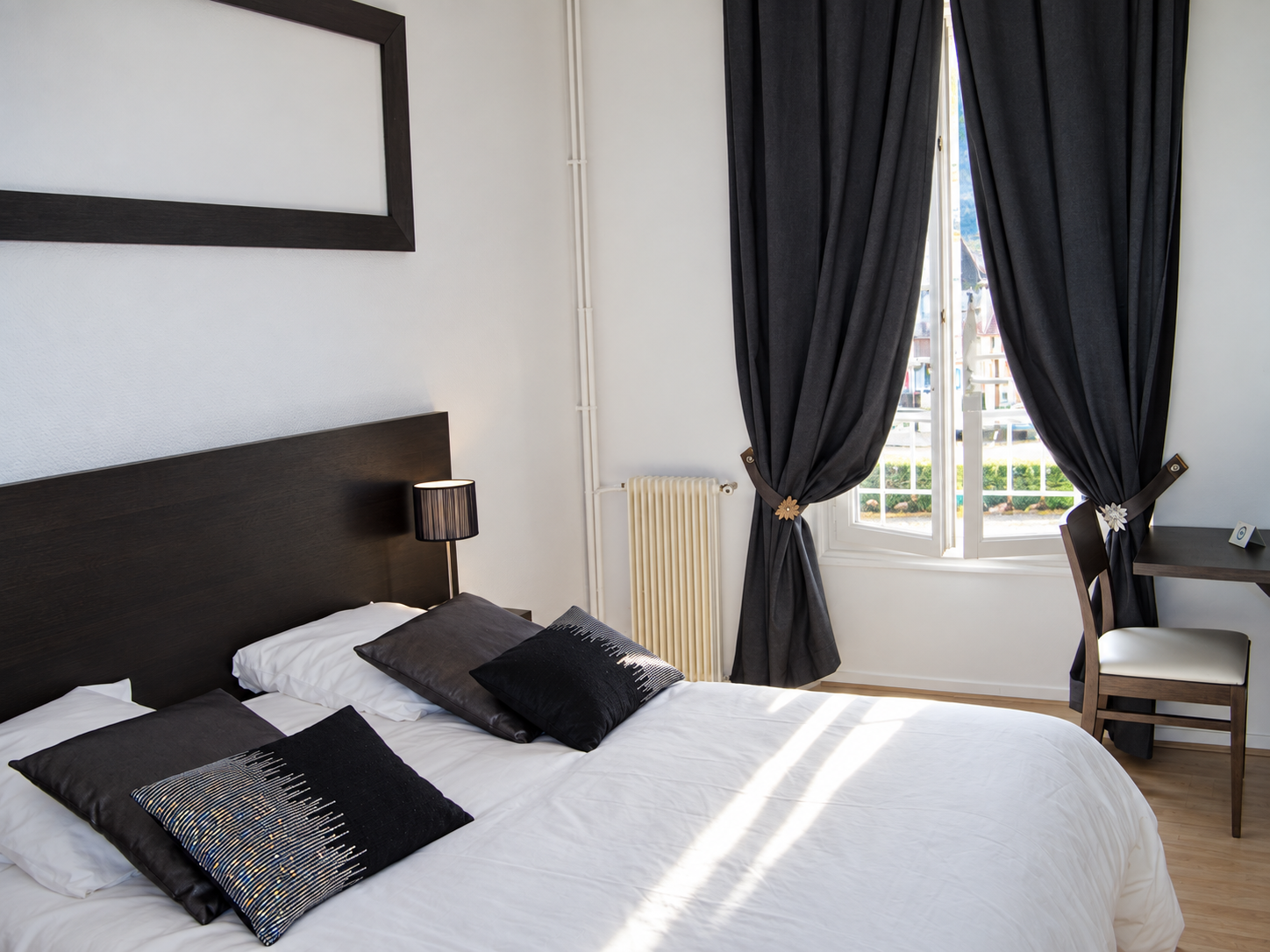
This small hotel has eleven rooms on the main square in Laruns and a restaurant with a terrace for suitable weather. It is a straightforward base for visitors who want village services nearby and a shorter approach to upper-valley outings. The setting places you close to everyday life rather than in an isolated mountain retreat.
Ask about the exact room, stairs, parking and early-departure arrangements before booking. The published calendar allows for interseason holidays, so verify availability even though the hotel is described as open throughout the year. Reserve restaurant services separately and discuss breakfast timing if an early train excursion or hike shapes the day.
Pau, its markets and the vineyard hills make a useful spring starting point. Plan the high valley according to current road and snow conditions, keeping a lower-level alternative ready. A pleasant day in town does not establish that the Ayous circuit is clear.
Check the actual opening of Artouste and access to Bious before booking a date around them. Give seasonal services time to settle and choose a hotel where a day of slower sightseeing or rain would still be enjoyable.
The broadest choice, with advance planning
Summer
Summer normally offers the widest range of mountain transport and activities. Reserve the excursion that matters most and allow time for busy parking, cable-car access and village traffic. Start walking with a realistic forecast and a return margin.
Use shade and slower afternoons in Pau when temperatures rise. In the mountains, carry layers even if the valley is warm, and keep the next day flexible when thunderstorms are forecast.
Vineyard colours and changing operating dates
Autumn
Autumn can combine a city stay, good meals and clear mountain days, but transport and attractions shorten their seasons. Check the exact final operating day instead of assuming that an excursion described as open in October runs all month.
At the editorial check on 4 October 2026, the tourism office gave that date as the end of Artouste’s 2026 summer season. Consult the operator for current departures and future calendars. Earlier sunsets also reduce the margin for walking.
Plan a distinct winter trip
Winter
Pau remains a useful base for heritage and food, while mountain activities follow winter conditions and operating schedules. The summer train excursion and the Ayous walking circuit should not be carried over into a winter itinerary unchanged.
Choose a specific winter activity with current local advice and appropriate transport. Check road equipment requirements, weather and access before driving higher. A comfortable city-and-foothills stay is a valid trip in its own right.
How Many Days Do You Need?
A focused city break
Two nights in Pau
Allow a full day for the château, boulevard and a restaurant, with a market morning if the dates fit. Add the Jurançon hills only if the arrival and departure leave a proper half-day. Keeping the city stay compact works better than rushing a distant mountain excursion.
A balanced city-and-valley journey
Four to six nights
Split the stay between Pau and the Laruns area. Allow one main mountain day, one flexible day and enough time for the move between bases. Artouste and the full Ayous circuit each deserve their own day rather than being combined.
More walking and less dependence on one forecast
A week or longer
Extra nights give you room to change the order of outdoor days and enjoy the villages between them. Choose a limited number of bases and vary the level of activity. A rest day can include a market, a short walk and a meal without feeling unfinished.
Getting There & Getting Around
Pau is the main rail gateway for this itinerary. Check current services for your origin and the onward connection before choosing a late arrival. The station sits below the upper centre, so consider luggage and the final approach to your hotel. Ask for the easiest arrival route rather than following the shortest walking line on a map.
The funicular normally links the station area and upper town, but the tourism office reported a maintenance closure at the 4 October 2026 editorial check, with reopening expected around mid-October. Verify the current status and use another suitable route or transfer while it is closed. Its usual operation should not be assumed from older city descriptions.
Regional bus 524 connects Pau with Laruns and Gourette. Seasonal line 525 provides onward links towards Artouste and the Col du Pourtalet, with summer access arrangements for the Bious starting area. Read the timetable valid for the travel date and check the connection and last return together. A bus route on a map does not guarantee a convenient same-day excursion.
A car offers flexibility for vineyards and mountain starts, but is often unnecessary during the central Pau day. Consider collecting it after the city stay. Without a car, book the transport component of a vineyard or mountain outing before confirming a time-sensitive visit, and allow for different weekday, weekend and seasonal services.
In Pau, choose a signed public car park that suits the hotel or visit and continue on foot. The municipality lists underground and surface parking as well as park-and-ride options. Check the current rate and operating conditions; a short shopping stop and an overnight stay may be best served by different facilities.
For a central hotel, get unloading instructions before arrival. Hôtel de Gramont’s nearby public parking and Villa Navarre’s on-site arrangements are different propositions. Ask the property about height limits, reservations, access hours and any charging needs relevant to the vehicle.
Bious has two distinct parking areas with seasonal management. The official 2026 guidance distinguishes the upper Bious-Artigues car park, with daytime access and vehicle restrictions, from lower Bious-Oumettes. The lower start adds an approach to a walking day. Check current opening, charges and exit requirements before setting out, and follow on-site signs if an area is full or closed.
Do not treat a mountain car park as an informal campsite. The Bious guidance prohibits sleeping or cooking in vehicles there, and local and national-park rules also govern bivouacs on walking routes. Arrange proper overnight accommodation. At Fabrèges, leave enough time to park and reach the cable-car entrance before the operator’s required arrival margin.
Start with the château’s current visiting arrangements, then walk through the centre towards a preselected lunch stop. On a market day, reverse the order if a morning at Les Halles is the priority. Keep the fixed appointments few enough to leave time for the streets between them.
Follow the boulevard towards Parc Beaumont in the afternoon, stopping where the view and weather suit. Return to the hotel before dinner. If the mountains remain hidden, preserve another short promenade opportunity the following morning instead of extending the walk solely in hope of a clear horizon.
One excursion with a comfortable margin
A valley day on Artouste
Stay around Laruns the night before if you want a shorter morning approach. Reach Fabrèges with the required lead time, take the cable car and train, and decide whether the lake path is suitable for everyone in the group. Respect the return arrangement on the ticket.
Leave the late afternoon flexible for the descent and return to the village. A booked dinner near the hotel is easier than a distant table after an outing whose timing may be affected by conditions. Keep an alternative plan for cancellation or unsuitable weather.
Ayous when conditions and ability align
A mountain walking day
Read the full route description, road access and forecast before deciding on the circuit. Begin with the correct parking assumptions and enough time for the approach, walking, breaks and return. Take the equipment and food needed for a mountain day.
Choose a shorter route if the full circuit does not suit the group. Keep children, first-time walkers and anyone with knee or balance difficulties in mind when assessing descent as well as ascent. The objective is an enjoyable outing with a clear return plan, not reaching every lake at any cost.
Accessibility & Mountain Advice
Assess city and mountain access separately. A central hotel can simplify the Pau stay, but historic interiors and the slope from the station need specific checking. Ask the château about the appropriate visit and confirm the exact adapted room at the hotel, including bathroom layout and the route from arrival to reception.
For Artouste, contact the operator before booking if mobility, vertigo or assistance requirements could affect the journey. The cable car, train and path to the lake are separate stages. An attractive photograph does not show every boarding step, surface or gradient. Plan for the least comfortable member of the group.
For Ayous, use the official route description and current local advice rather than relying on the published time alone. Snow, wet rock, visibility and weather can change the day substantially. Check whether the full circuit is appropriate, carry suitable equipment and choose a turnaround time that preserves a margin.
Dogs are subject to route-specific rules. The tourism office describes a permitted on-lead approach as far as Lac Gentau, while the continuation enters areas where dogs are prohibited. The full circuit is therefore not a general dog-friendly walk. Bivouacs also have designated restrictions, including pastoral zones; consult the current maps and rules before planning an overnight.
Give the valley its own nights. A hotel around Laruns changes a mountain morning from a long city departure into a shorter approach. It also makes an unhurried village dinner possible after the outing.
Keep one outdoor day unassigned. Choose the best forecast for the activity that matters most, and use the other day for a lower-level outing or village time. Reservations should support the trip without forcing unsuitable mountain plans.
Check which timetable you are reading. Seasonal buses, Artouste and the funicular all require current information. Read the effective dates as carefully as the departure times, particularly around the spring and autumn changes.
Frequently Asked Questions
Should I stay in Pau or Laruns?
Pau suits heritage, restaurants and vineyard outings. Laruns is a useful base for the upper Ossau Valley. For several mountain days, splitting the stay usually reduces repeated travel.
How long is the château visit?
The published guided visit lasts about an hour. Individual visits currently operate in French, subject to available places. Check the official visiting arrangements for your date.
Is the funicular running?
At the 4 October 2026 editorial check, the tourism office reported maintenance with reopening expected around mid-October. Consult its current notice before relying on the service.
Can I reach the valley without a car?
Regional line 524 links Pau and Laruns, with seasonal onward services on line 525. Check the timetable valid for your date, connections and the final return.
Does the Artouste train take me directly to the lake?
There is a mountain path after the train, with about 20 minutes of walking advertised to reach the lake. Confirm the ticket’s free time and return arrangements.
Is the full Ayous circuit an easy stroll?
No. The tourism office grades the published circuit difficult, at about 14.2 kilometres and 720 metres of ascent. Weather, snow and the parking approach affect the day.
When should I visit Les Halles?
The morning is the best planning choice. The market is normally open Tuesday to Sunday, with a separate schedule for producers and variations by trader and holiday.
Can I sleep in my van at Bious?
The published parking guidance prohibits sleeping or cooking in vehicles there. Use appropriate overnight accommodation and check current local rules.
Plan Your Stay
France. Well Planned.
From a city promenade to a mountain morning.
We plan. You choose. You book.
We help you choose the right bases, connect the city with the valley and build a journey with time for food, views and the places between.
Visitor information checked on 4 October 2026. Opening, transport and mountain access can change; use the official links for the actual travel date. Stay lengths and suggested itineraries are editorial planning choices.
Images labelled AI-generated are photorealistic interpretations based on identifiable reference photographs from official tourism and operator pages. They illustrate the setting and are not documentary photographs or guarantees of current rooms, tables, services or conditions. The château and Lac Gentau views are existing images from the FWP collection.