Roman landmarks, golden-stone streets and a remarkable river crossing.
Explore Nîmes at walking pace, give Uzès a day of its own and discover the Pont du Gard with time for its landscape and history. Plan around the visits, markets and meals that matter to you.
Best forHeritage & foodRoman monuments, historic streets and markets.
Stay3–4 nightsOne city day plus separate regional outings.
City rhythmWalk NîmesUse a planned bus connection or car beyond town.
Good seasonsSpring & autumnComfortable walking with an indoor alternative.
This part of the Gard links places that share a history but offer different experiences. In Nîmes, an amphitheatre and a Roman temple sit within an active southern city, close to cafés, shops and a major archaeology museum. Uzès has a smaller scale: arcaded squares, stone façades and streets that invite a slower walk. At the Pont du Gard, the landscape and the engineering become the main event. Each deserves more than a quick photograph on the way somewhere else.
Nîmes is a convenient rail base for travellers who prefer arriving without a car. Uzès suits a stay centred on markets, restaurants and a historic-town atmosphere, with onward transport organised separately. Neither choice removes the need to check journeys to the Pont du Gard. The best base is the one that matches your evenings and the amount of driving you want to do, rather than the hotel that appears closest on a broad regional map.
For a first visit, give Nîmes one full day and choose whether Uzès and the bridge will be separate outings or one carefully limited day trip. Three to four nights leave more room for museums, a market morning and a substantial meal. This guide focuses on those three places, with optional walks that fit around them. It does not assume that every monument interior, tower climb and countryside stop can comfortably fit into the same day.
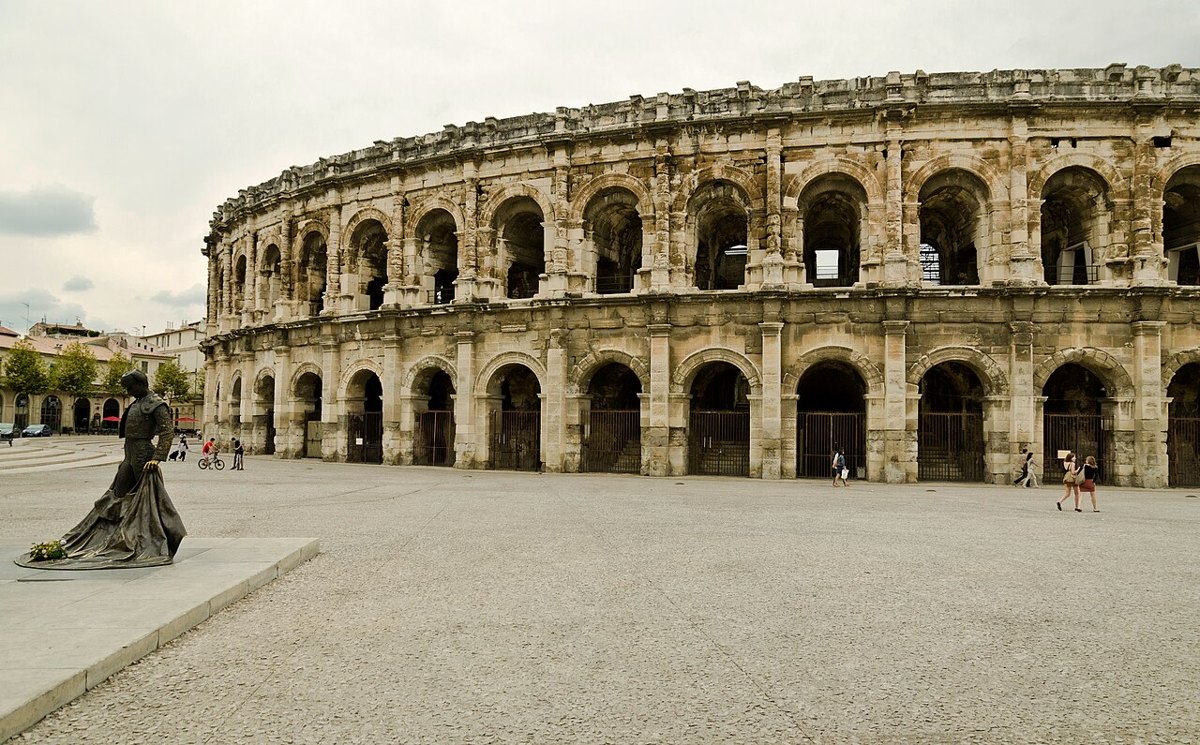
The amphitheatre is a natural starting point for understanding Roman Nîmes. Walk around its exterior before going inside, then use the visitor interpretation to make sense of the arena, circulation routes and seating. Allow roughly 60–90 minutes as a planning estimate, longer if you want to follow the historical explanations closely. A ticketed visit offers more context than a hurried stop outside, but the exterior is worthwhile in its own right.
The Arènes remain an event venue. Concerts, festivals and other programmed uses can alter sightseeing access, so check the monument’s dated calendar before choosing your day. Do not assume that every tier or route is available during preparations. For mobility needs, ask about the accessible visit actually offered; historic steps and upper levels require separate consideration. In warm months, carry water and choose an earlier visit when that suits the opening schedule.
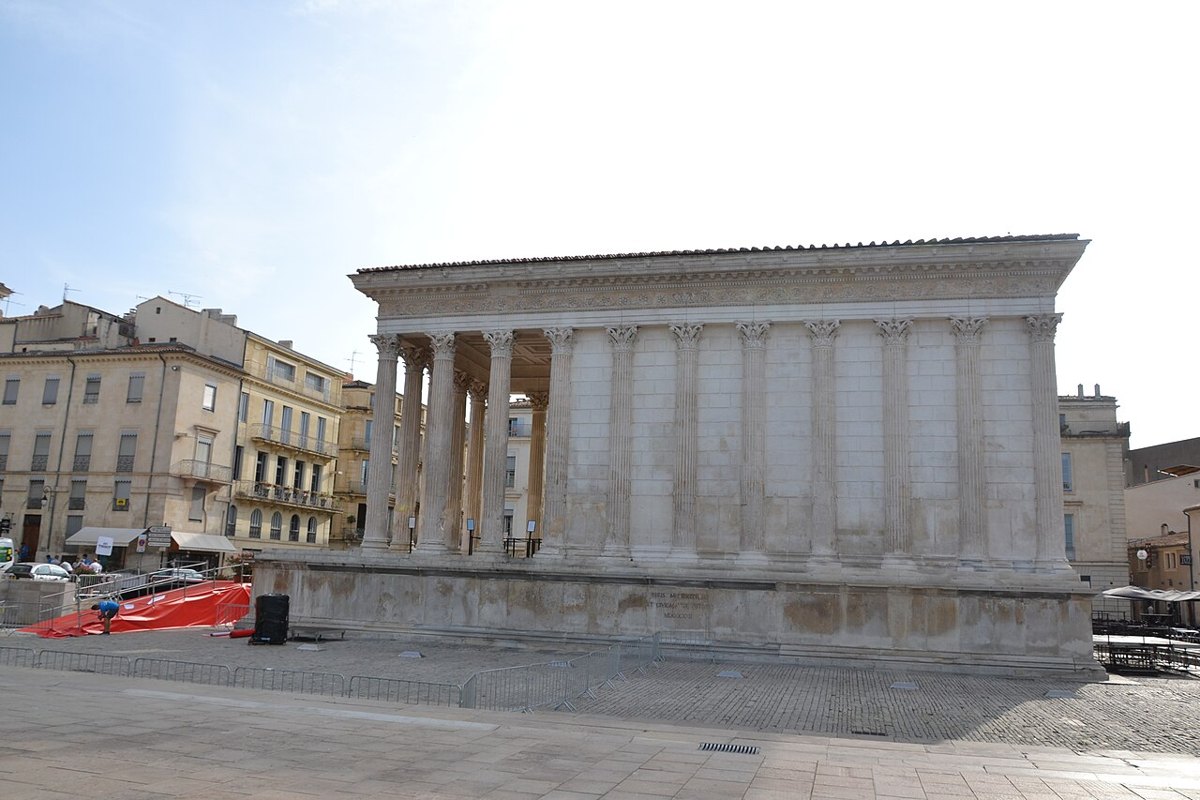
The Maison Carrée rewards attention to its proportions, columns and sculpted detail. It is a Roman temple associated with the imperial cult, inscribed on UNESCO’s World Heritage List in 2023. Begin by viewing it from the surrounding square, then decide whether the current interior interpretation and ticket offer suit your interests. Pair it with the amphitheatre to see two different kinds of Roman public building, rather than treating them as interchangeable landmarks.
Allow about 30–60 minutes for the exterior and a confirmed interior visit, with extra time if you enjoy architectural detail. Entry arrangements and presentation can change, so use the monument operator’s current information. The archival photograph records the building and its surroundings at an earlier date; temporary fencing and street conditions should not be read as today’s arrangement. The nearby streets offer an easy place for a café pause before continuing towards the gardens.
Herbert Frank · Wikimedia Commons ↗ · CC BY 2.0 ↗. Resized; display crops may apply. Share-alike terms apply where stated.
Give the archaeology time
Musée de la Romanité
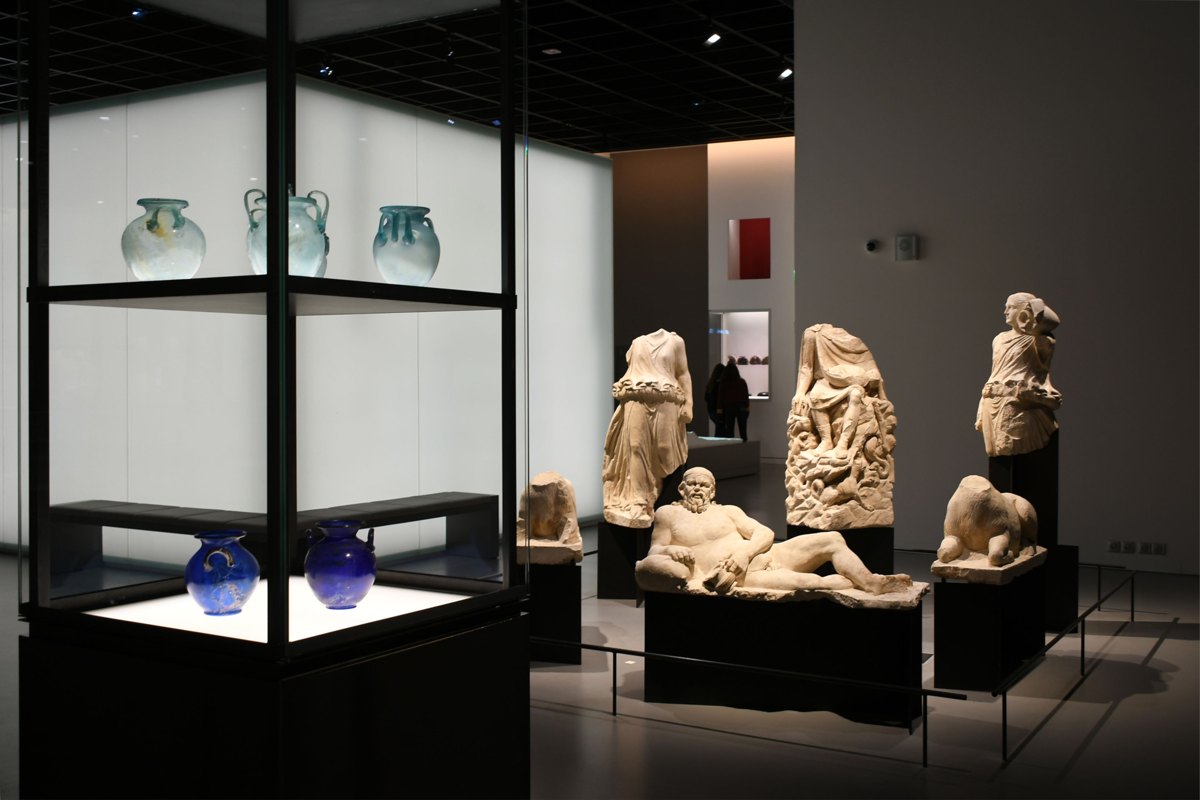
The Musée de la Romanité, opposite the Arènes, gives the city’s ancient remains a wider context. Make it a main visit if you want to understand the monuments through objects, sculpture and archaeological interpretation. The documentary photograph shows part of the interior collection, rather than the museum façade. A museum visit can also be a useful change of pace after walking outdoors, without requiring another journey across town.
The museum suggests around 90 minutes for a visit; allow longer for a temporary exhibition or a slower look through the displays. It has lifts and an accessible route, with assistance equipment available under stated conditions. Its normal winter calendar includes Tuesday closure from November to March, while the April–October period has daily opening. Verify your date and exhibition arrangements. Keep a break between the museum and another substantial interior so the day stays enjoyable.
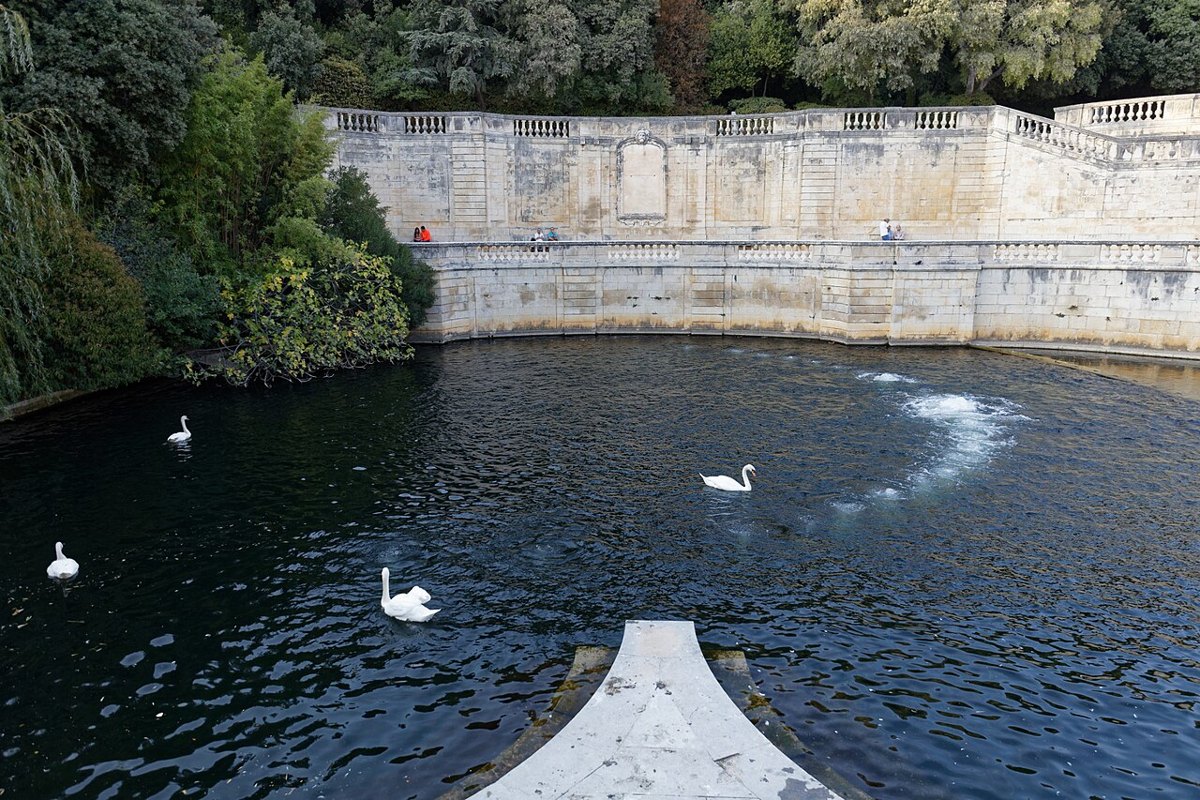
The Jardins de la Fontaine bring water, greenery and a different walking rhythm into a Nîmes day. Explore the lower formal areas and the spring setting before deciding how far uphill you want to go. The Temple of Diana and the approach towards the Tour Magne add historical interest, but the garden itself is a rewarding pause. You can enjoy it without committing to every path or adding another tower visit.
Allow an hour for an unhurried lower-garden walk, or longer if you add the uphill approach and a ticketed Tour Magne visit. Garden opening changes between the warmer and cooler seasons. The lower paths and the tower climb are different access experiences, so check the full route if slopes or steps are difficult. A shaded pause here works particularly well between the Maison Carrée area and a booked meal, rather than as a rushed final detour.
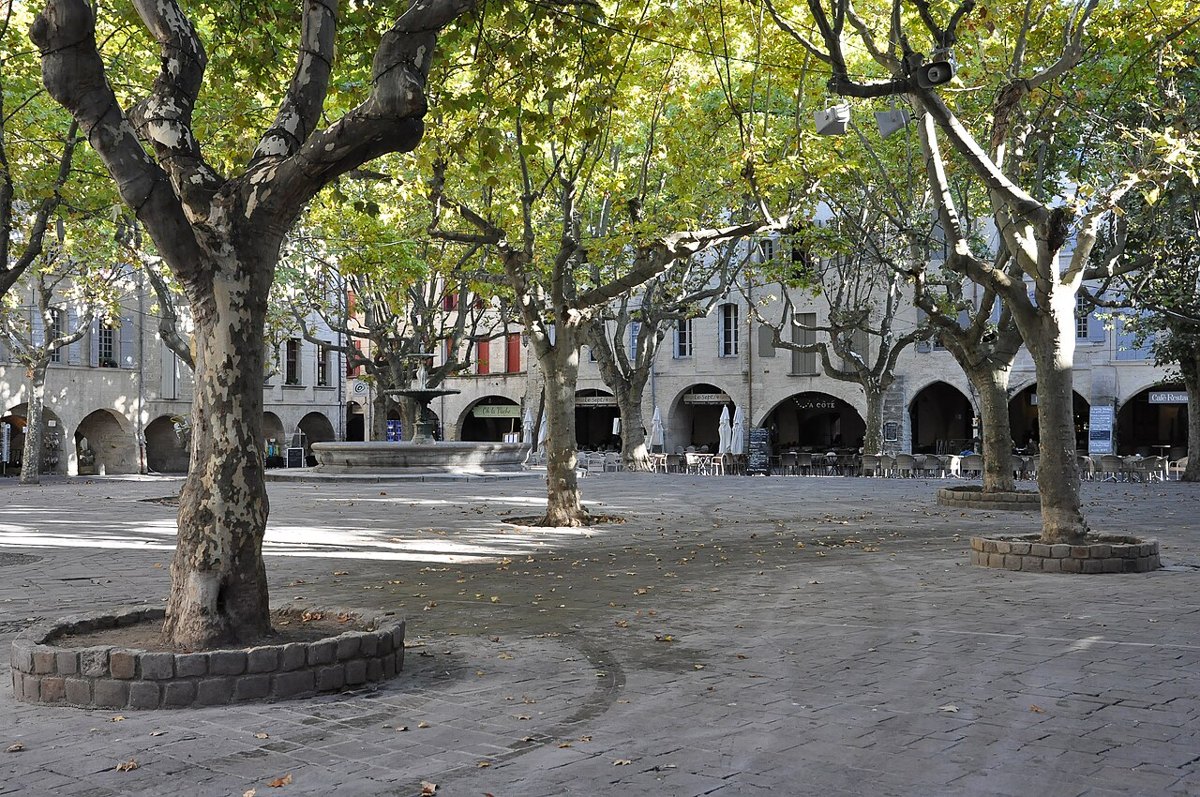
Uzès is best explored as a coherent town. Begin around the Place aux Herbes, follow the historic streets towards the Duché and pause near Saint-Théodorit cathedral and its round Fenestrelle bell tower. Choose one interior that genuinely interests you instead of trying to enter every building. The Duché’s guided apartments visit and tower access have their own admission conditions; confirm the language, timing and suitability of the route before booking.
Allow at least half a day, including time for lunch, and a full day if you want a market morning or additional museum visit. The town is walkable once you have arrived, but old paving, thresholds and tower steps affect accessibility. The photograph shows the square without a market in progress. For a countryside extension, the Vallée de l’Eure offers a separate walk below town; remember that returning uphill adds effort to an otherwise relaxed day.
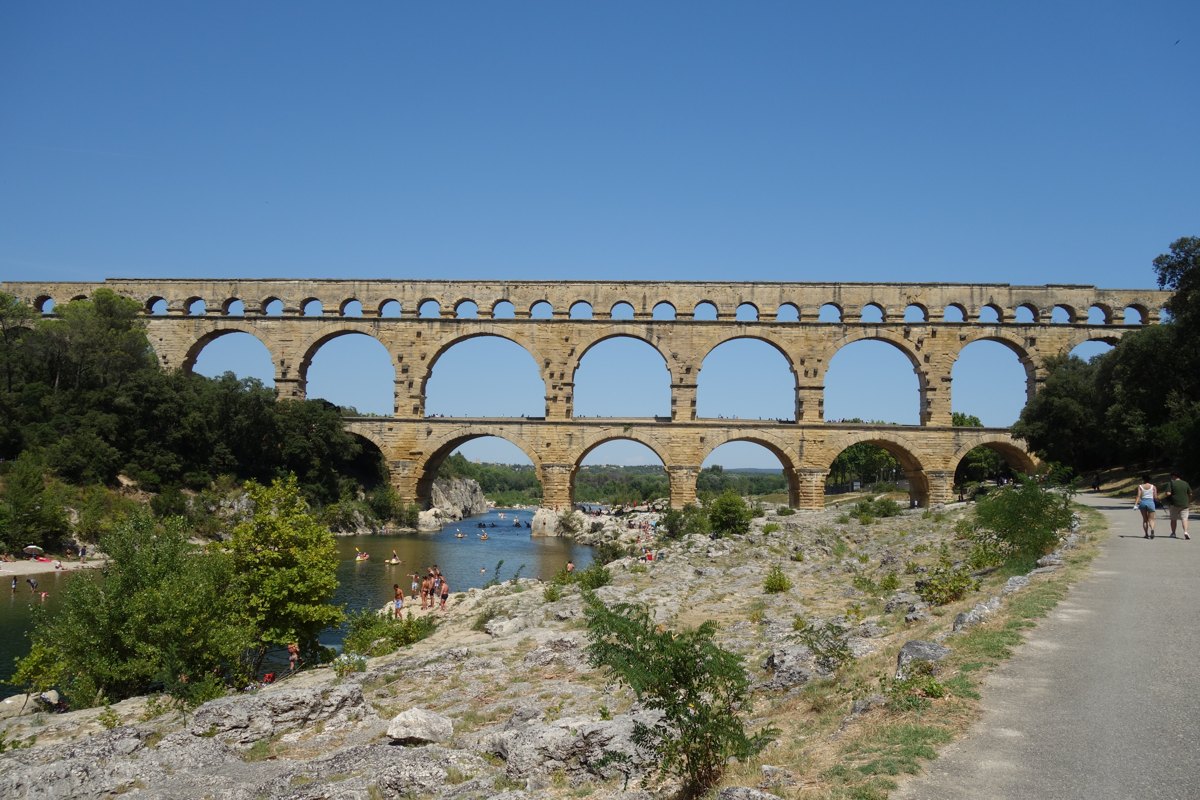
The Pont du Gard is the most dramatic surviving crossing on the Roman aqueduct that carried water from the Uzès area towards Nîmes. Take time to see it from more than one ground-level perspective and consider the museum or a guided visit if the engineering interests you. A two-to-three-hour visit is a useful minimum planning estimate for the bridge and one additional element; a longer stay allows a less hurried landscape walk.
The outdoor site is freely accessible to visitors arriving on foot or by bicycle. Parking, discovery spaces and guided activities have separate charges. A guided visit to the upper water channel is a specific experience, not the ordinary route across the site: it involves steps and is not adapted for reduced mobility. Confirm what your booking includes. Follow local conditions around the river and paths, and do not build a swimming or kayaking plan into a sightseeing day without separate arrangements.
Start at the amphitheatre, then walk through the centre towards the Maison Carrée. A guided city walk can help connect the buildings with the surrounding streets and the city’s long history. Alternatively, choose a monument audioguide and leave the rest of the route flexible. The point is to understand the relationship between places, with enough time to observe the details that make each one distinctive.
Check what any combined ticket covers, how long it remains valid and whether a guided visit is included. It may suit a trip that genuinely uses several monuments, but it should not dictate a schedule that becomes tiring. Keep the Musée de la Romanité as a separate substantial visit rather than a brief add-on. A lunch or garden break between the outdoor and indoor parts creates a better day.
Follow Uzès from its square to its heritage streets
Build an Uzès day around a confirmed guided walk or a Duché visit, then leave time for the streets around it. The tourist office’s heritage information helps you choose a route, with Saint-Théodorit, the Fenestrelle tower and smaller cultural stops adding variety. On a market day, begin with browsing and make the booked visit later, allowing a comfortable margin to cross the busy centre.
If you prefer a walk in nature, consider the Vallée de l’Eure as a distinct outing. Its spring is connected with the Roman water supply, giving the landscape a useful link to the Pont du Gard story. Check the selected route and return ascent; the longer tourist-office circuit includes hills. Do not assume the whole walk is flat because it begins in a valley. Keep shoes, weather and remaining daylight in mind.
Begin with the ordinary visitor route and let the bridge’s scale become clear before adding a guided activity. The discovery spaces explain the aqueduct and its construction, while the outdoor landscape offers a different way to spend the afternoon. Choose the element that interests you most rather than purchasing several activities you will only have time to hurry through.
Check the seasonal calendar for the museum and other spaces; outdoor site hours do not mean every cultural area remains open for the same period. Guided channel visits require their own booking and route suitability check. If combining the bridge with Uzès, keep the town visit limited to streets, lunch and one main stop. Separate days are preferable when you want both a market morning and a detailed aqueduct visit.
Uzès has two different weekly market mornings. The larger Saturday market spreads across the Place aux Herbes and nearby streets, while Wednesday focuses on producers. Choose the morning according to the experience you want: a lively town-wide browse or a more focused food visit. Both work well with lunch in Uzès, followed by one confirmed heritage stop rather than a hurried drive straight to another attraction.
The current tourism calendar lists Wednesday from 7.30am to 1pm and Saturday from 7.30am to 1.30pm, with holiday arrangements to verify for your date. Arrive in the morning, bring a small bag and ask before photographing traders or individual stalls. Keep purchases appropriate to the rest of your day; a booked interior visit is easier without bulky bags. The accompanying photograph shows the square outside market time and does not promise a particular stall layout.
For a Nîmes morning, the covered Halles offer a separate everyday food stop. The city lists daily opening from 7am to 1pm, including holidays, with some traders also operating later. Browse what is actually available and ask about local products rather than expecting every counter to follow an identical schedule. Pair a modest market visit with the central streets and one monument, leaving time for a proper meal.
These addresses suit a trip where one or more meals are a priority. Reserve the restaurant that matters most first, then shape the sightseeing around it. Markets and central cafés provide simpler pauses on other days; menus and prices should be checked directly.
AI-generated illustration based on inspected official visual references. Representative setting; consult the establishment’s current photographs for your booking.
A destination meal in Nîmes
DUENDE
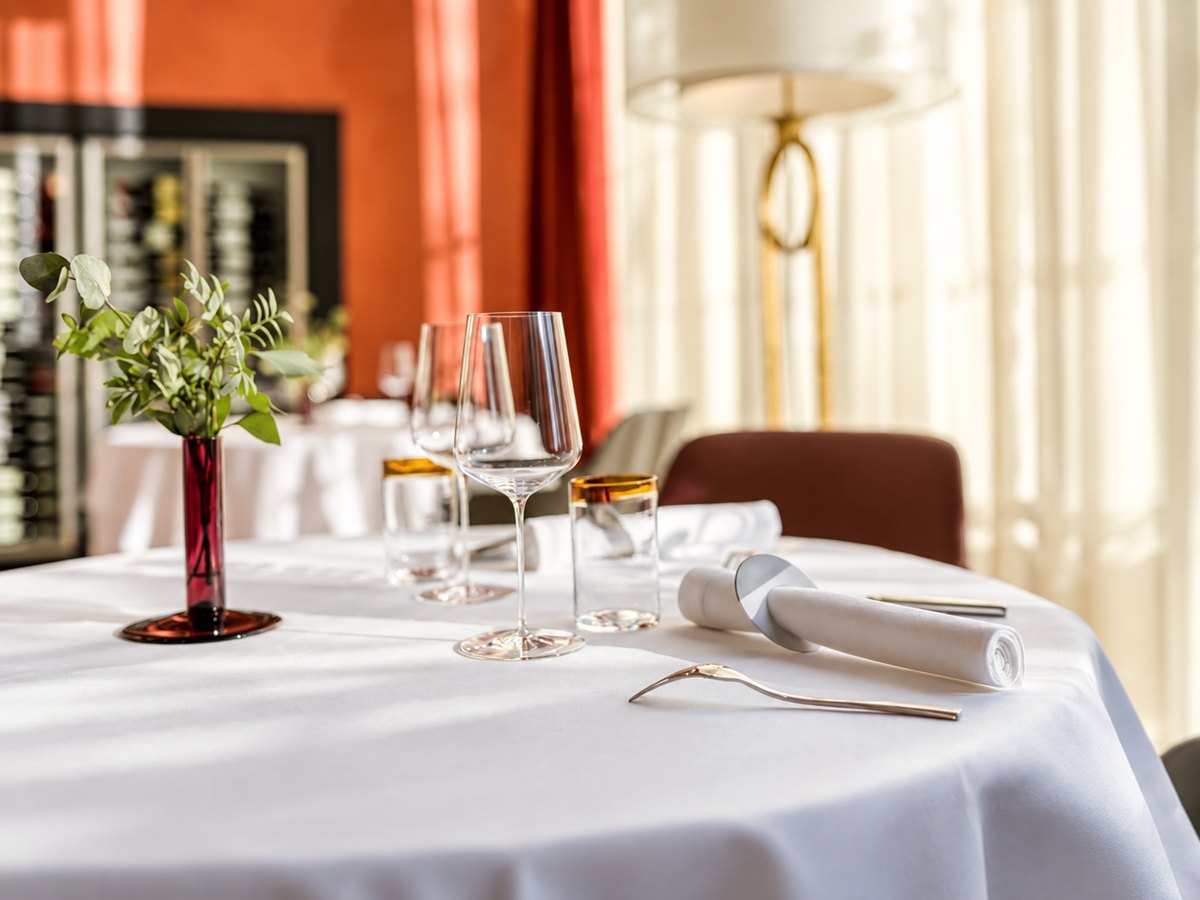
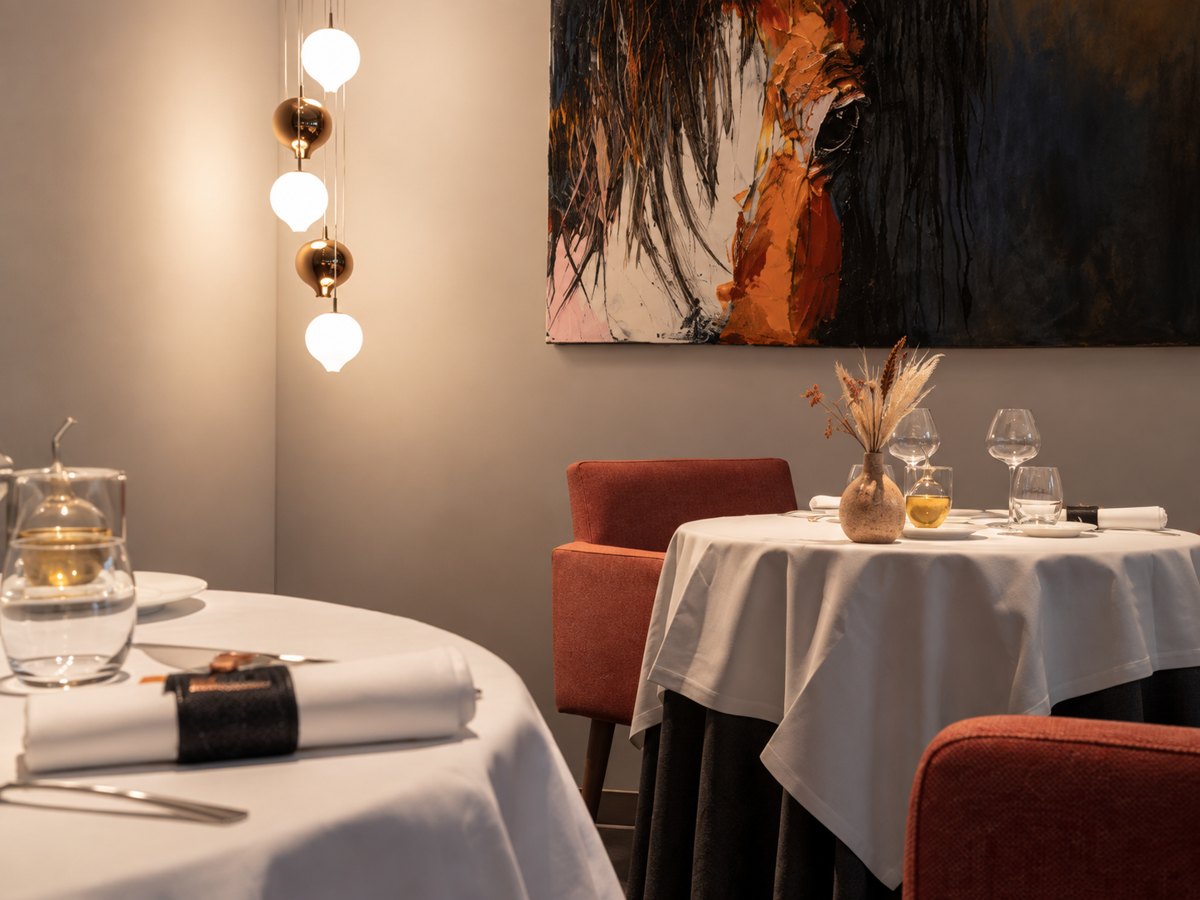
DUENDE is the gastronomic restaurant at Maison Albar – L’Imperator, with a culinary experience signed by Pierre Gagnaire. Choose it when the meal is a main event in your stay. A tasting-menu booking deserves an evening or lunch period of its own, with the rest of the day paced accordingly. Its location near the Maison Carrée and Jardins de la Fontaine makes it easy to combine with central sightseeing without adding a transfer outside town.
Reserve directly and confirm the current menu, available services and dietary arrangements before arrival. The restaurant operates selected lunch and dinner services rather than serving continuously every day. Ask the team about the expected duration and wine options if those affect your plans. The illustration reflects an inspected table-setting reference; it does not guarantee a specific table, present-day décor or menu. The hotel’s other dining options have separate offers and should not be confused with DUENDE.
AI-generated illustration based on inspected official visual references. Representative setting; consult the establishment’s current photographs for your booking.
The current address matters
La Table d’Uzès
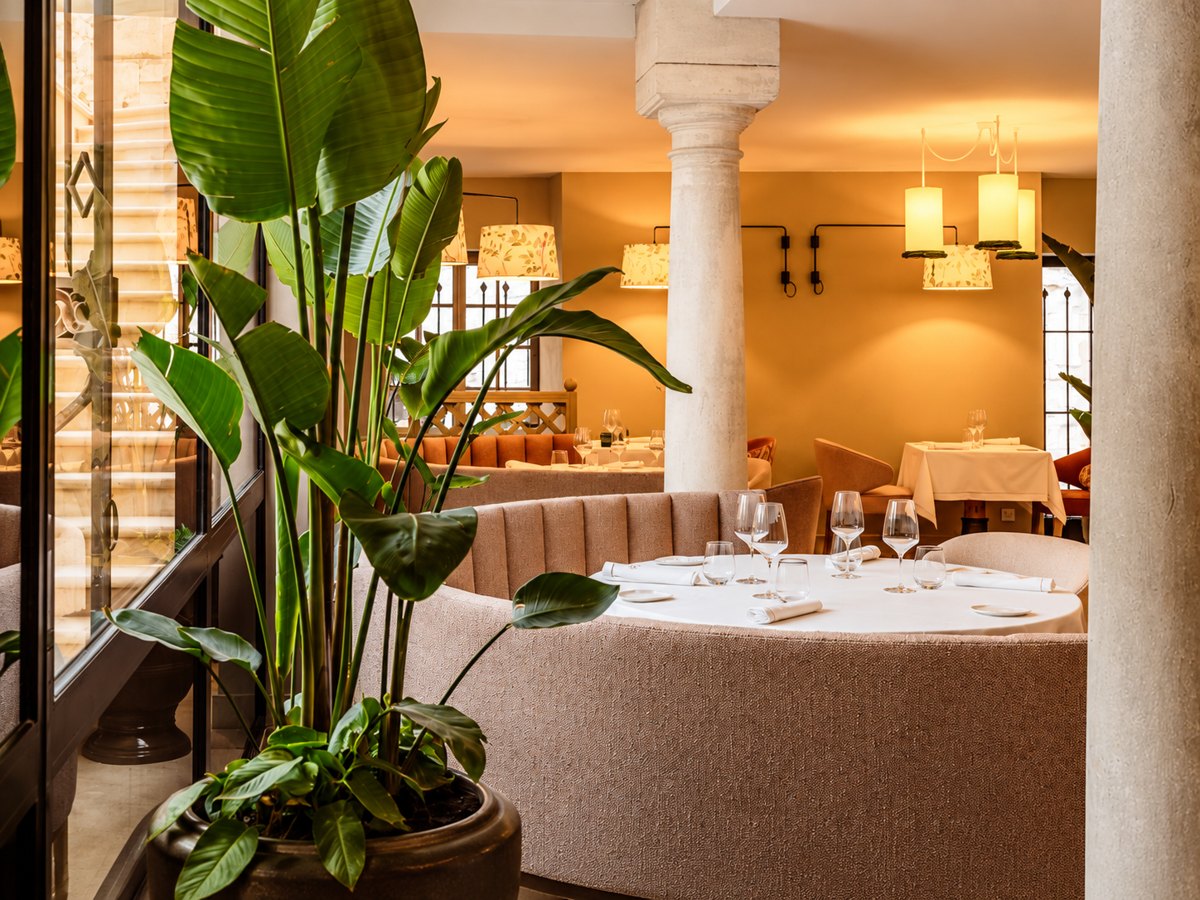
La Table d’Uzès, led by Christophe Ducros, is now located on Place de l’Évêché, close to the hotel La Maison d’Uzès. The restaurant has moved into a new setting, so an older reference to dining inside the hotel at Rue du Docteur-Blanchard can lead you to the wrong entrance. Use the current restaurant address and booking confirmation. Its warm dining room and terrace arrangements make it a deliberate meal stop within an Uzès day.
The official information currently lists service from Wednesday lunch through Sunday evening; verify your chosen date and the exact reservation time. Ask about the menu, dietary requirements and whether your table is indoors or outside. A cathedral-view terrace shown in promotional material is not a guarantee for every booking. Leave time to walk from parking or your hotel, especially on market mornings. The generated illustration follows the inspected dining-room reference and is labelled as representative.
AI-generated illustration based on inspected official visual references. Representative setting; consult the establishment’s current photographs for your booking.
Seasonal cooking near the Arènes
SKAB
SKAB is a restaurant close to the Arènes and Musée de la Romanité, led by Damien and Séverine Sanchez. It suits a Nîmes day built around heritage and a substantial seasonal meal. The interior has an intimate setting, while the patio is an option to discuss for suitable weather. Its central location makes it possible to keep sightseeing and dining within the same part of the city rather than filling the day with extra journeys.
Book directly and check the service calendar. The restaurant currently lists lunch from Tuesday to Saturday and dinner on Wednesday, Friday and Saturday, with dated exceptions published separately. Confirm the current menu and any dietary adaptations in advance. Ask about the patio if that is a priority, including an indoor alternative. Allow the meal enough time instead of scheduling a museum entry immediately after it. The representative illustration is based on the official interior reference.
Two Nîmes hotels and one Uzès base offer different ways to organise the trip. Select by the evenings you want, transport and actual room arrangements. Star categories describe the establishments; the six hotel and restaurant images are clearly labelled representative illustrations.
AI-generated illustration based on inspected official visual references. Representative setting; consult the establishment’s current photographs for your booking.
Five-star · central Nîmes
Maison Albar – L’Imperator
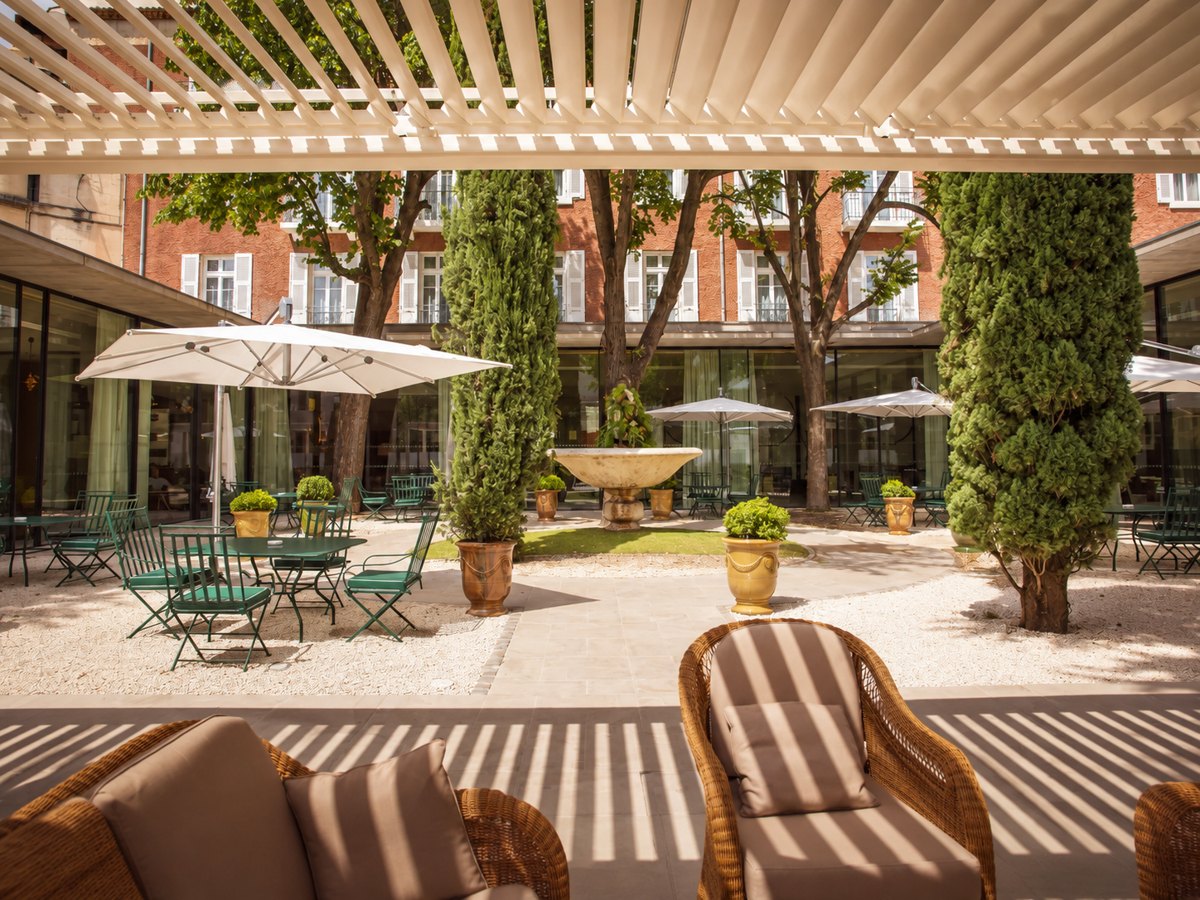
L’Imperator is a five-star city hotel close to the Maison Carrée and Jardins de la Fontaine. Choose it for a central base with several hotel spaces and dining options, including DUENDE. The courtyard reference gives a sense of its setting without showing every room category. It is a practical choice for travellers who want to walk out into Nîmes and return between visits, rather than driving into the centre each day.
Compare the hotel’s rooms, suites and separate private-house categories carefully. Ask what pool or spa access your booking includes and whether any facilities need a reservation. Confirm the parking or arrival service, vehicle instructions and costs before driving to the hotel. For mobility needs, discuss the complete route from arrival to your room and the amenities you want to use. A representative garden illustration should not be taken as the view from your accommodation.
AI-generated illustration based on inspected official visual references. Representative setting; consult the establishment’s current photographs for your booking.
Five-star · a smaller Nîmes retreat
Jardins Secrets
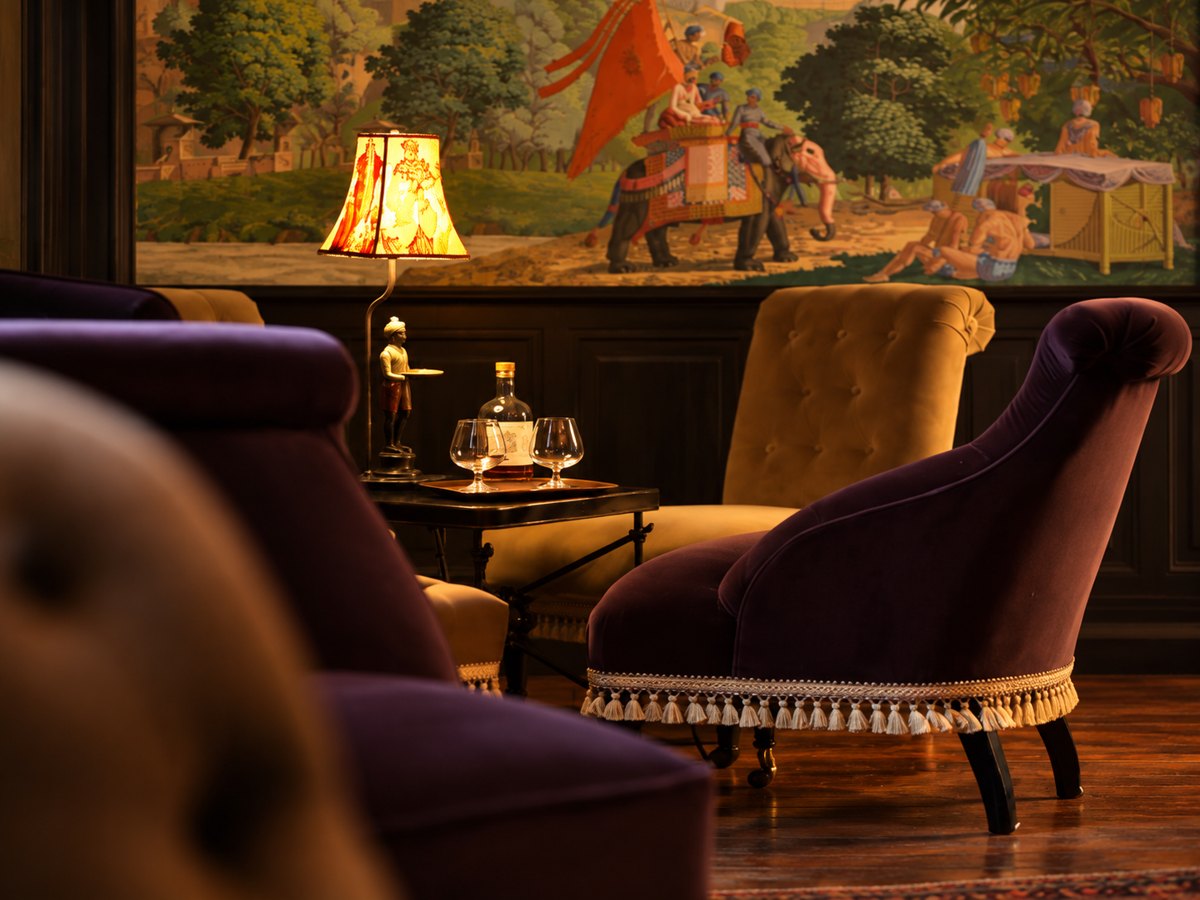
Jardins Secrets is a five-star boutique hotel on Rue Gaston-Maruejols, with a Mediterranean garden, pool and distinctive antique-furnished interiors. It suits travellers who want a more individual hotel atmosphere alongside a cultural Nîmes stay. The generated visual follows a specific salon reference, with dark upholstery, period furnishings and decorative wall art. It conveys that room’s character without representing the layout of every guest bedroom.
Check your exact room category and its current photographs, then ask about air conditioning, stairs, bathroom access and quiet-room preferences. Pool and spa arrangements should be confirmed for the season and your booking. Organise parking or a luggage drop-off before arrival rather than expecting a space immediately outside the entrance. For a short visit, balance time enjoying the hotel against the monuments you want to see; the setting is most rewarding when you leave room to use it.
AI-generated illustration based on inspected official visual references. Representative setting; consult the establishment’s current photographs for your booking.
Four-star · historic Uzès
Boutique Hôtel Entraigues
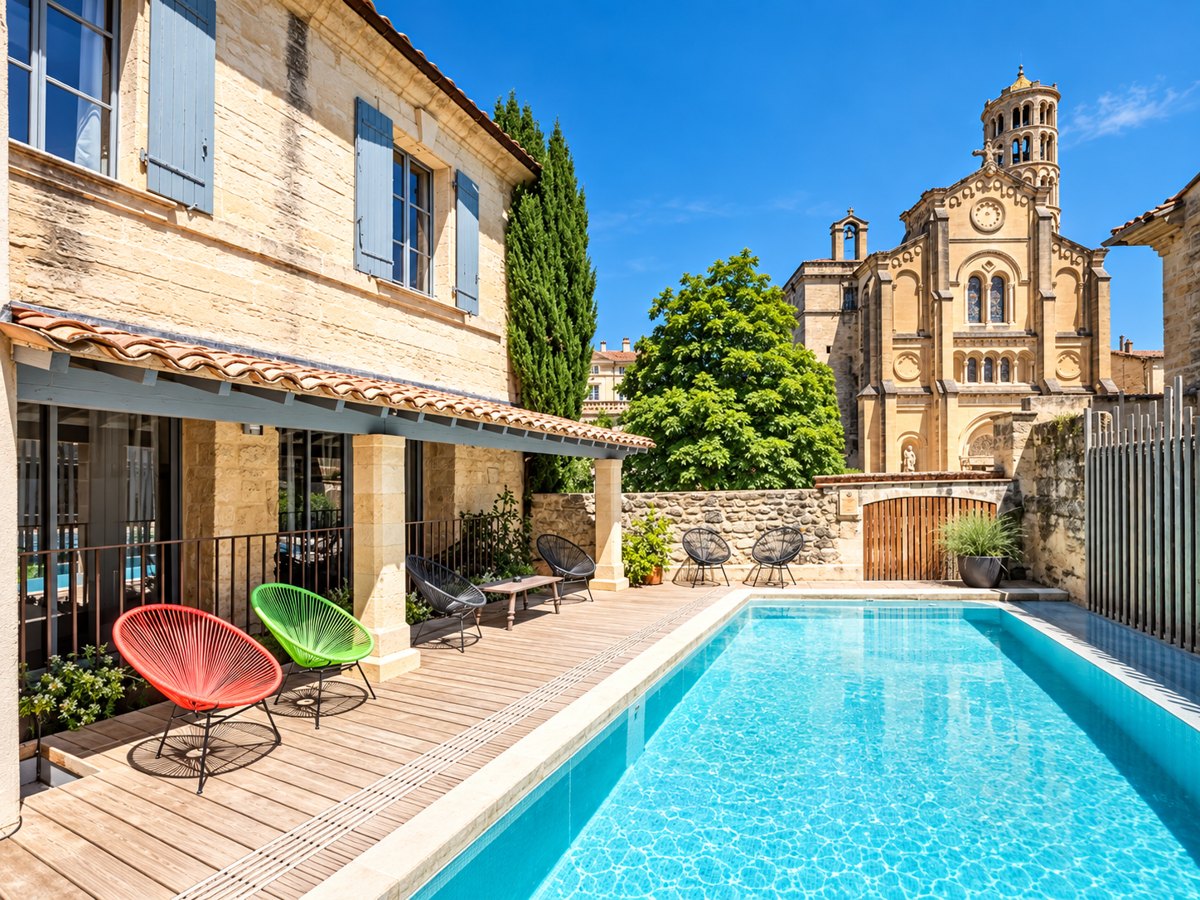
Entraigues provides a four-star base in the historic centre of Uzès, in a former private mansion that combines exposed stone and contemporary elements. Its Rue de la Calade location suits walking through the town, market visits and evenings that remain in Uzès. The hotel has an outdoor pool and panoramic terrace; the illustrated reference shows one pool-side view towards the cathedral setting, not a guaranteed outlook from every room.
Private parking is limited: the official hotel information lists four paid spaces, exclusively by reservation. Arrange one directly if needed and keep the arrival instructions with you. Ask about pool operation, room access, stairs or lift arrangements and the specific category you are considering. Staying in Uzès means that rail arrival and visits to Nîmes or the Pont du Gard need their own transport plan. Confirm those connections before choosing this base solely for its historic setting.
A good period for heritage visits and town walks, with an indoor alternative for wet days. Check the event calendar before relying on an Arènes visit, especially around major city celebrations. Book the meal or room you most want before fixing the rest of your route.
June–August
Summer
Plan outdoor walking early when practical, take water and leave time for shade and an unhurried lunch. Concert preparations can affect monument access. Choose one substantial visit per half-day rather than treating longer daylight as a reason to fit in every regional stop.
September–November
Autumn
A rewarding season for markets, archaeology and the river landscape. Event dates and museum calendars still matter. From November, the normal Romanité museum schedule changes, including Tuesday closure. Check weather and the condition of outdoor paths before adding a longer walk.
December–February
Winter
Build a shorter stay around confirmed museum openings, central heritage and good meals. Expect reduced daylight and verify seasonal operation of outdoor facilities. Uzès and the Pont du Gard remain worthwhile, but transport frequency and cultural-space opening should be checked for the specific day.
How long to stay
One full day
Focus on Nîmes. Choose the amphitheatre and either the Maison Carrée interior or the Romanité museum as your main visits. Add lunch and a garden or old-town walk, adjusting to openings. A day trip is more satisfying when you finish a coherent central route than when you attempt all three destinations.
Three to four nights
Give Nîmes a full sightseeing day, Uzès another and the Pont du Gard a separate half-day or longer. Arrival and departure times determine whether the shorter outing fits comfortably. A market morning or booked gastronomic meal may set the order, so choose those dates before filling the remaining time.
Five nights or more
Leave room for a slower museum visit, an optional Vallée de l’Eure walk and time at your hotel. Further Gard outings can be considered after checking travel distances and opening calendars. A longer stay is also an opportunity to revisit a favourite square or landmark at another time of day.
Getting there & getting around
Choose the correct Nîmes station
Nîmes Centre is the historic station close to the central monuments. Nîmes Pont-du-Gard is a different station at Manduel, outside the city; its name does not place you beside the aqueduct. Read the full station name on the ticket before organising your hotel transfer. A connecting regional train can link the two Nîmes stations, but check the dated timetable and leave enough time for the connection.
From Nîmes Centre, choose walking, local transport or a taxi according to your hotel address, luggage and mobility. Central Nîmes can then be explored largely on foot. If arriving by road, arrange one parking base before entering the centre. An airport arrival requires its own onward-transfer plan, including the time needed to reach the city rather than only the flight duration.
Regional liO buses serve routes between the area’s towns, but departure days, stops and return times matter. Use the current timetable for your exact destination and date rather than assuming a frequent city-style service. The Pont du Gard’s official access page lists bus options from Nîmes and Avignon; check the walking approach from the stop as well as the bus journey itself.
A car gives more flexibility for combining the regional places, especially when a restaurant booking fixes your timing. It does not remove the need for parking and a walk at each stop. Without a car, a planned organised outing can suit a day where connections would otherwise be awkward. Confirm what the outing includes and how much time is actually left at each destination before booking.
The monument and museum information identify the paid Arènes parking as a central option. Compare it with your hotel’s own arrangements and choose by the actual walking route and vehicle restrictions. Once parked, keep the car in place for the central sightseeing day rather than driving between nearby monuments.
Uzès
Use a visitor parking option that fits your approach and check current city signs, charges and access restrictions. Market mornings can change the arrival experience, so leave extra time before a booked visit. Entraigues’s four private paid spaces require a reservation; a room booking alone should not be taken as confirmation of parking.
Pont du Gard
The site has visitor parking on both riverbanks, with a parking charge separate from cultural activities. Choose the bank that fits the planned route and check current conditions, opening and vehicle access. Overnight parking beyond the site’s closing arrangements is prohibited. Keep your ticket and follow the official exit-payment instructions.
Visit the Arènes in the morning after checking event access. Take lunch, then walk to the Maison Carrée and continue towards the Jardins de la Fontaine. Choose an interior visit according to your interest and remaining energy. Add the tower only if you want the climb and have checked the closing time.
Archaeology & central streets
A museum-led Nîmes day
Begin at the Halles if the morning fits, then give the Romanité museum a proper visit. Have lunch and spend the afternoon on one outdoor landmark or a guided walk. Finish with a booked restaurant. This works well when you prefer deeper interpretation to climbing several historic structures.
Choose Wednesday or Saturday
An Uzès market day
Arrive in time to browse the market, then have lunch and follow the heritage streets. Add one booked interior or guided visit with a generous margin. Confirm the return transport before entering the town. Leave the Pont du Gard for another outing if you want to enjoy Uzès without watching the clock.
The crossing & one chosen activity
A Pont du Gard outing
Start with the ground-level site and bridge views. Choose the museum, a guided channel visit or an outdoor landscape walk according to interest and access needs. Leave time for lunch or a break. If adding Uzès, limit the town visit to a short walk and a meal rather than several ticketed attractions.
Practical details that make the stay easier
Before you arrive
Check the Arènes event calendar, the museum opening day and any booked guided visit before fixing the itinerary. Keep restaurant confirmations with the correct address, especially for La Table d’Uzès. Ask hotels about parking, room access and seasonal facilities directly. Read both arrival and return transport times; a convenient outbound bus is only half the plan.
For mobility needs, discuss the full visit rather than relying on a general accessibility label. The Romanité museum offers an adapted route and lifts. At the Pont du Gard, cultural spaces and ordinary routes differ from the upper-channel guided visit, which involves stairs. Historic towers and elevated monument routes in Nîmes and Uzès also have their own limitations. Choose the experiences that suit your party and confirm assistance arrangements beforehand.
During the visit
Wear comfortable shoes for paving and outdoor paths, and carry water for warmer days. A garden or riverside break should leave you rested rather than become an unplanned long hike. Follow current local signs for weather-related closures or river conditions. Respect church services and photography rules in museum interiors. Ask before photographing people at market counters.
Leave room for lunch, queues and the walk from parking to the entrance. Check restaurant service times rather than assuming continuous dining; the three selected addresses use specific reservations. Keep bags modest for ticketed visits and ask about any cloakroom restrictions. Before heading to the station, verify its exact name and the route from your final stop so an enjoyable last visit does not compromise the departure.
Find the Gard’s own pace
Look outside before going inside. A walk around the Arènes or Maison Carrée helps you read the building before following its visitor interpretation.
Let one market set the day. An Uzès morning is easier to enjoy when lunch and the heritage walk remain in the same town.
Keep the aqueduct story connected. Nîmes’s Roman history, the Pont du Gard and the Eure spring explain different parts of the same wider landscape.
Choose your evenings before your base. Central Nîmes and historic Uzès offer different stays; the return after dinner often matters more than a short daytime drive.
Frequently asked questions
Is Nîmes Pont-du-Gard station beside the aqueduct?
No. The station is at Manduel outside Nîmes. Check the onward connection to Nîmes Centre or your chosen destination; the aqueduct site requires a separate transfer.
Can I visit Nîmes without a car?
Yes. Nîmes Centre station is convenient for the central city, and major sights can be combined on foot. Uzès and the Pont du Gard need dated bus connections, a car or an arranged outing.
Is the Pont du Gard free to visit?
The outdoor site is freely accessible, including for pedestrians and cyclists. Parking, cultural discovery spaces and guided activities have separate charges and conditions.
Which day should I choose for the Uzès market?
Saturday is the larger traditional market; Wednesday is the producers’ market. Both take place in the morning. Check the current calendar and holiday arrangements.
Are the Arènes always open for sightseeing?
The monument normally opens throughout the year, but events and preparations can change access. Consult the dated closure calendar before building a visit around it.
Where is La Table d’Uzès now?
The restaurant is on Place de l’Évêché, close to La Maison d’Uzès hotel. It has moved, so use the current restaurant entrance and booking details rather than an older hotel address.
Are the establishment images booking photographs?
They are labelled AI-generated illustrations based on inspected official references. They convey selected settings, while current room, table and facility details should be checked on the official websites.
Make the Gard part of your France trip
France. Well Planned.
A heritage stay with time to enjoy it.
Combine Nîmes, Uzès and the Pont du Gard with the Occitanie places that interest you, then shape the trip around comfortable travel days, a well-chosen base and the visits and meals you most want to experience.
Information reviewed on 4 October 2026. Visit durations are editorial planning estimates. Opening calendars, transport, menus, prices and hotel facilities may change; use the official links to confirm your dates.
Six documentary photographs are credited individually with their author and licence. They record their subjects at the time of photography; surrounding streets, displays and visitor arrangements may since have changed. Images have been resized and display crops may apply, with share-alike terms applying where stated. Six establishment illustrations were generated from inspected official references and are clearly labelled. Use each establishment’s current official photographs for a room or dining selection.