Pink brick, good food and a city looking toward the sky.
Walk from the Capitole to the Garonne, discover the city’s great churches and courtyards, then choose a day of space exploration or extraordinary machines. Our guide helps you build a relaxed stay around the places that interest you.
Best forHeritage & discoveryBrick architecture, markets, art and space attractions.
Stay2–3 nightsAdd a day for each major attraction beyond the centre.
City rhythmWalk + public transportA compact historic core with separate outer districts.
Good seasonsSpring & autumnComfortable walking days; allow for changing weather.
Toulouse rewards time on foot. Its pink brick changes with the light, while the streets around the Capitole, the Carmes and Saint-Sernin give each part of the centre a distinct rhythm. It is easy to spend a morning looking up at façades and a long lunch discovering the southwest through its food. Leave the Garonne for a later walk when you want more open space.
The city works well for a first Occitanie stop, a long weekend by train, or a family stay combining history with hands-on discovery. Most central sights can be grouped into short walking loops. The Cité de l’espace and Montaudran belong on separate parts of the schedule: they are destinations in their own right, with transport time and programmes to consider.
Stay centrally if your priority is restaurants and heritage. Choose a hotel only after checking its precise street, parking arrangements and room category. For a short visit, a location that lets you return for a rest can be more useful than a larger room outside the city. Reserve one substantial dinner or museum visit, then keep the remaining hours flexible.
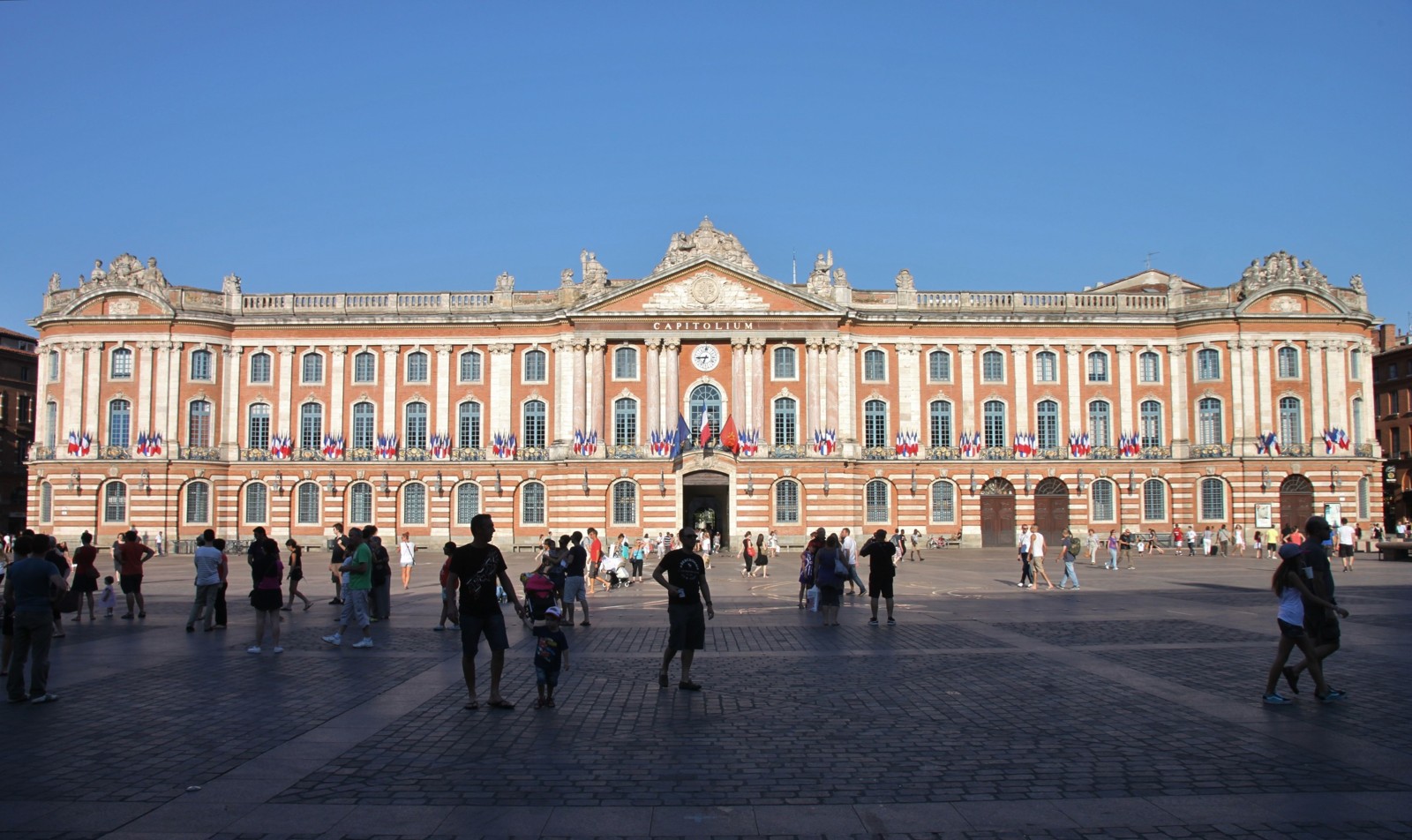
Begin on Place du Capitole to understand the scale of the city’s civic centre. The building combines the town hall and theatre; its façade is the backdrop to a square that remains part of everyday Toulouse life. Enjoy the architecture before crossing into the smaller streets toward the Taur or the Jacobins.
Allow 30–60 minutes for the square and a possible visit to the historic rooms, including the Salle des Illustres when accessible. Civic events can affect access, so verify the day’s arrangements rather than building a timed plan around an assumed opening. A café stop here is useful for orientation, though quieter streets make an appealing alternative for lunch.
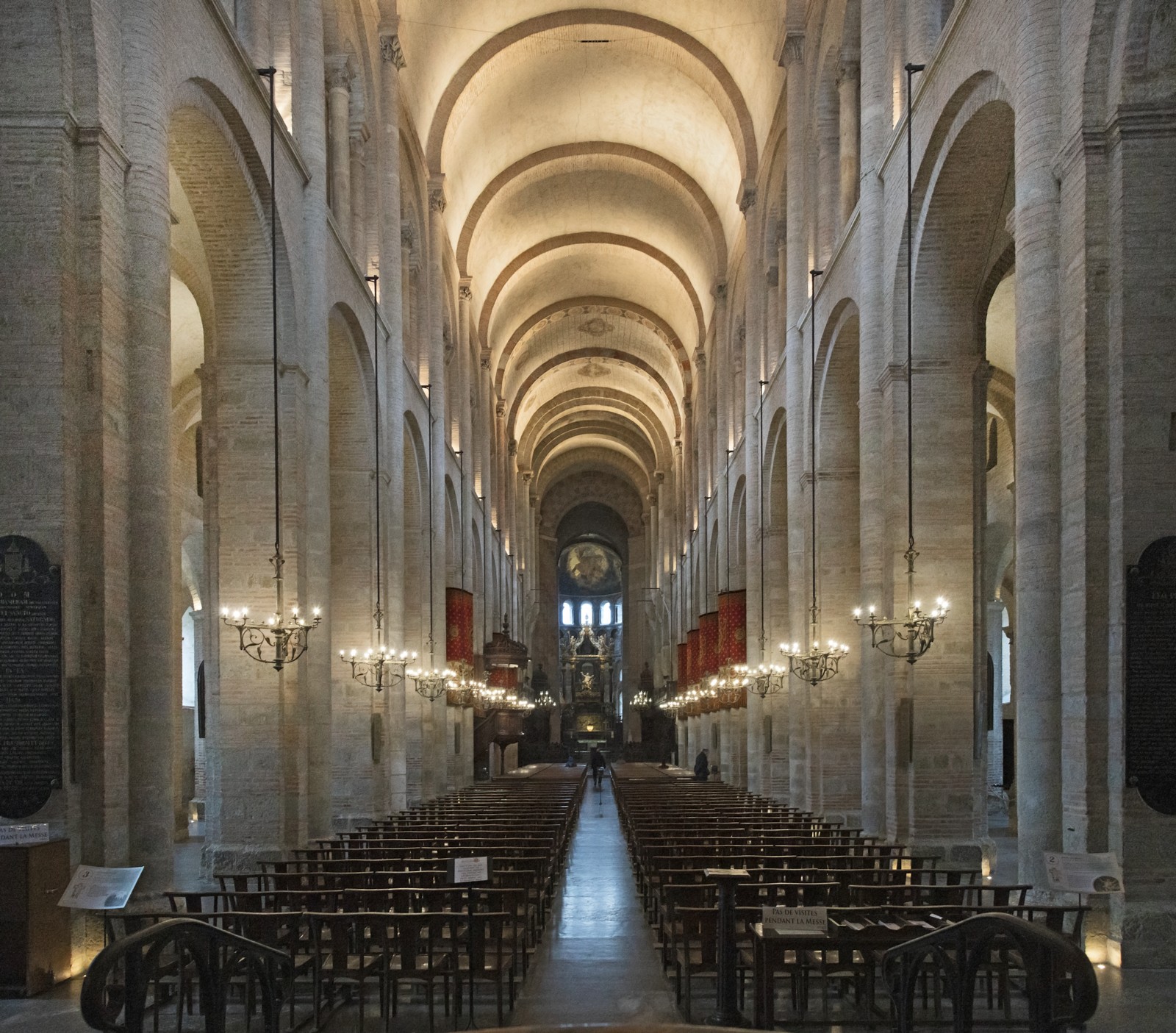
Walk north along the Rue du Taur to Saint-Sernin. Its Romanesque architecture and pilgrim heritage make it one of Toulouse’s essential visits. The nave shown here helps explain why it deserves more than an exterior photograph: step inside, look along the arches and pause in the quieter parts of the church.
Allow 45–75 minutes as a planning estimate, with additional time if you choose a guided visit or separate heritage areas. This is an active place of worship, so services take priority and respectful dress and quiet behaviour are appropriate. Combine it with the northern centre rather than immediately crossing the city for another attraction.
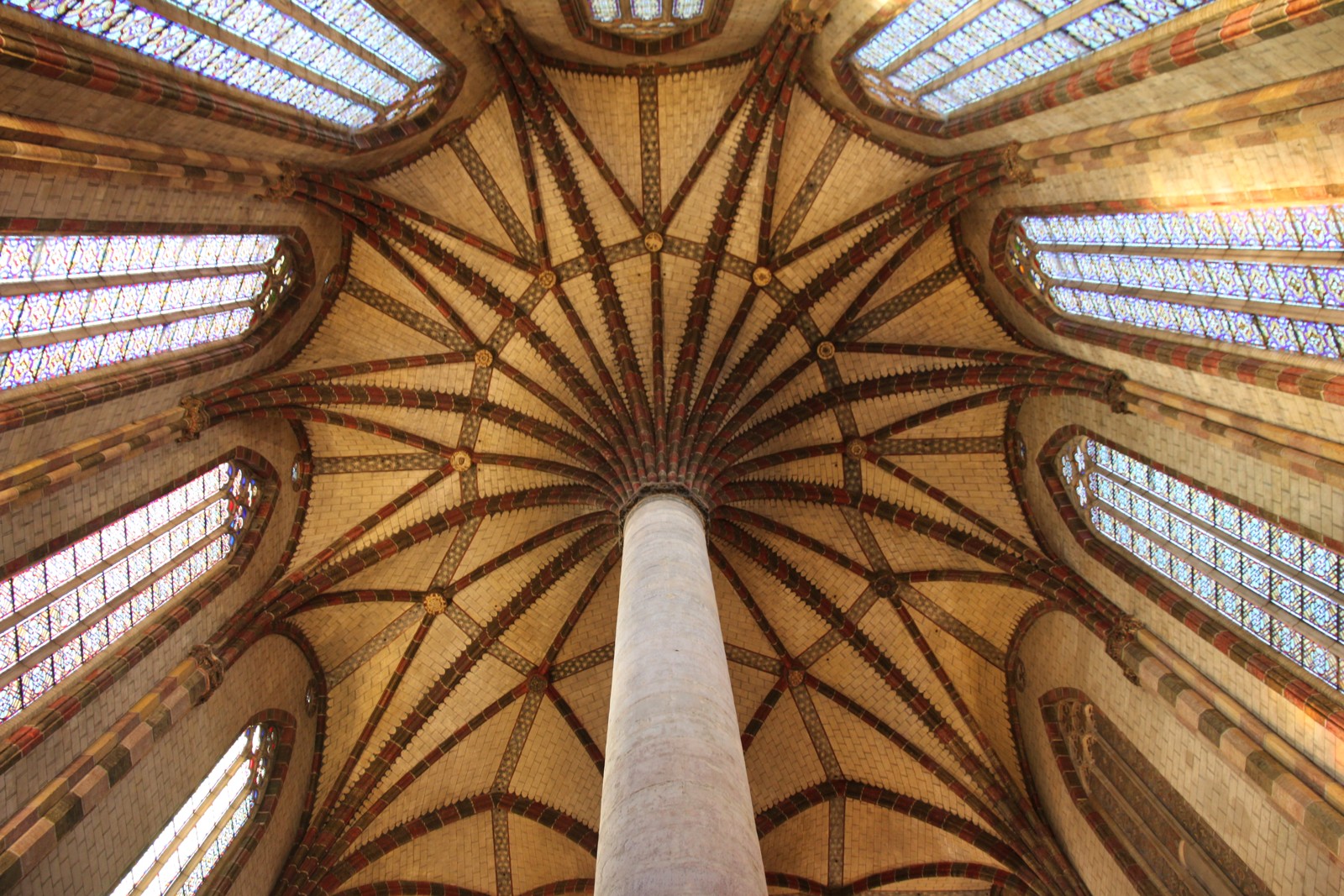
The Jacobins offers a different architectural experience from Saint-Sernin. Its celebrated palm-shaped vault turns a supporting column into the centre of an intricate canopy. Spend time observing the ribs and the light rather than treating the church as a quick stop between other landmarks.
Plan roughly an hour, or longer for the cloister and any temporary exhibition. Different areas may have separate admission conditions. Check the visitor programme before arrival, particularly if you want a guided tour. The site fits naturally between the Capitole and the river, making it a useful anchor for a central walking afternoon.
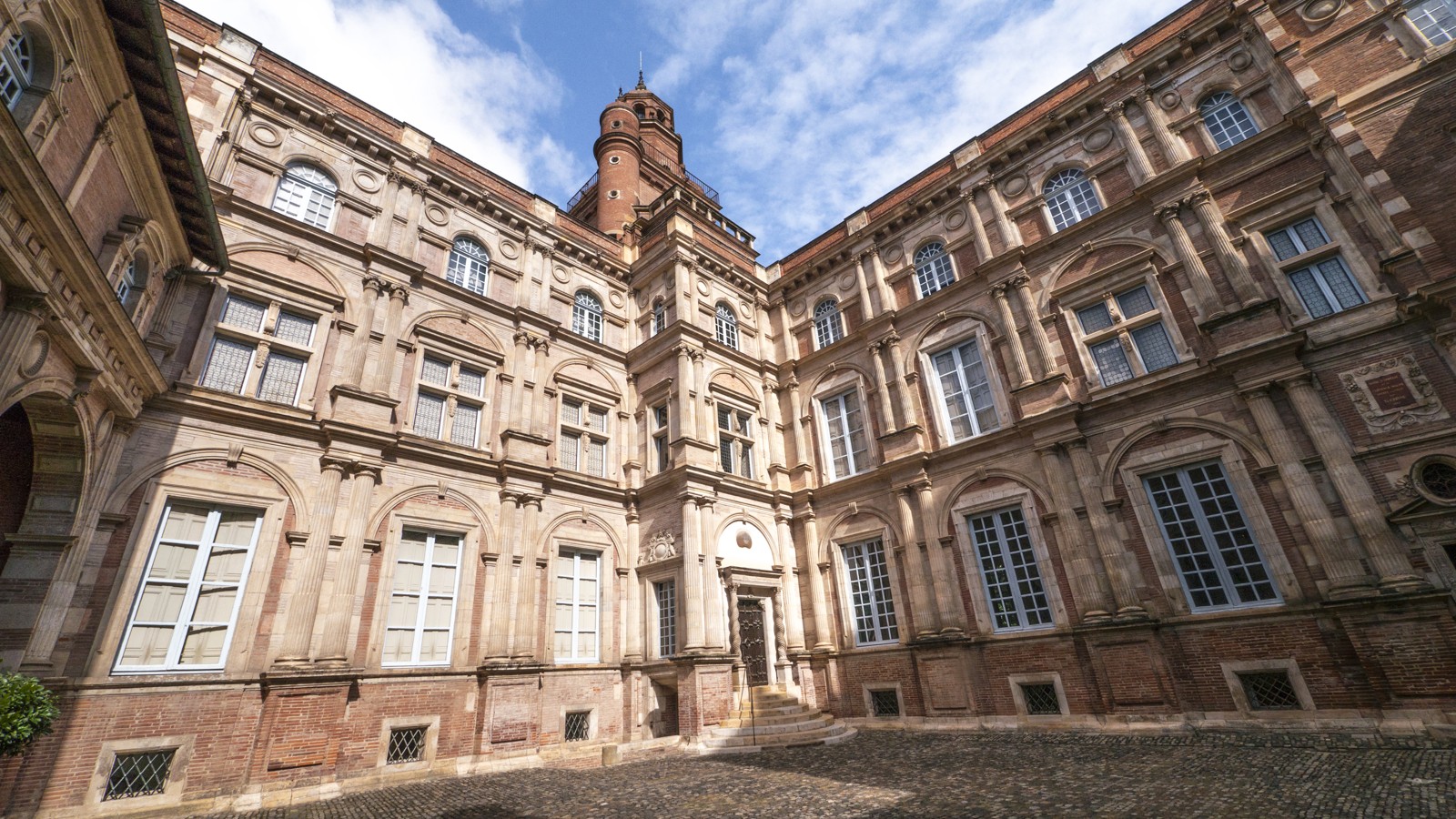
The Hôtel d’Assézat is a historic mansion, rather than a hotel where you can book a room. Its courtyard introduces another side of Toulouse: the wealth and ambition expressed through Renaissance architecture. The Fondation Bemberg makes this a rewarding art stop, especially when you want to combine the building with time indoors.
Allow 90 minutes to two hours if visiting the collection; a courtyard pause alone needs much less time. Check the foundation’s current calendar because Monday access changes by season, and temporary exhibitions can have a different ticket from the permanent collection. Pair the visit with the Carmes quarter and an unhurried lunch.
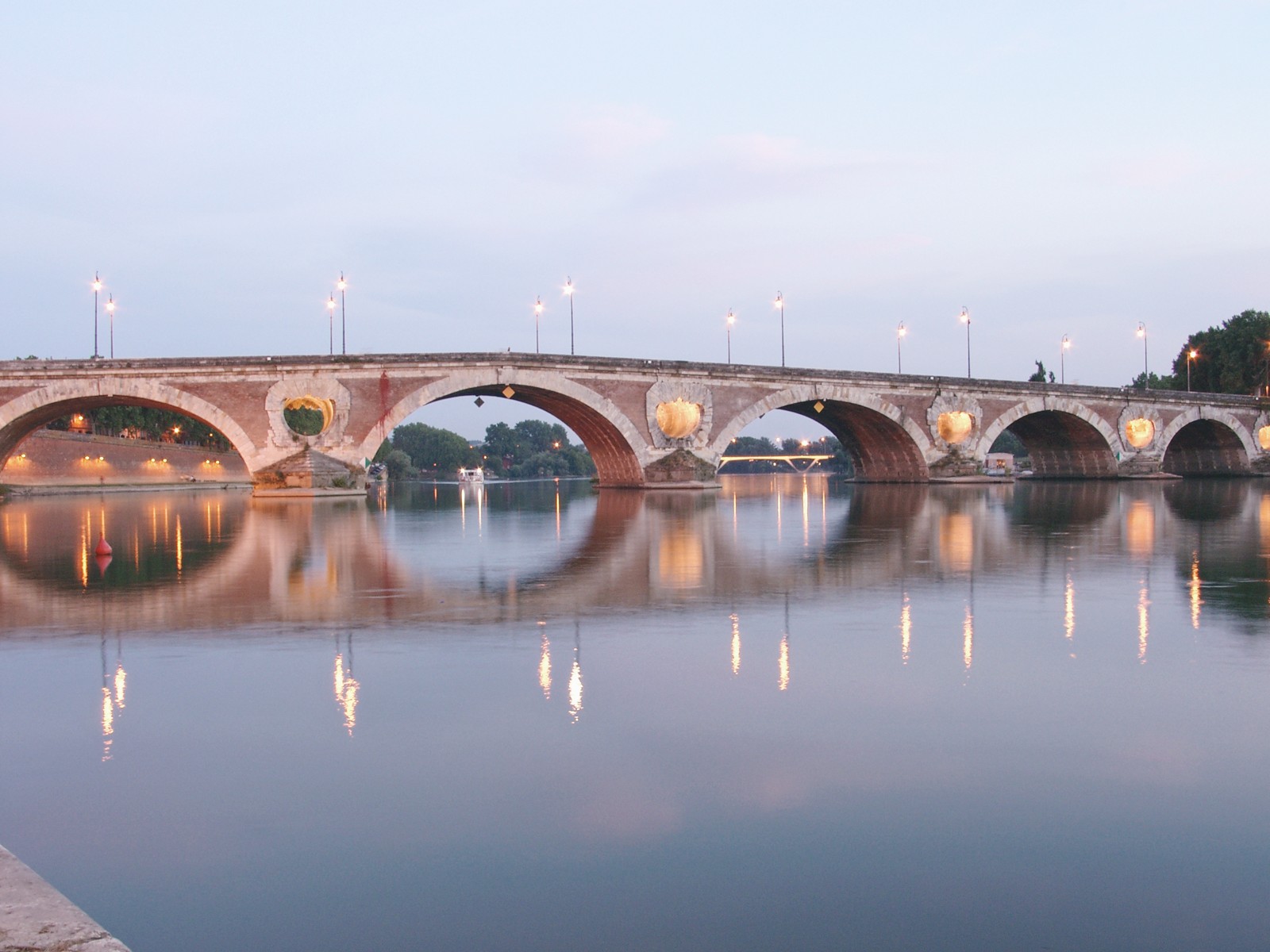
The Garonne gives the city a wider horizon after the narrow streets of the centre. Make the Pont-Neuf part of a walk, with time to look back toward the brick façades and riverbanks. A riverside pause is particularly pleasant when the afternoon light softens, but the weather should decide how long you linger.
Allow 45–90 minutes for a relaxed circuit, adding more if you stop on both banks. Follow accessible public paths and respect any flood-related closures. Lower river paths can differ from the street-level route; if steps are a concern, plan a route using the upper quays. This is a scenic walk, not a swimming recommendation.
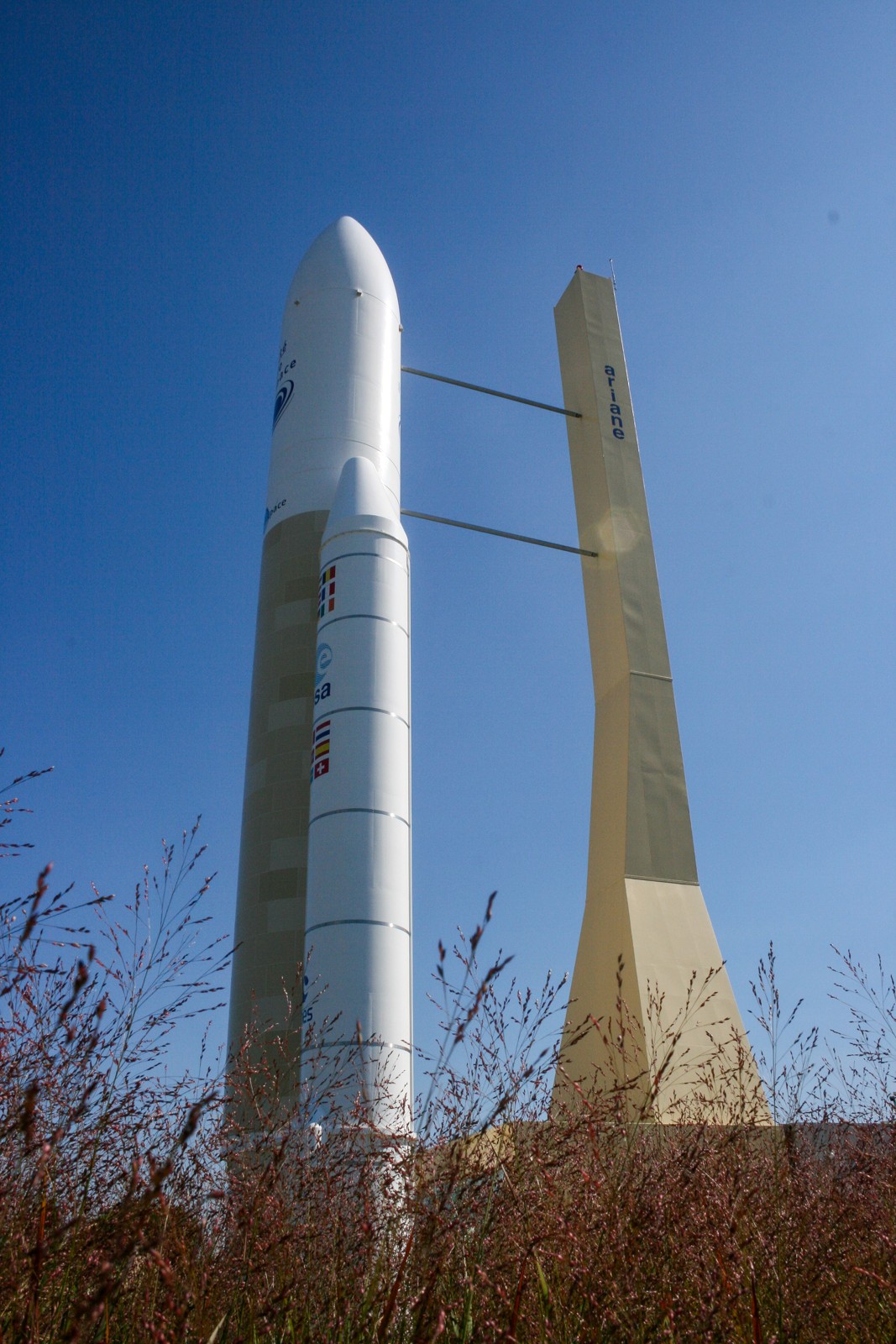
The Cité de l’espace brings Toulouse’s connection with space exploration into a visitor experience through exhibitions, large-scale objects and a changing programme of activities. The Ariane replica pictured here is an archival view of an identifiable attraction, rather than a promise about today’s full site layout.
Allocate most of a day if space is a priority, especially with children who want time for demonstrations and screenings. Look at the day’s programme before choosing the order of activities, and check the seasonal opening calendar before booking. It lies outside the historic centre; plan both the outward trip and the return rather than attaching it to a rushed heritage afternoon.
Start at Saint-Sernin, follow the Rue du Taur toward the Capitole, then continue to the Jacobins and the Garonne. This sequence gives the day a clear shape without needing to count every minute. Choose one substantial interior visit in the morning and another after lunch; leave the other stops as short explorations.
Think of this as a half-day to a full day depending on your museum choices and meal breaks. A guided city walk can be a good first-day investment if you enjoy context, while independent travellers can use the tourist office’s walking routes. Comfortable shoes matter more than a long checklist.
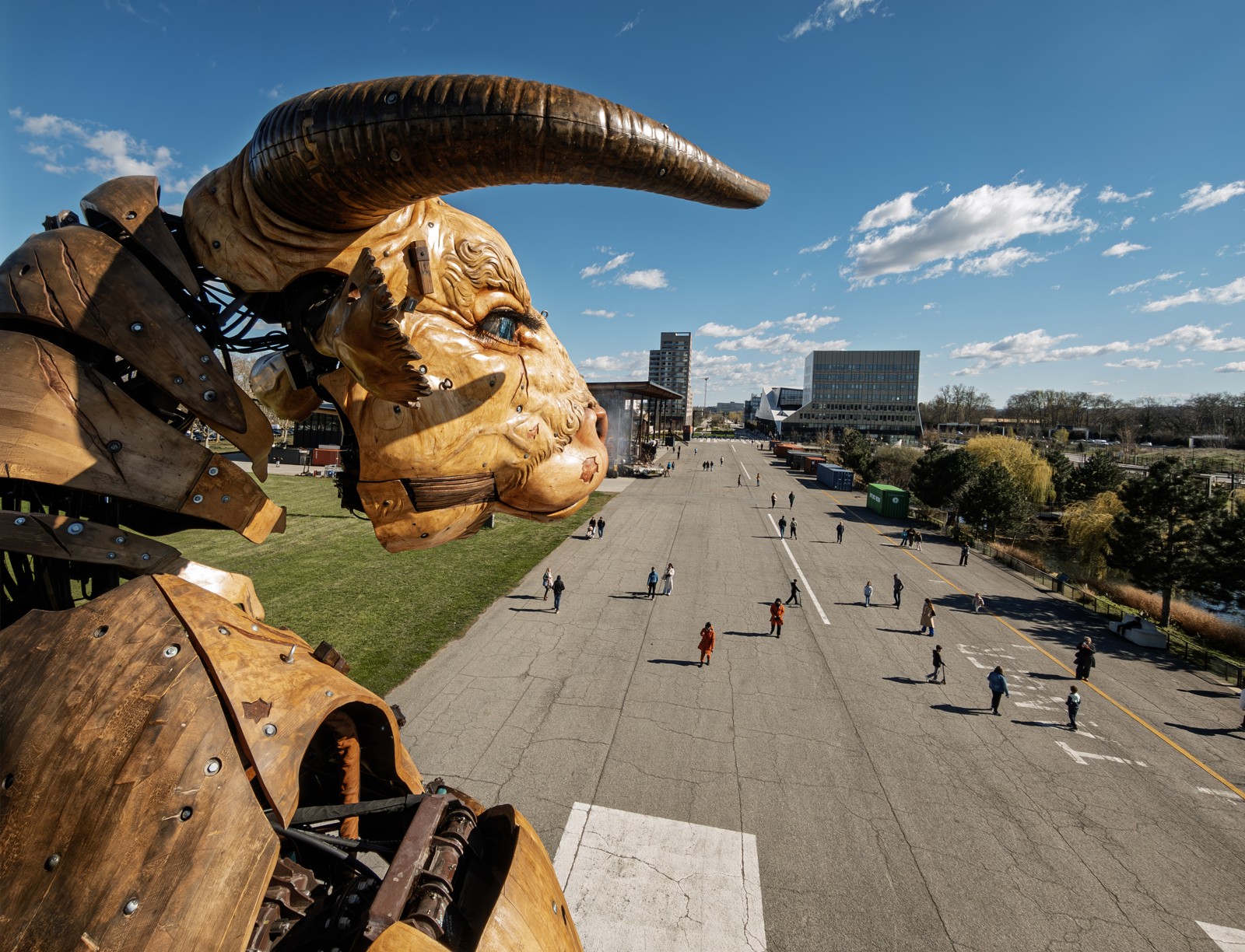
Montaudran is a separate outing from the old town. The Halle de la Machine introduces the craft and mechanics behind extraordinary moving creations; the Minotaur journey is a distinct experience with its own booking and departure arrangements. Check what is included in the ticket you choose.
Allow at least a half-day including transport and waiting time. For aviation history, consider L’Envol des Pionniers as an additional visit rather than an automatic short stop. The official combined ticket suggests 1½ hours for the Halle and two hours for the museum, before any Minotaur journey. Verify accessibility and boarding arrangements directly if anyone in your party needs assistance.
Choose a leisurely lunch around the Carmes, visit the Fondation Bemberg, then walk toward the river. This is an appealing alternative when you prefer art, architecture and neighbourhood atmosphere to another major outer-city attraction. Keep time to notice small shops and façades along the way.
Reserve lunch if you have a particular restaurant in mind. Confirm the museum calendar before making it the centre of a Monday plan, and let the weather decide whether the river walk comes before or after the indoor visit. A good afternoon here can be built around two places and a meal.
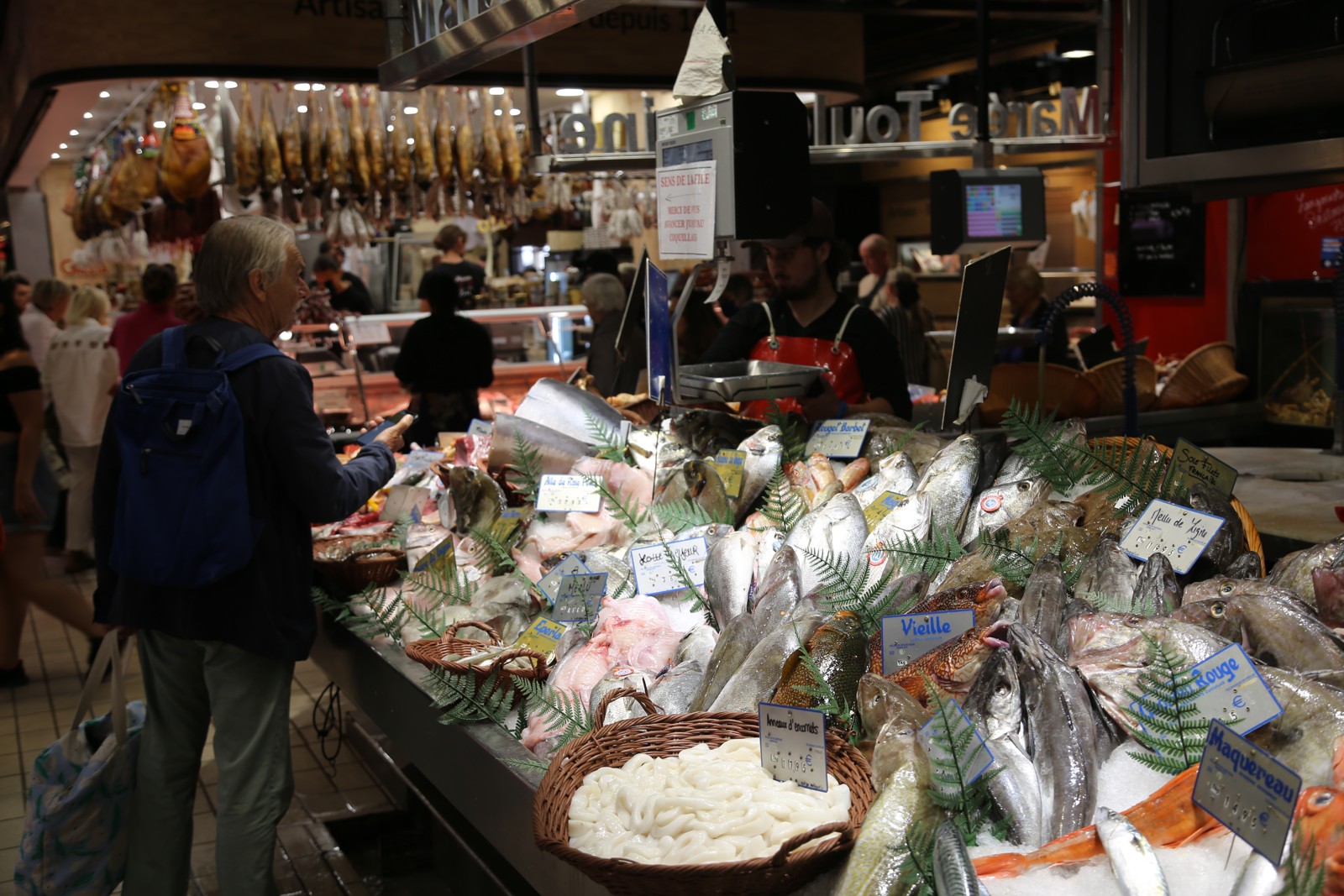
Victor Hugo is the natural market stop for food-minded visitors. Walk through the covered hall before deciding what to buy, notice the specialist stalls, and leave time to ask questions. It works best as a morning activity rather than something to add after a late lunch.
The city lists the covered market’s usual hours as 6am–2pm, Tuesday to Sunday. Individual stalls and holiday arrangements can vary. Restaurants above the hall make lunch an option, but their service hours are separate from those of the market. Arrive early enough to browse comfortably, then confirm availability with the restaurant you choose.
Build a picnic only if the rest of the day suits it: perishable purchases are awkward during a long museum visit or hot afternoon. For an easier plan, browse first, have lunch nearby, and buy food to take back to your accommodation on the return walk.
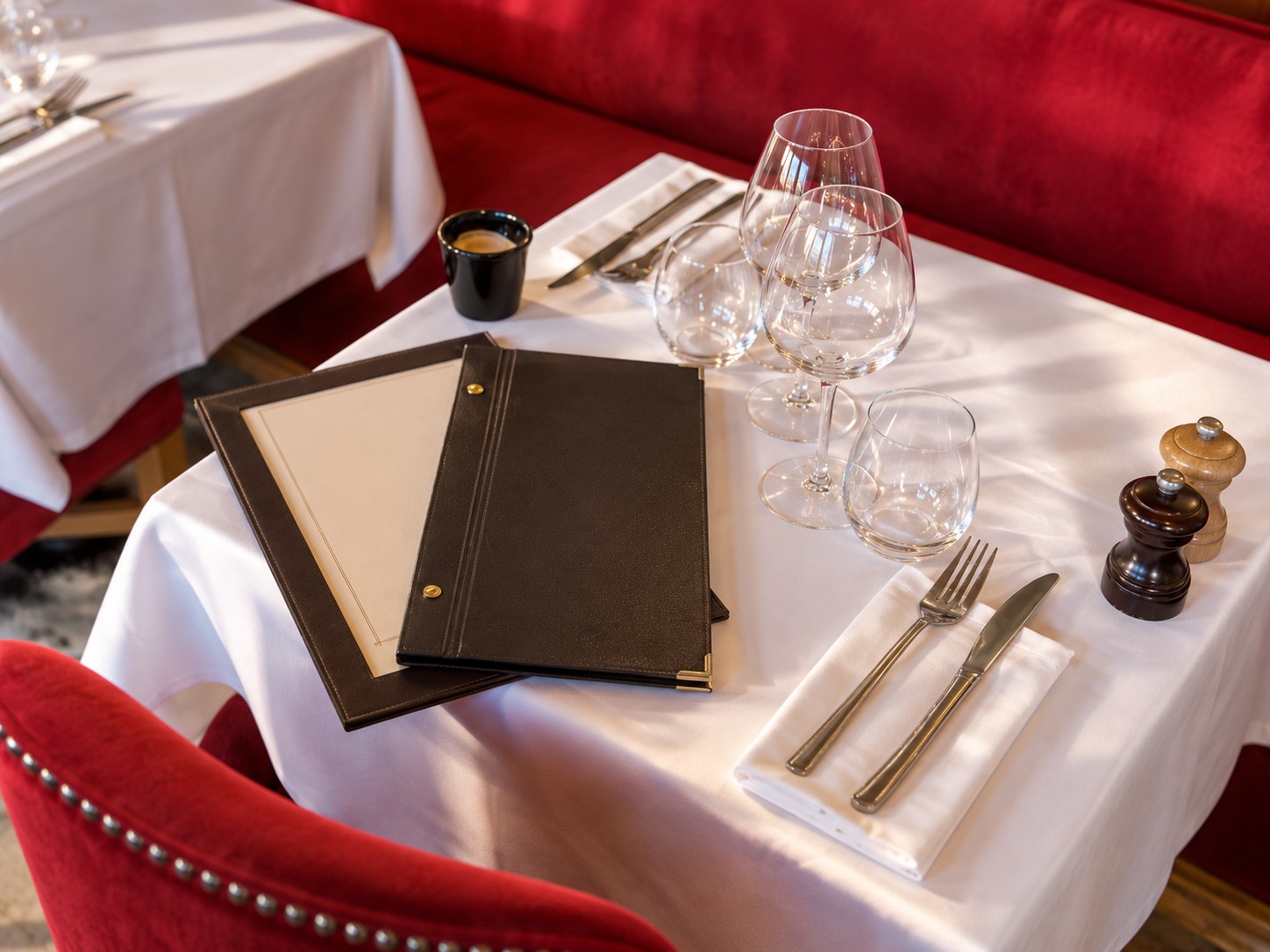
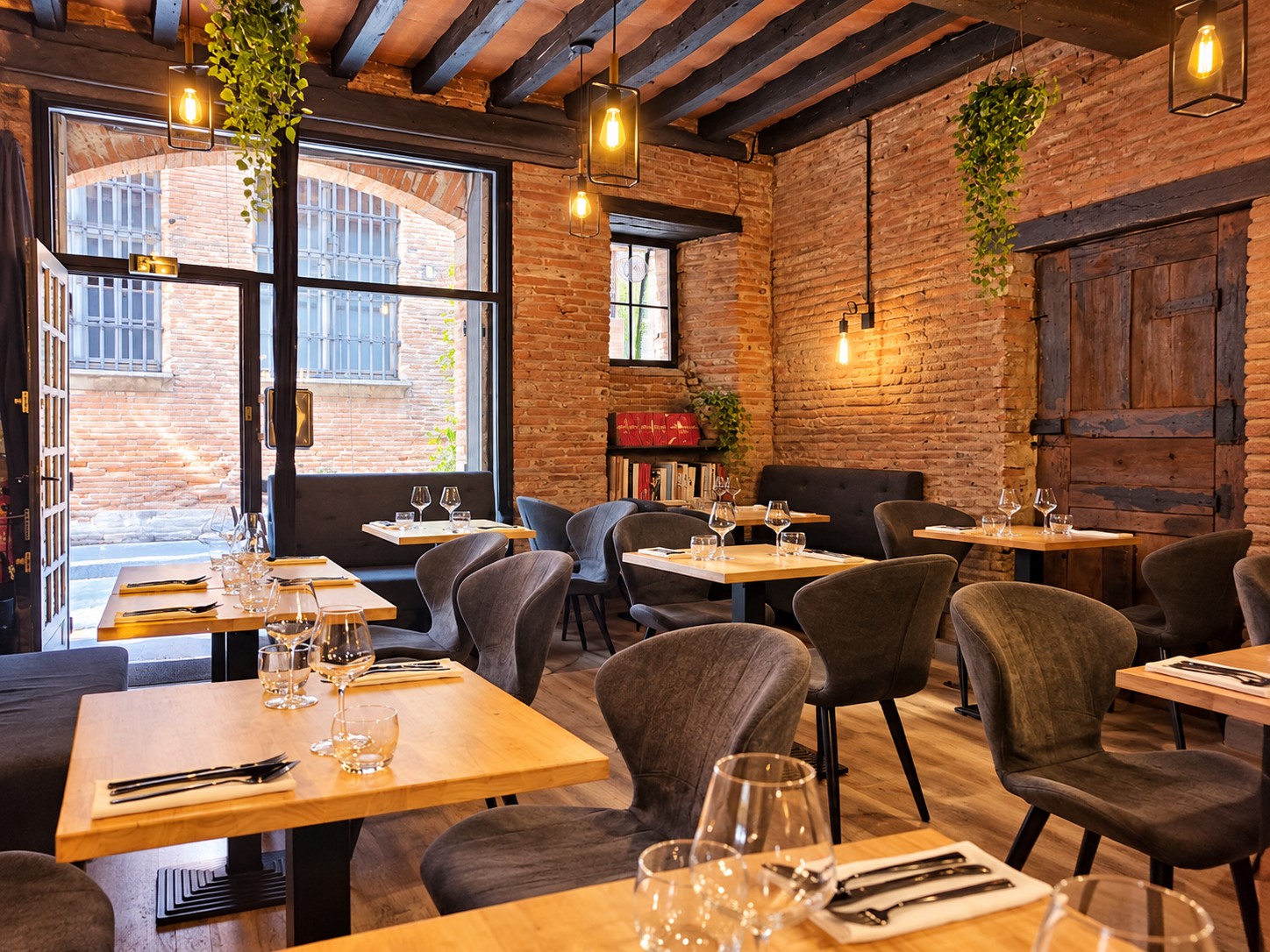
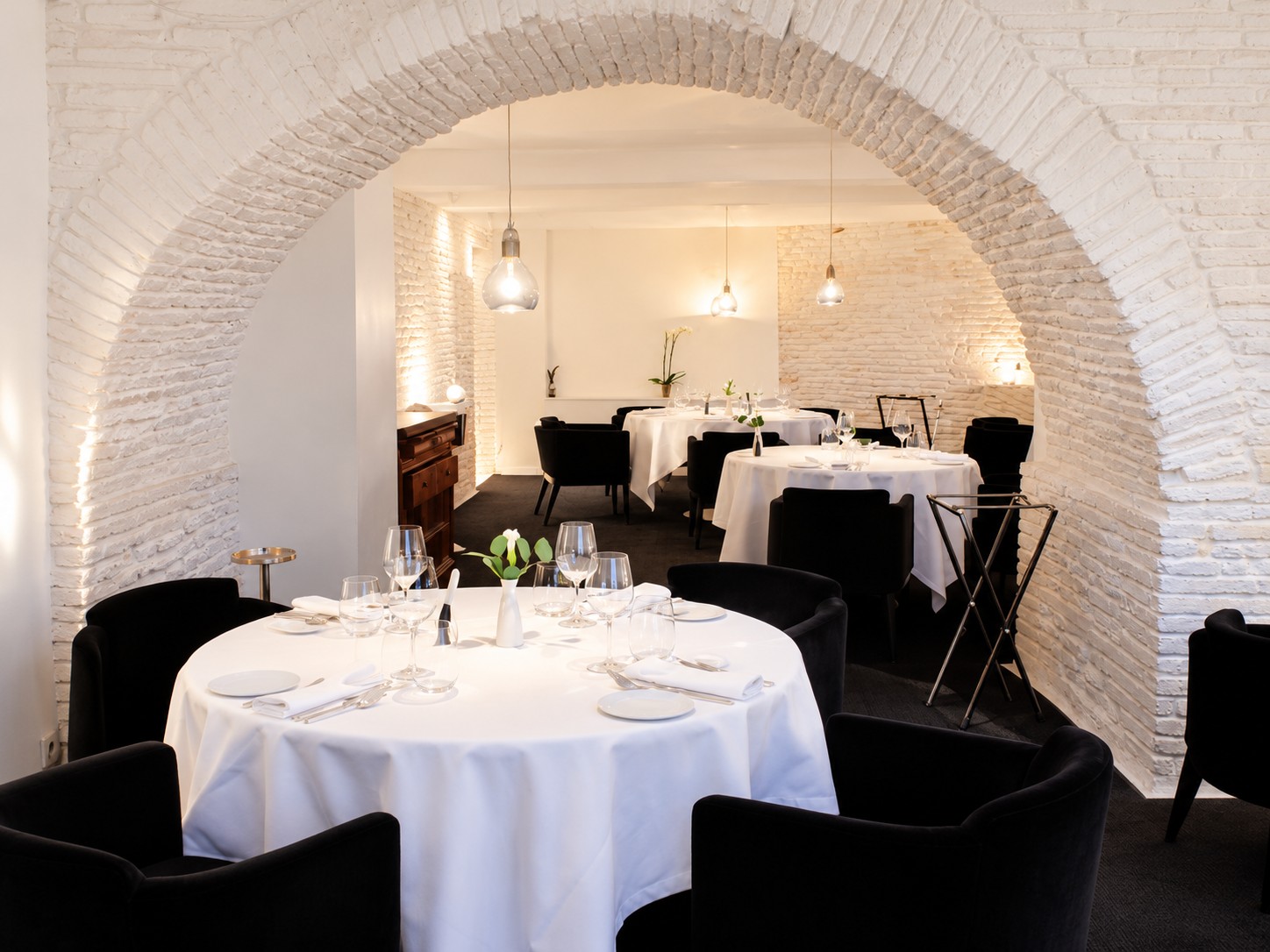
These addresses offer different settings and meal styles. Menus, service days and prices change; use the official links to reserve and confirm details. The images below are labelled representative illustrations based on the establishments’ references.
AI-generated illustration based on the establishment’s official visual references. Representative view; confirm the current room or dining space directly.
Historic brasserie on the square
Le Bibent
Choose Le Bibent when the setting is part of the occasion. Its historic décor and address on Place du Capitole make it an easy choice for a meal built into a central sightseeing day. Ask for the current menu and consider a quieter service time if you want to appreciate the room.
This is a prominent central address, so book ahead for the service you want and compare the menu with your budget. Confirm the table location if the interior is the main reason for visiting; a terrace reservation offers a different experience. Dietary needs should be raised at booking rather than left until arrival.
AI-generated illustration based on the establishment’s official visual references. Representative view; confirm the current room or dining space directly.
A smaller Carmes address
Une Table à Deux
Une Table à Deux suits travellers looking for a more intimate meal around the Carmes. Morgane and Nicolas describe a seasonal approach shaped by regional produce and wider culinary influences. Choose it for a considered lunch or dinner rather than as an improvised stop between several attractions.
Check the current menu, opening days and reservation policy on the restaurant’s own site. Small dining rooms offer limited flexibility when busy, so reserve and communicate allergies in advance. Leave enough time for the meal, then pair it with a nearby walk or art visit rather than a tight departure.
AI-generated illustration based on the establishment’s official visual references. Representative view; confirm the current room or dining space directly.
A meal to plan the day around
Py-r
Pierre Lambinon’s Py-r is the choice here for a substantial fine-dining experience. The vaulted dining room gives the meal a distinct setting near the river and the older southern streets. Treat the reservation as a main event, with time for the chosen menu and a relaxed return to your hotel.
Ask the restaurant directly about the menu, total price, drink pairing, dietary requirements and cancellation conditions. Tasting menus need advance discussion if you have restrictions. Keep this separate from a day of timed museum tickets or a late train: the experience is more enjoyable when the rest of the evening remains open.
Addresses: Le Bibent — 5 Place du Capitole; Une Table à Deux — 10 Rue de la Pleau; Py-r — 19 Descente de la Halle aux Poissons.
Three places to stay
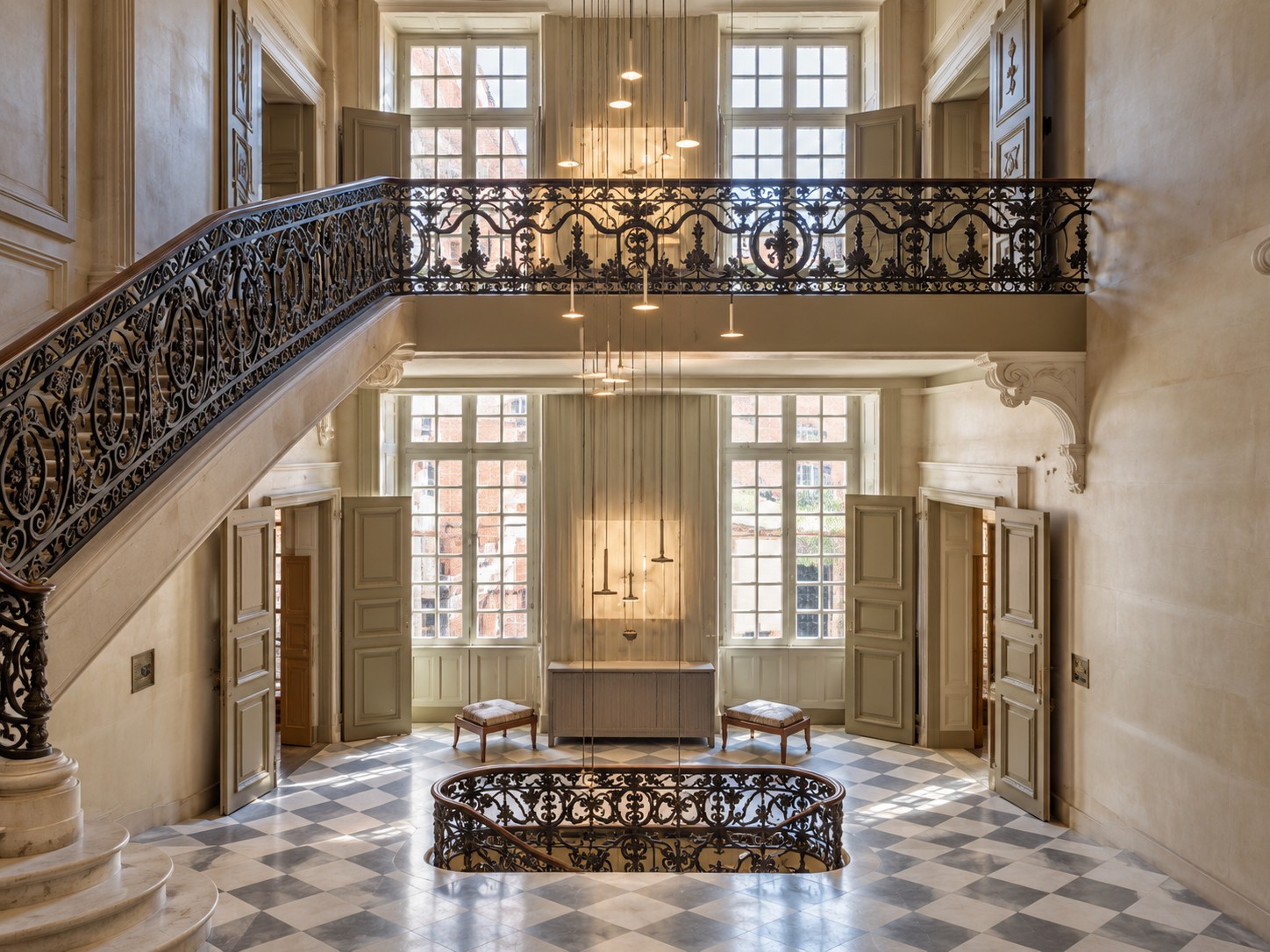
Choose between a historic hotel with more facilities, a smaller Saint-Sernin base and a Capitole address. Confirm accessibility, room category, breakfast and parking before booking. Illustrations are based on official references and are not booking photographs.
AI-generated illustration based on the establishment’s official visual references. Representative view; confirm the current room or dining space directly.
Historic character · 5-star hotel
La Cour des Consuls
La Cour des Consuls offers a more substantial historic setting in the southern centre, at 46 Rue des Couteliers. Its spa and restaurant make it an appealing option when you want the hotel itself to form part of a slower stay. The location works well for the Carmes, the river and central heritage walks.
Confirm the exact room category, spa access and any treatments or meals you intend to book. The official Accor listing describes paid private parking and valet service; reserve and request arrival instructions before driving into the centre. Historic buildings can have different room layouts, so request the features that matter to you explicitly.
AI-generated illustration based on the establishment’s official visual references. Representative view; confirm the current room or dining space directly.
Small hotel near Saint-Sernin · 4 stars
Villa du Taur
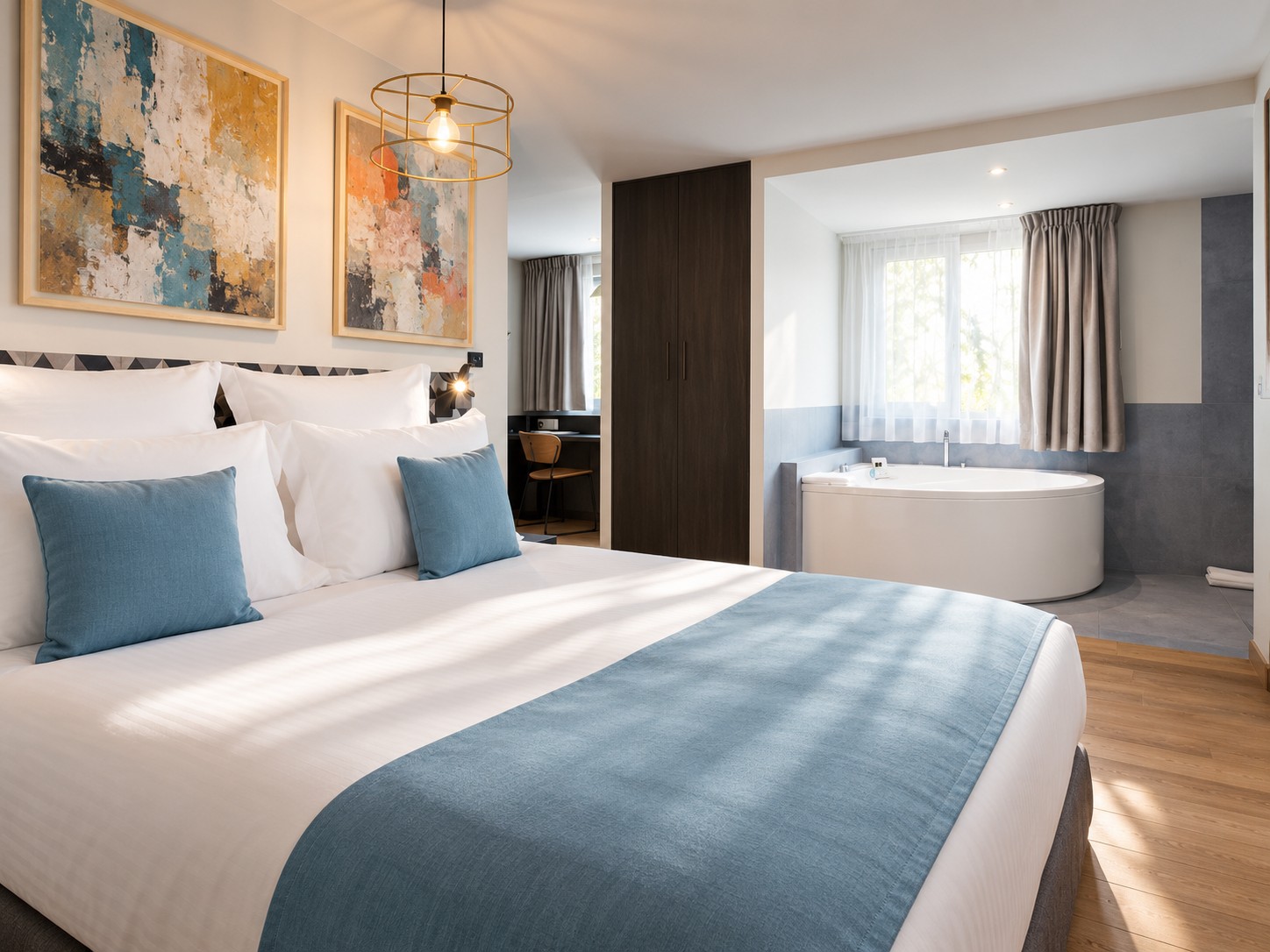
Villa du Taur is a small central option at 62 Rue du Taur, useful if you want Saint-Sernin close by and an easy walk toward the Capitole. The illustrated room is based on a particular official room reference; its bathtub and layout should not be assumed to exist in every category.
Ask about the room you will actually receive, its floor, lift access and bathroom arrangement. Drivers should confirm current arrangements with nearby public parking before booking. A compact hotel in a busy historic area can suit a city weekend especially well when you prioritise location and return to the room for a midday pause.
AI-generated illustration based on the establishment’s official visual references. Representative view; confirm the current room or dining space directly.
Capitole convenience · 4 stars
Le Grand Balcon
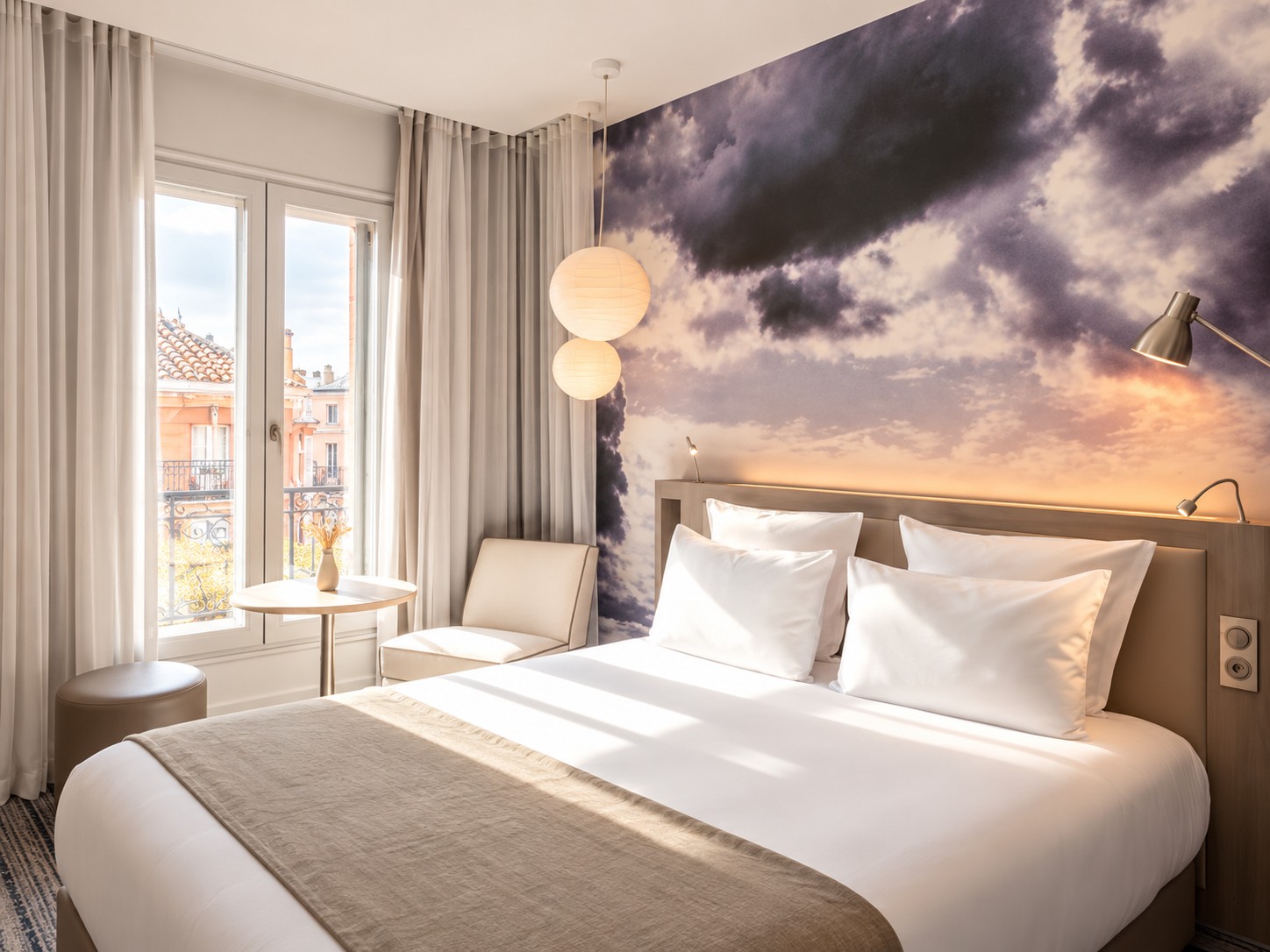
Le Grand Balcon combines a very central address at 8–10 Rue Romiguières with a design that draws on Toulouse’s aviation story. Choose it when you want the Capitole, restaurants and central walking routes close to the front door. It is a useful option for a short stay where location carries more weight than extensive resort-style facilities.
Compare categories carefully: size, outlook and bathroom configuration can differ. Ask about street noise and parking access if these matter to your stay. The official hotel site describes it as four-star; rely on the hotel’s own current information when comparing bookings. The illustration represents one visual reference, not a guaranteed room assignment.
Plan walking mornings and keep an indoor option for showers. This is a good season for a mix of heritage and open-air pauses, but temperatures vary and a light extra layer is useful.
June–August
Summer
Start longer walks early and return to museums or your hotel during the hottest hours. Book popular meals and family attractions ahead. Carry water and avoid making every transfer on foot in strong heat.
September–November
Autumn
An appealing period for a food-and-art stay, with flexible walking days and more time indoors as the season progresses. Check each attraction’s autumn timetable rather than carrying over summer hours.
December–February
Winter
Build the trip around museums, meals and short walks. Daylight is limited, and some large attractions have annual January closures. Verify opening dates before reserving a stay mainly for space or machines.
How long to stay
One full day
Focus on the historic centre: Saint-Sernin, the Capitole, one further interior visit and the river. Choose a market morning only when its opening day fits. Avoid adding an outer-city attraction to this already full schedule.
Two to three nights
Give the centre one relaxed day, then choose the Cité de l’espace or Montaudran for another. A third day lets you add the alternative attraction, an art visit or a slower neighbourhood afternoon.
Four nights or more
Add space for both major outer-city outings, additional museums or a regional excursion. Count arrival and departure times honestly: four nights do not necessarily provide four complete sightseeing days.
Getting there & getting around
Arrival
By train, Toulouse-Matabiau is the city’s main railway arrival point. Check the route and journey time for your actual departure city before booking; rail options vary. From the station, choose a walking route, local transport or a taxi according to luggage and the hotel’s precise location.
From Toulouse-Blagnac Airport, use the airport’s current transport page or the Tisséo planner. The airport shuttle serves the city, while other public-transport combinations depend on the live network. Do not plan on a direct T2 tram connection to the terminal: that airport tram service has been suspended during works. Check the current alternative before travelling.
Walking is the most rewarding way to explore the compact heritage centre. Use public transport for longer transfers and for visits outside the old town. A trip to the Cité de l’espace or Montaudran should include the whole route from your accommodation, not just the final bus segment.
Consult Tisséo for current services, accessible routes, disruptions and ticket conditions. The airport shuttle has its own fare rules; do not assume an ordinary city ticket covers it. If you cycle, use a route suited to your experience and avoid busy pedestrian areas. A car adds little to a central sightseeing day.
Parking without shaping the whole day around the car
Book your parking plan before entering the centre. Public garages, hotel arrangements and park-and-ride serve different purposes; a short sightseeing visit and a multi-night stay need different solutions.
Staying in the centre
Ask your hotel for the exact garage entrance, vehicle-height limit, booking requirements and luggage drop-off instructions. La Cour des Consuls lists paid private valet parking; Villa du Taur directs drivers toward nearby public options. Confirm each arrangement directly.
Visiting for the day
Compare a central public garage near the part of town you will actually visit with a Tisséo park-and-ride. Avoid driving repeatedly between sights. Leave luggage and valuables out of view and check the garage’s opening and payment conditions.
Using park-and-ride
Tisséo’s regulated sites allow up to 24 consecutive hours under specified travel-validation conditions. This is not a blanket free multi-night parking offer. Check the current rules and validate the appropriate return journey before exiting.
Morning: Saint-Sernin and the Rue du Taur. Pause on the Capitole square, then have lunch. Afternoon: Jacobins or Fondation Bemberg, followed by a river walk. Choose one main museum rather than rushing through both.
Market & Carmes
A food-and-art day
On a market opening day, browse Victor Hugo in the morning. Keep lunch as the main food stop, then visit the Fondation Bemberg. Finish around the Carmes or the Garonne, with a booked dinner only if you want a second substantial meal.
Cité de l’espace
A space day
Check the day’s programme, travel out in the morning and allow most of the day for exhibitions and scheduled activities. Keep dinner simple and flexible after returning. This is the day for space discovery, not a second complete old-town circuit.
Montaudran
A machines day
Visit the Halle de la Machine and reserve a Minotaur journey if desired. Add L’Envol des Pionniers only when the schedule and your energy allow. Include transport, boarding time and a meal break before returning to the centre.
Practical details that make the stay easier
Before you arrive
Check museum opening days against the dates of your stay, especially Mondays and January. Reserve the restaurant that matters most, confirm hotel parking, and keep any timed attraction tickets together with the route you will use to reach them.
If you need step-free access, ask about the complete visit: entrance, lift, toilets, historic interiors and any boarding procedure. A general accessibility label may not answer the question for the exact experience or room you want. Request a route that matches your party’s needs.
During the visit
Wear comfortable shoes for paved streets and carry a layer for changing weather. In warm periods, plan shade and water breaks rather than treating outdoor walking as the default transfer for every journey. Keep a smaller indoor visit available if conditions change.
Restaurant service is often tied to meal periods. Confirm lunch or dinner availability rather than assuming every kitchen serves continuously. In markets, ask before photographing people or close-up displays. Keep bags secure in crowded areas, and allow enough time to reach the station without a final rushed attraction.
Find the city’s own pace
Choose a neighbourhood each morning. The northern centre, the Carmes and the river feel more coherent as separate walks than as repeated cross-city transfers.
Let a meal anchor the day. A market lunch or reserved dinner makes a useful fixed point; leave the hours around it for shorter discoveries.
Look up, then step inside. Brick façades introduce the city, but a church interior or courtyard often gives the walk its memorable moment.
Keep the outer attractions separate. Space exploration and Montaudran deserve travel time and a programme of their own. One well-paced outing is more satisfying than two compressed visits.
Frequently asked questions
Can I visit Toulouse without a car?
Yes. A central stay is well suited to walking and local public transport. Use the current Tisséo planner for outer districts and airport routes; check the connection from your precise accommodation.
Is one day enough?
One full day gives a good introduction to the historic centre. Add another day for the Cité de l’espace or Montaudran, and more if both are priorities.
Are the Cité de l’espace and Halle de la Machine next to the old town?
They are separate outings beyond the heritage core. Include transport and scheduled activities in the plan; do not assume they can be visited as short walking detours.
What should I do on a Monday?
Check each attraction’s seasonal calendar. Victor Hugo market normally closes on Mondays, and museum access varies. A central architecture walk and a confirmed restaurant reservation can form a flexible alternative.
Which hotel area should I choose?
The Capitole is convenient for a first visit, Saint-Sernin suits the northern heritage streets, and the Carmes or nearby southern centre work well for food and river walks. Compare the precise address and room rather than the district name alone.
Do I need reservations?
Book fine dining, specific room categories and timed experiences in advance. Check the conditions for Minotaur journeys and seasonal attraction tickets directly on the official websites.
Are the hotel and restaurant images booking photographs?
The six establishment visuals are clearly labelled AI-generated illustrations based on official references. They help convey the setting but do not guarantee the room, table or present-day décor. Use the official booking site for current photographs and exact categories.
Make Toulouse part of your France trip
France. Well Planned.
A city stay with time to enjoy it.
Combine Toulouse with the parts of Occitanie that interest you, then build the route around sensible travel days, a comfortable base and the meals and visits you most want to remember.
Planning estimates are editorial suggestions, not guaranteed visit durations. Opening hours, transport routes, menus and booking conditions can change. Information reviewed on 4 October 2026; reconfirm directly before travel. No fixed hotel or restaurant price is promised.
Monument and market photographs carry individual author and licence credits beneath each image. They have been resized for delivery and may be cropped by the display; adaptations remain under the stated share-alike licence where applicable. The Cité de l’espace photograph is archival (2007). Hotel and restaurant illustrations were generated from inspected official visual references and are labelled beside each image. These are representative visuals, not guarantees of a current room or dining arrangement.