Best forCulture & coastMuseums, market mornings and sea views
Ideal stay3–4 nightsAdd time for Cargèse and beach days
Choose a baseTown or gulfWalkable evenings or a seaside hotel
Keep flexibleSea & weatherMove a boat day within your stay
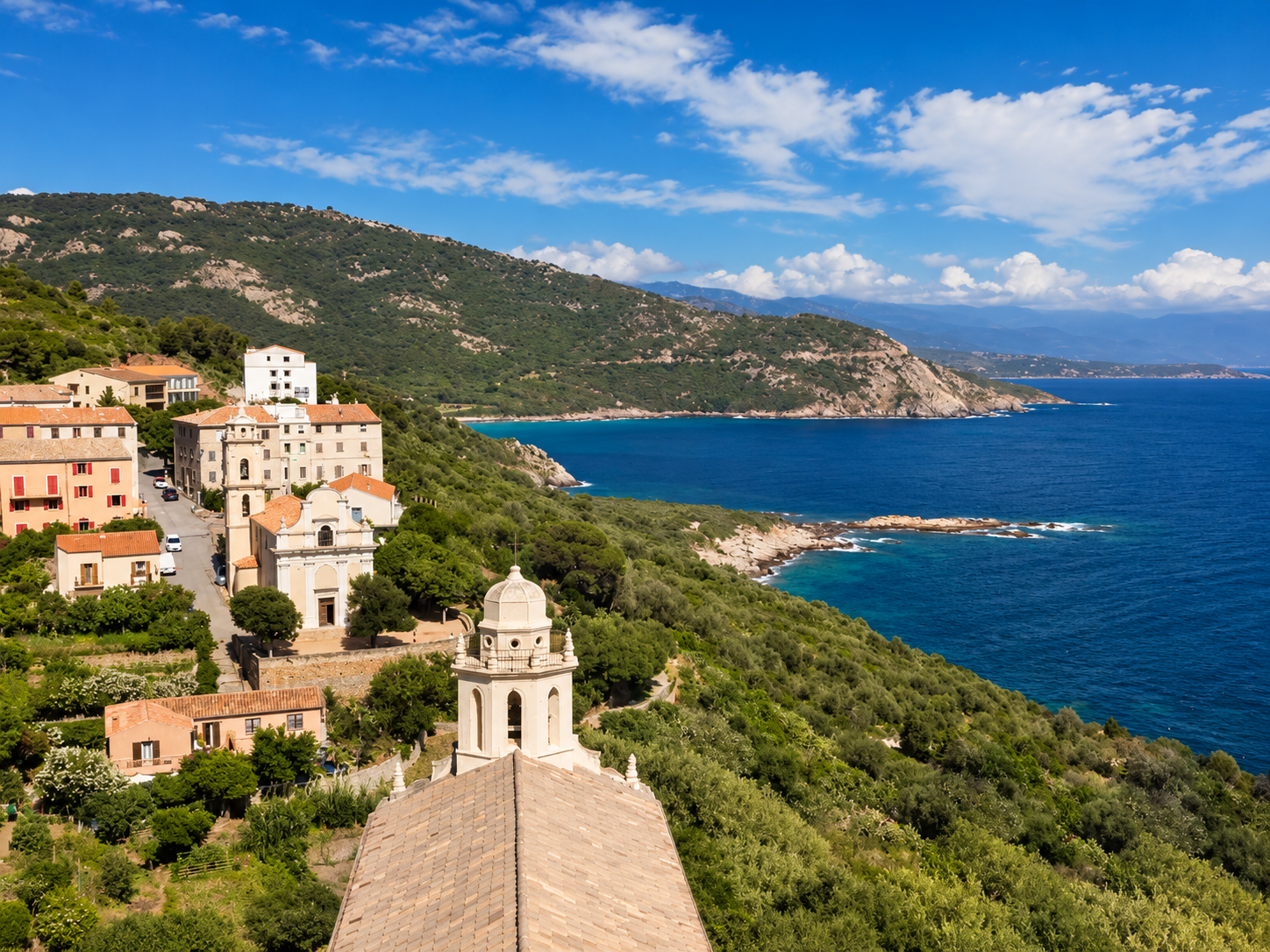
Ajaccio works best when the city receives as much attention as its coastline. Napoleon’s birthplace and the Palais Fesch give the old town real cultural weight, while the market, harbour and compact streets invite a slower kind of exploration. The road west leads towards seaside hotels, the Parata headland and the Sanguinaires islands.
Decide early whether you want to walk home after dinner in the centre or wake beside the gulf. An old-town hotel simplifies museums and evenings out. A hotel along the Route des Sanguinaires suits a stay with more time by the water, but you will need a clear plan for trips into town and late returns.
Three to four nights allow a city day, a coastal outing and some flexibility. Add a night or two if Cargèse, several beach days or an onward journey towards Porto are central to the trip. Combining every west-coast highlight into a single excursion would leave little time to enjoy any of them.
Where to Go & What to See
AI-generated photorealistic view.
Begin on foot
Ajaccio’s old town & harbour
Start among the streets around Rue Bonaparte, the cathedral and the waterfront. The town’s scale makes it easy to connect short walks with a café, a museum or lunch. Allow a relaxed half-day for a first introduction instead of treating Ajaccio only as an arrival point.
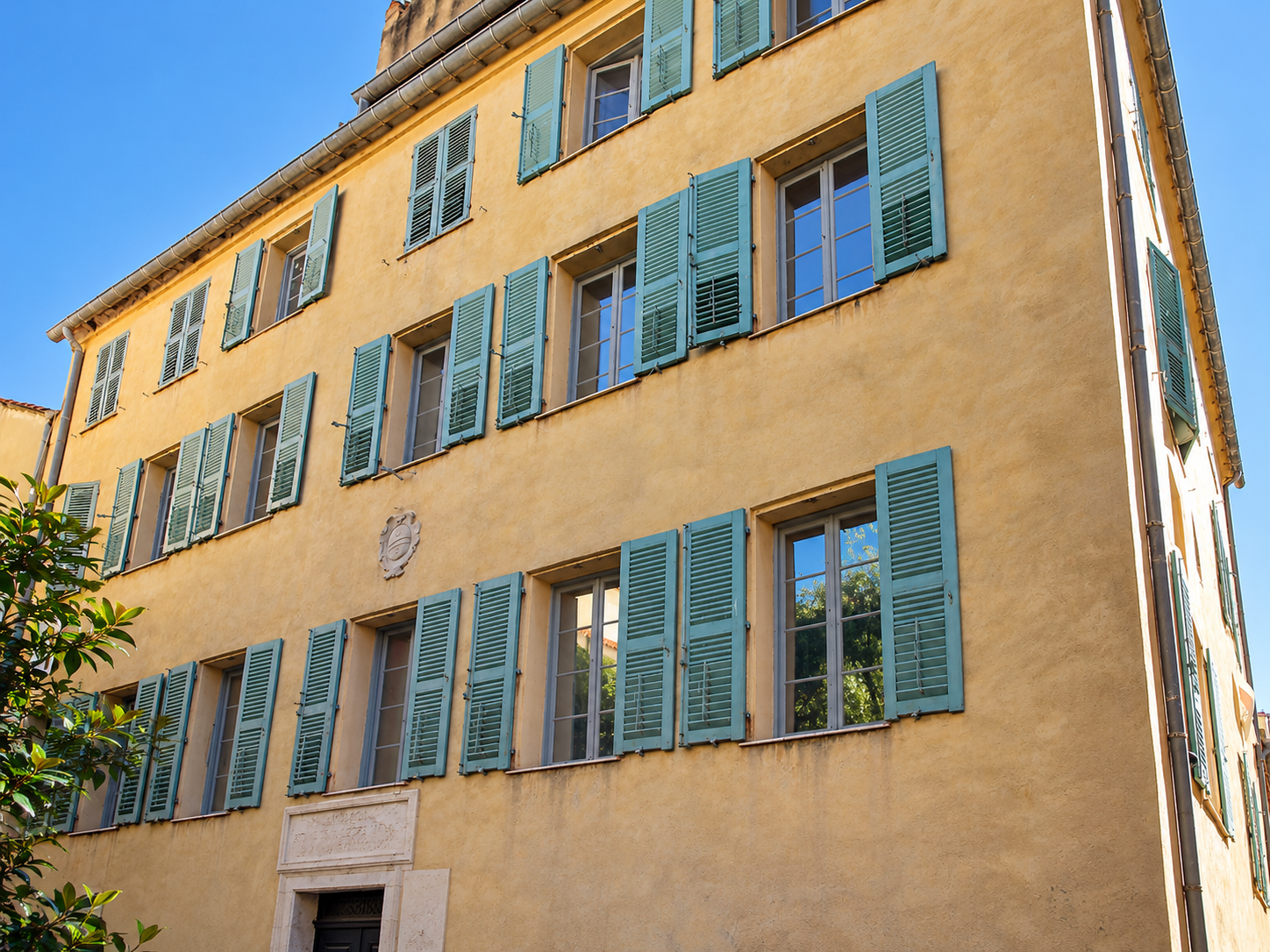
The accompanying image shows the Maison Bonaparte façade, one specific landmark within the old town. Keep church visits flexible around services and opening. A walk with a local guide can connect the family history, streets and monuments more clearly than a succession of brief photo stops.
Napoleon was born in Ajaccio in 1769. The national museum in the family home places that familiar name within the history of the Bonapartes and the house itself. Set aside time to read and explore, then continue through the surrounding streets while the context is still fresh.
The museum normally closes on Mondays, with exceptions possible for particular public holidays. Opening hours change by season and can include a midday closure. Check the official information before arranging lunch or another timed visit, and confirm group arrangements separately.
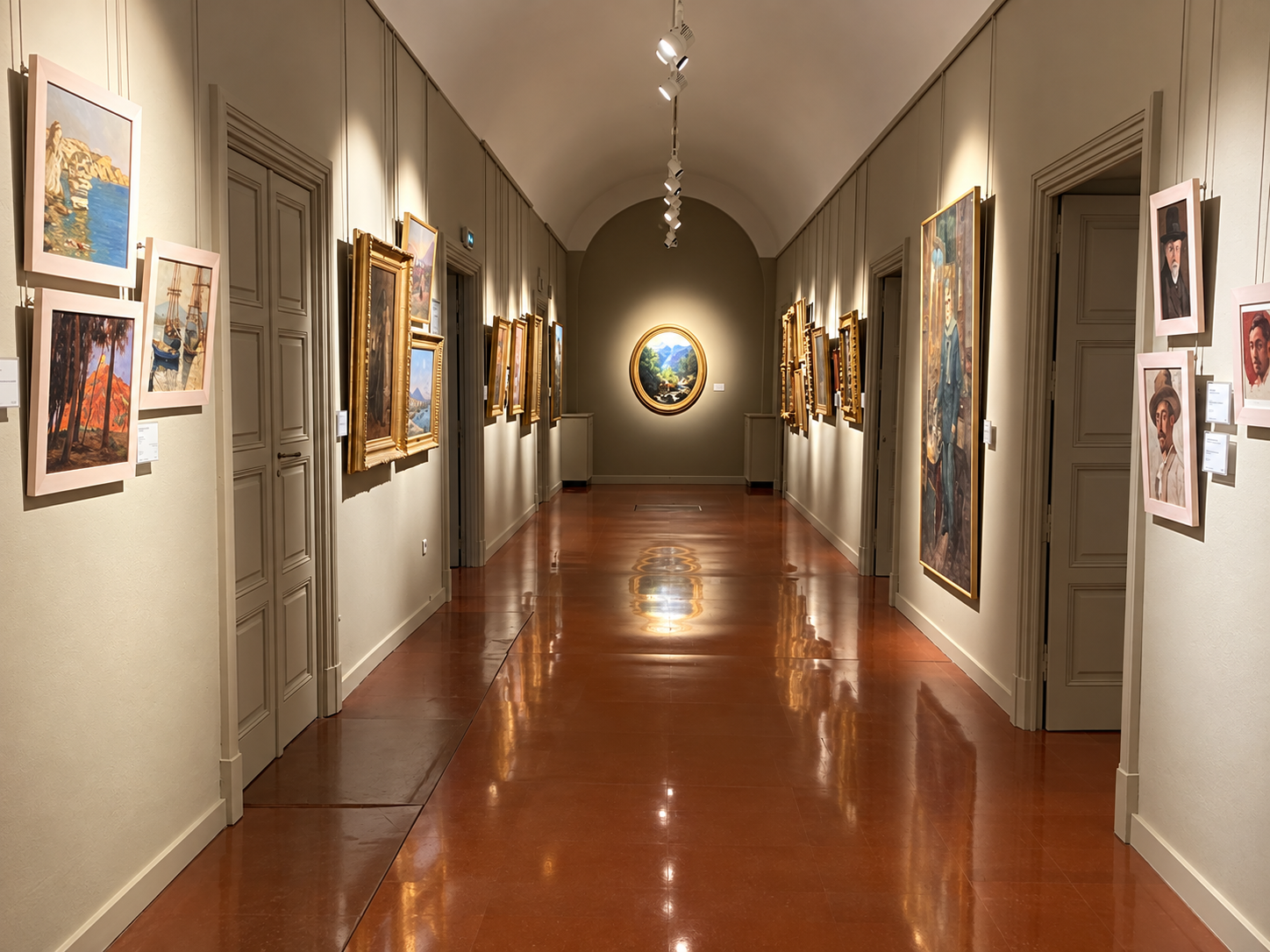
Make the Palais Fesch a substantial cultural stop, not simply an indoor fallback. Its collections bring Italian painting, Corsican art and the imperial story into the same visit. The illustration shows a gallery of Corsican painting rather than a promise that particular works will always be on display.
Check current exhibitions, seasonal hours and annual closure dates. The Imperial Chapel has its own seasonal access, so do not assume it is included whenever the museum is open. The museum publishes accessibility information and provides lift access; establish any specific needs before visiting.
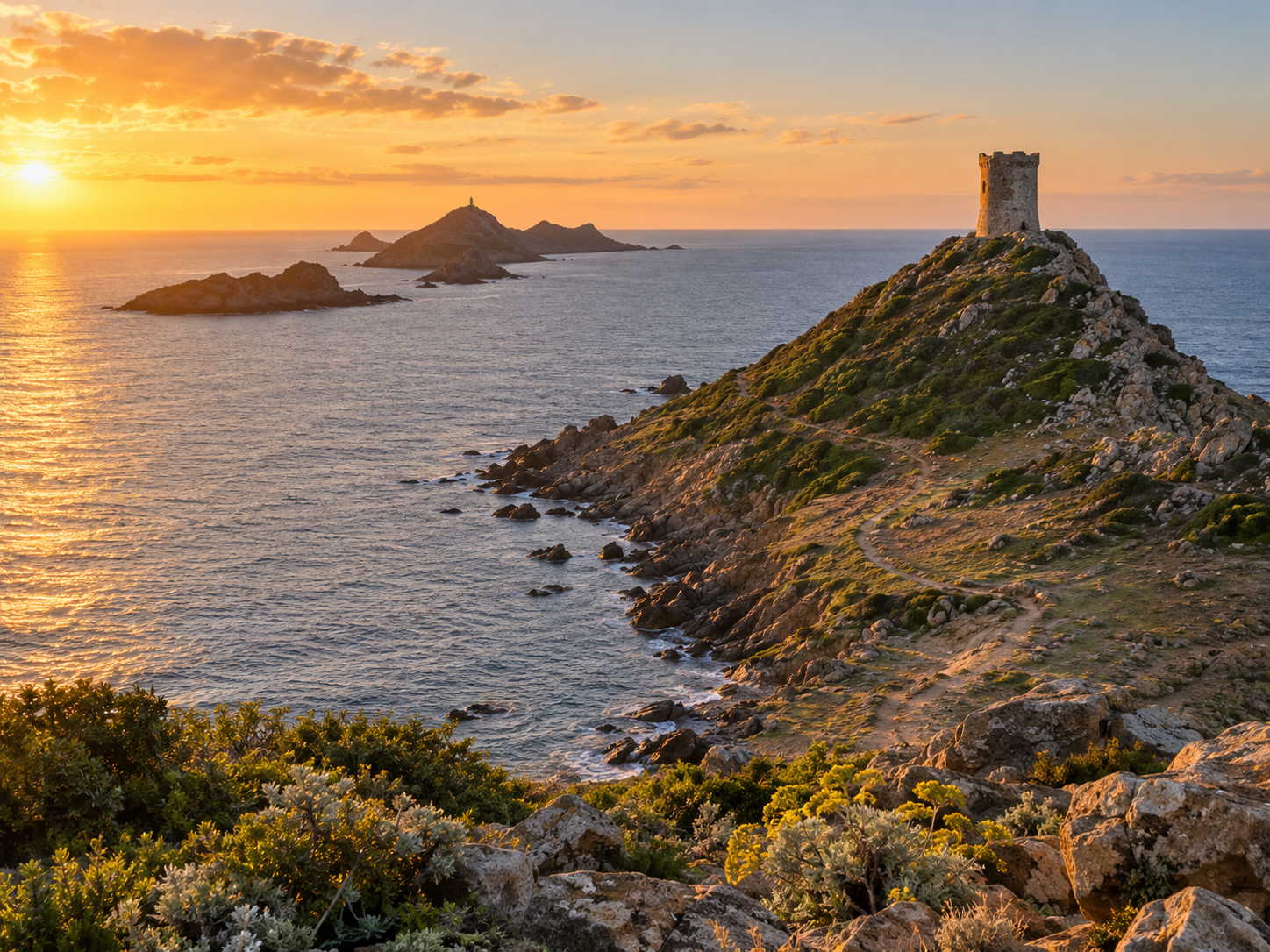
Follow the coastal road west to the Grand Site for views across to the Sanguinaires. The official tower walk allows roughly 45 minutes return from the Maison du Grand Site. That is a useful short outing, but the upper approach includes steps and should be considered separately from the easier lower areas.
The tower interior is closed to visitors. Come for the headland, landscape and viewpoints, leaving time to enjoy the changing light. If you stay until sunset, arrange the return and allow for the path back; a scenic evening is easier when transport is already settled.
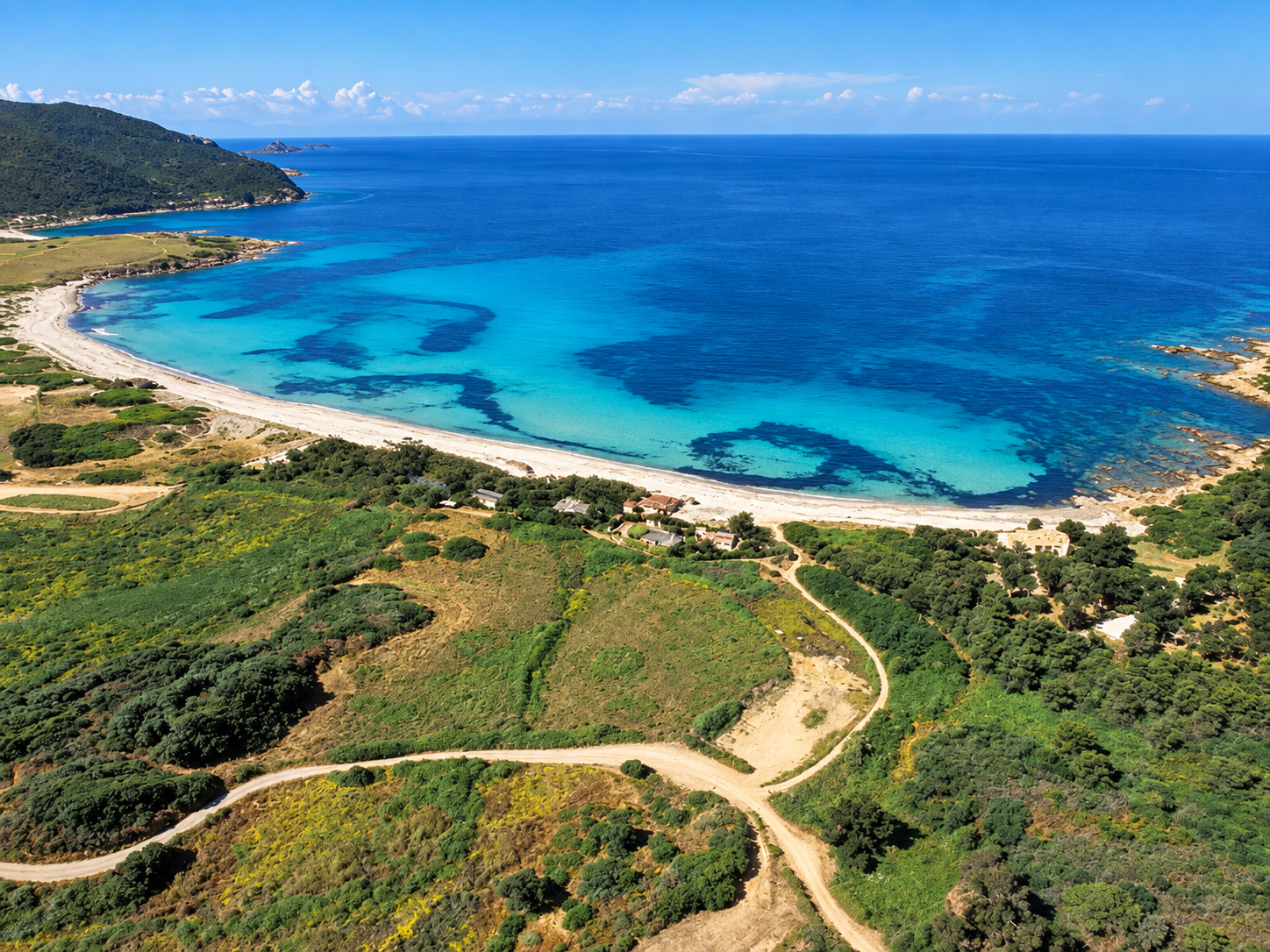
Grand Capo, also known as Minaccia, and Petit Capo, also called Sevani or Saint-Antoine, offer a different atmosphere from the urban gulf. The broad sand, rural surroundings and more exposed sea make this a place to choose deliberately for a beach outing. The image shows Grand Capo.
Conditions can include waves and currents, so assess the beach on the day. The tourism office also highlights limited phone reception and the absence of an ordinary direct bus service. Bring what you need and organise the journey home before arriving, especially if relying on a driver.
Cargèse’s two churches face one another across the village landscape: Notre-Dame de l’Assomption represents the Latin tradition, while Saint-Spyridon preserves the Greek Byzantine tradition. Together they offer a distinctive starting point for understanding the village and its cultural history.
Allow time for the streets and views, with lunch nearby, rather than visiting only the church doors. Access depends on opening and services. The route from Ajaccio via Sagone deserves its own day; hilly lanes and steps also make it useful to choose parking and walking routes in advance.
The tourism office offers guided visits linking the old town and Napoleon’s story. Choose a tour for its actual route, language and museum arrangements rather than assuming that every city walk includes an interior visit to the Maison Bonaparte.
Book the appropriate format, then leave time afterwards for the streets or a café. A guide can make the family history easier to follow and help you notice details that disappear into the background on an unguided walk. Avoid putting a second fixed appointment immediately after the tour.
A sea excursion changes the perspective on the gulf and islands. Compare the actual itinerary: a coastal cruise, a sunset outing and a trip with time ashore are different products. Ask where the boat departs, how long you will spend aboard and whether a landing is planned.
The Grand Site directs visitors towards departures from Port Tino Rossi; departures from the Parata pontoon are listed as suspended. Confirm your operator’s current meeting point and keep the outing flexible around sea conditions. Choose boarding and seating arrangements suitable for everyone in the group.
The coastal path from the Parata area towards Petit Capo is a longer undertaking than the short tower walk. Allow roughly two to three hours for the return walk, plus breaks and any beach time, and check the current route description before setting out.
Start at a comfortable temperature, carry water and choose proper walking shoes. Decide in advance whether the aim is a walk or a beach day: adding a long swim stop changes the timing and the supplies needed. Turn back according to your group and conditions, rather than a fixed target.
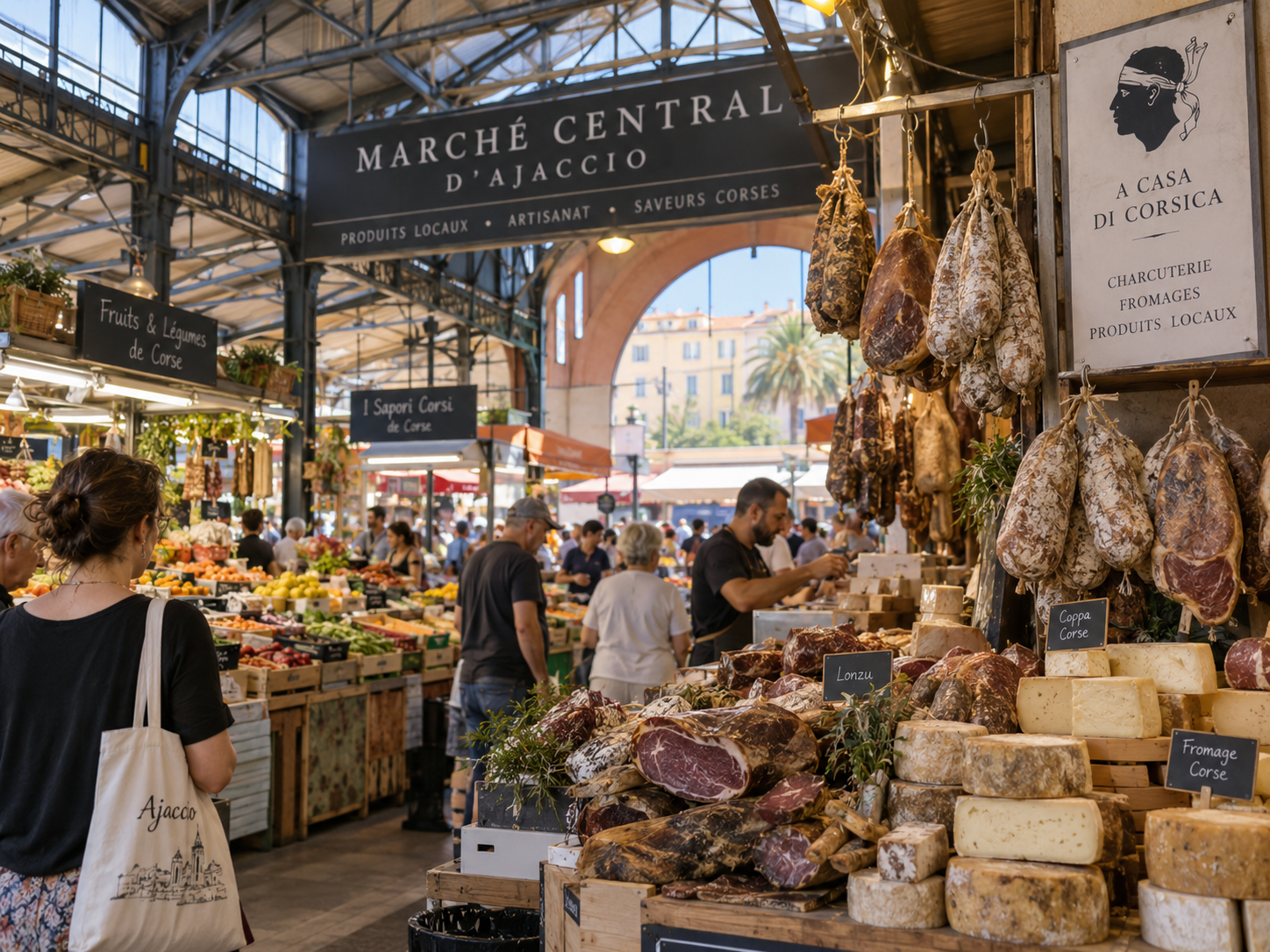
Make Place Campinchi part of a morning in Ajaccio. The tourism office describes the main market as operating Tuesday to Sunday mornings. Saturday is a useful day to consider for local producers, but verify current hours and the producer schedule for your travel dates, especially around holidays.
Look for Corsican cheeses, charcuterie, honey and seasonal produce, and ask vendors about origin and production. Buying from someone who can explain the product adds more to the visit than filling a bag at the first stall. Choose quantities that fit the rest of your journey and the storage available.
Combine the market with the old town or a museum nearby. If buying a picnic before a coastal excursion, think about keeping food cool and bring drinking water separately. An early boat departure may leave little time to shop, so buy supplies the previous afternoon when necessary.
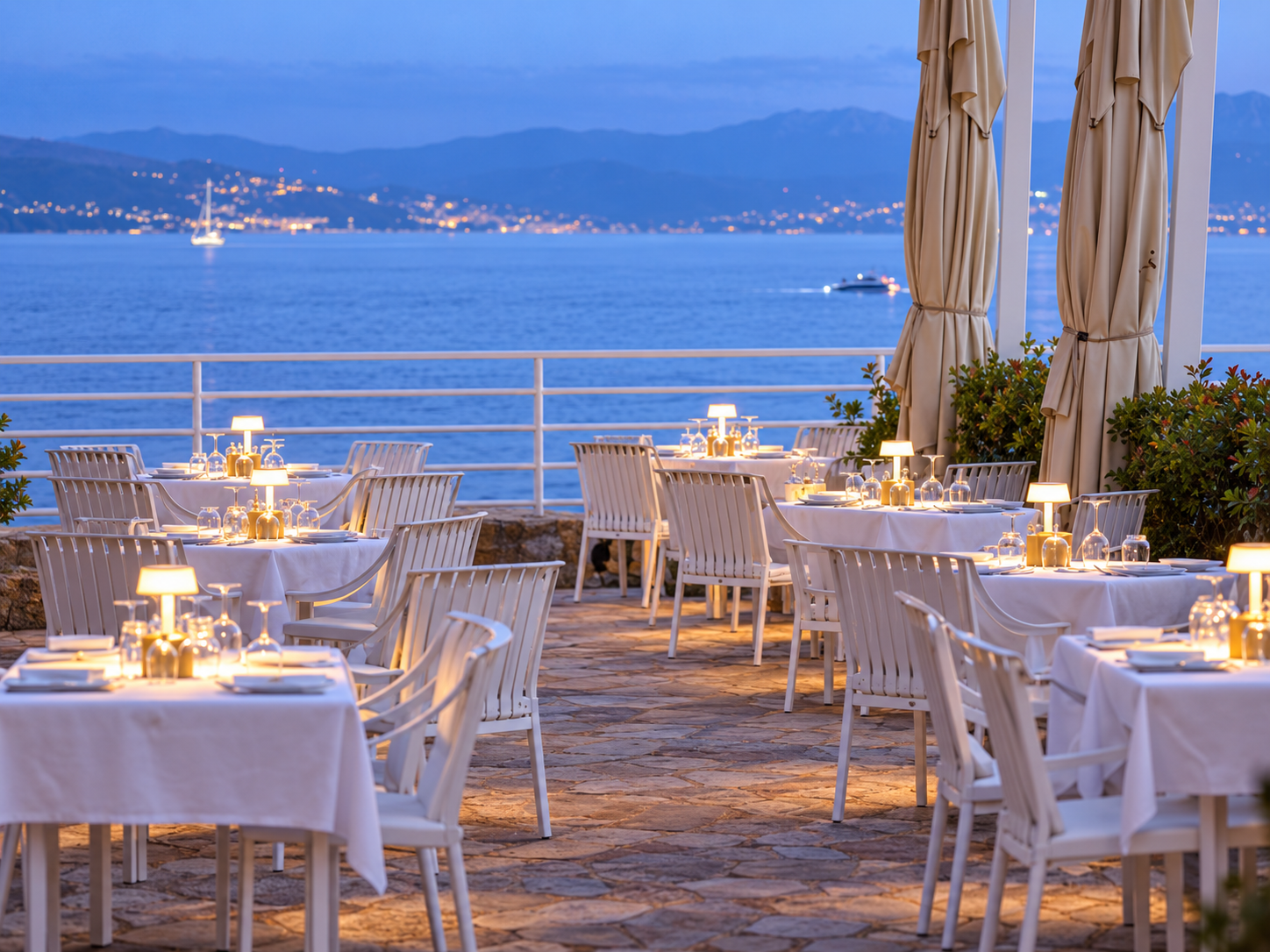
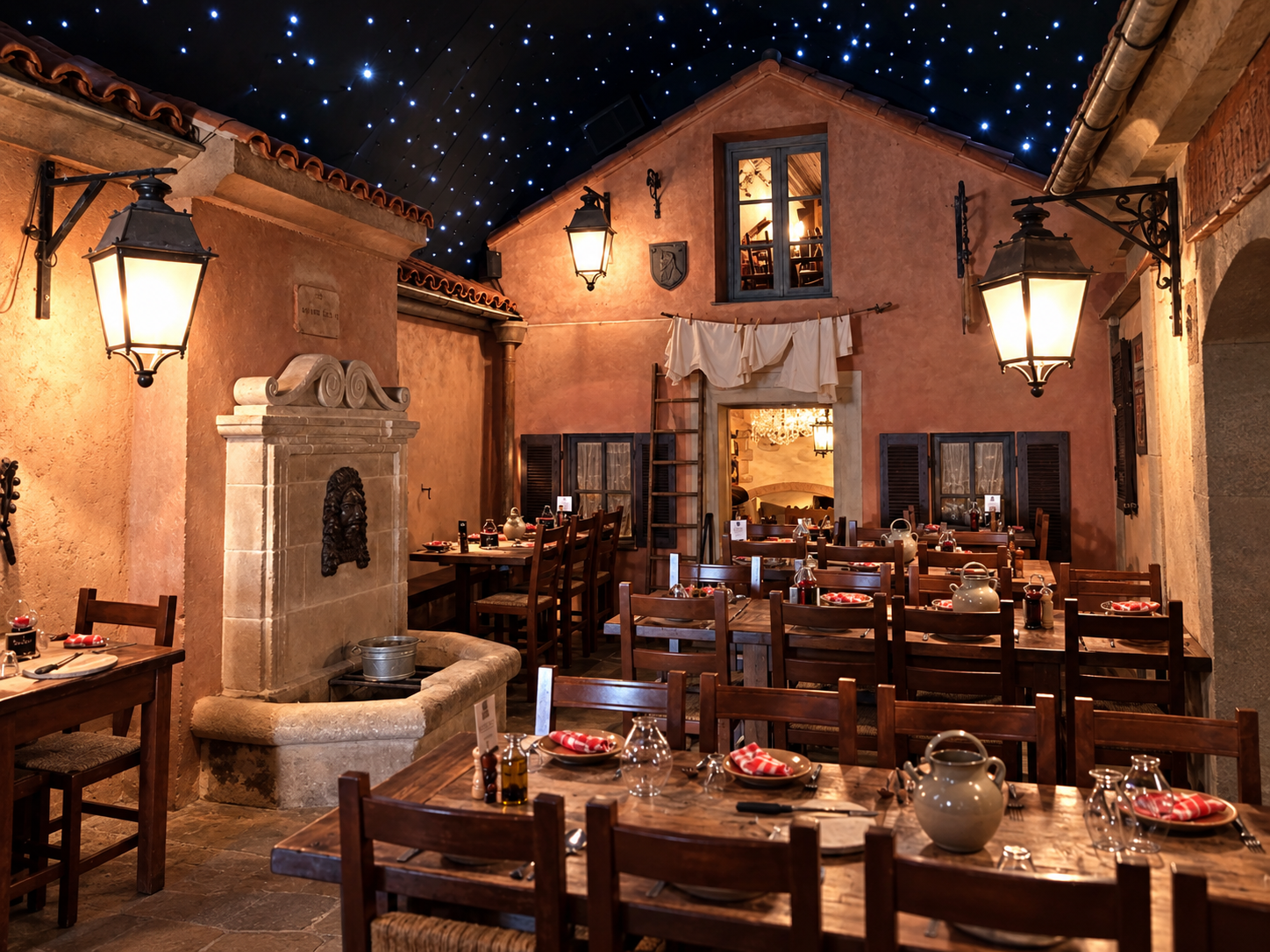
These addresses offer three different evenings: a gastronomic terrace, an atmospheric Corsican dining room and a hotel restaurant beside the gulf. Choose according to your base and reserve directly, checking seasonal service, menu format and the table setting available on your date.
AI-generated photorealistic view.
Gastronomic dining · Les Mouettes
A Terrazza
A Terrazza at Hôtel Les Mouettes pairs a gulf-facing terrace with a seasonal Mediterranean approach. It suits an evening built around the meal, with time to settle in and enjoy the setting. Ask about the current menu and any dietary requirements when booking.
The hotel distinguishes the gastronomic A Terrazza service from its bistro offering, A Terrazzina, which operates at different times. Confirm which format you are reserving. If staying in town, arrange the return before dinner rather than assuming a late bus will fit.
Le 20123 recreates the atmosphere of a Corsican village inside its dining room, with a fountain, house façades and a deliberately theatrical interior. The setting makes it a distinctive choice for a meal centred on Corsican cooking rather than a waterside terrace.
Ask about the current menu and service arrangements, particularly outside the main season. Confirm dietary needs before reserving and do not assume live music is scheduled every evening. Its old-town location works well with an afternoon walk and a hotel within walking distance.
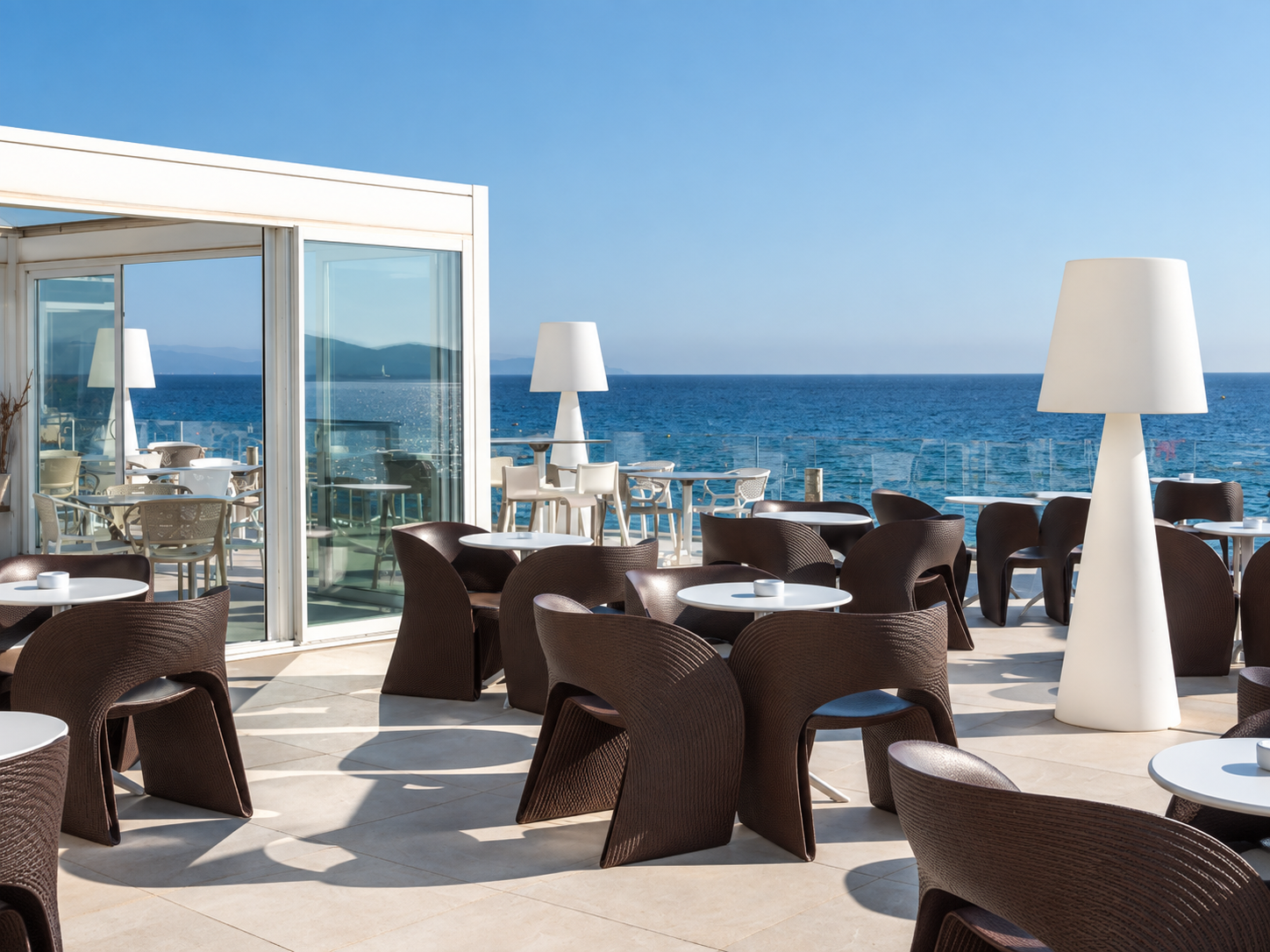
La Pergola is the evening restaurant at Cala di Sole, with a terrace setting and cooking that highlights Corsican produce. It is a convenient choice when staying along the Route des Sanguinaires and wanting dinner to remain close to the hotel.
The property also has La Paillote for beachside lunches; the two should not be confused when booking. Confirm seasonal opening, dinner service and terrace availability. The illustration is based on the hotel’s own La Pergola terrace photograph and does not guarantee a particular table.
Choose the location before comparing rooms. The old town makes museums and restaurants easy to reach on foot. The Route des Sanguinaires offers a seaside rhythm, with more attention needed to transport. Confirm room category, parking and accessibility directly; the images illustrate the properties, not a guaranteed booking category.
AI-generated photorealistic view.
4-star hotel · Near the gulf and town
Hôtel Les Mouettes
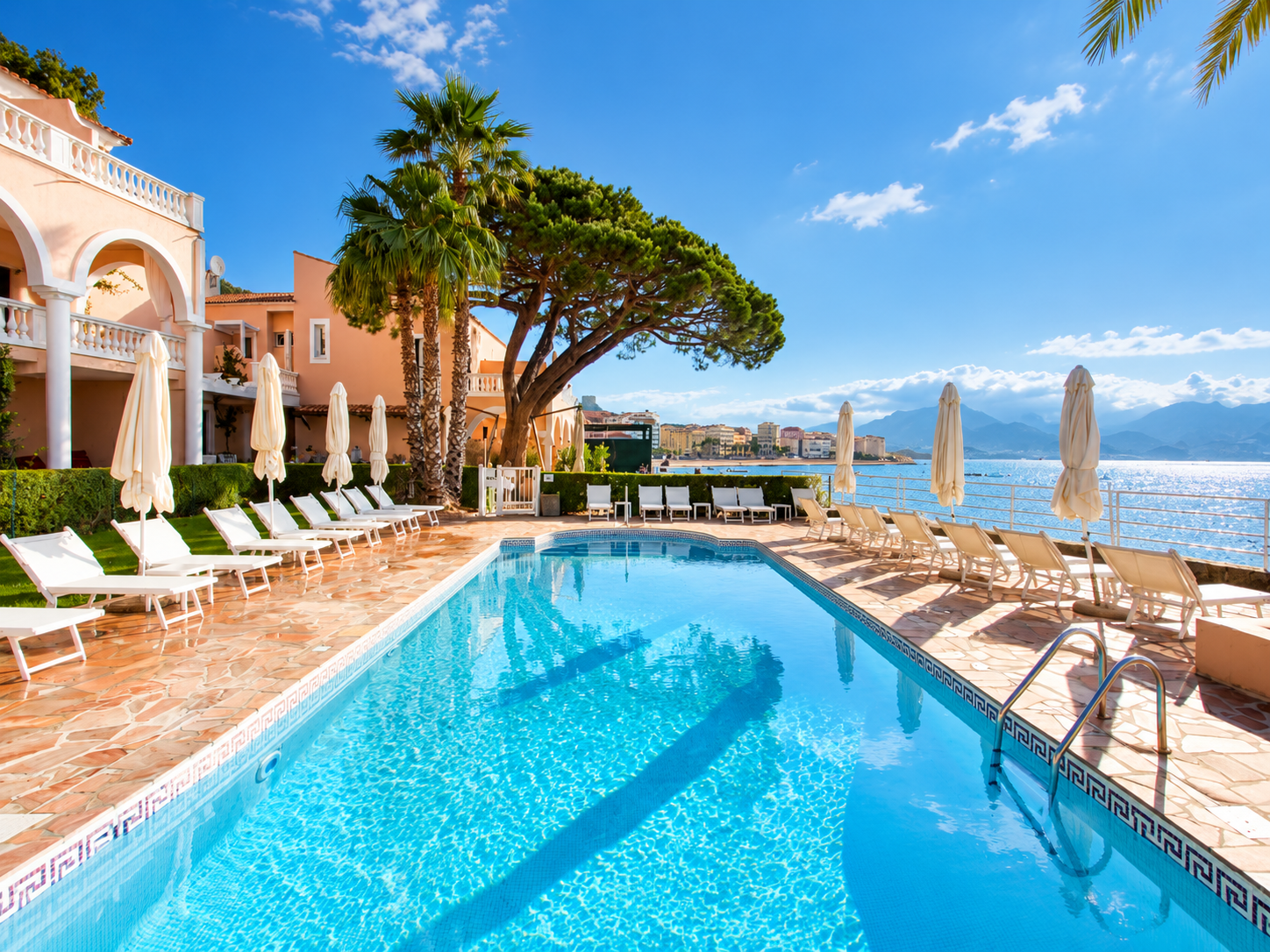
Les Mouettes occupies a historic villa beside the water, with a pool, terraces and a distinctive peach-coloured façade. It is a good fit when you want the character of a smaller seaside property while keeping Ajaccio’s cultural programme within reach.
Compare the actual outlook and outdoor space of each room category. Ask about seasonal facilities, beach access, parking and the route into town. A dinner reservation at A Terrazza should be treated separately from the room booking if that meal is an important part of the stay.
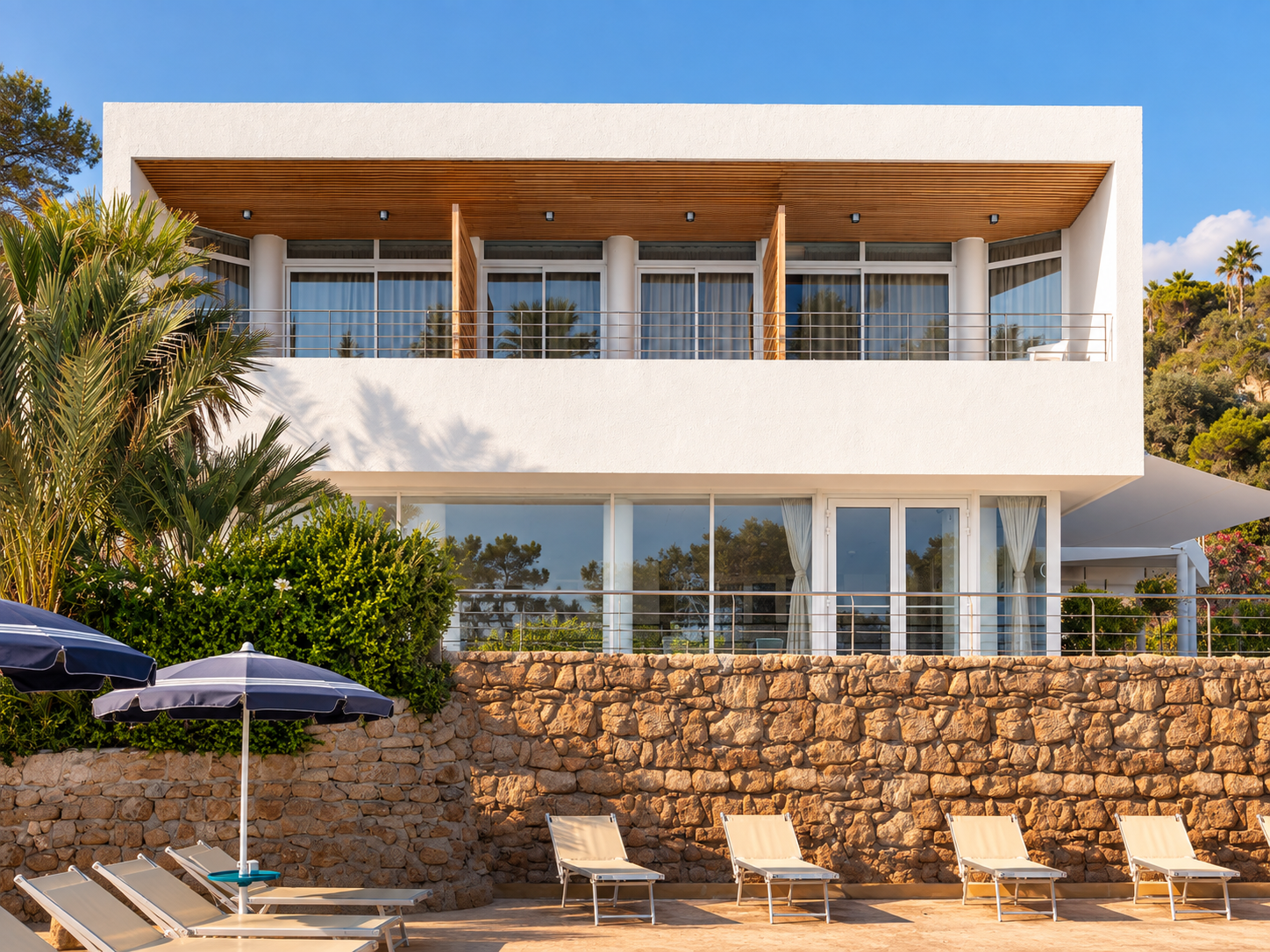
Cala di Sole suits a stay with time beside the sea, with a seawater pool and a coastal setting west of the centre. Its modern buildings and direct relationship with the gulf give it a different feel from an old-town hotel. The illustration shows part of the accommodation façade.
This is a seasonal property, so confirm opening for your dates as well as beach services and restaurant availability. Ask what is included in the room rate, particularly for beach equipment. Check the current bus timetable or arrange a car for city visits and evening returns.
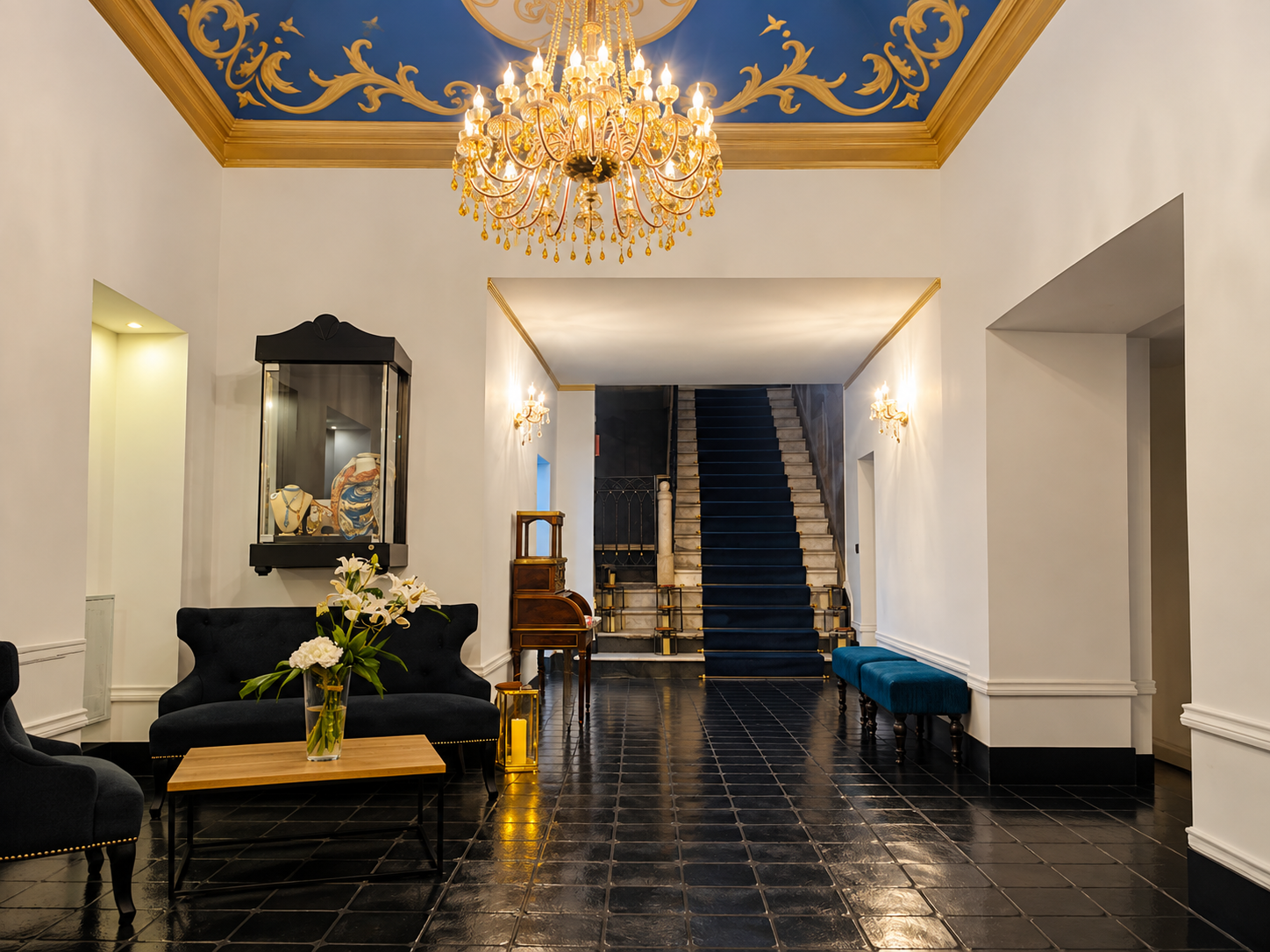
Hôtel Pozzo di Borgo offers a base within the old town, useful for museums, the waterfront and evenings on foot. The historic building and decorative interiors make it a strong option when the city itself is the main reason for the stay.
Confirm the room category and its layout, as historic buildings can contain quite different spaces. Ask the hotel for luggage drop-off and parking instructions before arrival. If step-free access is essential, establish the complete route from entrance to room rather than judging it from the lobby image.
Spring works well for alternating cultural visits with walks along the gulf. Keep the order flexible and use a museum or a leisurely lunch when wind or rain makes the coast less appealing.
Check hotel opening dates and the start of boat services. A warm afternoon does not guarantee that beach facilities or every restaurant are already operating.
Early starts and booked evenings
Summer
Visit the old town and market early, then give the warmer part of the day a gentler pace. Reserve the restaurants and boat outings that matter most, leaving space between them.
Avoid building a long exposed walk into the hottest hours. Beach conditions still need checking, and a Capo di Feno outing requires a return plan even in the busiest season.
A good balance of city and coast
Autumn
Autumn suits travellers who want art, food and coastal scenery in the same stay. Keep boat trips optional and make the city’s museums and streets a firm part of the programme.
Confirm the closing dates of seasonal hotels and dining rooms. Shorter daylight makes a measured Cargèse excursion more comfortable than adding a late extension towards Porto.
Choose a cultural city base
Winter
For winter, favour a well-located hotel and a programme built around businesses confirmed open. Ajaccio can still offer a satisfying short stay through its streets, museums and food.
Check museum holiday closures and current transport. Do not rely on summer sea excursions or beach dining, and keep exposed walks dependent on the day’s weather.
How Many Days Do You Need?
Stay focused on Ajaccio
One full day
Combine the market, old town and one main museum, then choose either a relaxed waterfront evening or a planned Parata outing. Two museums plus the entire coast would make the day unnecessarily rushed.
The city and its nearby coast
Three to four nights
Give one day to Ajaccio, one to the Parata and a coastal experience, and keep another flexible for a boat trip or Capo di Feno. This leaves room for a proper meal and a slower morning.
Add the wider west coast
Four to six nights
Use the extra time for Cargèse, more beach time or a split stay towards Porto. If travelling onwards, make the move part of the itinerary instead of repeatedly driving the same road from Ajaccio.
Getting There & Getting Around
Ajaccio has both an airport and a ferry port, making it a practical arrival point for a western Corsican itinerary. Match the arrival time to the first night and arrange the final transfer explicitly. A late arrival is easier when reception, luggage access and transport have already been confirmed.
For the old town, walking is usually the simplest way to connect the main sights after arrival. A car becomes more useful for Capo di Feno, Cargèse and a broader west-coast programme. You may not need one for every day of a city stay, especially if a hotel parking space carries an additional charge.
Use the current CAPA Move journey information for airport services and routes towards the Sanguinaires. Line numbers and seasonal timetables can change; check the exact stop, day and last return before relying on a service. A hotel described as being near a bus stop still needs a timetable that fits your plans.
Capo di Feno requires separate transport planning because the tourism office does not describe a regular direct bus connection. For Cargèse, allow a full day with stops and realistic driving margins. If continuing north towards Porto, consider changing base rather than returning to Ajaccio after every excursion.
Ask a central hotel for its recommended approach, luggage drop-off and parking arrangement before entering the old town. Narrow streets, restricted access and one-way systems can make the last part of the journey less obvious than the address suggests. Follow the hotel’s current instructions.
For a day in town, choose signed parking and walk between the market, museums and waterfront. Read the conditions for the actual duration of your stay. Leave enough margin before a guided visit or boat departure to walk to the meeting point without rushing.
At the Parata, use the designated parking and allow for the walk from the arrival area. The headland paths are separate from the vehicle access. If visiting for sunset, check transport and the return route before setting off towards the viewpoints.
At Capo di Feno and in Cargèse, use authorised spaces and keep access clear. Bring beach supplies in manageable bags and avoid leaving belongings visible in a parked vehicle. For a coastal walk, confirm whether you are returning to the same starting point or arranging a transfer.
Suggested Itineraries
Market, old town and art
An Ajaccio culture day
Start at the market on an operating morning, then explore the old town and Maison Bonaparte if its opening fits. Take a proper lunch break before either the Palais Fesch or a slower afternoon along the waterfront.
Choose one museum for depth if your time is limited. Reserve dinner in the old town, where a nearby hotel lets the evening continue without another journey. On a Monday, build the plan around the Maison Bonaparte closure.
A balanced first stay
Three days around the gulf
Day one: Ajaccio’s old town and a museum. Day two: the Parata, with either the short headland walk or a longer selected coastal route. Day three: a confirmed boat outing or a beach day at Capo di Feno, depending on conditions.
Move the boat day to the most suitable weather window and keep the cultural day available as a swap. Reserve one special dinner, then leave the other meals flexible around the day’s actual pace.
Add Cargèse without rushing
Five days on the west coast
Use the first two days for Ajaccio and the nearby gulf, then set aside a full day for Cargèse and a measured route via Sagone. Leave another day for a boat trip or beach outing, with the final day lighter before onward travel.
If Porto and Piana are major priorities, turn the northern excursion into a change of base. That gives those landscapes the time they deserve and avoids making every day revolve around a long return drive.
Accessibility & Practical Advice
Check accessibility for the specific route and venue. Palais Fesch publishes information about lift access, while the old town, historic houses and coastal paths present different conditions. Ask about steps, slopes, toilets and the distance from drop-off to entrance when those details affect the visit.
The short Parata outing still includes a stepped upper approach. Visitors who do not want that climb can discuss the lower visitor areas with the Grand Site. For boats, confirm boarding arrangements, seating and any time ashore directly with the operator; the conditions may vary with the vessel and sea.
Choose coastal walks according to weather and the whole group’s experience. Carry water, sun protection and appropriate footwear, and follow current access notices. Capo di Feno’s limited reception is a reason to settle transport details ahead rather than relying on a call from the beach.
Treat swimming as a decision for the day, especially on the exposed Capo beaches. Follow local signs and advice, and keep an alternative programme available when conditions are unsuitable. Museum visits, a guided walk and an unhurried meal can make a rewarding day without a sea outing.
Choose your evening base first. If walking home after dinner matters, stay centrally. If most of the trip is about time beside the gulf, choose a coastal hotel and plan the trips into town around it.
Separate the short Parata walk from the longer coastal route. They require different amounts of time and preparation. Decide which outing suits the day before arriving at the headland.
Give Cargèse its own space. Its churches and village deserve more than a brief stop on an overloaded road trip. A measured day with lunch is often more satisfying than pushing further north and rushing back.
Frequently Asked Questions
Should I stay in Ajaccio’s old town or along the Sanguinaires road?
Choose the old town for museums, restaurants and evenings on foot. Choose the coastal road for a seaside hotel stay, with transport arranged for city visits and late returns.
Is Maison Bonaparte open every day?
It normally closes on Mondays, with possible exceptions for specific public holidays. Hours vary by season and can include a midday closure, so check the official museum information.
Can I enter the Parata tower?
The tower interior is closed to visitors. The headland and viewpoints are the main attraction; the upper approach includes steps.
Where do Sanguinaires boat trips leave from?
The Grand Site points visitors towards Port Tino Rossi in Ajaccio and lists Parata pontoon departures as suspended. Confirm the current meeting point with your operator.
Is Capo di Feno easy to visit without a car?
It requires advance transport planning. The tourism office notes no ordinary direct bus service and limited phone reception, so arrange the return before arriving.
When is the Ajaccio market?
The tourism office describes the main Place Campinchi market as Tuesday to Sunday mornings. Check current hours and producer schedules for your dates.
Can I visit Cargèse as a day trip?
Yes. Give it a full day from Ajaccio, with time for the two churches, village streets and lunch rather than combining it with too many further stops.
How many nights should I allow?
Three to four nights suits Ajaccio and the nearby coast. Four to six nights gives room for Cargèse, beach time or a split stay towards Porto.
Plan Your Stay
France. Well Planned.
Find your balance of city and sea.
We plan. You choose. You book.
We help you choose the right base, connect Ajaccio’s cultural stops and leave space for the coast.
Visitor information checked on 4 October 2026. Seasonal opening, transport, access and facilities can change; follow the official links for your travel dates. Suggested durations and itineraries are editorial planning choices unless attributed to an official route.
Images labelled AI-generated are photorealistic interpretations, not documentary photographs. New hotel and restaurant views use identifiable photographs from the properties or the Ajaccio tourism office. Museum and destination views use references from the Maison Bonaparte, Palais Fesch, Ajaccio tourism and Ouest Corsica websites. Parata and market imagery reuse the site’s existing illustrations. Details may differ from current conditions, and images do not guarantee a room, table, display or facility.