Old-town life, art, markets and an easy base for the Loire Valley
Give Tours time beyond the railway connection. Its cathedral quarter, lively medieval streets, food markets and riverside walks make it a rewarding city stay, with château and vineyard excursions close enough to plan around a proper evening in town.
Best rhythm2–4 nightsA city day plus carefully chosen excursions
Without a carA strong choiceRail, walking, tram and organised outings
CharacterLively & walkableHistoric quarters with restaurants and shops
Signature pausePlace PlumereauEnjoy the square, then explore the quieter lanes
Tours is one of the most practical bases for a Loire Valley trip, but practicality is only half its appeal. The city has a lively centre, an important cathedral, museums with distinct personalities and enough places to eat to make staying several nights enjoyable. It offers a different rhythm from sleeping at a rural château: more spontaneous evening choices and less dependence on the car.
Plan the historic centre as two connected areas. The cathedral and Musée des Beaux-Arts sit towards the east, while the old town around Place Plumereau, Saint-Martin and Les Halles lies farther west. Rue Nationale and the river help join the two. Walking between them is part of the pleasure, provided you do not fill every hour with a timed visit.
For a first stay, keep at least one full day for Tours itself. Then choose excursions according to your interests and the transport available on your actual dates. A city hotel near the station works differently from a parkland hotel north of the Loire, so compare the complete daily journey rather than just the map distance.
Where to Go & What to See
AI-generated photorealistic view.
The city’s most familiar face
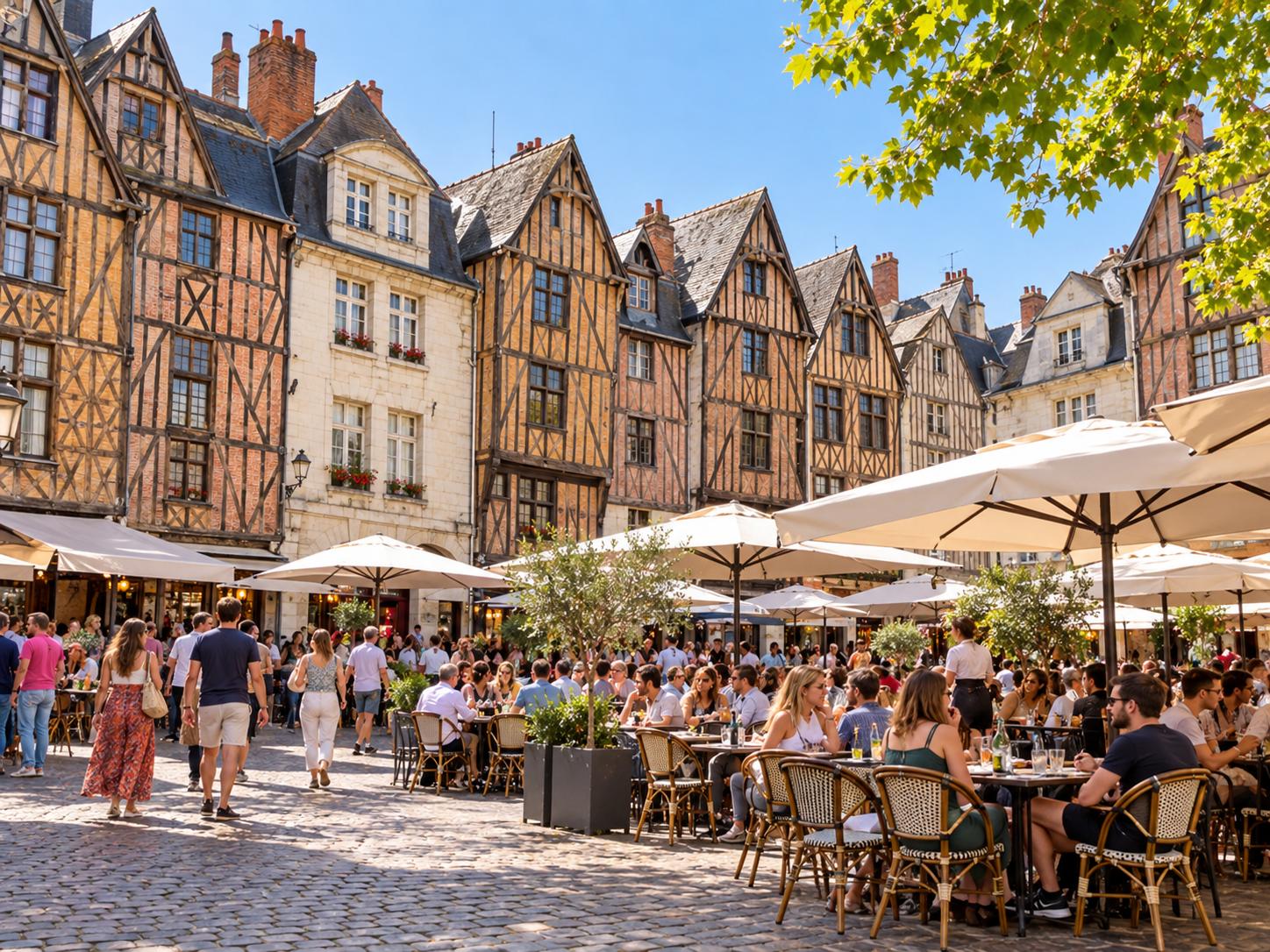
Place Plumereau and Vieux Tours
The half-timbered houses and café terraces around Place Plumereau make a natural first stop. Come early to see the architecture with fewer distractions, then return later when you want a livelier atmosphere. The streets just beyond the square are often the most enjoyable part of the walk.
Look along Rue du Commerce, Rue de la Monnaie and the smaller lanes, allowing time for shops and courtyards visible from public space. This is a living neighbourhood, not a museum district; terraces can be busy and late evenings lively.
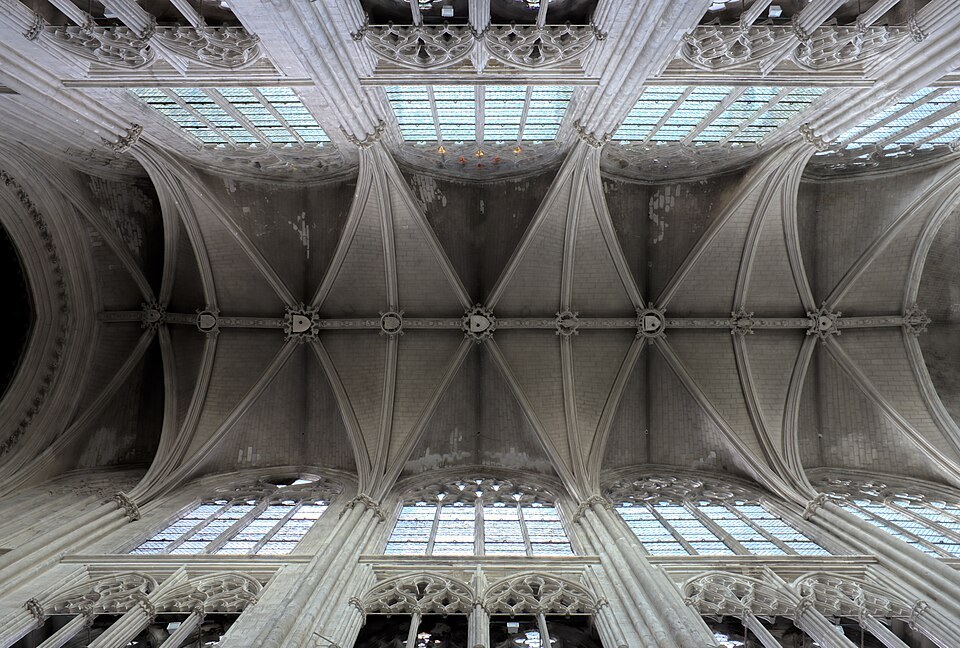
Saint-Gatien is the major monument of the cathedral quarter. Allow enough time to look up, pause at the stained glass and appreciate the contrast between the building’s scale and the quieter streets around it. It pairs naturally with the neighbouring fine arts museum.
The tourist office offers scheduled guided visits that add context to the architecture and furnishings. Check the language before booking: a listing on an English-language page does not necessarily mean the tour itself is in English. Respect services and any temporary restrictions.
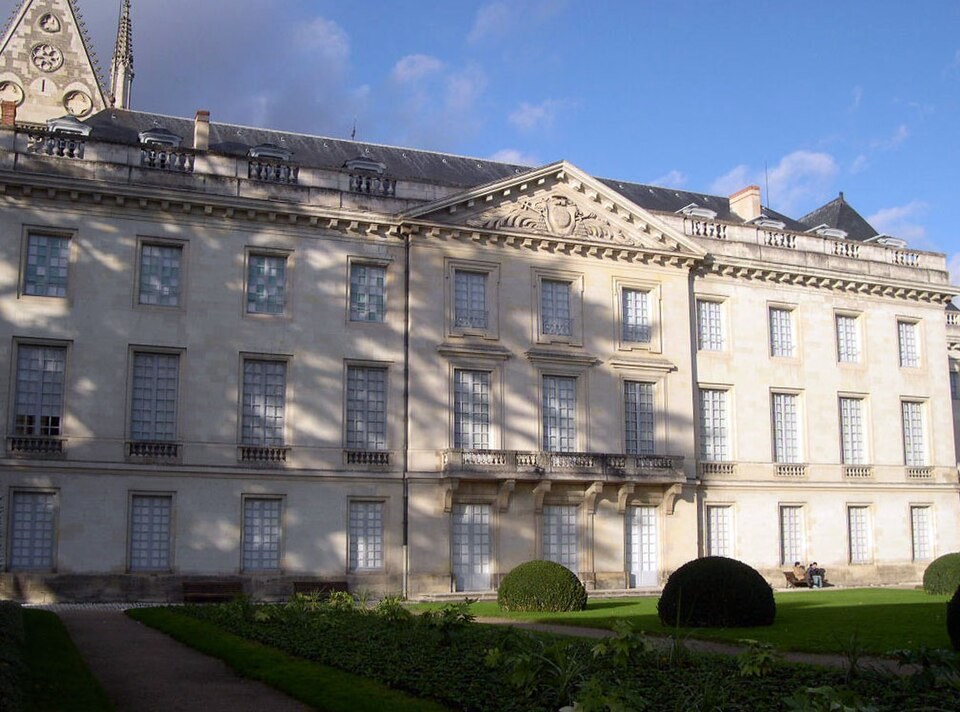
The museum combines painting, sculpture and the atmosphere of a historic palace, with a garden that offers a welcome pause between visits. Choose a few areas that interest you instead of trying to see every collection at the same pace.
The current regular closure is Tuesday. The museum is not air-conditioned, and heat alerts can change hours or access to floors. Consult the current notice when visiting in very hot weather rather than assuming it is always a cool afternoon refuge.
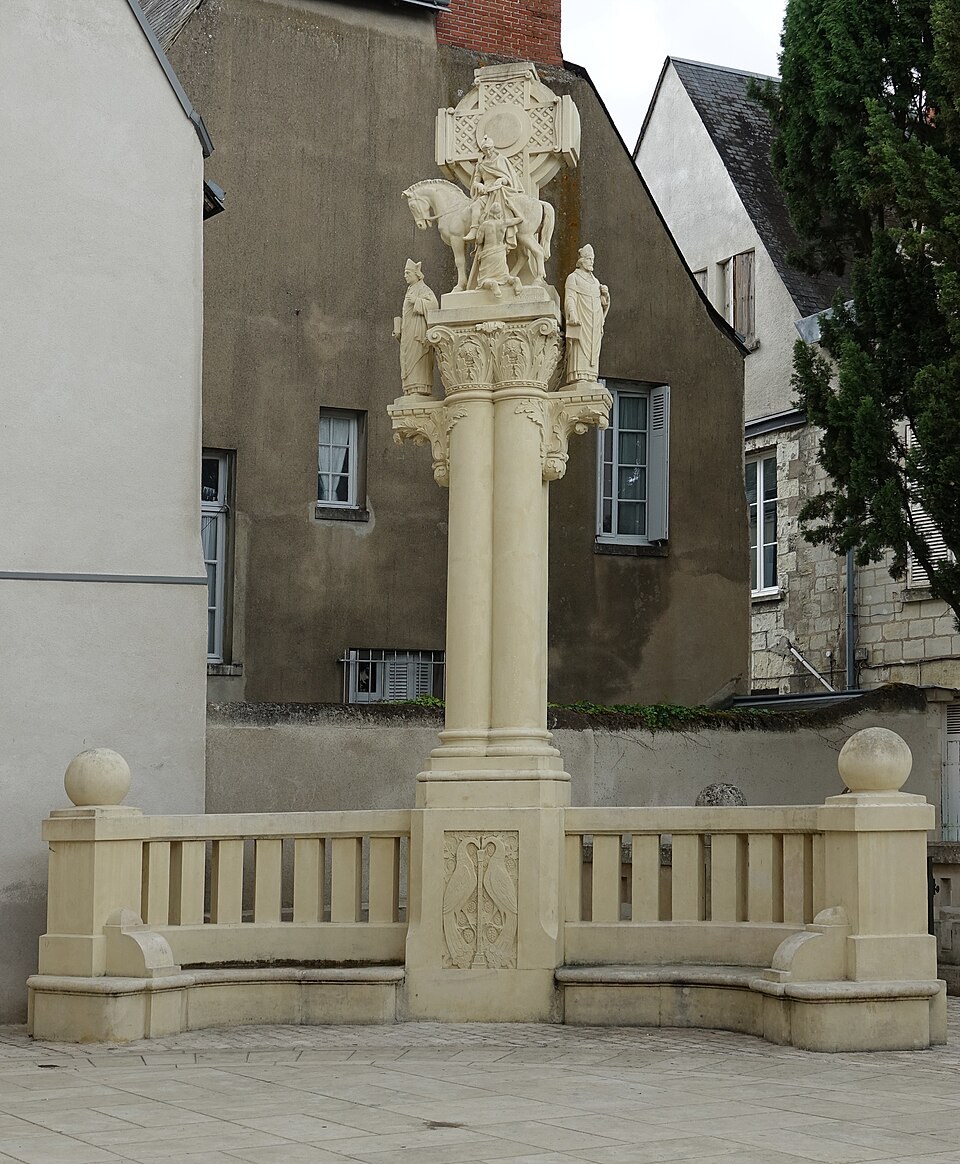
The basilica and surrounding streets connect the city to the long history of Saint Martin and pilgrimage. The present building is distinct from the earlier medieval church; nearby surviving towers help make sense of how much the district has changed.
Visit respectfully around religious services. If you plan to descend into the crypt or join a tower visit nearby, check the physical access separately; a walk around the square does not imply that every interior route is step-free.
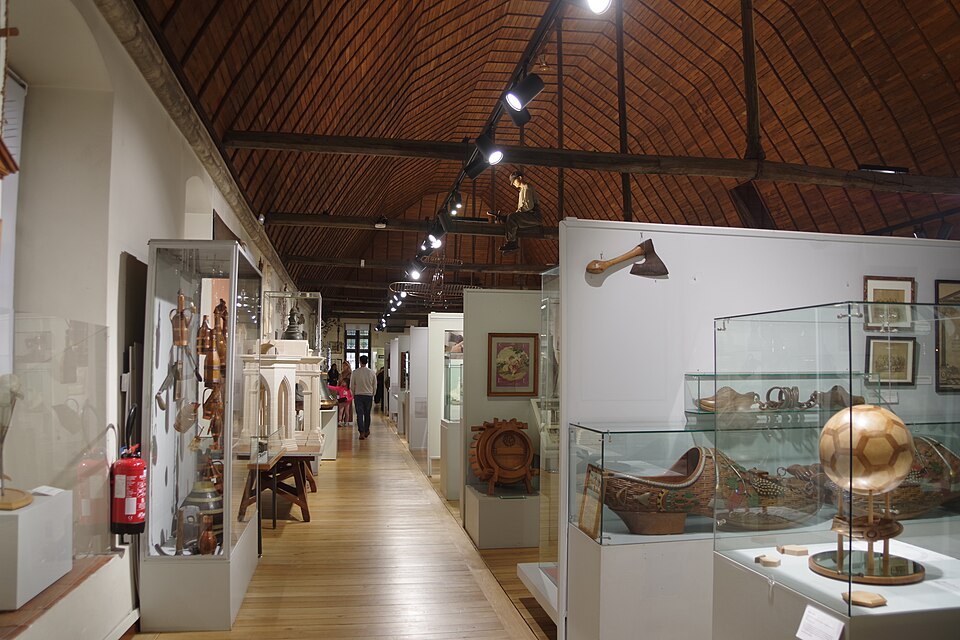
This museum is a particularly good choice when your group is more interested in how things are made than in another collection of paintings. The objects introduce the traditions and exacting workmanship of the Compagnons, with enough detail to reward a careful look.
Allow roughly one to one-and-a-half hours. The current entrance is at 8 Rue Nationale, and the museum normally closes on Tuesday with a midday break on opening days. Use the current French practical information rather than older translated access notices.
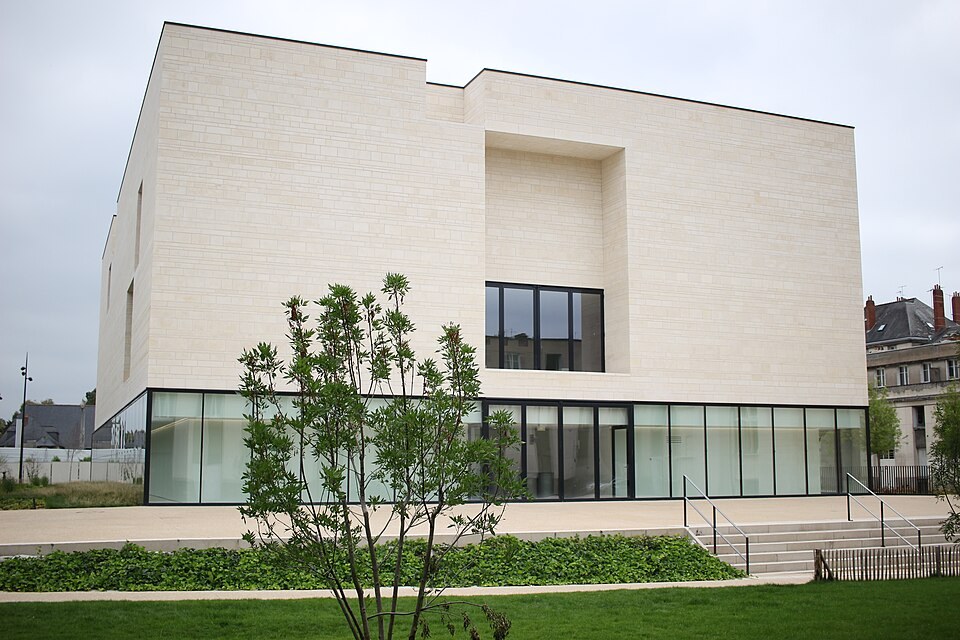
The Centre de Création Contemporaine Olivier Debré offers changing exhibitions close to the northern end of Rue Nationale. It makes a useful contrast with Tours’ historic interiors and can be visited as one focused cultural stop rather than a whole-day commitment.
Check the programme first: the appeal depends on the exhibitions on your dates. The bookshop and café-restaurant have their own access arrangements, while gallery visits follow the centre’s ticketing and opening schedule.
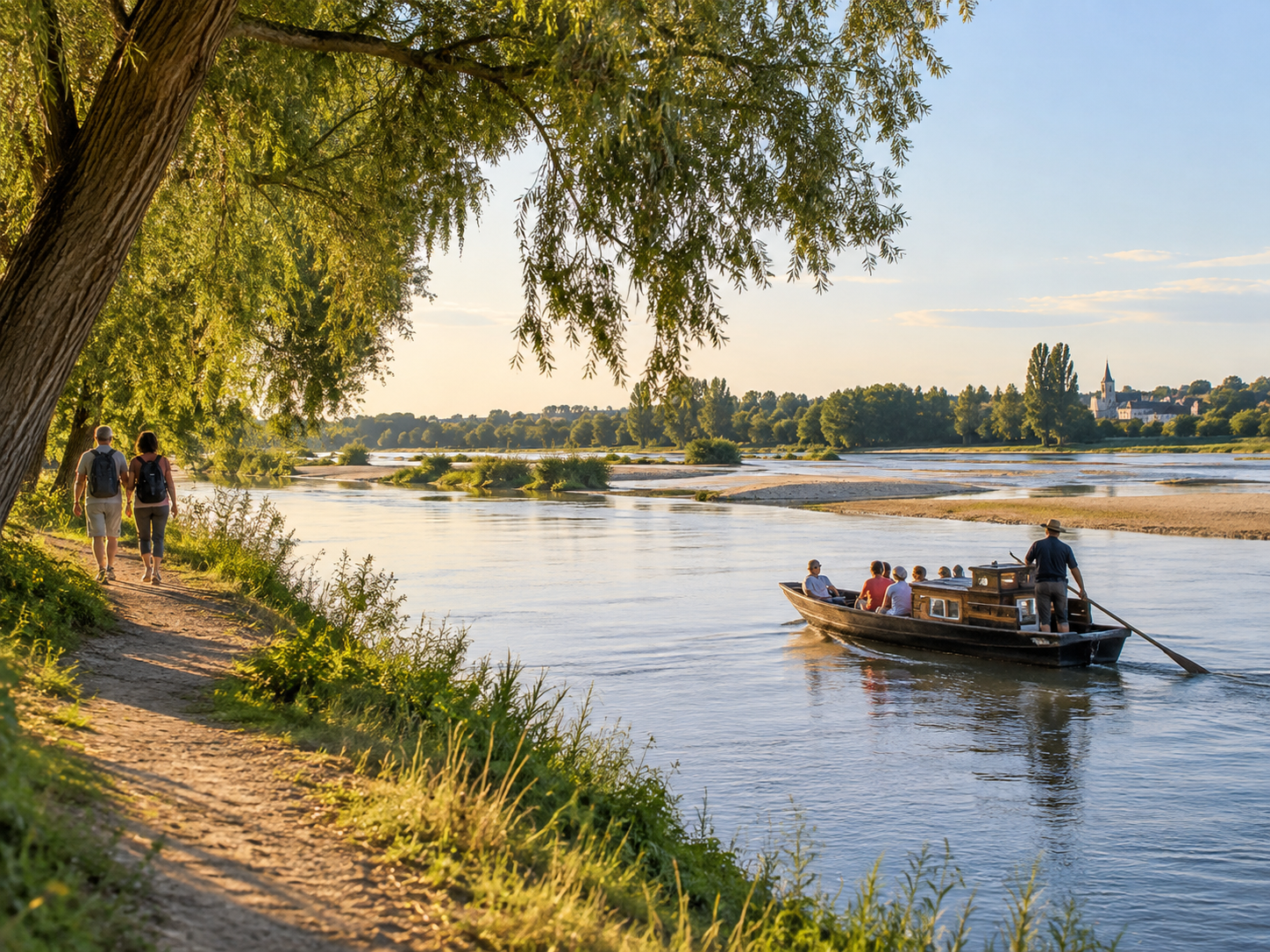
Make the river part of the city day rather than a distant excursion. The area around Pont Wilson is a natural pause between the northern end of Rue Nationale and the old town, with broad views and a different sense of space.
Use established paths and respect closures after high water. Riverside entertainment and food venues are seasonal; plan around what is operating when you visit. The illustration evokes a Loire Valley riverside scene, not a promised boat departure in Tours.
AI-generated photorealistic view.
A Loire à Vélo introduction
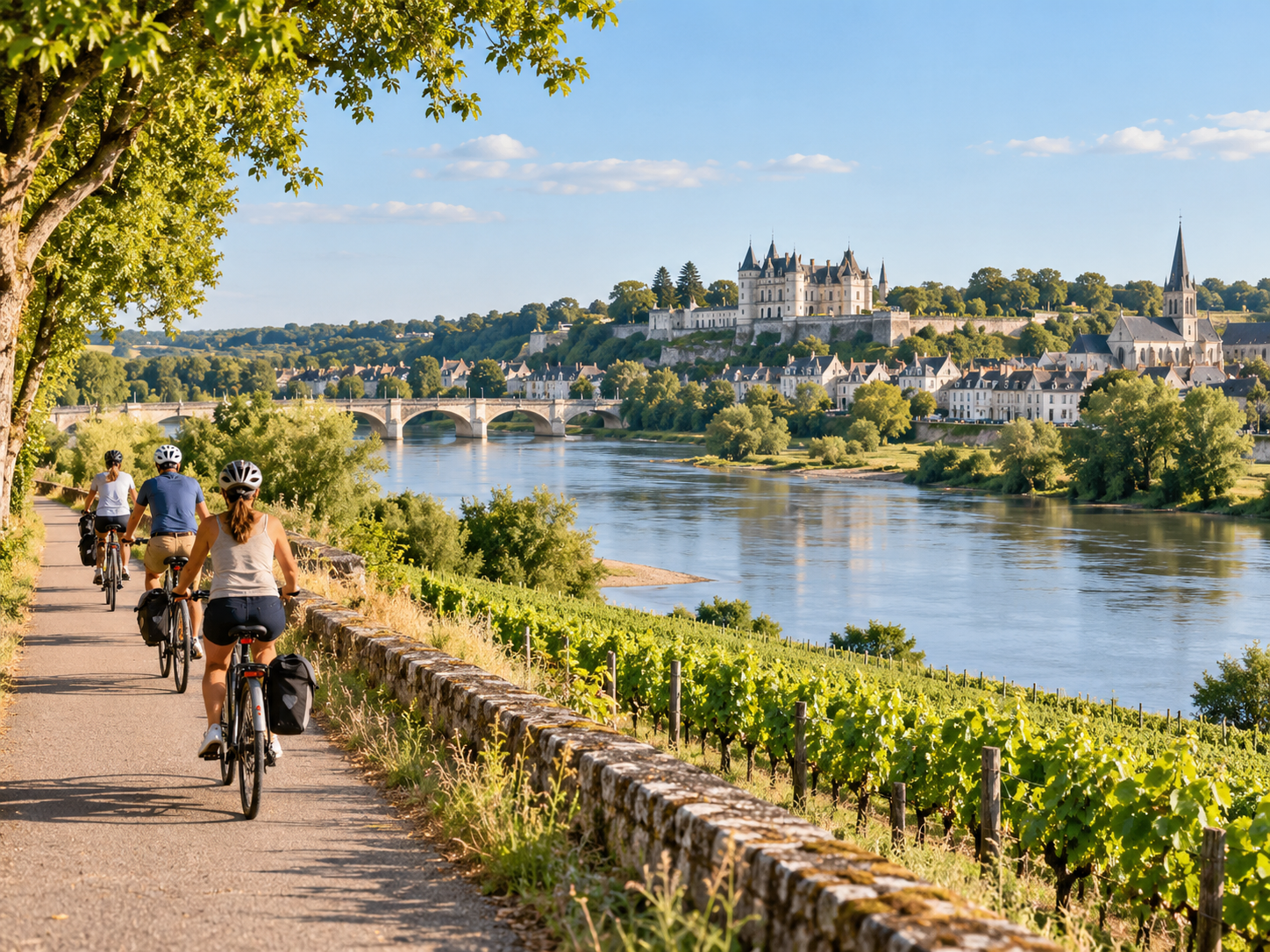
Take a planned cycling outing
Tours works well for a day of cycling with a rented bike and a route agreed in advance. Choose a manageable distance and a clear turnaround point, especially if you want time for lunch or a village stop.
Reserve the right bike size, ask about surface and traffic exposure, and check how you will return if weather changes. A combined cycling-and-water activity is a separate booked product with its own seasonal, age and safety conditions; it should not be improvised from a map.
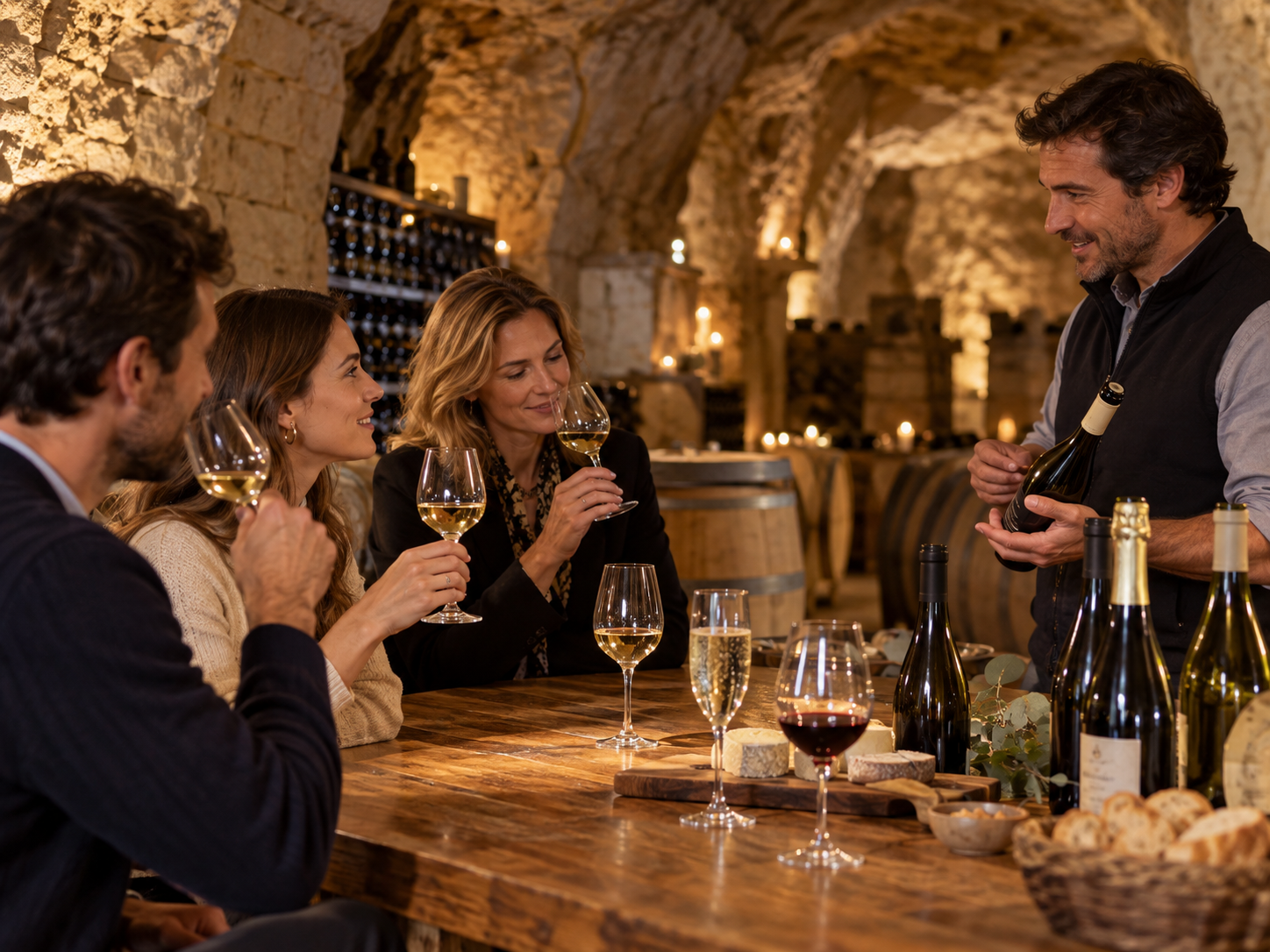
A reserved visit near Tours can introduce Loire whites and the cellars carved into the local stone. Choose one estate or an organised half-day, leaving time to understand the different styles rather than treating tasting as a quick shopping stop.
Check the language, transport and exact meeting point. Some tourist-office packages include transfers while others begin at the cellar itself. Tell the operator about children or non-drinkers, and arrange a driver if members of the group will be tasting.
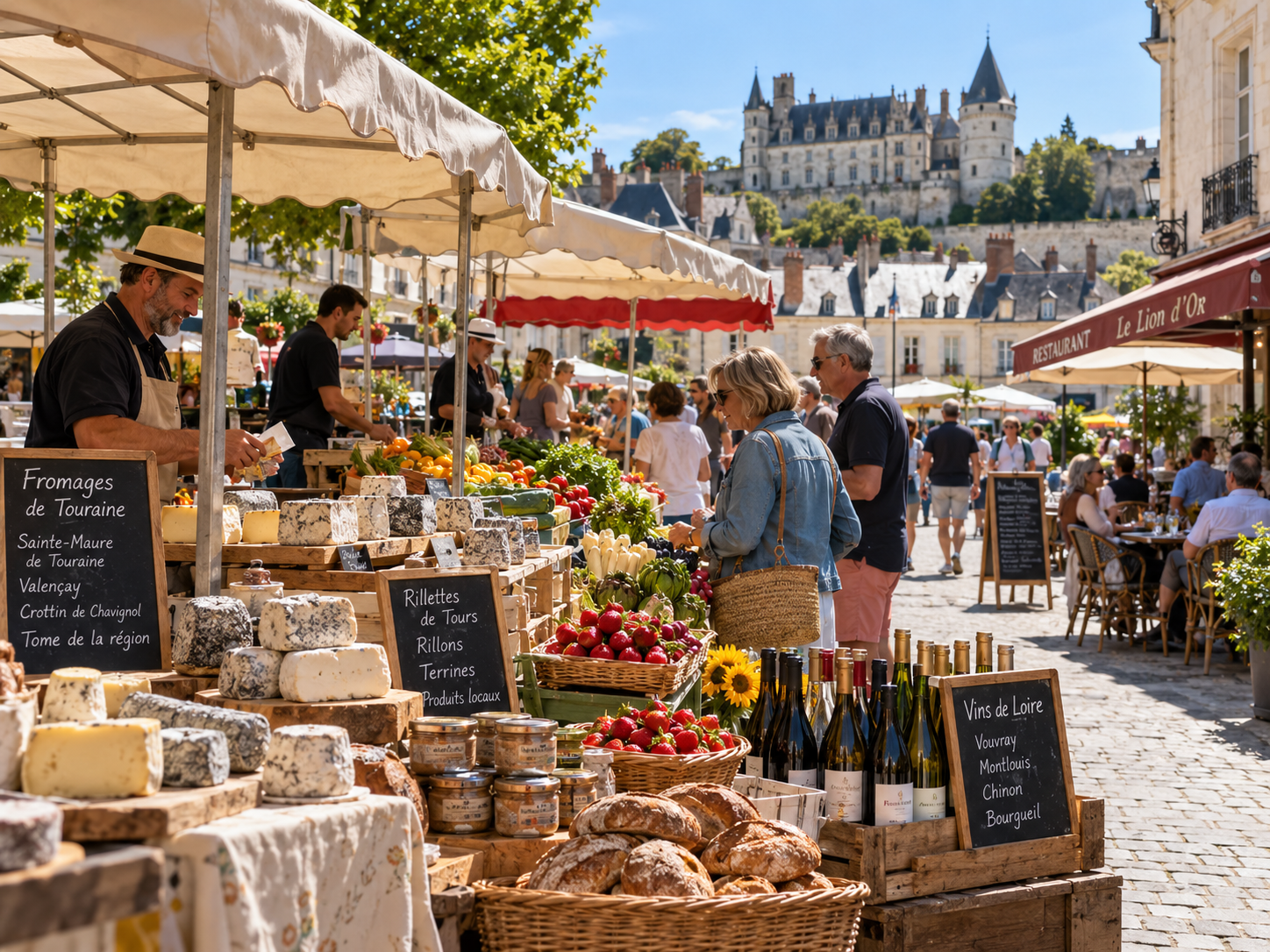
The Halles district is the most convenient place to connect food shopping with a historic-centre walk. The surrounding outdoor market runs on Wednesday and Saturday mornings, while individual indoor traders have their own schedules.
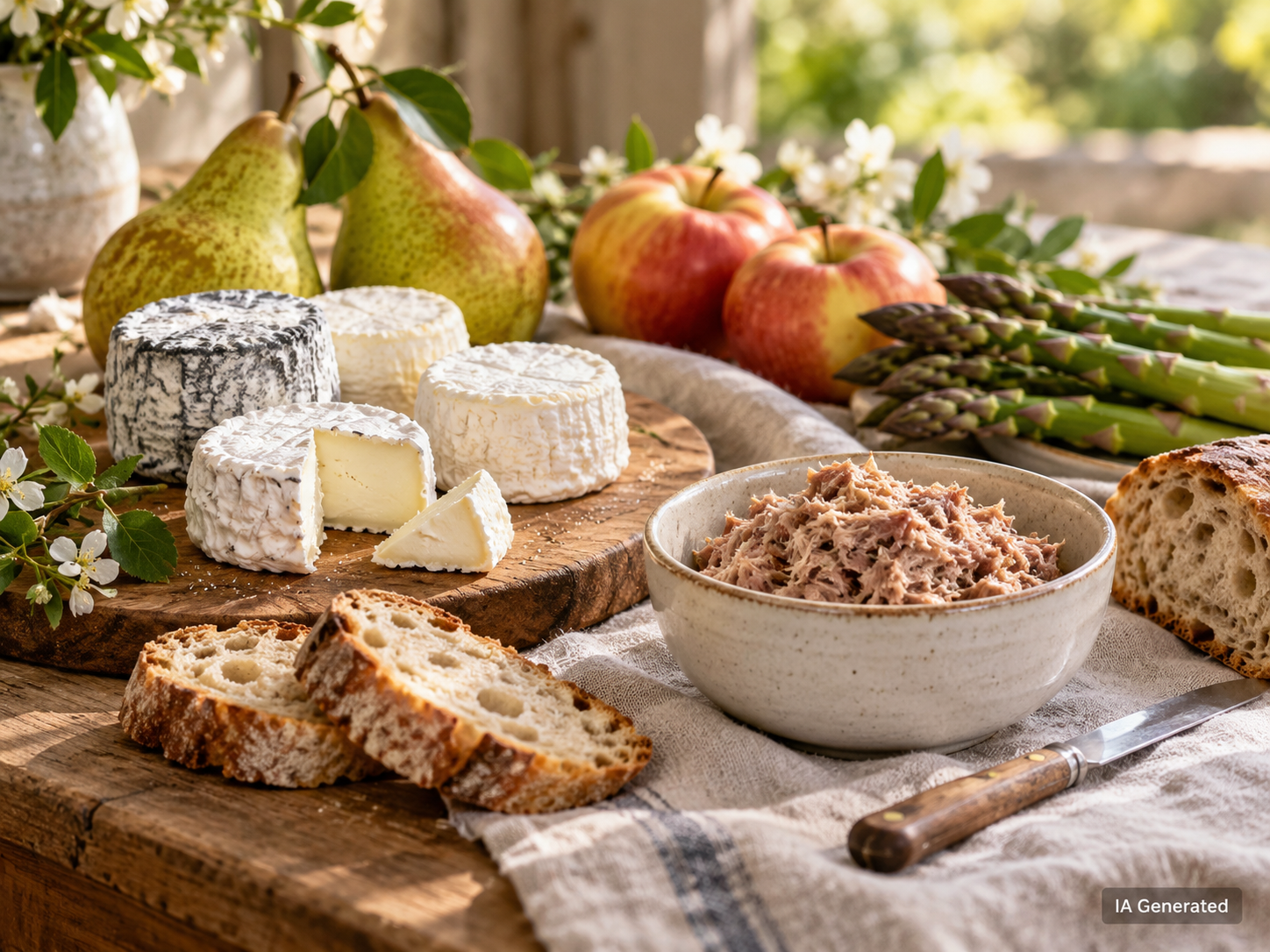
Browse first, then buy what fits your day: cheese, charcuterie, bread or seasonal fruit can make a simple lunch, but perishable food needs proper storage. The image is a general Loire Valley market illustration.
IA Generated — illustrative image; not a photograph of this venue or its products.
Go beyond the main sightseeing loop
A neighbourhood-market morning
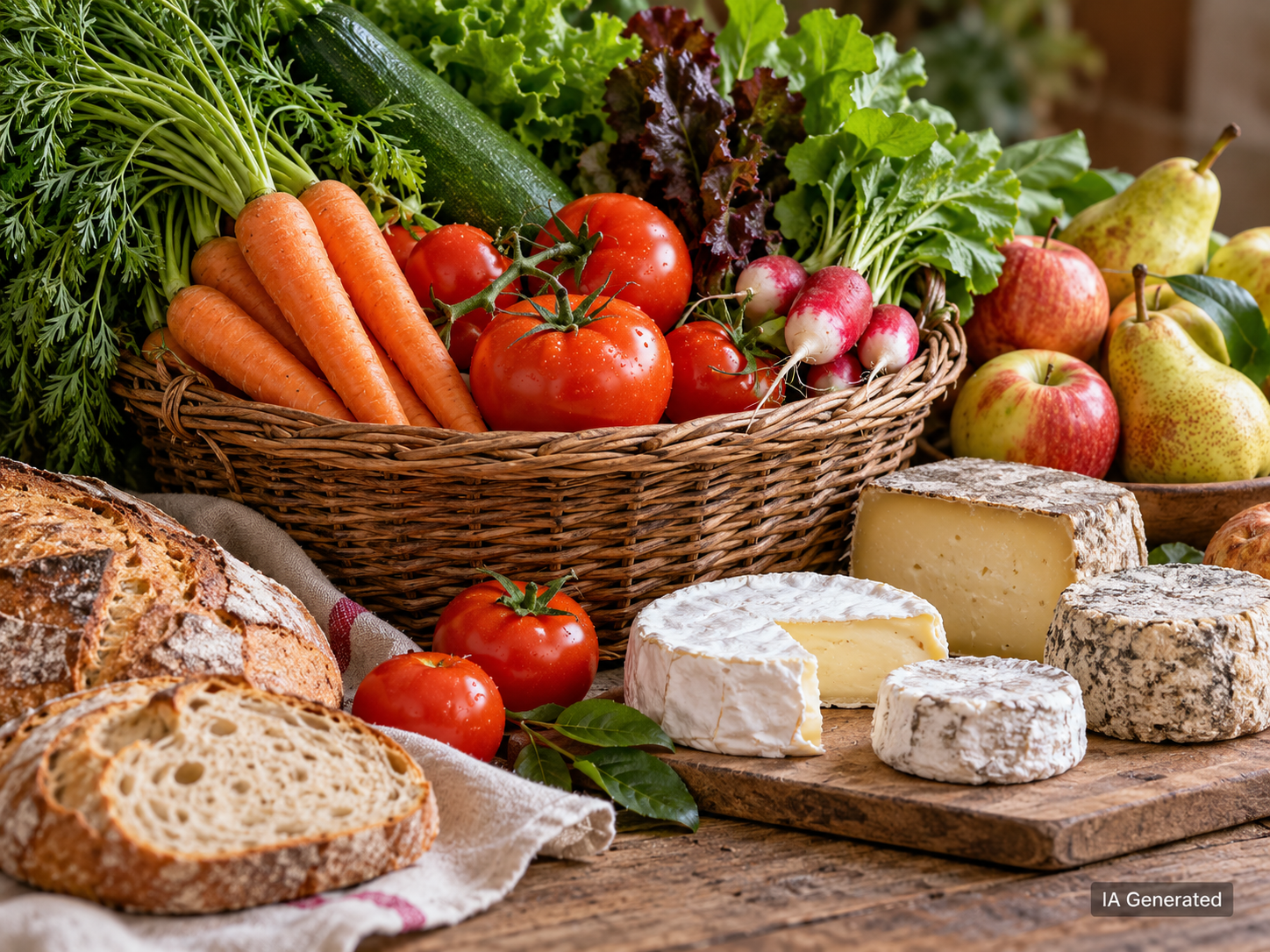
If your stay includes Sunday, the Velpeau market is an option for a more local neighbourhood experience. It lies away from the western old-town circuit, so pair it with the station side of the city rather than crossing back and forth unnecessarily.
Market schedules can be affected by holidays or local events. Confirm the day and location through current municipal information, arrive in the morning and keep the rest of the programme flexible.
IA Generated — illustrative image; not a photograph of this venue or its products.
Seasonal cooking in Vieux Tours
La Deuvalière
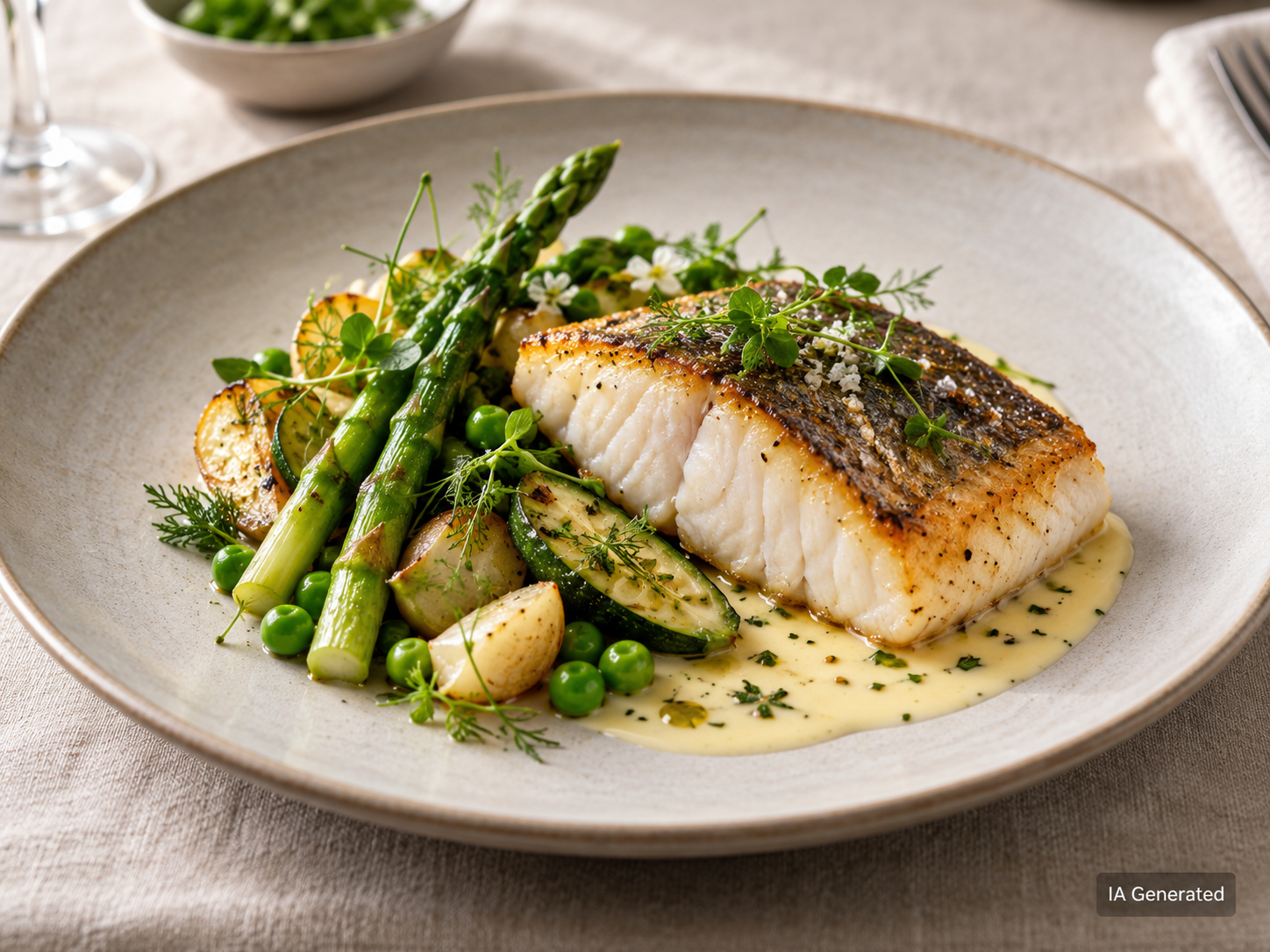
Set in a historic house on Rue de la Monnaie, La Deuvalière is a useful choice for a considered meal close to Place Plumereau. Its own description emphasises fresh products and a changing seasonal menu.
Reserve directly and check the current service days; its published schedule is oriented towards weekdays. Mention dietary requirements when booking and allow enough time for the meal before a train or timed excursion.
IA Generated — regional food illustration; not a photograph of a named restaurant, dish or market.
A planned evening out
L’Accalmie
On Rue de la Grosse Tour, L’Accalmie offers contemporary cooking built around seasonal ingredients. It suits an evening when the restaurant is one of the main pleasures of the day rather than a quick stop between visits.
Check the current menu format and reserve your table. Do not rely on a general city listing for holiday closures or special dietary arrangements; the restaurant is the best source for those details.
IA Generated — illustrative image; not a photograph of this venue or its menu.
A Halles-district option
Le Pavillon
Les Trésorières highlights Le Pavillon, Olivier Arlot’s address in the Halles area, a short distance from the hotel. It can fit naturally into a stay focused on food shops and the western old town.
Confirm the restaurant’s own opening days and reservation arrangements. Its proximity to the hotel should not be read as an included meal or an in-house restaurant service.
These three properties are officially classified four or five stars. They offer different kinds of Tours stay: station-side convenience, a quieter parkland setting north of the river, or a small luxury hotel near Les Halles. Confirm the exact room category and current wellness arrangements before booking.
AI-generated photorealistic view.
4-star hotel · Boulevard Heurteloup, central Tours
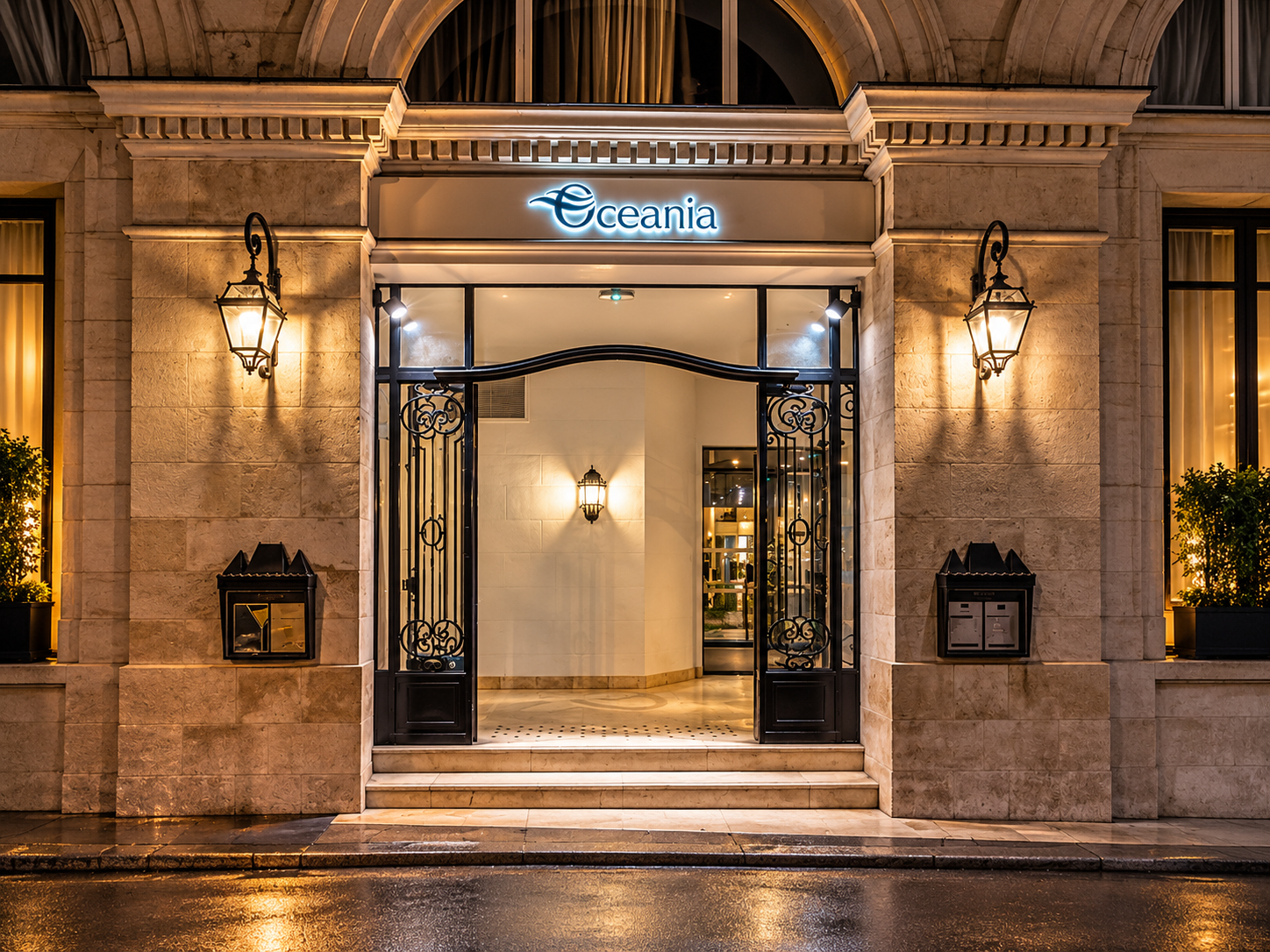
Oceania L’Univers Tours
A historic city hotel close to Tours station and the town hall, convenient for arriving by train and setting off on organised excursions. Its grand-hotel character offers a different atmosphere from a small old-town address.
Best for: Rail travellers and a central base with an indoor wellness area.
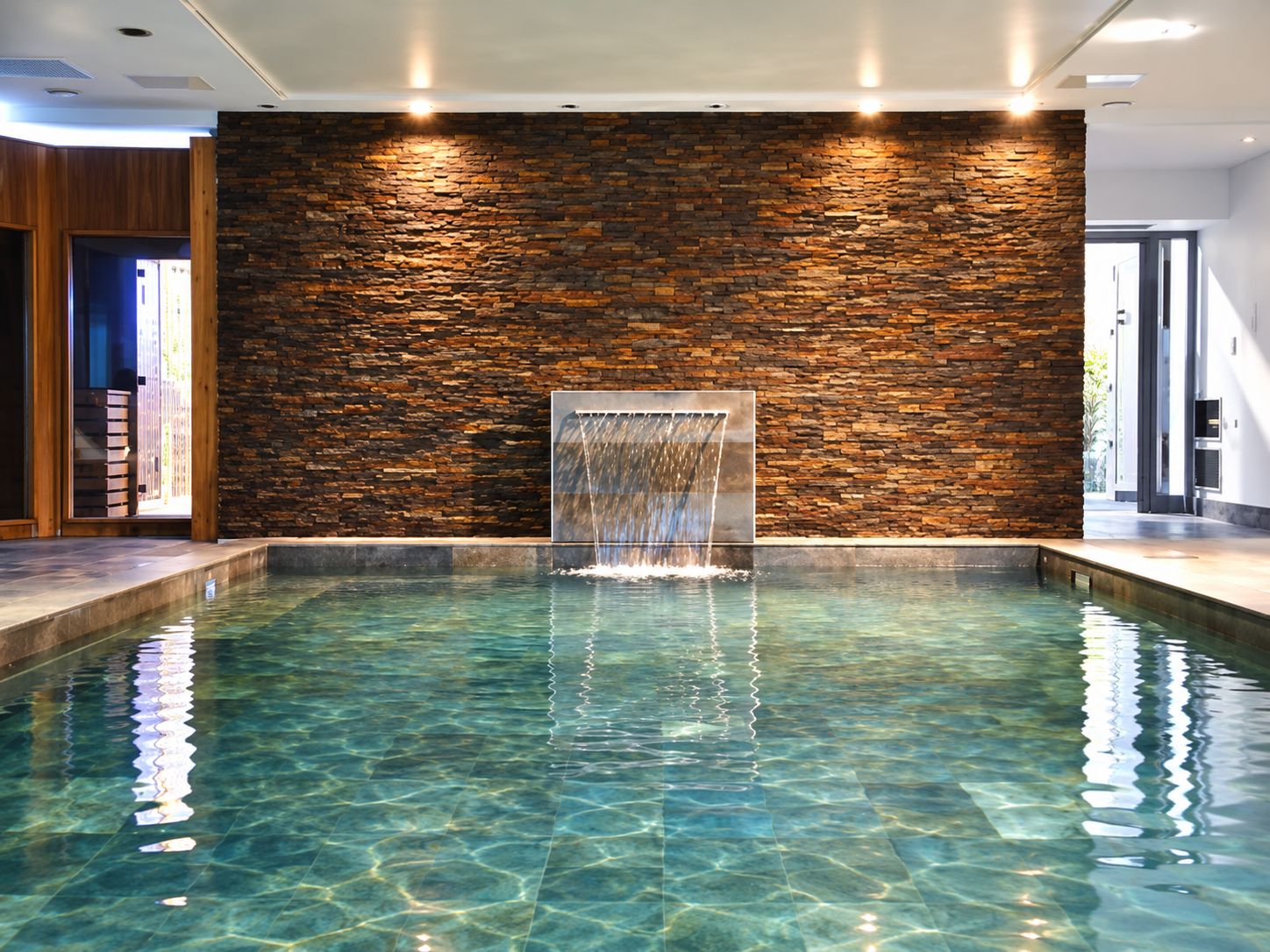
Facilities: Restaurant, indoor pool, spa and massage services, with treatments and some services subject to booking or supplement.
Check parking arrangements directly if arriving by car, as well as pool access rules and treatment availability. Ask about the specific entrance and room route if steps are difficult.
4-star hotel and residence · Rue Groison, north of the Loire
Château Belmont
A leafy setting with accommodation divided between the historic château and a separate tourism residence. It is a quieter choice within Tours, particularly if you value the grounds and wellness facilities as much as immediate old-town access.
Best for: Longer stays, families choosing an appropriate residence category and travellers with a car.
Facilities: Restaurant, bar, indoor heated pool, sauna, hammam, fitness area and parking; residence accommodation has kitchenettes.
Book the building and category you actually want. The hotel lists adapted rooms in the residence, and the park is shared with a senior residence. Check spa maintenance periods, access hours and any treatment supplements.
5-star boutique hotel · Place Jean Meunier, Les Halles district
Les Trésorières
A small luxury hotel well placed for the food shops, restaurants and lanes west of Rue Nationale. Its scale and contemporary interiors make it a strong choice for a city break with time to enjoy the hotel between walks.
Best for: Couples and food-focused travellers who want to explore central Tours on foot.
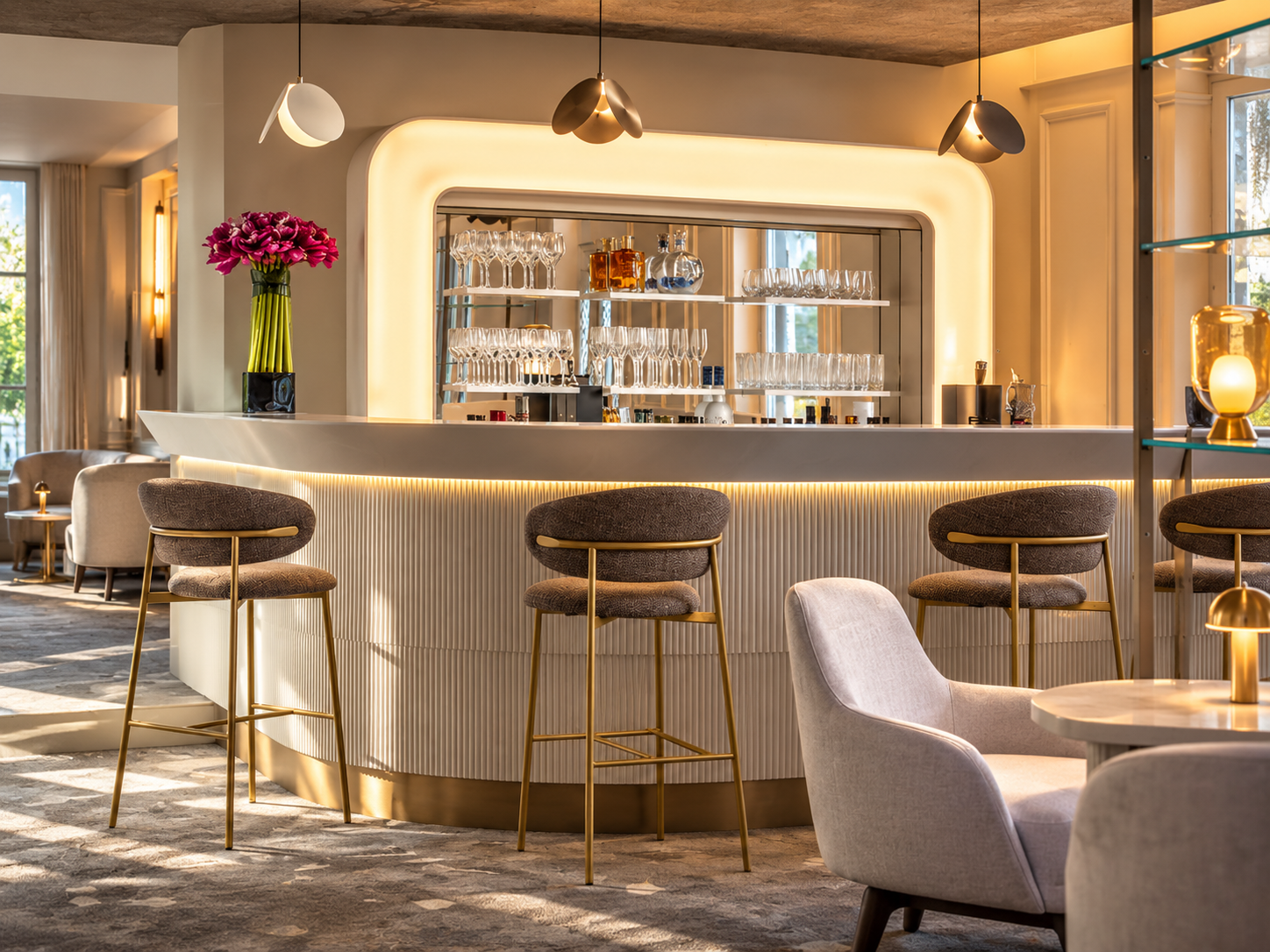
Facilities: Indoor pool, sauna, hammam, fitness area, bar and lounge, with air-conditioned rooms and Wi-Fi.
Confirm parking availability, access instructions and any charges before arrival. Ask for an adapted room when required and check the current rules for the wellness area; a booking does not guarantee every facility is available without interruption.
Spring is a good match for Tours: spend a day among the historic streets and add a garden-focused outing as the season develops. Keep a museum option ready for rain and avoid making every meal dependent on a terrace.
Popular weekends and holidays can still fill hotels and excursion departures. Reserve your key outing early, leaving city walks to fit the weather.
Lively evenings and long days
Summer
Summer gives more daylight for the river and countryside, with the city centre lively into the evening. Visit exposed streets and gardens earlier, then use the middle of the day for a relaxed meal or hotel break.
Check heat-related notices at museums: historic buildings are not all air-conditioned. Carry water, book popular restaurants and ask for a quieter room if nightlife is likely to affect your sleep.
Food, wine and art
Autumn
Autumn works especially well for a mixture of markets, museums and a reserved wine visit. Vineyard colour and harvest activity can be appealing, but estate schedules are shaped by work as well as visitors.
Shorter days favour a smaller number of countryside stops. Confirm seasonal transport and the final entry time of each château before combining two visits.
A compact cultural stay
Winter
Tours remains a useful base when outdoor programmes are reduced, thanks to its museums, restaurants and rail connections. Plan the city day around weekly museum closures and keep some time for shops and cafés.
Do not assume summer river activities or excursion frequencies continue unchanged. Check restaurant holiday breaks and choose a hotel whose facilities are operating on your dates.
How Long to Spend
One full day can connect the cathedral quarter, a single museum, the old town and the river. Trying to fit all three major museums into that day leaves little time for the city itself. Pick the collection that best matches your interests.
Two nights give room for a more relaxed city visit and a half-day excursion. Three or four nights make Tours a practical base for the wider Loire Valley, with one main countryside direction each day. If you have a car, decide whether to keep it parked during the city portion and collect or use it only for the excursions that need it.
Getting There
Tours and Saint-Pierre-des-Corps
By train
Check the station name on every ticket. Tours centre is convenient for the city’s hotels and walking routes, while many mainline services use Saint-Pierre-des-Corps. A connection or transfer may be needed between the two.
Build time for that transfer into the arrival day and check the final service when returning late. A hotel described as near Tours station is not automatically a short walk from Saint-Pierre-des-Corps. Confirm the complete itinerary through the rail operator before booking a timed activity.
Park once for the city day
By car
Driving is useful for independent château and vineyard days, but less useful for moving between the main central sights. Follow the hotel’s instructions for luggage unloading, then leave the car in an appropriate car park.
Check garage height, access hours and overnight conditions. A public park-and-ride ticket is designed for daytime travel and should not be assumed to cover a multi-night stay.
A practical car-free option
With organised excursions
The tourist office lists half-day and full-day trips with different combinations of transport, admission and guiding. Read the inclusions carefully and check the departure point, language and amount of walking.
A product that includes transport only is not the same as a fully guided visit. Choose the pace as well as the destinations, and keep at least one free evening in Tours after a longer excursion.
For the central historic districts, walking is usually the simplest connection once you have parked. Use a city car park or the hotel’s confirmed parking option and check whether the price permits the length of stay you need. Temporary works can affect the final approach even when the hotel address has not changed.
Fil Bleu operates park-and-ride facilities linked to the bus and tram network. Opening and access arrangements differ between staffed and automated sites, and parking is limited to the day. Check the current site-specific instructions, ticket requirements and vehicle-height limit before committing to a location.
The tram is useful for crossing the city and reaching the north side, but the final walk to a hotel or museum still matters. Check the live network information for works and replacement services. Keep cycle lanes and tram tracks in mind when walking across the larger streets.
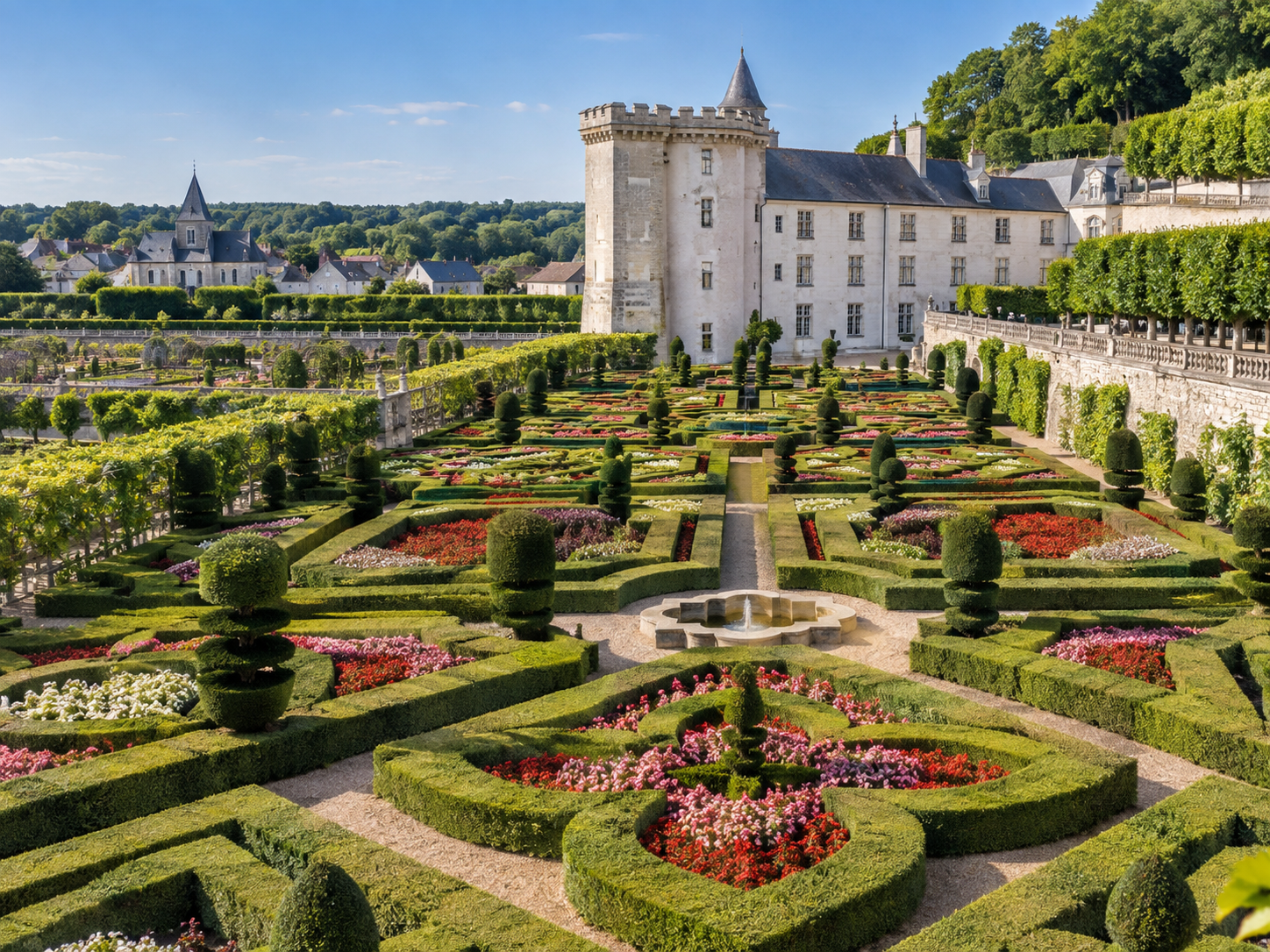
Villandry is particularly rewarding when you give the gardens time, rather than treating them as an exterior view before another château. Choose the season and weather with your interests in mind and check which ticket includes the spaces you want.
Plan the outward and return transport in advance if travelling without a car. An organised outing can simplify the connection, but make sure the time on site is sufficient for your pace.
AI-generated photorealistic view.
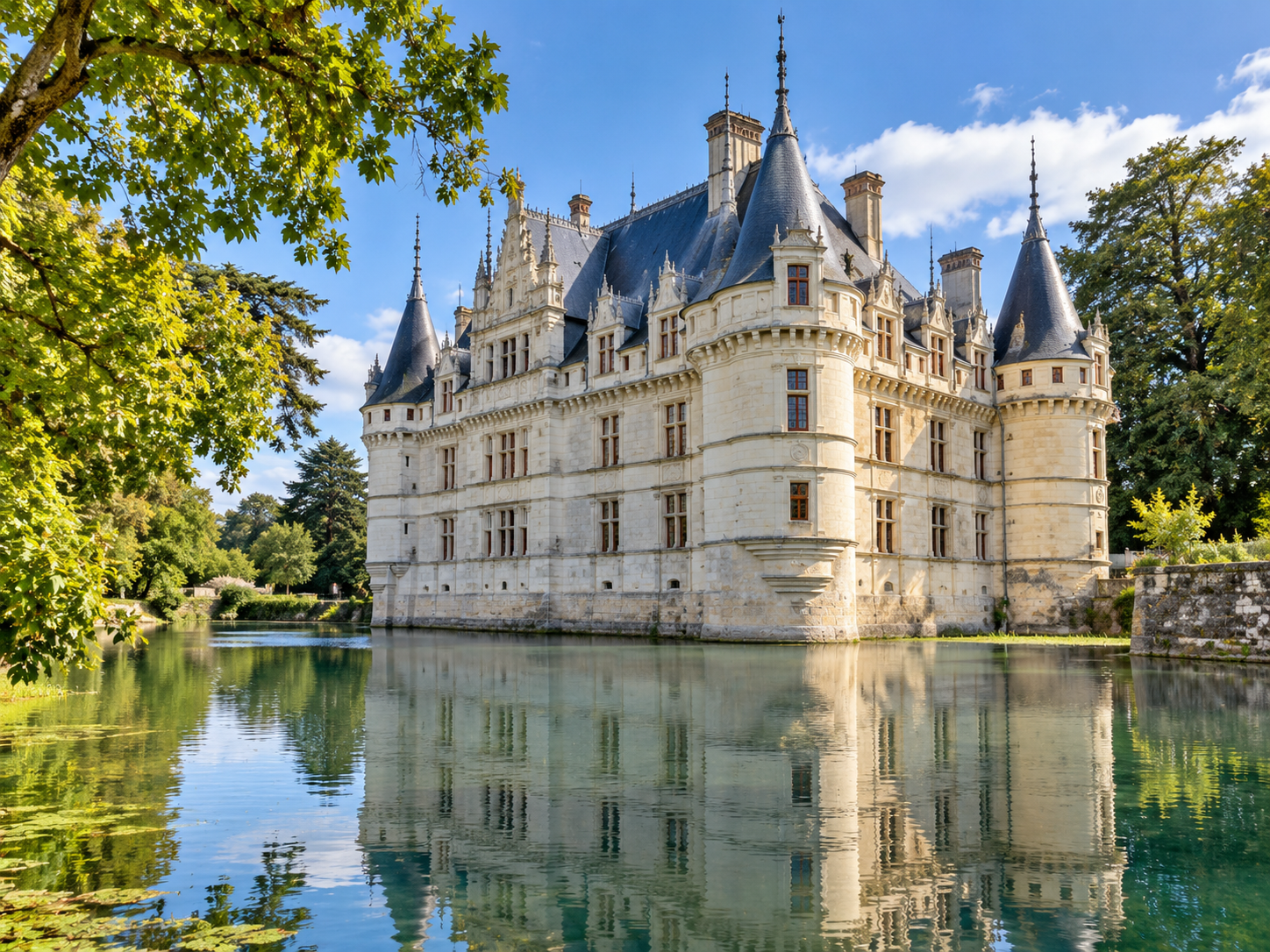
Architecture and water
Azay-le-Rideau
Azay-le-Rideau offers a more compact château visit with a village setting, making it a natural contrast with urban Tours. Allow time to walk the grounds and enjoy the village after the interior visit.
Check the complete transport connection: arrival in the surrounding area is not always arrival at the château gate. Combine with Villandry only if the journey and opening hours leave a comfortable lunch break.
AI-generated photorealistic view.
Choose the focus of the day
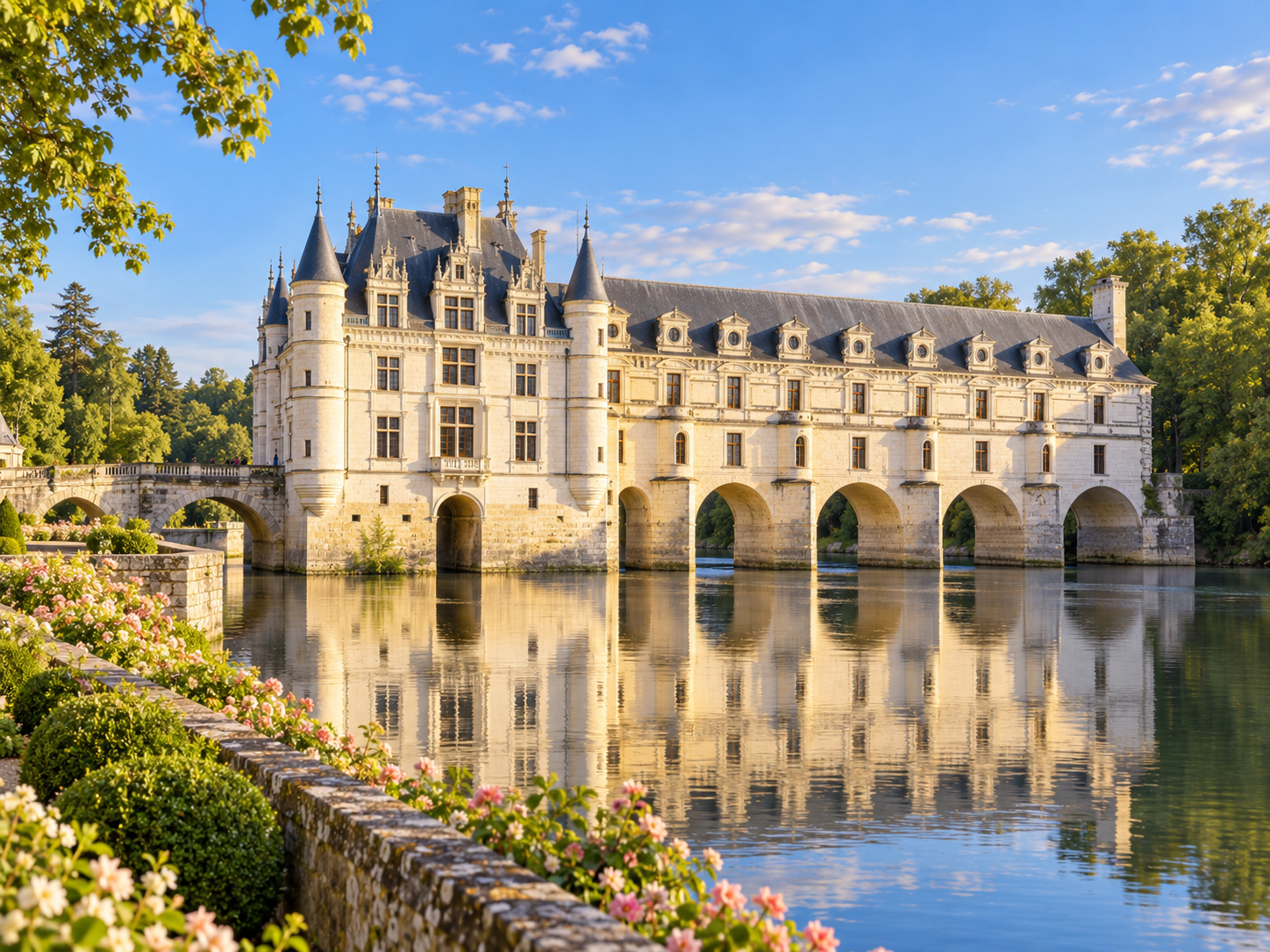
Amboise and Chenonceau
Amboise suits a day combining a town, royal history and the world of Leonardo da Vinci, while Chenonceau rewards a focused château-and-garden visit. Either can be the central attraction of a day from Tours.
If combining them, check timed admissions and the transport between sites before buying tickets. A railway route to one destination does not necessarily make the connection to the second equally simple.
A wine-country half-day
Vouvray and Montlouis
The nearby wine areas are an appealing way to step outside the city without turning the day into a long château circuit. Choose one confirmed visit and allow time to understand the wines and the cellar setting.
Ask whether the experience is in English and whether transfers are included. Keep a warm layer for underground cellars and arrange the journey back before the tasting.
Walking Routes & Suggested Itineraries
East to west with one museum
One day across historic Tours
Start in the cathedral quarter, then choose the Musée des Beaux-Arts if art is a priority. Walk towards Rue Nationale and pause for lunch before continuing into Vieux Tours.
Spend the afternoon around Place Plumereau, Saint-Martin and Les Halles, then finish with a river view near Pont Wilson. Reverse the route on a market morning if you want to shop before the stalls begin packing up.
Two contrasting visits
A city day for craft and contemporary art
Begin at the Musée du Compagnonnage, checking its midday break and weekly closure. After lunch, visit CCC OD if the current exhibition interests you, then let the rest of the afternoon remain flexible.
Add a short old-town walk and an early dinner rather than another museum. This route is particularly useful when weather makes a long riverside or garden outing less appealing.
City, gardens and wine
Three days based in Tours
Use the first day for Tours itself. Give the second to Villandry and, if the pace permits, Azay-le-Rideau. On the third, choose either a wine-country outing or a day centred on Amboise or Chenonceau.
Adapt the order to closures and the weather. A garden day is better moved than endured in heavy rain, while a reserved winery appointment may need to remain the fixed point in the programme.
Accessibility & Practical Advice
Central Tours is relatively manageable on foot, but cobbles, kerbs, busy crossings and the distance between quarters can still be tiring. Plan a shorter route with café breaks if required, and use public transport for the less rewarding connecting stretches.
The fine arts museum describes an access ramp, an interior lift and specific arrangements at its ticket desk, which is not directly accessible to wheelchair users. Contact the museum about arrival, adapted parking and assistance. The municipal listing also identifies the Musée du Compagnonnage as accessible; confirm any individual requirements before the visit.
Churches are active places of worship, so sightseeing may pause for services. Some tower and crypt routes are more demanding than the main entrance suggests. Ask about the exact route rather than relying on a general accessibility label.
For families, alternate one cultural visit with an outdoor pause and an uncomplicated meal. Check child policies for spa areas and the suitability of organised excursions; a long guided day is not automatically the best way to see more.
Keep the full rail itinerary, hotel instructions and excursion meeting points available offline. A morning departure outside the tourist office and a station departure can be close on a map but still require different walking and luggage arrangements.
FWP Insider Advice
Treat Tours as part of the holiday, not simply somewhere to sleep between castles. A market morning and a good evening meal often make the regional itinerary feel more balanced.
Choose a hotel by the daily pattern you want. Station-side convenience, an old-town food focus and a quieter parkland setting are three different advantages; none is the best answer for every trip.
Avoid adding a second château just because it looks close on a map. Admission queues, grounds, parking and lunch all take time, and the most satisfying day often has one main visit and one smaller stop.
Frequently Asked Questions
Is Tours a good base without a car?
Yes. Central rail access, walking, the tram and organised excursions make it one of the more practical Loire Valley bases without a car. Check transport to each individual château.
Are Tours and Saint-Pierre-des-Corps the same station?
No. They are separate stations. Read your ticket carefully and include any connection or transfer in your travel plan.
How long should I stay in Tours?
Allow at least one full city day. Three or four nights work well if you also want several château, garden or vineyard excursions.
When is the market near Les Halles?
The outdoor market around Les Halles runs on Wednesday and Saturday mornings. Indoor traders have separate opening arrangements.
Which museum should I choose?
Choose the Musée des Beaux-Arts for painting and sculpture, the Musée du Compagnonnage for craft and workmanship, or CCC OD for changing contemporary exhibitions.
Can I leave a car overnight at a park-and-ride?
Do not assume so. Fil Bleu’s park-and-ride arrangements are for daytime parking; use a confirmed overnight car park or hotel option for a multi-night stay.
Plan Your Stay
France. Well Planned.
Make Tours the right base for your Loire Valley.
We plan. You choose. You book.
We help you choose overnight locations, connect the places you want to see and build a realistic rhythm for city walks, gardens, food and wine.
Last reviewed: 3 October 2026. Practical information, schedules and services may change. Use the linked operators to confirm your dates. Travel times in this guide are planning estimates, not timetables.
Destination images are AI-generated photorealistic illustrations from the FWP Loire Valley collection. Hotel images are AI-generated interpretations based on reference photographs from the hotels’ official websites; they are not original hotel photographs or guarantees of a specific room or service. Market, river, cycling and tasting scenes are illustrative. Confirm current facilities and room appearance directly.