Hilltop lanes, artists’ stories & a different Paris by the canal
Give Montmartre time beyond its famous skyline: follow the smaller streets, step into its artistic history and stay for a considered meal. Explore the Canal Saint-Martin on a separate circuit, with space between the two neighbourhoods.
The main circuit covers the Montmartre butte, Abbesses, rue Lepic and the Pigalle foothills. Northern Paris also includes the ninth-arrondissement approach around rue Cadet. The Canal Saint-Martin, in the tenth, is a distinct complementary area: it is not at the foot of Sacré-Cœur.
Setting
A hill and its neighbourhoodsMontmartre’s summit, lower streets and a separate canal outing.
Allow
One full day, or two slower daysA half-day covers a focused hill circuit; the canal needs its own time.
Interests
Art, views & local streetsA museum, a working basilica, food shops and seated meals.
Getting around
Métro + walkingUse the funicular for one steep section; plan the remaining slopes.
On foot
Uneven and often steepStairs, cobbles and narrow pavements affect the route.
Main constraint
Terrain and crowdsAn early start and a short route can make a substantial difference.
Visit lengths, suggested combinations and travel styles are FWP editorial advice. Practical sources checked 2026-10-02.
Why Visit Montmartre & Northern Paris?
Montmartre works best as a neighbourhood rather than a single viewpoint. The skyline draws you uphill, but the pleasure lies in the sequence: a square, a painter’s story, an unexpected view and a meal that gives your legs a rest. The museum adds context to streets that otherwise risk becoming a collection of photographs.
The Canal Saint-Martin offers a useful change of mood: locks, waterside paths, footbridges and places to sit. Treat it as a second chapter, reached by transport or explored on another day. Trying to join everything into one continuous sightseeing walk usually spends too much energy on the connection.
Where to Go & What to See
Visit lengths are FWP planning allowances, excluding queues and travel. The basilica, dome and museum have separate access conditions; a walk around a landmark is not an interior visit.
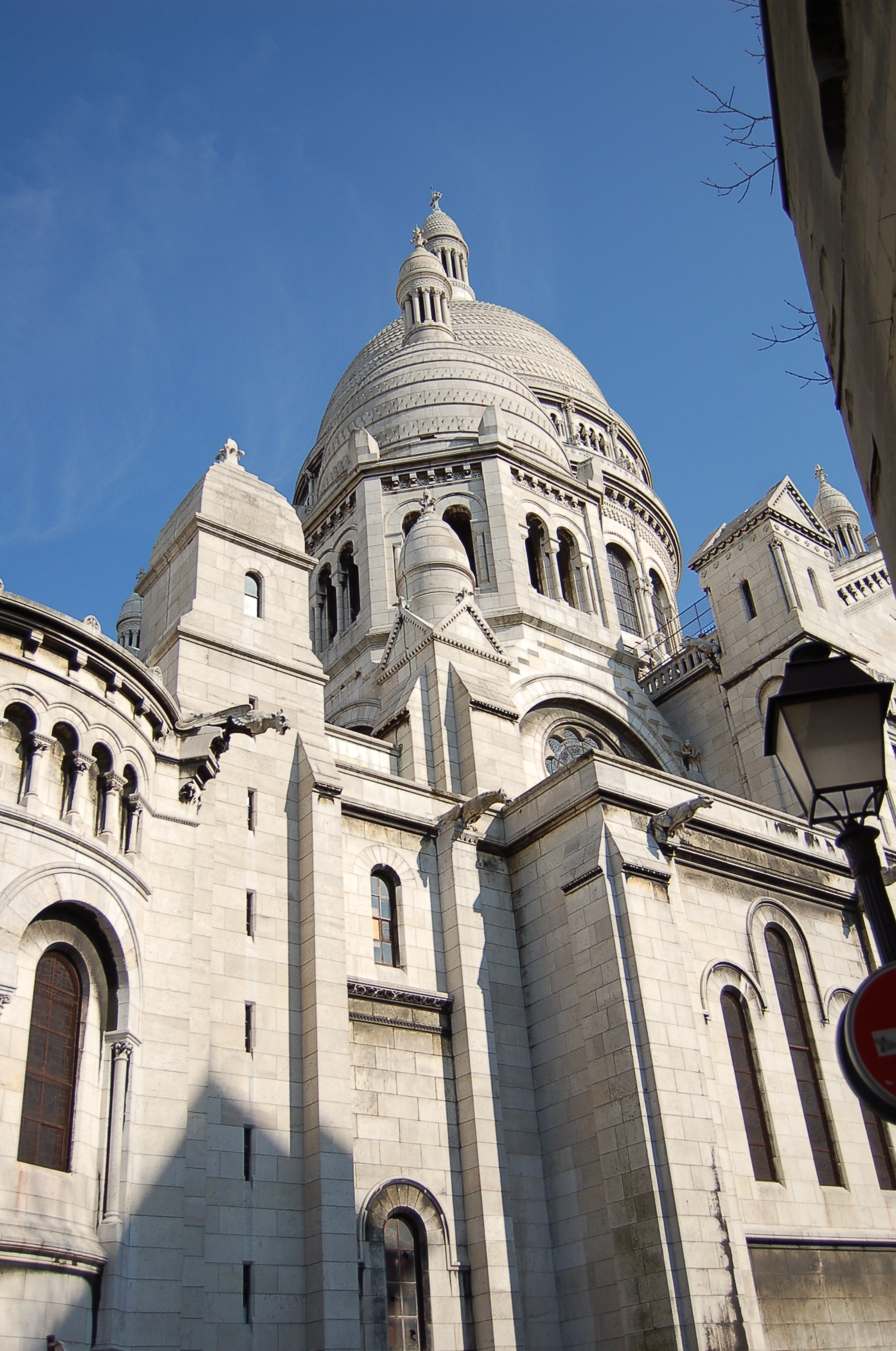
Visit the basilica quietly, then allow time outside for the view. The interior is a place of prayer and should not be treated as an extension of the busy forecourt.
Allow: 30–45 minutes inside, plus waiting Best for: Architecture and spiritual heritage
Plan for: Free admission; normally daily 6.30am–10.30pm. Respect services, dress guidance and restricted prayer areas. The reduced-mobility entrance has shorter hours.
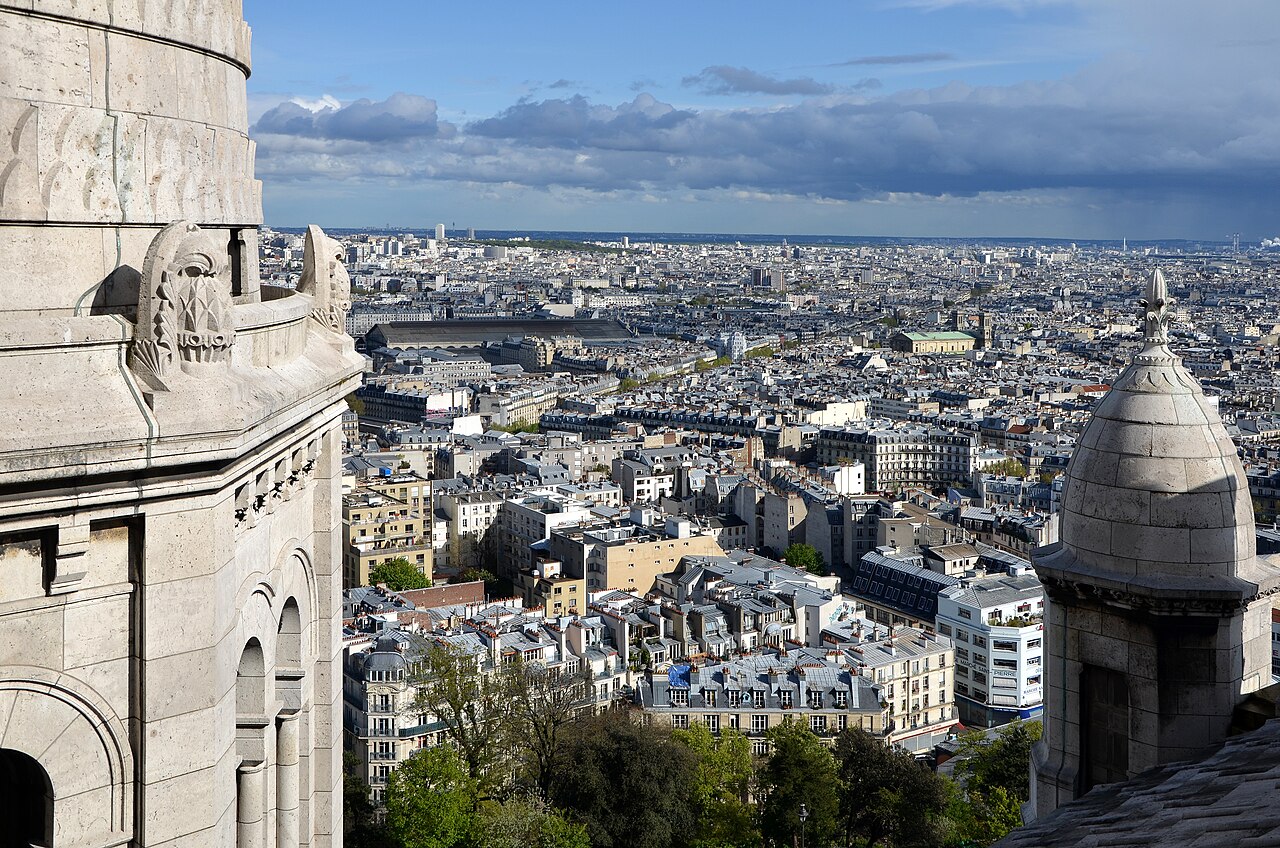
A higher panorama for visitors comfortable with a confined stair climb. Keep it optional: the forecourt already gives a strong sense of the city.
Allow: 30–45 minutes, plus waiting Best for: Fit walkers comfortable with stairs
Plan for: The operator specifies 280 narrow steps and no lift. Tickets are bought on site. Opening hours vary with season, weather and maintenance; check the day before.
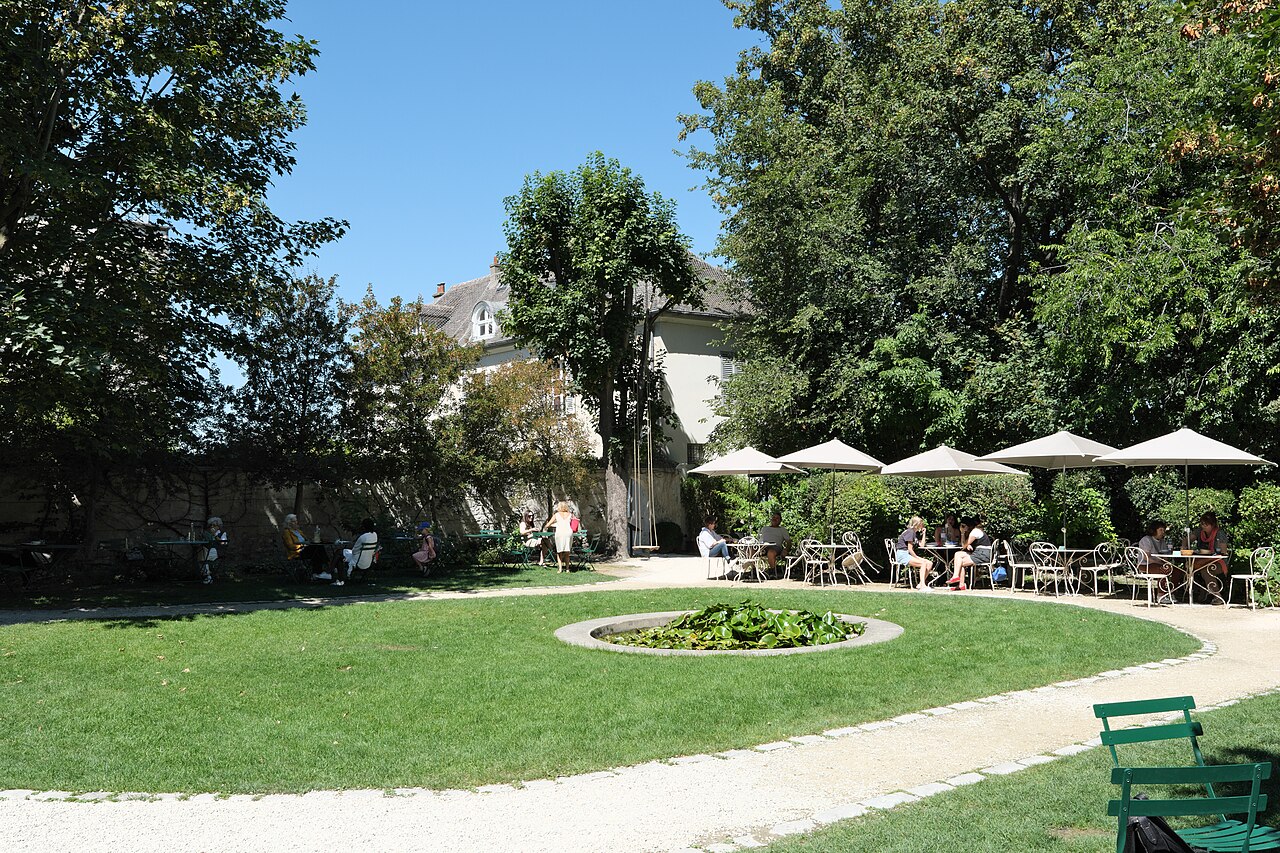
A compact introduction to the artists and entertainment history of the butte. Give the displays and gardens time rather than visiting only for the photograph.
Allow: 1½–2 hours Best for: Art history and a quieter cultural interval
Plan for: Normally daily 10am–6pm, last entry 45 minutes before closing. Garden and café closures may differ from museum hours. Temporary exhibitions have lift access; permanent collections involve paving, steps and stairs.
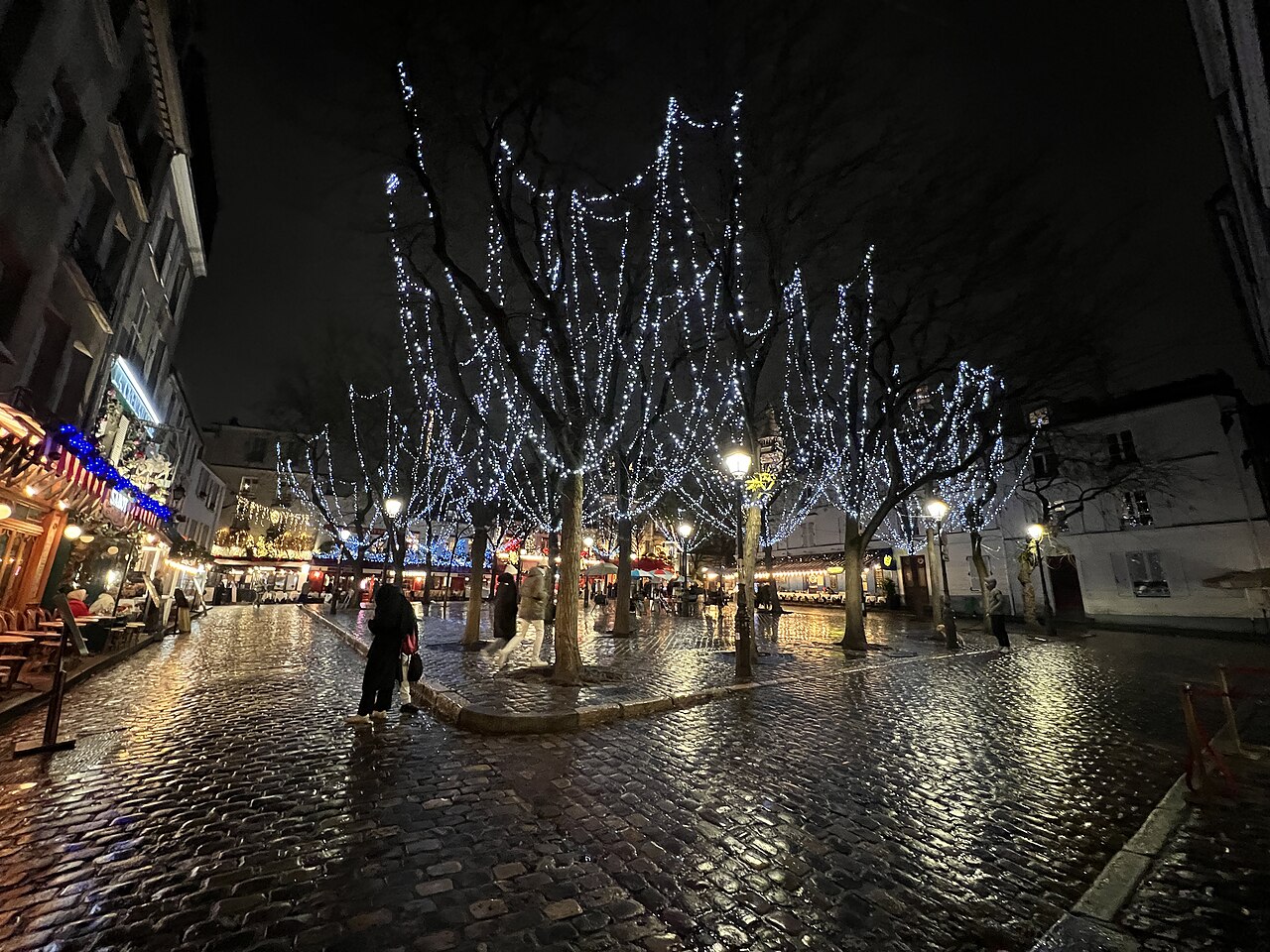
Look at the working artists, then leave room to follow quieter neighbouring lanes. A portrait is a separate purchase: agree the format and price before work starts.
Allow: 30–60 minutes Best for: First-time visitors and street atmosphere
Plan for: This is an outdoor public square with businesses keeping their own hours. Expect crowds and uneven paving; do not assume a quiet scene at midday.
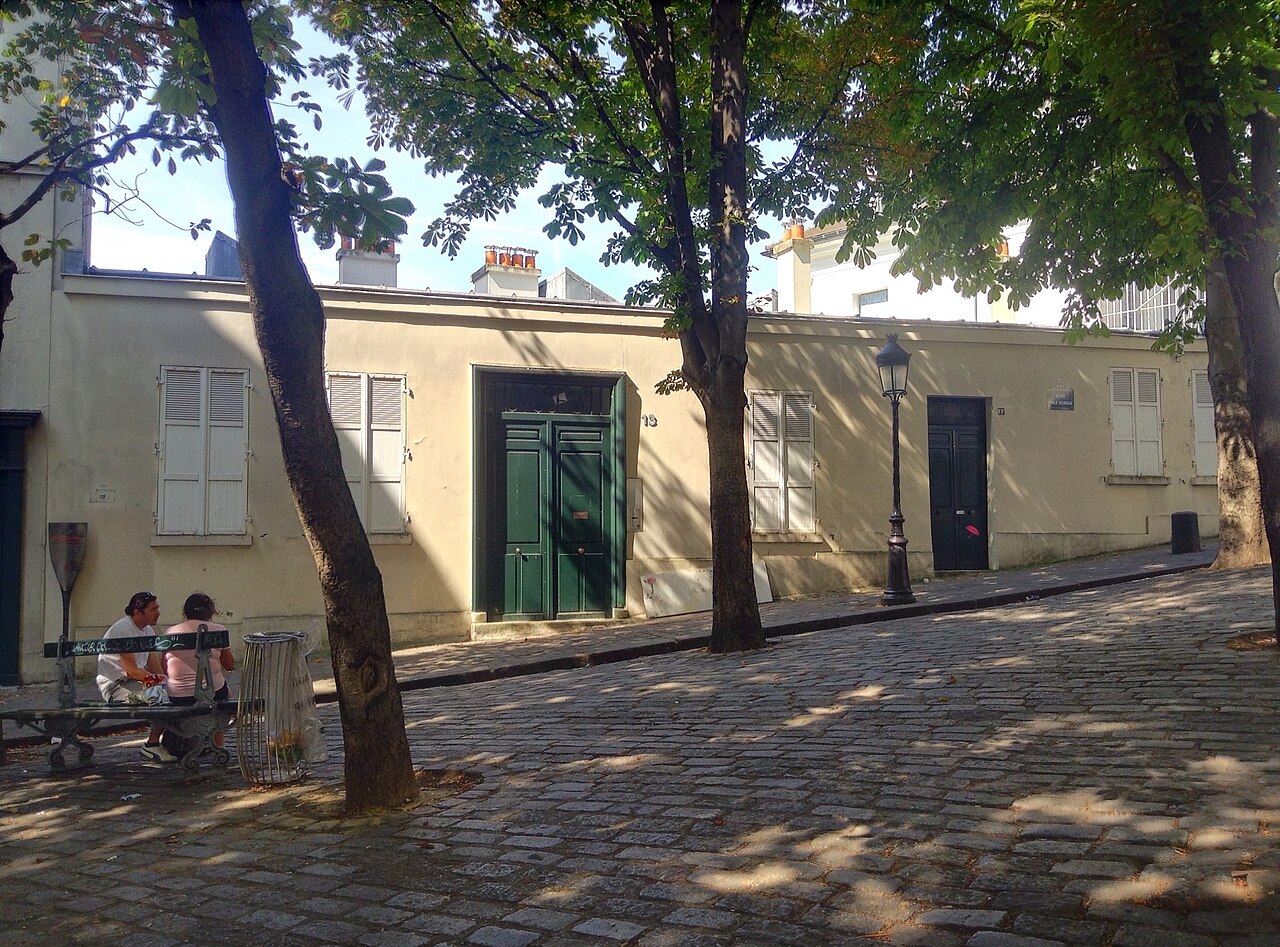
Use Place des Abbesses and Place Émile-Goudeau to connect the artistic story with the everyday streets. Rue Lepic gives a longer, curving approach to the hill.
Allow: 1½–2 hours with pauses Best for: Independent explorers and art-minded visitors
Plan for: Treat Bateau-Lavoir as an exterior stop, not an unbooked studio visit. Gradients remain even when you avoid staircases. The windmills are not general walk-in attractions.
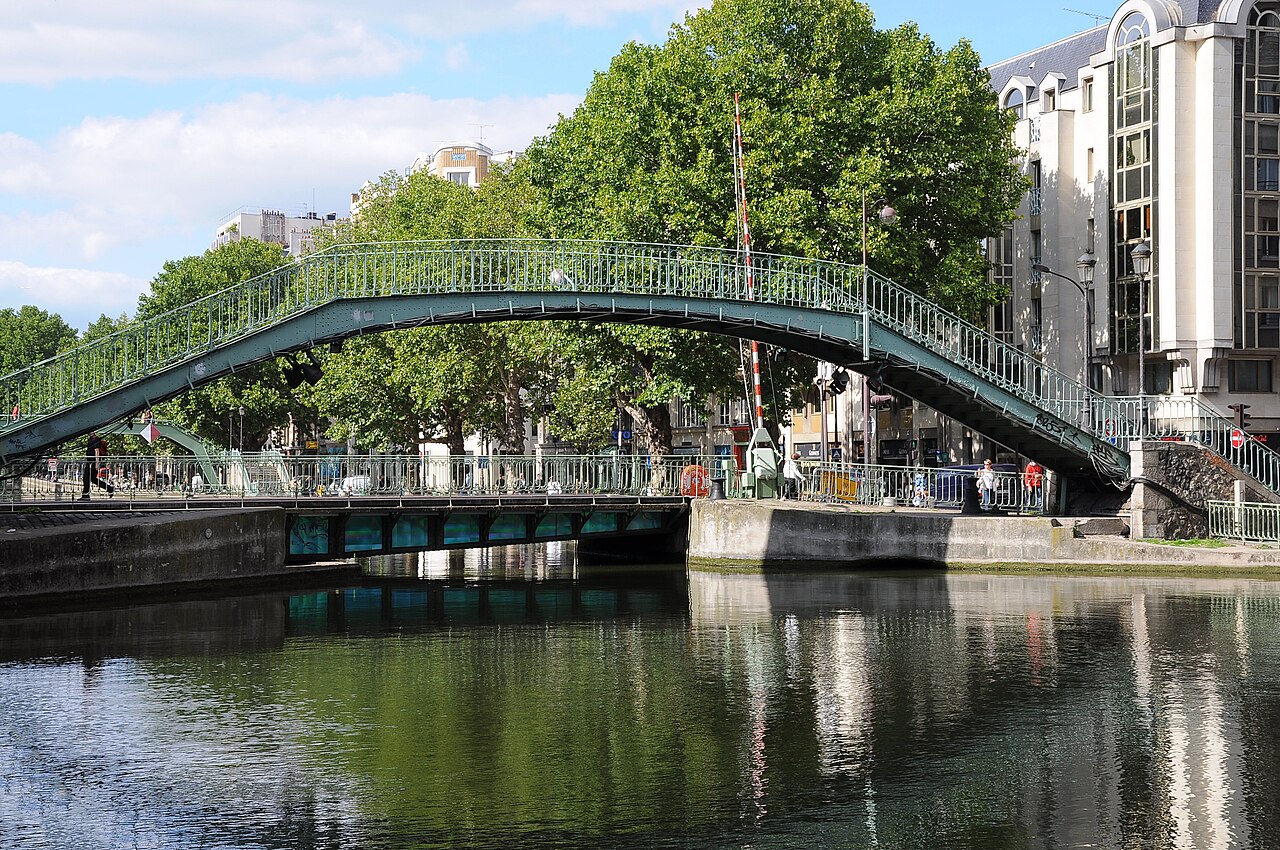
Follow the canal around Quai de Jemmapes and Quai de Valmy for locks, bridges and a slower waterside interval. Start near République and keep the route as short as you need.
Allow: 2–3 hours with a seated break Best for: A contrasting second half-day; relaxed city walking
Plan for: The canal is in the tenth arrondissement, separate from Montmartre. Footbridges may have stairs; use street-level crossings when appropriate and supervise children beside the water.
Pair Musée de Montmartre with an exterior pause at Bateau-Lavoir. The museum gives names and context to the neighbourhood; the walk lets you see its scale.
Use the funicular for the steep ascent near Square Louise-Michel, then choose a short summit circuit. This saves one climb without pretending the rest of Montmartre is flat.
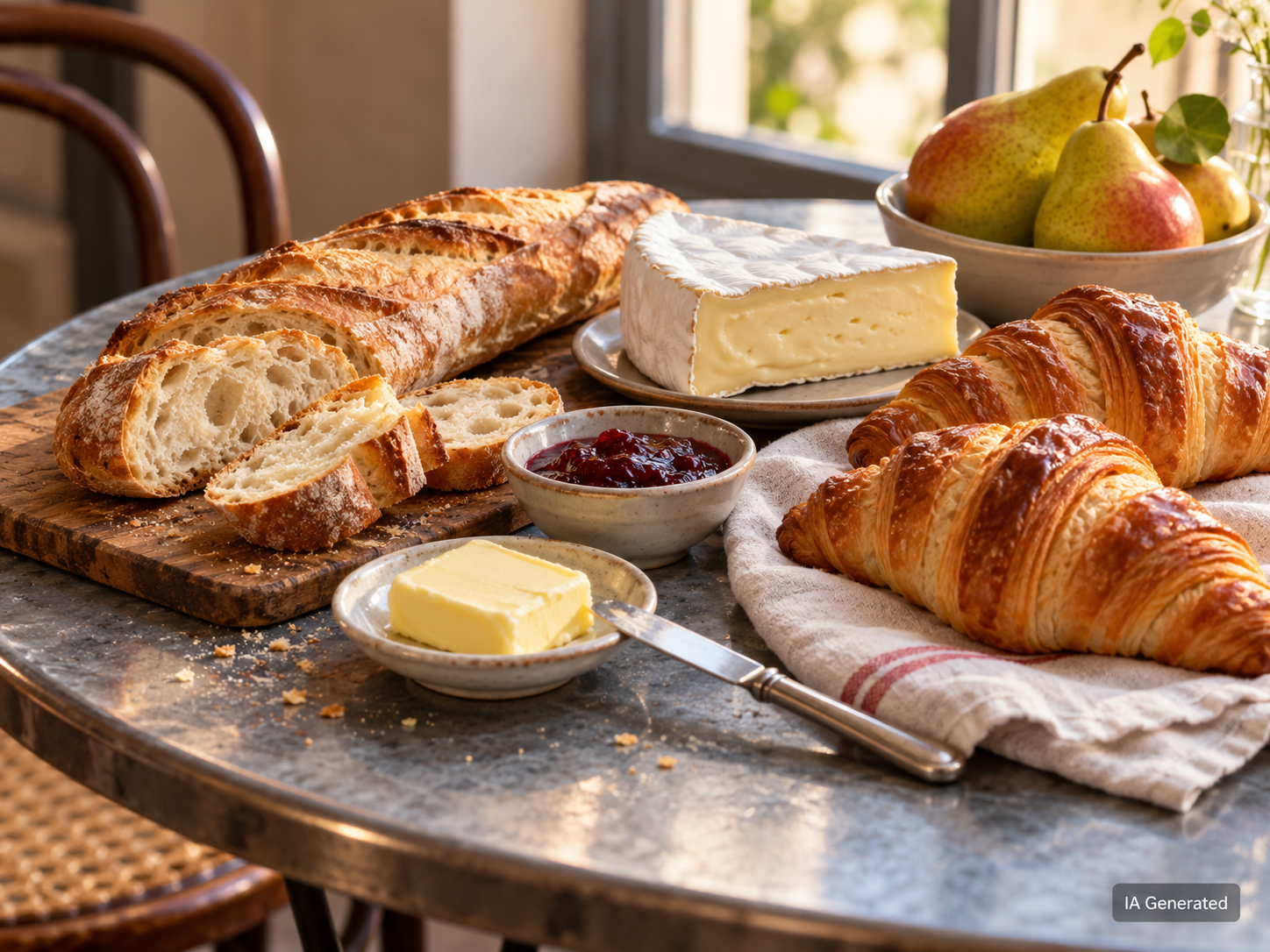
IA Generated — regional food illustration; not a photograph of a named restaurant, dish or market.
SEATED DINING
Reserve a proper evening meal
Build dinner around a chosen table in Montmartre or Pigalle. Return to your existing hotel afterwards; an evening visit does not require changing accommodation.
Markets Worth Planning Around
Town & market
When
Planning notes & source
Marché Anvers Place d’Anvers / avenue Trudaine · Paris 9th
Friday 10am–8pm Regular food market
A useful lower-hill stop on a Friday. The current city listing gives 10am–8pm; older borough pages show different hours and are not used here. Official market details ↗
Marché Barbès Boulevard de la Chapelle, between rues de Maubeuge and Guy Patin · Paris 18th
Wednesday & Saturday Wed 7am–1.30pm; Sat 7am–2.30pm Regular food market
A busy market in the Barbès area, separate from the hilltop circuit. Visit in the morning and allow additional travel; do not confuse it with permanent rue Lepic food shops. Official market details ↗
These are regular markets unless marked seasonal. Dates cover the published calendar; holidays, weather and local events may affect stalls and access. Recheck before travelling.
Where to Eat
Three seated options for different kinds of meal. These categories describe the role in a day, not a Michelin rating or a promised price. Reserve through each restaurant’s official channel.
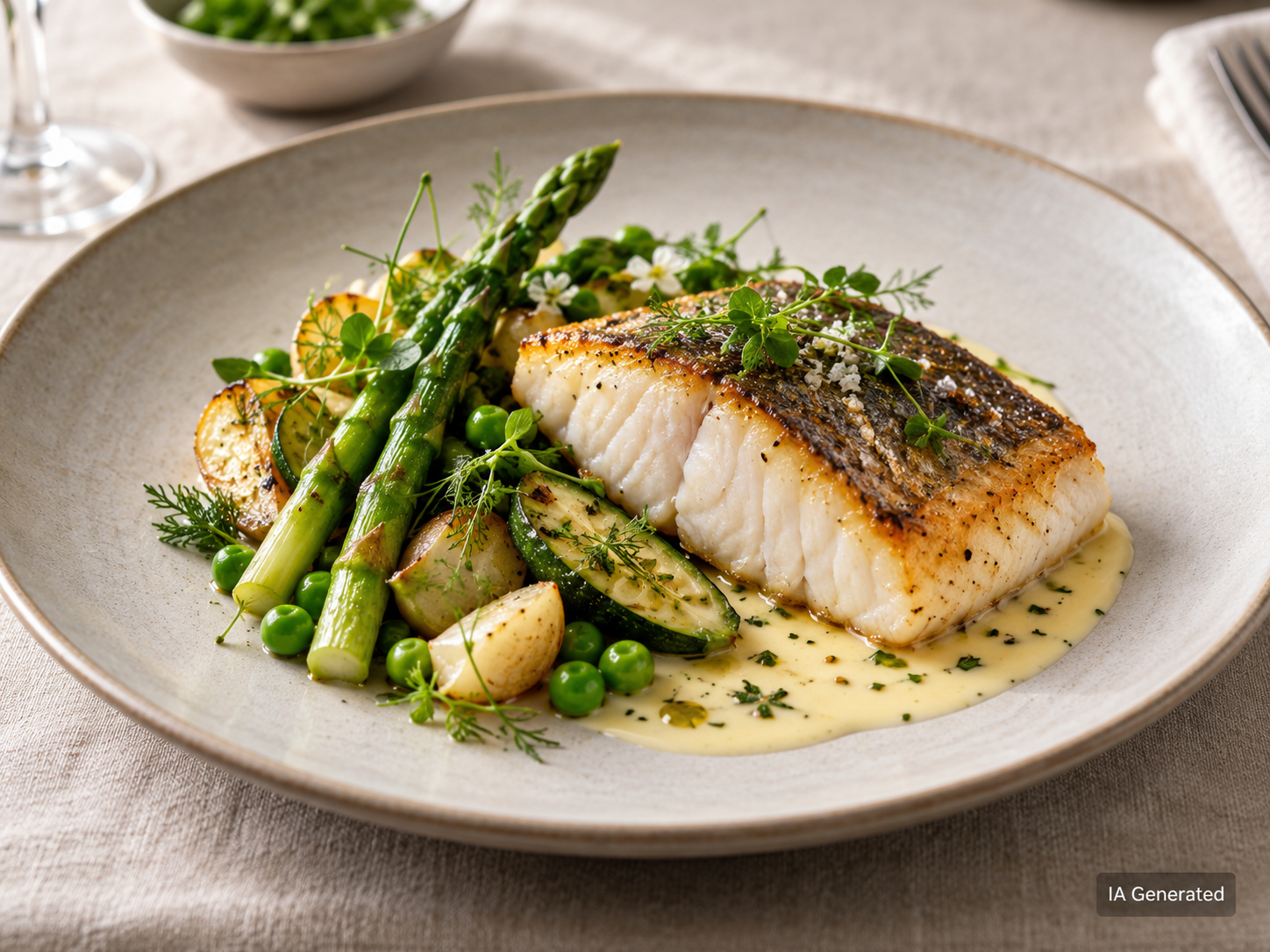
IA Generated — regional food illustration; not a photograph of a named restaurant, dish or market.
BISTRO & LOCAL CUISINE
Le Moulin de la Galette · 83 rue Lepic · Paris 18th
Traditional French dishes in a recognisable Montmartre setting. A practical choice for a seated break during a rue Lepic circuit, with the historic setting forming part of the appeal.
Reserve: Choose an actual meal service and confirm terrace or indoor seating; a restaurant reservation does not provide a windmill visit. Official restaurant & reservations ↗
IA Generated — illustrative image; not a photograph of this venue or its products.
REFINED DINING
Signature Montmartre · 12 rue des Trois Frères · Paris 18th
A small bistronomic restaurant combining French culinary foundations with Korean flavours. It suits a dinner-led return to the Abbesses area after the day’s walking.
Reserve: The published schedule is dinner Wednesday–Sunday, normally 7pm–11pm. Confirm your date, menu and dietary needs through the official booking channel. Official restaurant & reservations ↗
IA Generated — illustrative image; not a photograph of this venue or its menu.
SPECIAL-OCCASION DINING
Edmond · Terrass’’ Hotel, rue Joseph de Maistre · Paris 18th
A panoramic dining room serving contemporary seasonal cooking. Choose it for a meal with a city view and a less hurried end to a Montmartre day.
Reserve: Reserve the restaurant rather than assuming rooftop bar access includes dinner. Window tables are allocated according to availability and are not guaranteed. Official restaurant & reservations ↗
Confirm the current menu, service dates, dietary needs and step-free access directly before booking. Selections are based on published information, not a claim of a personal FWP visit or partnership.
Where to Stay
Keep your existing Paris hotel if it works for the wider trip. For travellers choosing a northern-Paris base, the first three addresses are in Montmartre; Maison Souquet is at the Pigalle foot of the hill, and La Fantaisie is farther south in the ninth arrondissement. Compare the daily approach to the hill, not just the star category.
4-star hotels
Rue Aristide Bruant · Montmartre, Paris 18th
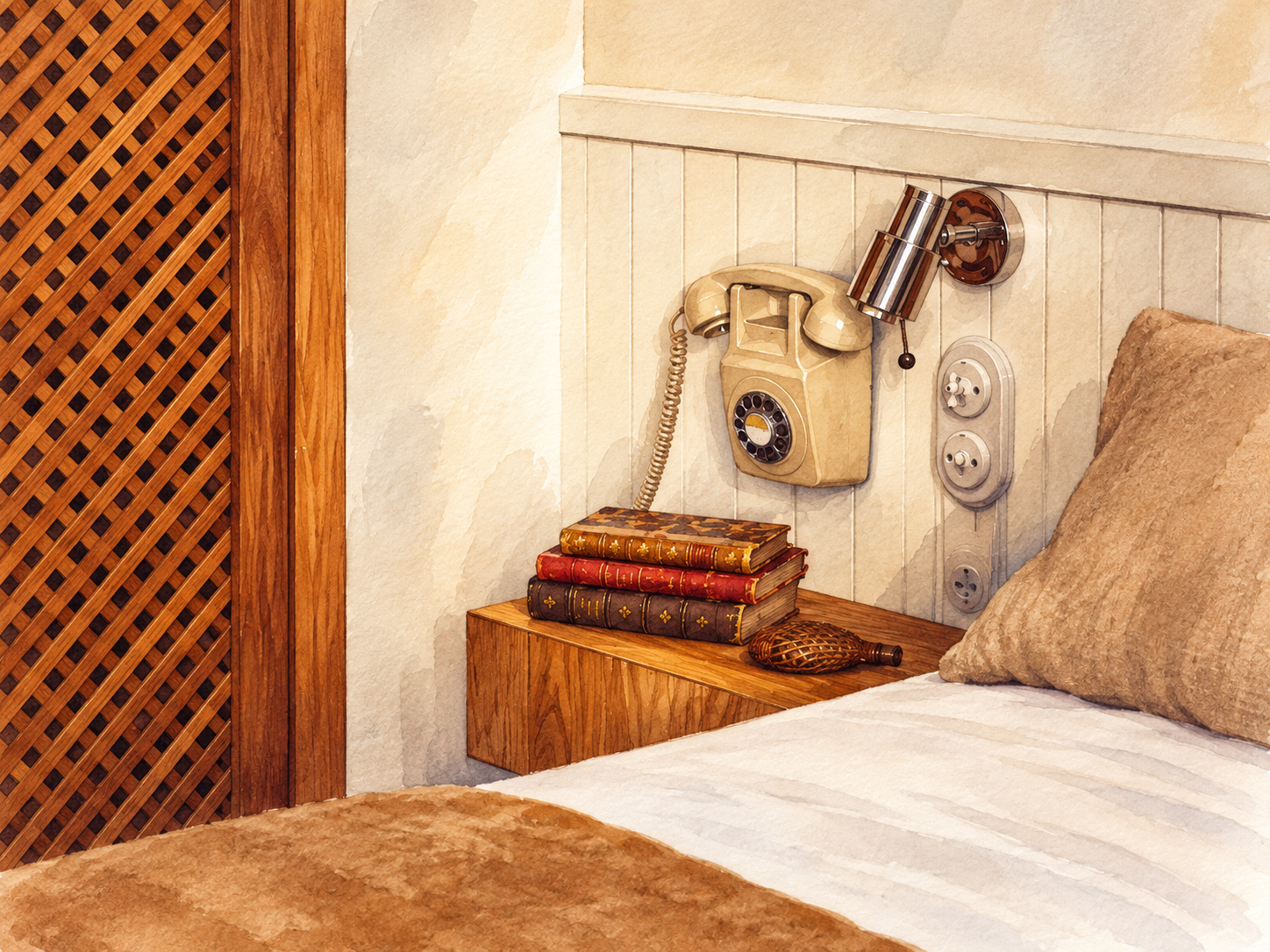
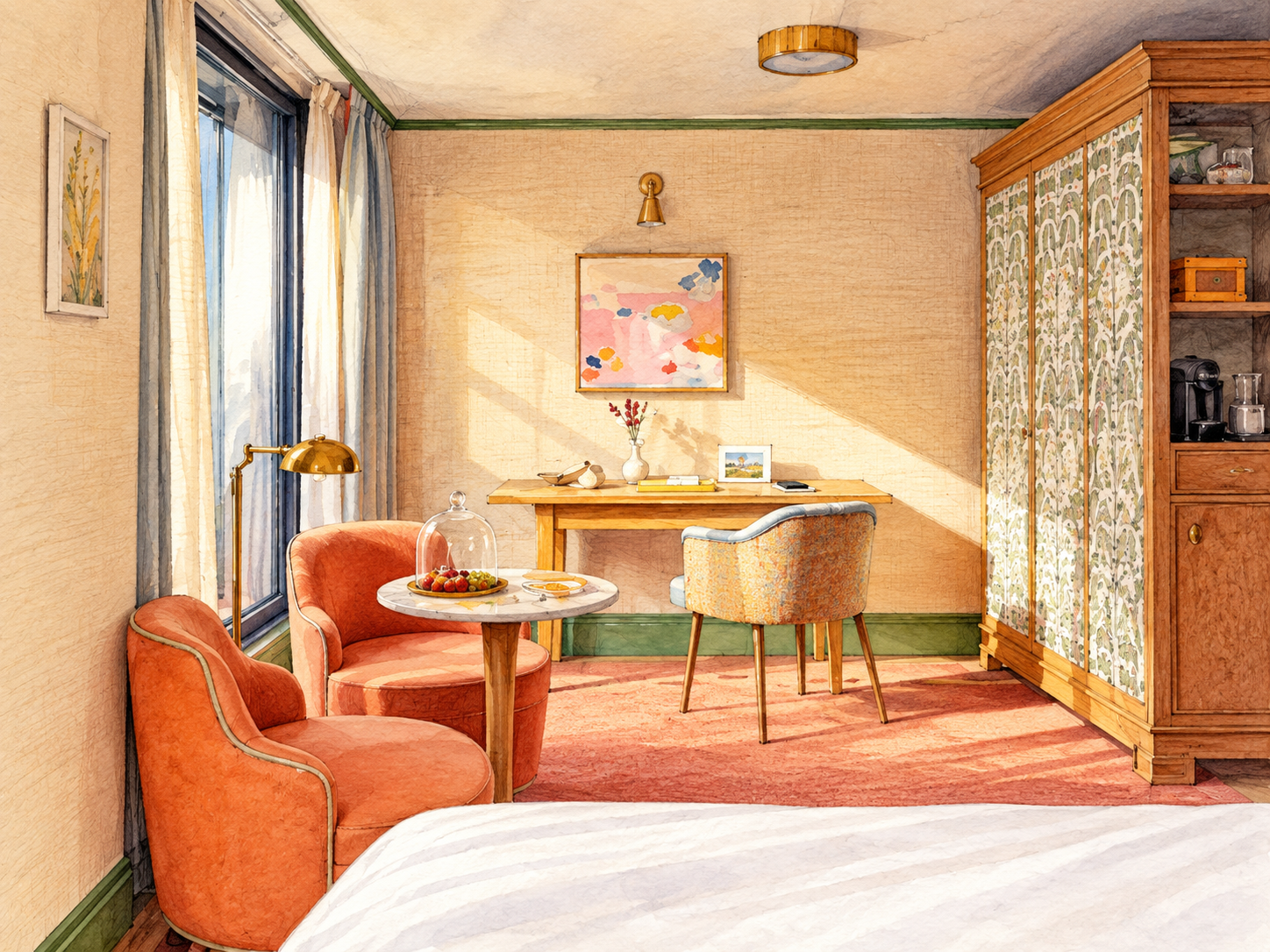
AI-generated illustration based on reference photographs of the hotel. Not a photograph.
Monsieur Aristide
Small, eclectic house with a garden. A neighbourhood base between rue Lepic and rue des Abbesses, with space to pause away from the busiest hilltop streets.
Best for: Couples; design-minded visitors. Verified features: Restaurant, Cocktail bar, Garden, Air conditioning, Wi-Fi.
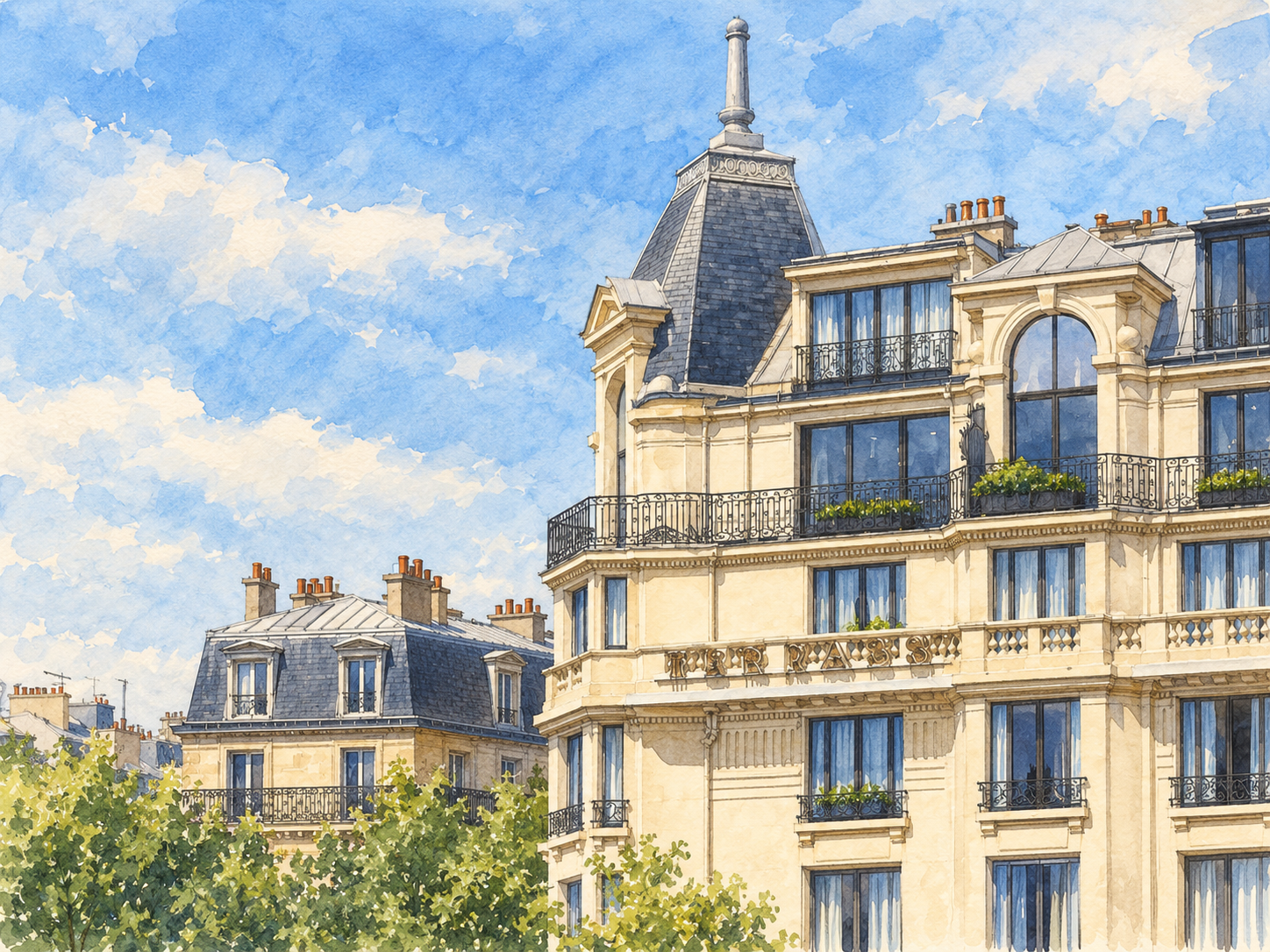
AI-generated illustration based on reference photographs of the hotel. Not a photograph.
Terrass’’ Hotel
Art-inspired hotel with a panoramic dining room. A useful western Montmartre base when a restaurant evening and views are part of the stay; views depend on the selected room.
Best for: Couples; city breaks with wellness time. Verified features: Edmond restaurant, Rooftop bar, NUXE treatments, Fitness and wellness activities.
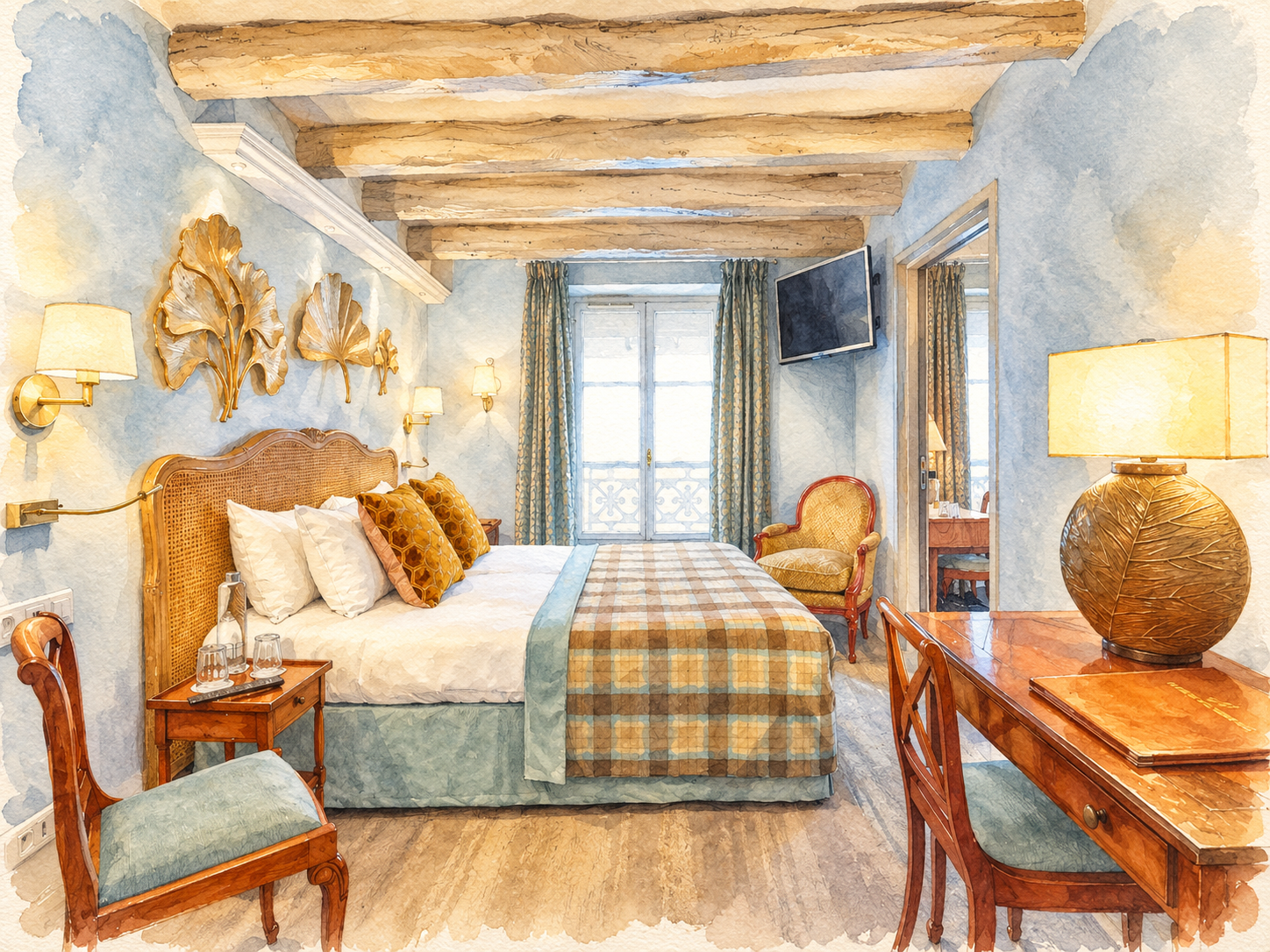
AI-generated illustration based on reference photographs of the hotel. Not a photograph.
Le Relais Montmartre
Traditional, compact neighbourhood hotel. Close to the lower rue Lepic area, with explicitly described family room combinations for travellers who need more than a standard double.
Best for: Couples; families checking a connected-room arrangement. Verified features: Air conditioning, Free Wi-Fi, Minibar, Welcome tray.
Intimate, richly decorated Belle Époque-style retreat. At the foot of Montmartre by Blanche, it suits a romantic stay with a reserved private spa interval rather than a hilltop address.
Best for: Couples; special occasions. Verified features: Private-access Salon d’Eau, Pool, Hammam.
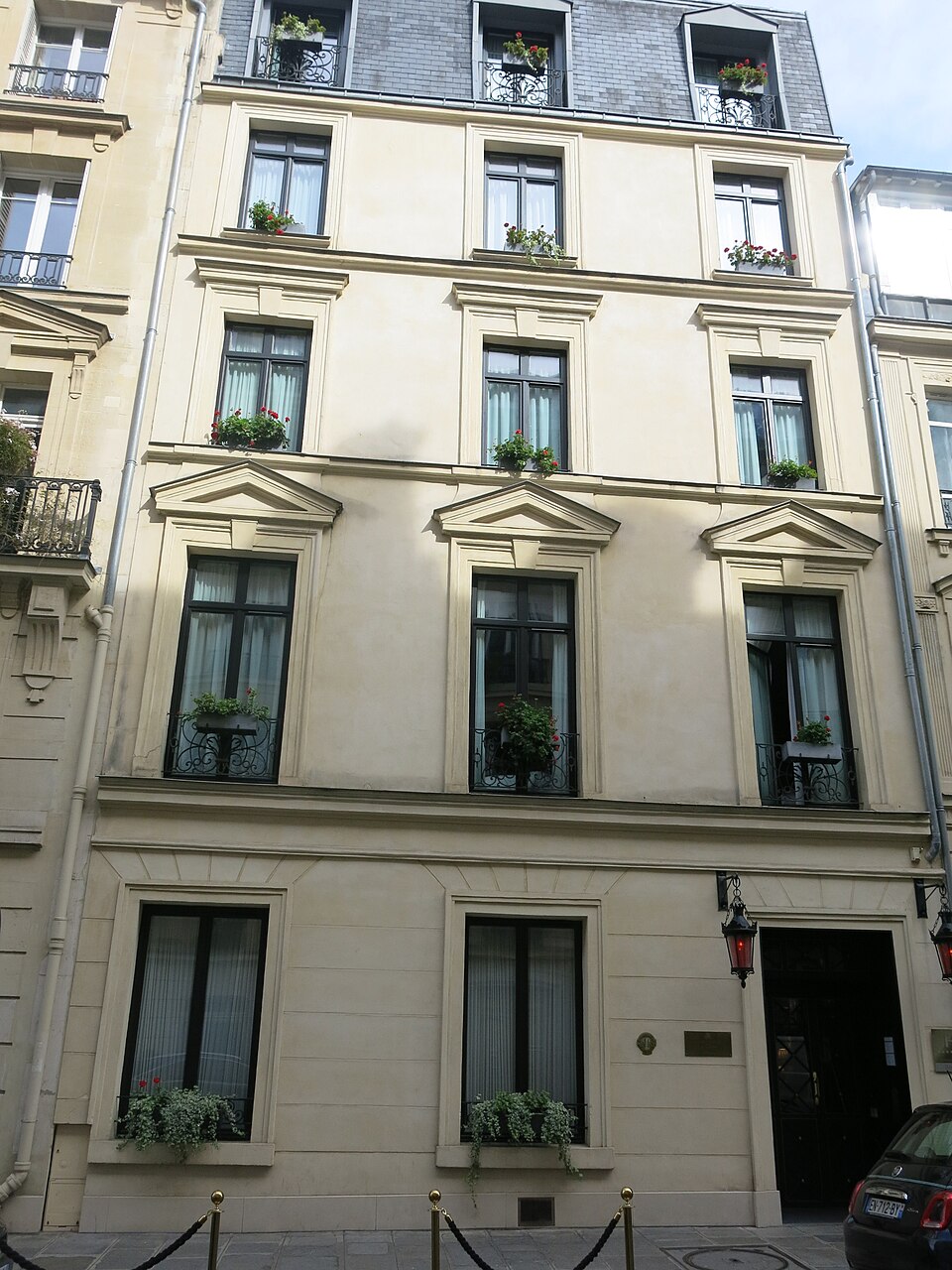
Rue Cadet · southern edge of this northern-Paris guide, Paris 9th
AI-generated illustration based on reference photographs of the hotel. Not a photograph.
La Fantaisie
Colourful garden-led city hotel. A lower-ground alternative to sleeping on the butte, suited to combining the ninth arrondissement with Montmartre rather than stepping straight onto the summit.
Best for: Couples; wellness-focused visitors; travellers preferring a lower-city base. Verified features: Spa baths, Sauna and hammam, Fitness room, Air conditioning, Wi-Fi.
Official stars checked against the Atout France register on 2026-10-02; Palace distinction checked separately against its official list. Palace hotels appear once only. Editorial selections are independent; no FWP stay, partnership or benefit is implied. Confirm room layout, access requirements and facility conditions for your dates. No prices or availability are asserted.
No Palace category is shown: this selection stays within the northern-Paris area. The two five-star choices are intentionally fewer than the target range; no distant hotel has been added just to fill it.
When to Visit
MARCH–MAY
Spring
Combine a morning hill walk with the museum and a booked lunch. Keep an indoor alternative when showers make paving slippery.
JUNE–AUGUST
Summer
Avoid making the steepest climbs at the hottest time. Carry water, pause indoors and leave enough energy for the journey back.
SEPTEMBER–FEBRUARY
Fall & winter
Shorter daylight can suit a compact butte visit and an early dinner. Wet steps, wind at viewpoints and seasonal dome hours need attention.
Festivals, weekends and major holidays can change crowd levels and access. Check dated museum notices, the dome’s weather-dependent opening and RATP works before travelling. A familiar route may have a different connection on your date.
How Long to Spend
FOCUSED MONTMARTRE
Half a day
Choose Abbesses, one ascent, the basilica and a short hilltop circuit. Omit the dome or museum if you want a genuinely unhurried visit.
MONTMARTRE IN DEPTH
One full day
Add the museum and a seated lunch, then descend through rue Lepic. Keep the evening meal as an optional return rather than extending every walk.
TWO DISTINCT AREAS
Two slower days
Spend one day on the butte and a separate half-day around Canal Saint-Martin. Add the ninth-arrondissement streets only when they suit your accommodation and interests.
FWP planning recommendations. Allow separately for your arrival journey and accommodation transfers.
Getting There
For the southern foot of the hill, use Anvers or Blanche on métro 2, or Abbesses on métro 12. The station name does not remove the final climb. Anvers is a useful starting point for rue de Steinkerque and the funicular; Abbesses opens directly into a neighbourhood square but is a deep station.
Origin → arrival
Transport leg
Final approach & total planning
Paris-CDG → Gare du Nord
RER B towards Paris; around 25 minutes on board to Gare du Nord. Airport guidance ↗
Then use métro 4 to Barbès–Rochechouart and métro 2 towards Porte Dauphine to Anvers or Blanche, or a suitable surface transfer. Allow roughly 65–95 minutes from the terminal area to a lower-Montmartre hotel, excluding immigration/baggage: FWP allowance, not a live itinerary.
Paris-Orly → Châtelet
Direct métro 14, around 25 minutes on board. IDFM guidance ↗
Continue by métro 4 towards Porte de Clignancourt, changing at Barbès–Rochechouart for métro 2 towards Porte Dauphine. Allow roughly 65–95 minutes to a lower-hill hotel, excluding baggage; multiple station passages make this unsuitable as a default step-free route.
Central Paris → Anvers / Abbesses
Choose the connection in the current IDFM planner for your starting address. Métro 2 stations ↗
Allow a further 10–20 minutes from Anvers to the lower funicular and onward to the basilica, plus queues; a walking ascent can take longer. This is editorial approach time, not train time.
Official airport transport ↗ · Métro 4 connections ↗. For luggage or mobility needs, compare a suitable vehicle transfer with the full rail route, not just its fastest leg. No fare is assumed; check tickets covering your airport journey.
Getting Around & Parking
Option
Reference point
Practical use
Funicular
Foot of the butte beside Square Louise-Michel
RATP describes a ride of just over one minute, normally 6am–12.45am. Add access and waiting; it replaces one steep section only. RATP details ↗
Parking
Q-Park Anvers, 41 boulevard de Rochechouart
A lower-hill garage, followed by walking and/or funicular. Confirm vehicle height, accessible pedestrian exit, tariff and reservation conditions for the visit. Official garage ↗
Car or taxi
Your exact accommodation or agreed accessible arrival point
Narrow streets and restricted approaches make a hilltop drop-off something to confirm, not assume. Use a date-specific route estimate; parking and the final climb are additional to driving.
Avoid using a car to move between individual Montmartre sights. The most useful decision is where to start and finish the walking circuit. For the canal, travel separately and choose a station near your chosen section.
Walking Routes & Suggested Itineraries
Route
Sequence
Distance, effort & time
Montmartre neighbourhood loop
Abbesses → Place Émile-Goudeau / Bateau-Lavoir exterior → rue Lepic → Place du Tertre → Sacré-Cœur → descend towards Anvers
Approximately 2.5–3.5 km, with hills and optional stairs. Allow 2½–3½ hours with outdoor pauses, excluding museum, dome and a full meal. FWP estimate.
Short summit visit
Anvers → rue de Steinkerque → funicular → basilica → Place du Tertre → return by the chosen descent
A shorter alternative with the steepest central ascent by funicular; it remains uneven and is not a certified accessible route. Allow 1½–2½ hours excluding queues.
Canal Saint-Martin circuit
République → rue du Faubourg-du-Temple → Quai de Jemmapes / Quai de Valmy → turn back at a comfortable crossing
Around 2–3 km depending on turnaround. Allow 1½–2½ hours with a pause. Stay on one bank where a stair footbridge is unsuitable.
To connect the areas, descend to Anvers, take métro 2 towards Nation to Barbès–Rochechouart, then métro 4 towards Bagneux–Lucie Aubrac to Gare de l’Est; walk towards the canal via rue des Récollets. The train legs are short, but the descent, transfer and final walk matter: allow roughly 35–55 minutes from the hilltop to the canal as an FWP estimate, and check current works. Line 2 ↗ · Line 4 ↗
ONE DAY
A first Montmartre day
Start at Abbesses, follow the neighbourhood loop and reserve a seated lunch. Visit the museum or the basilica in depth; the dome is optional. End at a transport point before fatigue turns the descent into a chore.
TWO AREAS, ONE CONNECTION
Montmartre plus the canal
Use a compact morning on the butte, lunch before transferring and a short canal circuit in the afternoon. If the morning runs late, keep the canal for another day rather than dropping every pause.
SHORTER DISTANCES
A gentler version
Choose one hilltop objective, use a suitable vehicle or the funicular for the approach and confirm the specific entrance. Replace the dome and long stair routes with a seated meal and a shorter viewpoint visit.
Good Combinations
Central Paris works well on a separate day: the Louvre and the islands need their own attention. Canal Saint-Martin is the most natural contrasting half-day within this guide, but it still needs a connection. Versailles, Fontainebleau and the other regional excursions are separate outings from your Paris base; do not append them to a full Montmartre day.
Accessibility & Practical Advice
Montmartre’s cobbles, steep streets and staircases require a route chosen for the individual traveller. A lift inside a station is not evidence of a completely step-free journey. Check the current RATP accessible-station information and the full surface approach. RATP accessibility ↗
Place
Verified condition
Planning consequence
Sacré-Cœur basilica
Lift access at the rear, 35 rue du Chevalier de la Barre, normally 8.30am–6.30pm.
Confirm operation and the approach before arrival. These hours differ from the basilica’s general opening. Basilica access ↗
Temporary exhibition spaces have lift access; the permanent-collection building involves paving, small steps and stairs.
Ask which rooms and gardens are reachable for your needs; museum access is not uniform. Museum access ↗
Canal Saint-Martin
Some footbridges have stair approaches.
Choose street-level crossings and verify the exact pavement route; waterside walking is not automatically barrier-free.
Wear shoes with grip, carry water and leave room for seated breaks. With a stroller, choose a shorter route and avoid committing to a staircase before checking the alternative. Hotel accessibility records here describe only published room information; dimensions and bathroom layouts still need confirmation.
FWP Insider Advice
Choose your ascent before arriving. Anvers, Abbesses and a rear-basilica vehicle arrival produce different days. Match the start to the traveller’s mobility and the first visit.
Book a meal, not an imagined viewpoint. A restaurant reservation does not guarantee a window table, and a rooftop drink is not the same as seated dinner.
Keep the canal distinct. Its flatter rhythm complements the hill, but the transfer deserves time. Separate days are often more comfortable.
Use the current market calendar. Anvers is a Friday market; Barbès operates Wednesday and Saturday. Food shops in rue Lepic are a different kind of stop.
Montmartre & Northern Paris FAQ
Is Sacré-Cœur free to visit?
The basilica is free. The dome is a separate paid climb with its own entrance and operating conditions.
Does the funicular remove all the hills?
No. It replaces one steep ascent beside Square Louise-Michel. Slopes, cobbles and steps remain elsewhere on the butte.
Can I take a lift to the dome?
No. The official dome information specifies 280 narrow steps and no lift. The basilica’s rear lift serves a different purpose.
Is Musée de Montmartre fully accessible?
Access varies by building. The museum lists lift access to temporary exhibitions, while permanent collections involve steps, stairs and uneven paving. Confirm the desired route before booking.
Is Canal Saint-Martin part of Montmartre?
No. It is a separate neighbourhood in the tenth arrondissement. Plan a transport connection or visit on a different day.
When is the Anvers market?
The current City of Paris listing gives Friday, 10am–8pm. Recheck before your visit, especially around holidays.
Should I book a hotel on the hill for this visit?
Only if it suits the wider stay. You can visit from your existing Paris base. Compare the actual daily slope and station approach before choosing a Montmartre address.
Can I visit the windmills or Bateau-Lavoir inside?
Do not assume general interior access. The suggested circuit uses exterior views; any special opening or private visit needs separate confirmation.
Plan Your Montmartre & Northern Paris Journey
France. Well Planned.
A northern Paris day shaped around you
Combine the right neighbourhoods, a realistic walking route and a table worth pausing for, with access and travel planned around your needs.
Photo: Sacré Cœur, Montmartre — KoS, 2009, CC BY-SA 3.0. Archival photograph; original file unchanged, responsive display crop. Credits and licence links for the added photographs appear beneath each image. Image sources and licences checked on 3 October 2026. Official visitor, municipal market, transport, restaurant and hotel sources are linked next to the relevant information. Stars use the Atout France export retrieved 2 October 2026; the Palace list is checked separately.
Practical information checked 2026-10-02. Follow the source links beside each item for current information. Travel advice and suggested visit lengths are editorial estimates.